Authored by

Aayush Ghosh Choudhary
Co-founder & CEO at Scrut

Security Compliance: How to Secure Your Business & Meet Regulations

In 2022, Ireland levied a hefty GDPR-non-compliance fine of €405 million on the Meta-owned messaging platform Instagram. It is the second-highest fine to date after Amazon’s €746 million fine in 2021. 

These statistics exemplify how non-compliance with regulations can result in heavy penalties and fines for infringing organizations. This article will summarize what security compliance is and how you can secure your business and meet regulations with its help. 

What is compliance in information security?

Security compliance refers to the adherence to a set of established standards, regulations, policies, and best practices designed to ensure the security and protection of sensitive data, information systems, and assets within an organization. 

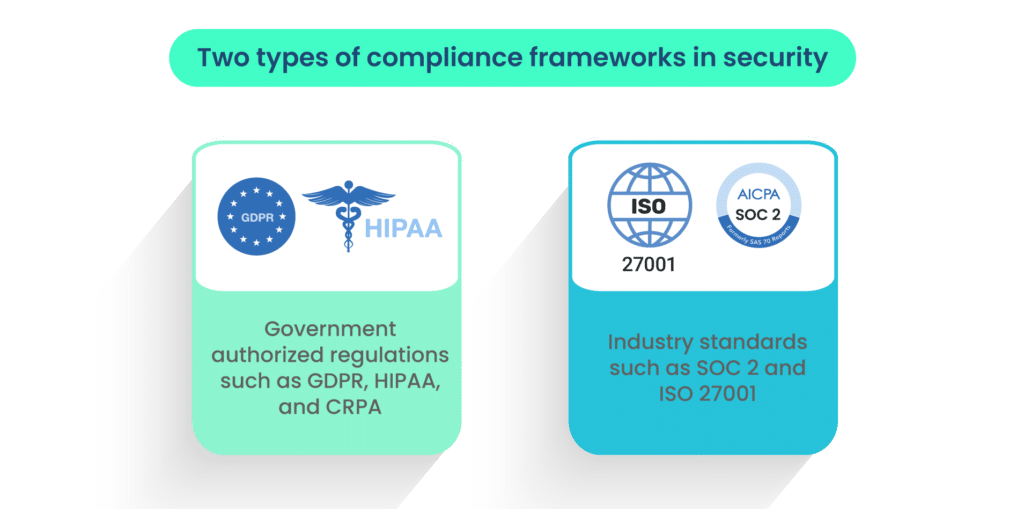
Maintaining security compliance requires an organization to comply with rules, regulations, policies, and procedures formed by government and non-government bodies to protect the data collected, stored, or transmitted by the organization. 
Most regulatory bodies mandate periodic audits of the organizations to ensure compliance with the rules and regulations. 

Moreover, if the organization is found to infringe these rules and regulations, it is subject to fines and penalties by the governing bodies. 

Some examples of security compliance are

Regulatory compliance and frameworksGoalRegulator/Developed by
General Data Protection Regulation (GDPR)Protects the data of residents of the European Economic Area (EEA)European Parliament and Council
Health Insurance Portability and Accountability Act (HIPAA)Protects the personal data of patients from public accessThe US Department of Health & Human Services
SOC 2A voluntary compliance standard for organizations on how to manage customer data.American Institute of CPAs (AICPA)
International organization for Standardization (ISO) 27000 SeriesRecommends best practices for managing information risks by implementing security controls within the framework of an Information Security Management System (ISMS).International organization for Standardization and International Electrotechnical Commission
The Payment Card Industry Data Security Standard (PCI DSS)Develops and drives adoption of data security standards and resources for safe payments worldwide.The PCI Security Standards Council (PCI SSC)

An organization must follow compliance procedures to avoid penal repercussions and secure its data. However, following compliance procedures alone does not guarantee the security of its digital assets. This is why the organization must take other IT security measures to ensure data security.

What is IT security?

IT security is the set of policies and procedures an organization implements to protect its IT assets, including hardware, software, firmware, and infrastructure, from unauthorized access. The IT security measures are not mandated by the government or any other regulatory body but are designed and followed by the organization itself.
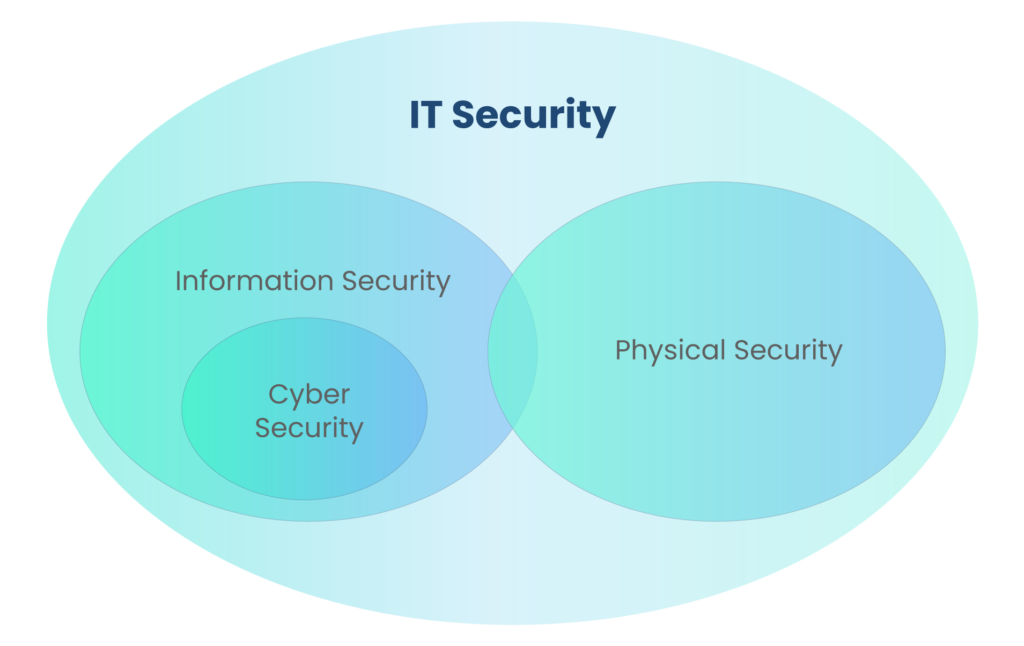
IT security includes:

  • Information security: Information security refers to protecting data or information from unauthorized access. This data can be physical data or digital data. An unauthorized person should be unable to access, change, delete, or copy the organization’s data.
  • Cybersecurity: Cybersecurity protects the organization’s cyber assets, including hardware, software, firmware, and infrastructure, from unauthorized access. Securing anything connected to the internet or accessed via the internet is included in cybersecurity.
  • Physical security: Physical security refers to securing the physical assets of the organization, including printed documents, the organization’s sensitive areas, and physical assets.

The goals of IT security involve three main functions popularly known as the CIA triad:

  • Confidentiality: Confidentiality ensures no unauthorized person can ever access the organization’s data.
  • Integrity: The integrity function of the IT security management system allows the authorized person accessing the data to know that the data has not been tampered with. 
  • Availability: The data should be readily available for authorized users whenever needed.

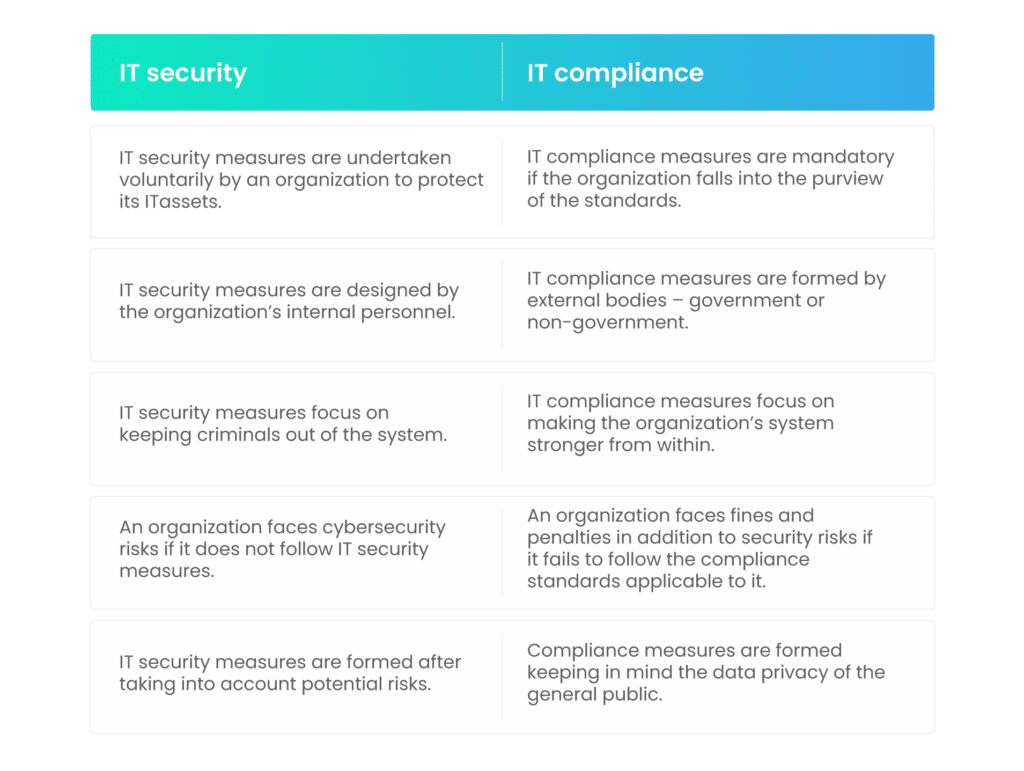
What is the difference between IT security and compliance?

So, is IT security needed even if you follow compliance? After all, IT security and compliance follow the same goal – protecting the organization’s data. Compliance does not equal security. Although compliance improves the organization’s cybersecurity posture, it does not guarantee security. 

Compliance defines the minimum standard of security measures to be fulfilled by an organization. On the other hand, security measures go above and beyond the minimum requirements. They are different for every organization depending on the type of business, inventory, complexity, budget, and location. Security measures can mitigate cyberattacks on the organization.

Let’s look at some of the differences between security and compliance.
What are the similarities between IT security and compliance?

Despite their differences, IT security and compliance have many similarities. 

The first similarity is in their goals. Both IT security and compliance procedures are designed to keep the bad guys out of the organization’s system while giving the good guys access to untampered data.

Secondly, both IT security and compliance play a crucial role in building trust with consumers. According to Thales, a staggering  21%  of consumers discontinue their association with an organization following a data breach, with 42% requesting the deletion of their information. Considering the significant investments in both time and resources required for customer acquisition, the loss of customers due to a data breach can substantially amplify the overall cost of such an incident.

Although both IT security and compliance incur costs for the organization, they must be treated as a source of value creation. If both security and compliance costs are treated as security and compliance assets, the organization’s management can be more open to spending. Ultimately, security costs save the organization from cybersecurity incidents, while compliance costs protect the organization from fines and penalties.

What is the role of IT security compliance?

The role of IT security compliance is multifold in the organization and market as a whole. Let’s look at the basic importance of IT security compliance.

1. Preventing security breaches

The principal goal of IT security compliance is to prevent data breaches in the organization. The average cost of a data breach is $4.35 million in 2022 (IBM). Moreover, 83% of the organizations surveyed had more than one data breach. The chances of a second security breach are scarily high if you suffer one data breach. 

The average cost of a data breach in organizations with high-level compliance failures has increased to a whopping $5.57 million. The IBM report clearly shows how critical compliance is for an organization.
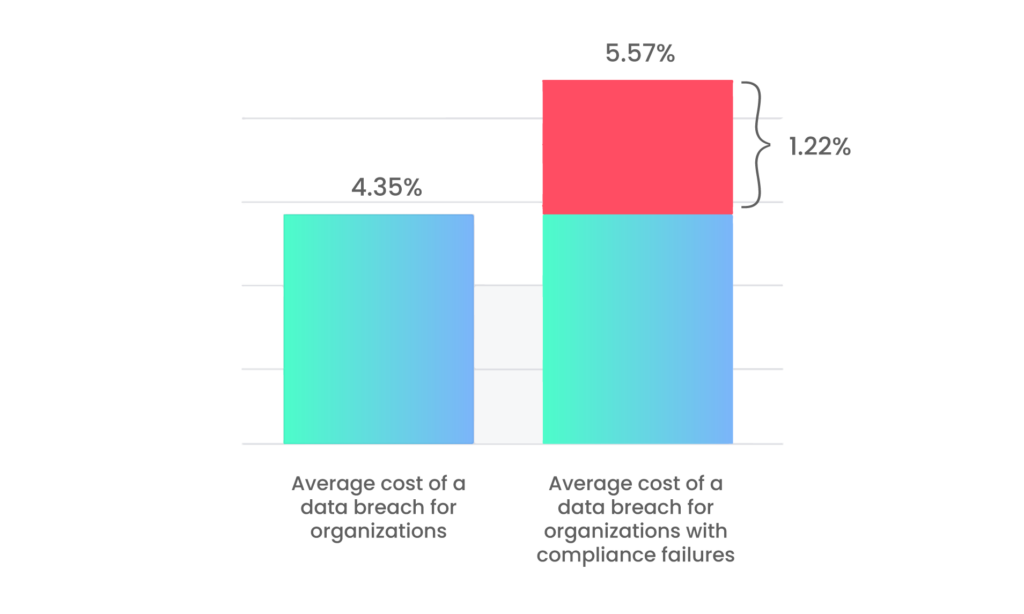
Compliances are not only legal formalities but well-thought-out processes and procedures that can help prevent or avert data breaches. Let’s take the example of HIPAA. The Health Insurance Portability and Accounting Act (HIPAA) is an act by the US government to protect its citizens’ personal health information (PHI). 

One of the HIPAA compliance regulations includes the encryption of the organization’s network. If you are covered under HIPAA, you hold, process, or transmit the PHI of US residents. If your network is not secure, you are susceptible to data breaches. Cybercriminals, also called actors, can use the vulnerability of your insecure network to enter your systems. 

The ultimate goal of HIPAA compliance is to protect PHI, and if you follow compliance regulations, you can improve your cybersecurity posture.

2. Avoiding fines and penalties for infringement

Following compliance standards can help you avoid fines and penalties. Most compliance regulators impose fines and penalties for the non-fulfillment of the conditions mentioned in the act/law.

Let us continue with the above example of HIPAA. Suppose you are an organization covered under HIPAA, and you violate one or more provisions of the Act. In that case, you will be liable to pay the fines and penalties applicable to you. The following table shows the fine structure of HIPAA:
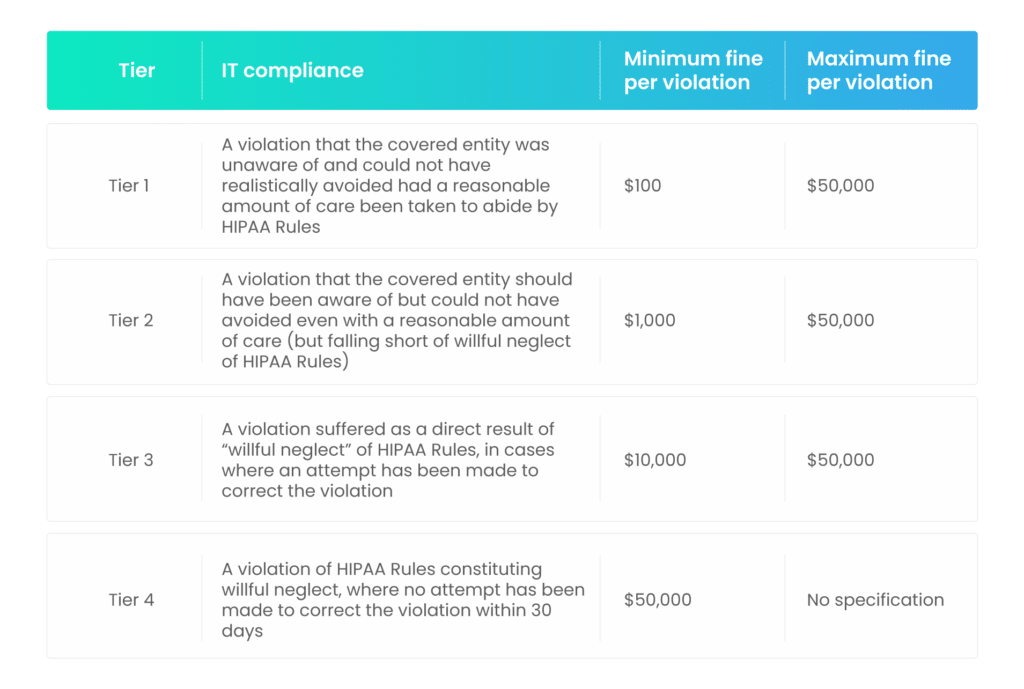
Please note that the above table depicts the fines for HIPAA violations. The fines for not adhering to other compliance laws will be different.

3. Retaining business reputation

Did you know that out of a total cost of a data breach of $4.35 million, $1.42 million was attributable to the lost business cost? The total business cost is the total of business disruption and revenue losses from system downtime, cost of lost customers and acquiring new customers, reputation losses, and diminished goodwill.

A security-compliant organization can reduce the chances of data breaches considerably.  And therefore, the lost business cost can be saved. If you think compliance is expensive, consider the data breach loss you will have to bear in addition to the fines.

4. Proving competency in case of a data breach

In an unfortunate situation where your organization’s security is compromised, you will have to notify the relevant authorities. The authorities will consider the facts of the case and levy fines and penalties. 

In such instances, a breached organization can present how they have followed the compliance procedures to ensure a reasonable amount of care to avoid a breach. Such details can work in your favor and save you from high penalties.

For example, if you are covered under HIPAA and your security is compromised, leading to a data breach, you can prove that you have taken reasonable steps to avoid the breach. Also, you informed the relevant parties about the breach immediately. This might put you in the Tier 1 category, considerably reducing your fines.

How do you ensure security compliance?

Ensuring security compliance involves a comprehensive and ongoing effort to meet regulatory requirements and maintain a secure environment. Here are steps to help you ensure security compliance:

1. Design a detailed compliance plan

With every passing year, more and more managers realize the importance of cybersecurity as a part of overall risk management.
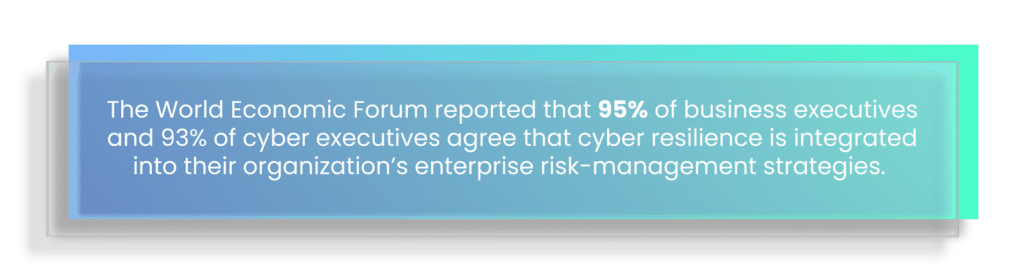
Additionally, most cyber and business leaders agreed that cyber-resilience governance must be integrated into their business strategy to increase its impact. Most organizations are aware of the compliances they need to follow; however, they are not sure how to follow them. Even IT employees are sometimes confused about the procedural aspects of the compliance process.

Form a detailed plan that includes the roles and responsibilities of every employee and the managerial people. There must not be any overlaps regarding the duties of every person. 

The plans must include the procedures to be followed in case of a breach. A well-formed plan can reduce the time it takes to restart the business after the breach.

2. Train your employees

Verizon reported that 82% of the breaches involved the human element. It includes using stolen credentials, phishing, misuse, or simply an error. Moreover, 2.9% of employees may actually click on phishing emails. Stolen or lost devices, including mobile phones, laptops, and tablets, result in many security incidents in the organization.
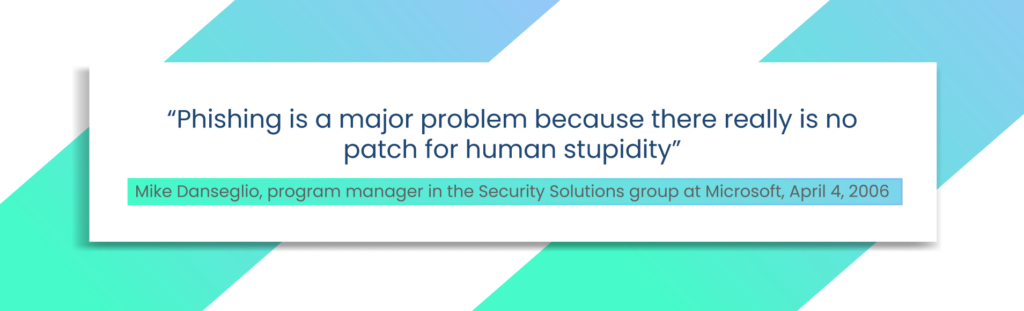
Even if you have a top-grade plan, communicating it to the employees is very important. Moreover, your employees must receive expert training on how to behave online. They must be aware of the latest methods threat actors use to protect themselves and the organization. Compliance security awareness training is one of the most critical aspects of the organization’s security compliance program.

3. Update your software regularly

Do you remember the Equifax breach of 2017? Let us recount the facts of the breach to understand the importance of updating or patching. Equifax was one of the thousands of users of Apache Struts, an open-source framework for creating enterprise Java applications. 

A vulnerability was found, and a patch was issued for Struts in March 2017. On March 9, the administrators of Equifax asked an employee to apply the patch to the affected systems; however, they didn’t. On March 15, a scan was carried out to check the updates, which failed to detect the vulnerability. 

The initial attack began on March 10 when the Struts vulnerability breached the web portal. On March 13, the attackers began moving into the other parts of the Equifax systems. After a series of errors and omissions, it was discovered that the data of 143 million users were exposed – more than 40% of the US population.

The above incident proves how important it is to update your software regularly. Security patches must be applied as soon as they are released, as they cover known vulnerabilities.

4. Monitor regularly

It is critical that you monitor your computer systems, your partner’s/contractor’s systems, and the adversaries’ scenario. 

Continuously monitoring your systems can help you identify threats sooner. You can patch your vulnerabilities to stop the threat actors before they can cause more damage.
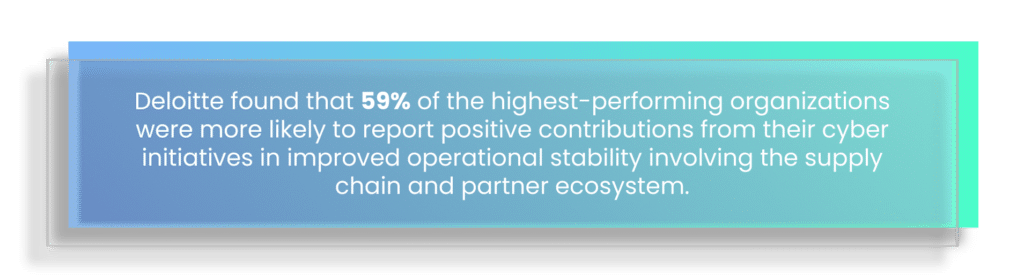
The third part of the monitoring system is the cyber threat landscape. If you are monitoring the threat landscape deeply, you will be able to identify the threats that can affect your organization. You can remain vigilant of the situation and change your cyber resilience posture to protect yourself.

5. Implement a zero-trust model

The cost of a data breach of critical infrastructure was $4.82 million – $1 million more compared to the cost of other industries (IBM). However, 79% of the critical infrastructure organizations did not employ zero trust architecture. 

In a zero-trust model, employees are only given access to the data required to fulfill their duties. It is also called the model of least privilege. The data is divided into sections and segregated to ensure that the right to access this information is limited. 

A zero-trust model can reduce the attack surface and prevent cyber attacks. On the compliance side, the zero-trust model is adopted more to fulfill various regulations’ requirements. 

6. Carry out compliance and internal audits regularly

Compliance audits are a way to verify adherence to regulatory guidelines for an organization. Many regulations require periodic audits, while some organizations opt for voluntary compliance audits. The type and depth of compliance audits vary from organization to organization depending on factors such as the business and location of the organization, the type of data it handles, and the nature of the government regulations.
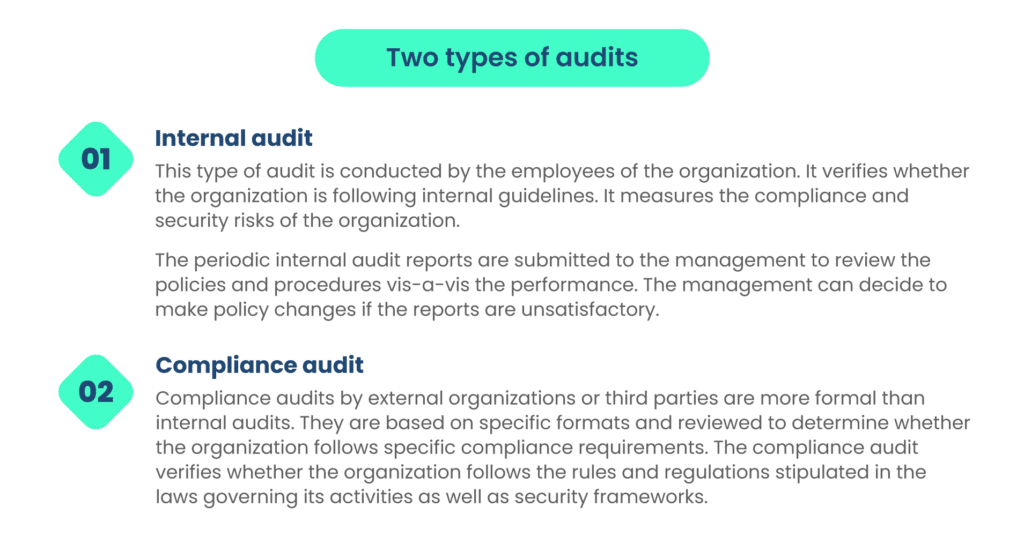
The audit report is submitted to the authorities responsible for testing compliance. It is used as a base to levy penalties and fines if the organization violates the laws.

Automate compliance management

As a result of an increase in cyber attacks, more and more regulations and frameworks are being levied to ensure data privacy. Sometimes, it becomes difficult to maintain all the formats without breaking the law. Oftentimes, organizations make errors in understanding or implementing the laws resulting in penalties. 

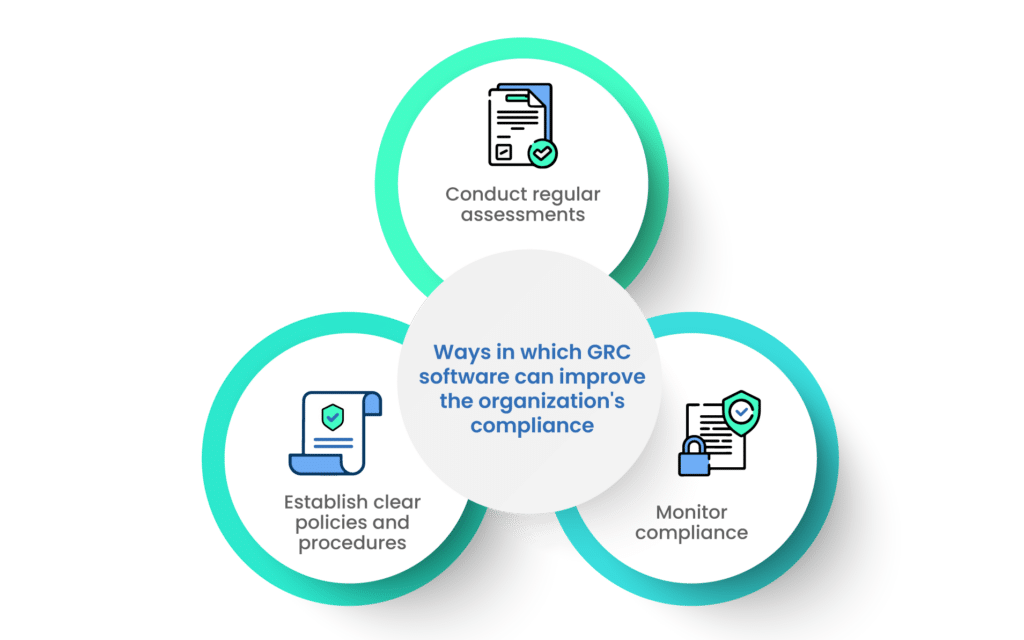
One way to manage compliance is to automate manual procedures. Many compliance software available in the market can effectively reduce the time spent by employees on compliance requirements. By doing a thorough cost/benefit analysis, many organizations realize that the cost of automation is much less than the amount of penalty to be paid in case of non-compliance.

Secondly, an organization can employ an external agency to carry out compliance and risk management activities. This reduces the burden on the organization, leaving the employees available for more productive tasks.

How can Scrut help you implement robust security compliance?

Scrut is a comprehensive solution for all your compliance needs. It provides a variety of services, including, but not limited to, GRC management, CAASM, cloud security, and risk management. 

Scrut can automate continuous risk and compliance management tasks so that you and your employees can focus on more important activities. You can receive notifications and alerts about the areas of your business that need attention. Scrut also helps you in external compliance audits so that you can fast-track your compliance. 

If you have any questions about how Scrut can help you achieve your compliance goals, you can book an appointment with our experts.

FAQs

1. What is regulatory compliance in security?

Regulatory compliance in security refers to the adherence to the rules and regulations applicable to the organization. The government or non-governmental bodies can set up these frameworks and regulations. 

2. What are the eight steps to ensure security compliance in your organization?

The following are the eight steps to ensure security compliance in your organization:
– Design a detailed compliance plan
– Train your employees
– Update your software regularly
– Monitor regularly
– Implement a zero-trust model
– Carry out compliance and security audits
– Implement strong GRC policies
– Automate compliance management

3. What is the fundamental difference between security and compliance?

The primary difference between IT security and compliance is their origin. IT security procedures are formed internally by the organization. On the other hand, compliance regulations are formed and implemented by external regulatory bodies.

Authored by

Aayush Ghosh Choudhary
Co-founder & CEO at Scrut

Large Language Models and third-party risk management: building trust when using new technologies

Organizations of all shapes and sizes are racing to deploy artificial intelligence (AI) to streamline their operations, cut costs, and improve customer service.

At the core of this revolution are Large Language Models (LLMs) like OpenAI’s ChatGPT, Google’s Bard, and others. While these new AI technologies are rapidly shifting the business landscape, they bring with them new risks. To help manage them, the U.S. National Institute of Standards and Technology (NIST) recently released an AI Risk Management Framework (RMF), which we discussed previously.

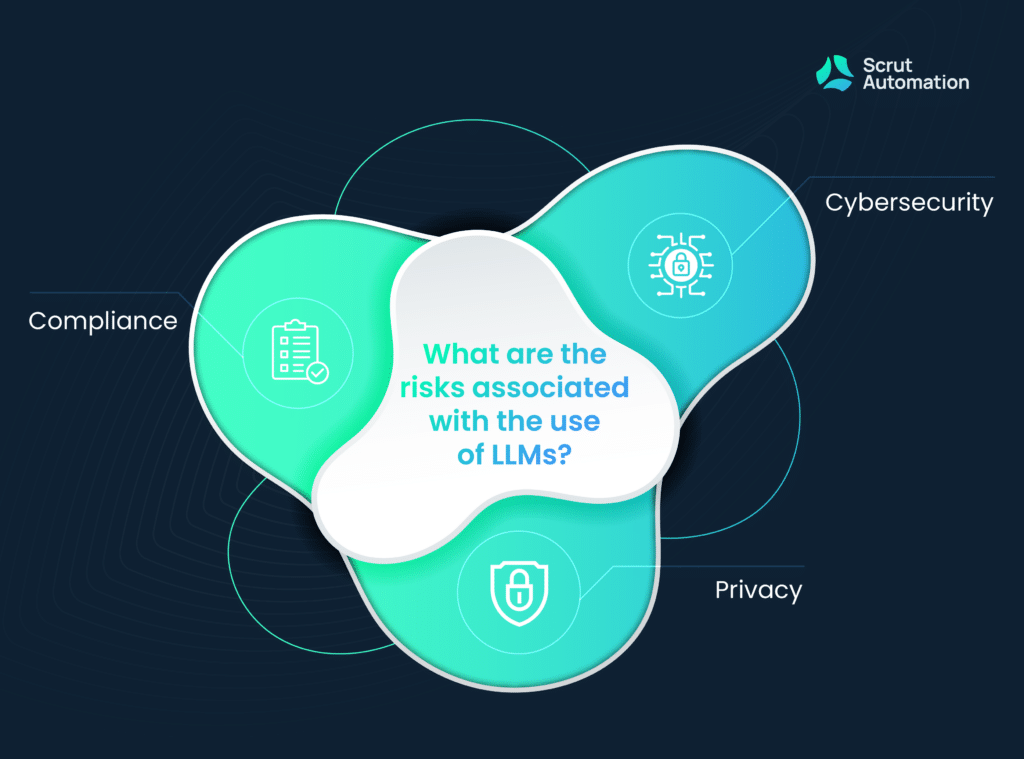
One of the RMF’s key considerations is how to govern, measure, and map third-party risk. LLMs present unique cybersecurity, privacy, and compliance challenges that need to be addressed throughout the supply chain. So in this post, we will look at these as well as talk about how enterprises can examine their vendors to identify potential problem areas. And in closing, we’ll also look at how AI companies can best prepare themselves for security scrutiny from their customers.

Risks of LLM use

1. Cybersecurity

With new technologies, innovators often move quickly and think about security afterward. However unfortunate, it is a fact of life that LLMs have security vulnerabilities whereby data confidentiality can be impacted by:

  • Attackers chaining ChatGPT  plugins  together to interact with other systems in unexpected ways.
  •  Prompt  injection, either directly on the part of an attacker or indirectly by browsing to a malicious website.
  • Data  leakage  through unintended model training.

Data integrity can also be at risk due to threats like data poisoning or attackers taking advantage of LLM hallucinations to typosquat on open source library names.

Whatever the vector, organizations need to protect sensitive information – both in their networks and that of their suppliers – when innovating with AI.

2. Privacy

Rules like the California Consumer Privacy Act (CCPA) and General Data Protection Regulation (GDPR) might be relatively new, but their drafters still don’t appear to have anticipated the rapid and broad adoption of AI tools. As a result, there remain gray areas as to how privacy requirements apply to technologies like LLMs.

Especially when using 3rd party AI tools, risks can involve:

  • Needing to ensure data subject access (DSAR) and erasure requests are fulfilled throughout your entire software supply chain.
  • Having to deal with situations where LLMs can generate accurate personal information about people even without having access to an underlying database containing it.

It’s sad but true that a lot of these novel questions are going to be decided by “enforcement through regulation,” whereby companies only learn they have run afoul of the law when they are punished. In the face of this uncertainty, though, it is possible to take steps – both internally and with your vendors – to reduce risk both to your customers and to your organization.

3. Compliance

Audit frameworks such as SOC 2 and ISO 27001 were conceived prior to the widespread deployment of LLMs, and thus don’t necessarily account for using them in their requirements. With that said, these standards have relatively high-level guidance and auditors have latitude to apply them to specific situations and technologies. And integrating specific guidance from the AI RMF can help to fill out areas where existing standards don’t have clear answers.

Using the example of SOC 2, Common Criteria 1.1 requires that entities protect their confidential information, so having a documented plan to address some of the risks related to inadvertent training and prompt injection when using third-party models will be key. ISO 27001 section 5.5. specifies that organizations must have a data labeling program, which is also a critical underpinning for any system for ensuring only the appropriate data is provided to LLMs hosted outside of your organization.

Adapting your compliance program to reflect emerging technologies like AI will take some work. And it will require both vendors and customers to take additional measures to document and prove they have conducted due diligence.

How to manage third-party AI risk

Every business in the modern economy is going to rely on others to get their job done. And when it comes to information, organizations are as interdependent as ever. 

Managing vendor risk is a key discipline for any organization, and it becomes even more important when you add AI to the mix. Not to mention it is a requirement of frameworks like the AI RMF, SOC 2, and 27001.

Some key steps you can take specifically in this regard are:

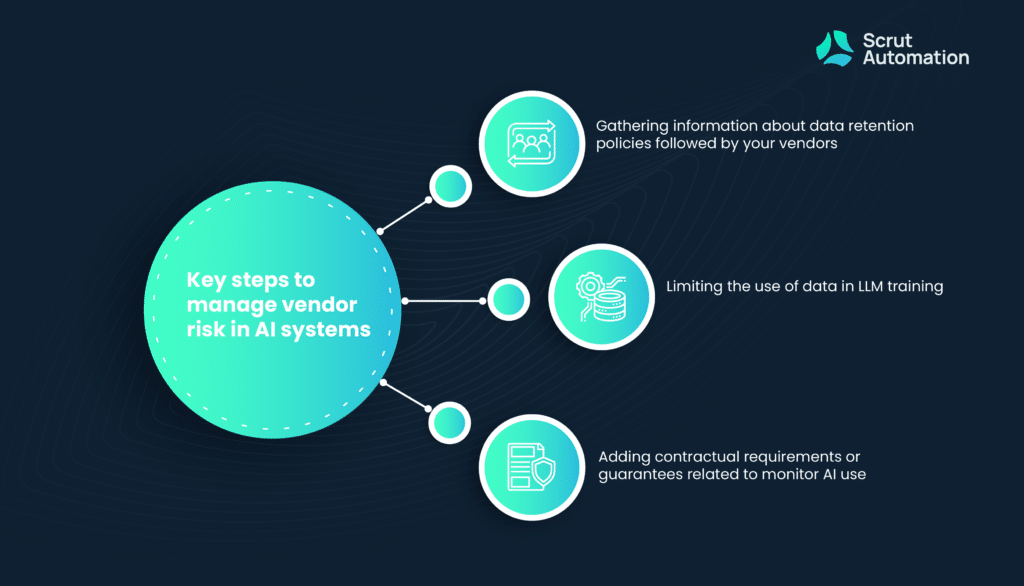
  • Understanding vendor’s data retention policies. Will your information be kept for 30 days? Indefinitely? Somewhere in between?
  • Limiting LLM training using your data. Do you need to opt in or opt out for an external model to train on the inputs you provide?
  • Adding contractual requirements or guarantees related to AI use.

You’ll want to verify that your vendors are abiding by their word when it comes to these and other security guarantees. So developing an effective method for tracking their attestations and security reviews in a single place will be vital.

Building trust with customers as an AI company

Just as managing your own supply chain to ensure it is secure and compliant is vital, companies using LLMs as a core part of their business proposition will need to reassure their own customers about their governance program. Taking a proactive approach is important not just from a security perspective, but projecting an image of confidence can help you to close deals more effectively. Some key steps you can take involve:

  • Documenting an internal AI security policy.
  • Launching a coordinated vulnerability disclosure or even bug bounty program to incentivize security researchers to inspect your LLMs for flaws.
  • Building and populating a Trust Vault to allow for customer self-service of security-related inquiries.
  • Proactively sharing methods through which you implement the AI RMF specifically for your company and its products.

If it isn’t the case already, AI companies are going to eventually need to rely on each other to deliver highly specialized products and services. Thus, they will find themselves on both sides of the supplier/customer relationship. Having an effective trust and security program – tailored to incorporate AI considerations – can strengthen both these relationships and your underlying security posture.

Conclusion

No company is going to survive without embracing artificial intelligence in some way. Whether or not your core value proposition revolves around developing or deploying LLMs, this technology is certain to form at least part of your digital supply chain. Building trust throughout it by using these best practices can improve relationships and streamline sales processes.

Want to see how Scrut Automation can help you manage third-party AI risk and build your customers’ confidence that you can deal with yours? Please reach out today!

Authored by

Aayush Ghosh Choudhary
Co-founder & CEO at Scrut

How to turn SOC 2 compliance into a growth strategy?

The emergence of software-as-a-service (SaaS) and cloud computing created a need in the market for a standard that could instill confidence among service industry customers regarding the security of their data entrusted to service providers. SOC 2 is an auditing framework designed for professionals in the service industry to establish trust with their clients. It has emerged as a powerful tool, not just for safeguarding sensitive information but also for fueling growth. 

This article explores innovative ways in which organizations can leverage SOC 2 compliance as more than just a regulatory requirement – transforming it into a strategic asset that drives customer confidence, business expansion, and competitive advantage.

What is SOC 2?

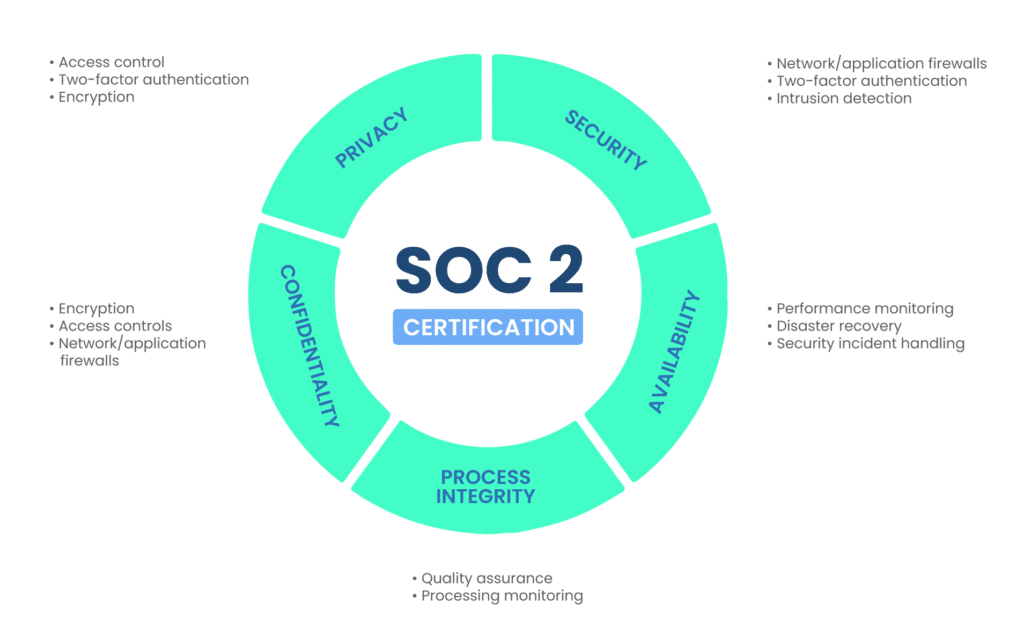
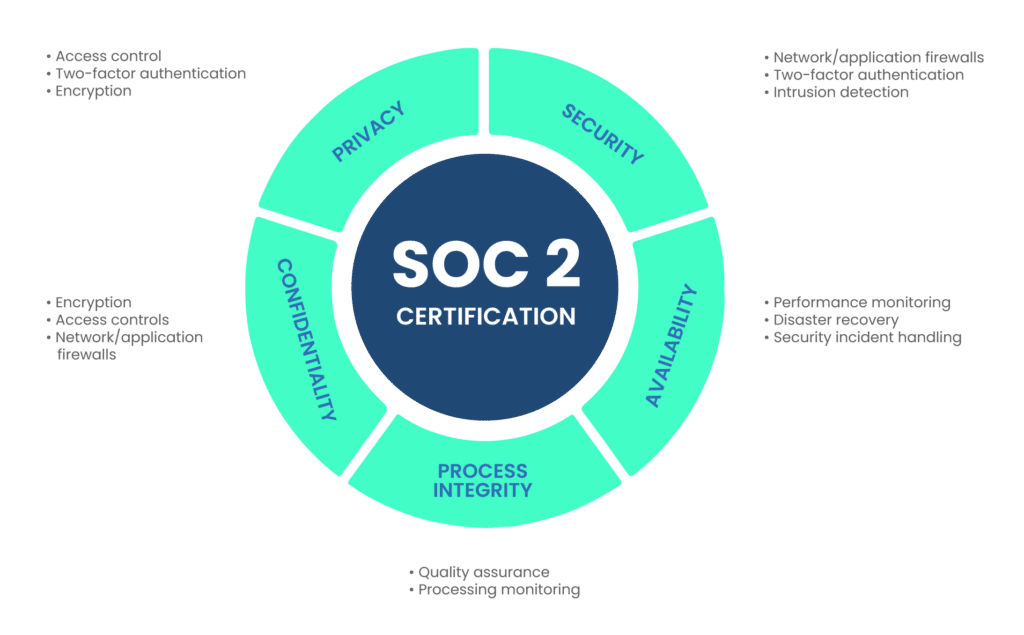
SOC 2 is an auditing procedure for service providers developed by the American Institute of Certified Professional Accountants (AICPA) to ensure that they manage clients’ data securely and maintain privacy. SOC 2 sets the criteria for managing customer data based on five principles, called the trust service principles, namely,

  • Security
  • Availability
  • Processing integrity
  • Confidentiality
  • Privacy

An interesting feature of the SOC 2 audit is that it is unique for each organization. Every organization sets its own standards to comply with one or more of the above principles. The report provides you with information on how your service provider handles your data. There are two types of SOC 2 reports:

Type 1 – The type 1 report describes a vendor’s system and whether their design is in sync with your trust principles.

Type 2 – The type 2 report describes the operational effectiveness of those systems.

The SOC 2 audit is conducted by an outside agency that verifies the extent of compliance with the five principles of SOC 2.

Benefits of SOC 2 Compliance

SOC 2 compliance offers a wide range of benefits, from bolstering data security to fostering trust and competitiveness. It is not just a compliance requirement but a strategic asset that can help organizations thrive in the digital age. Here are some major benefits that it offers:

1. Provides better security for client database

An organization can successfully pass an SOC 2 audit when it demonstrates a commitment to safeguarding client databases in accordance with the five core principles of SOC 2 compliance.

Consider this alarming statistic: IBM reported that the average time to identify and contain a data breach is a staggering 277 days. Now, envision the impact of your business being disrupted for nearly nine months. Prioritizing the protection of your client database not only shields your organization from such extensive disruptions but also paves the way for long-term growth. By proactively securing data, you can redirect valuable time and resources towards development initiatives rather than expending them on recovering from a data breach.

2. Improves efficiency

SOC 2 is meticulously crafted to guide organizations through a process that fosters deep introspection of their security posture. This entails a comprehensive understanding of the risks confronting them, the controls in place to counter these risks, and the precise definition of their service objectives.

By closely scrutinizing their security protocols, organizations often unearth control gaps or vulnerabilities that may have rendered them susceptible to cyberattacks. Addressing these weak points allows for a more robust security posture. Furthermore, it affords the opportunity to streamline processes by eliminating redundancies and introducing new measures as needed, ultimately enhancing operational efficiency.

3. Helps you in marketing

Today’s customers understand the risk of poor security controls. 53% of the customers use digital services only after making sure that the company has a reputation for protecting its data (McKinsey Digital). So, if you have a SOC 2 audit certificate on your website, the customers are more likely to trust you and buy from you. You can display your SOC 2 badge on your website, product page, and social media to ensure the success of your SOC 2 audit.

In the present market, customers are more aware of concepts like data privacy, sustainability, and moral principles than they were in the past. Therefore, they prefer to deal with organizations that follow such policies and are often willing to spend more for clean services.

4. Boosts brand reputation

Brand reputation is much more than the quality of goods and services. It is how the organization’s  culture is. If your culture supports data privacy, you can boost your brand reputation. It gives out the message that the organization cares about its customers.

5. Gives you competitive advantages

SOC 2 certification can prove to be an important differentiator between your organization and your competitors’. Not only the end clients but also other businesses will prefer to join hands with you if you work towards data privacy. 

Vendors are required to complete SOC 2 audits successfully to prove to the clients that they work towards data protection. When clients have an option, they would prefer a vendor audited under SOC 2 over others.

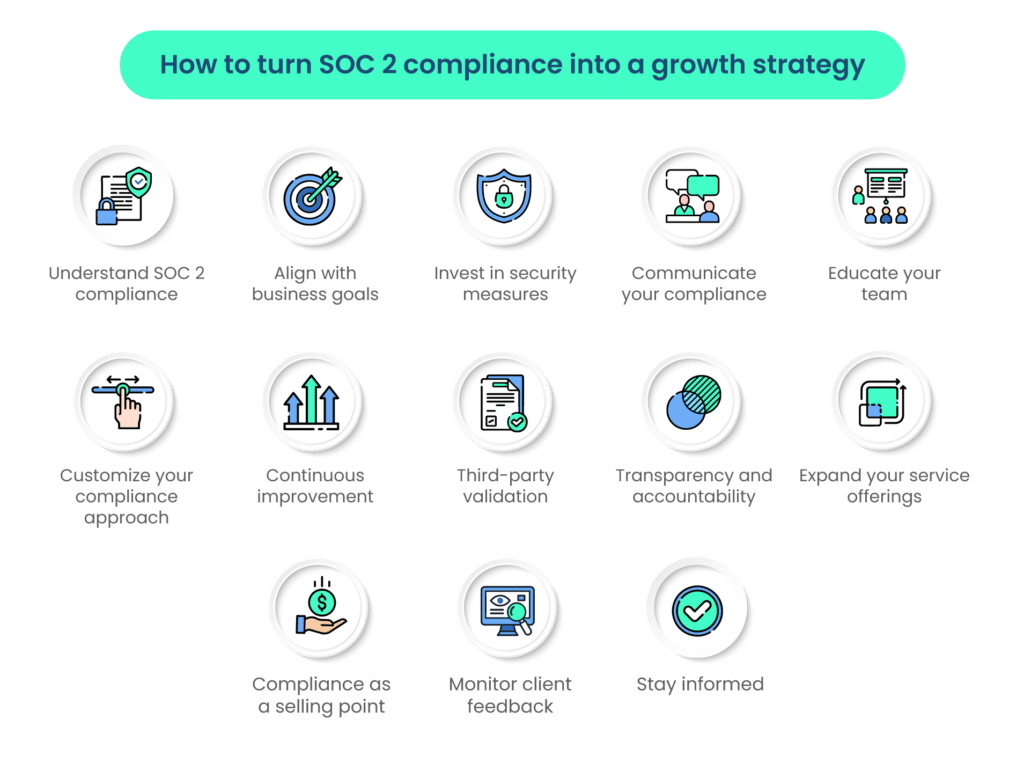
13 steps to turn SOC 2 compliance into a growth strategy

Turning SOC 2 compliance into a growth strategy can be a smart move, as it demonstrates to your customers and partners that you take data security and privacy seriously. Here are steps to help you leverage SOC 2 compliance for business growth:

1. Understand SOC 2 compliance

Ensure that you thoroughly understand what SOC 2 compliance entails. SOC 2 (Service Organization Control 2) focuses on controls related to security, availability, processing integrity, confidentiality, and privacy of customer data. It’s essential to grasp the requirements and how they apply to your organization.

2. Align with business goals

Integrate SOC 2 compliance into your business strategy. Determine how compliance can align with your growth objectives, such as expanding into new markets, attracting larger clients, or entering regulated industries.

3. Invest in security measures

Strengthen your security posture. While achieving SOC 2 compliance is a significant step, the real value lies in implementing robust security measures to protect your data and your customers’ data. This can help you differentiate your business from competitors.

4. Communicate your compliance

Market your SOC 2 compliance as a competitive advantage. Highlight this certification on your website, in marketing materials, and during sales pitches. Emphasize that you take data security and privacy seriously, which can build trust with potential clients and partners.

5. Educate your team

Ensure that your employees understand the importance of SOC 2 compliance and their role in maintaining it. Provide training and resources to help them adhere to compliance requirements.

6. Customize your compliance approach

Tailor your SOC 2 compliance efforts to meet the specific needs and expectations of your clients and industry. Different clients may have varying requirements and concerns, so being flexible can help you attract a broader client base.

7. Continuous improvement

SOC 2 compliance is an ongoing process. Regularly review and update your security policies and practices to stay current with evolving threats and technology. Demonstrating a commitment to continuous improvement can enhance your reputation.

8. Third-party validation

Consider third-party security audits or penetration testing to validate your security measures. These can provide additional assurance to clients and prospects.

9. Transparency and accountability

Be transparent about your security practices and how you handle data breaches or incidents. Demonstrating accountability and a proactive approach to security issues can further enhance trust.

10. Expand your service offerings

Use SOC 2 compliance to expand your service offerings. If your competitors aren’t SOC 2 compliant, you may gain a competitive edge by offering secure data processing and storage solutions.

11. Compliance as a selling point

Emphasize SOC 2 compliance when targeting clients or industries with strict data security requirements, such as healthcare, finance, or government. Your compliance can make you an attractive choice for these clients.

12. Monitor client feedback

Collect feedback from clients and partners on how SOC 2 compliance has positively impacted their experience working with your company. Use these testimonials to build trust with new clients.

13. Stay informed

Keep up with changes in data security regulations and compliance standards. Adapt your strategy accordingly to maintain and leverage your compliance efforts effectively.

In summary, SOC 2 compliance can be a powerful tool for business growth when integrated strategically. It not only provides a competitive advantage but also helps build trust and credibility in an increasingly data-conscious business environment.

Conclusion

The SOC 2 report is useful for all parties, including your organization, your customers, your suppliers, and your shareholders, to prove that you are following the five principle requirements of the standard. The five requirements – security, availability, processing integrity, confidentiality, and privacy help the organization in protecting its cyber assets. Make sure to apply the 13 steps we listed to turn SOC 2 compliance into a growth strategy for your organization.

Scrut Automation is a one-stop shop for compliance. Our software provides the fastest solution for achieving and maintaining SOC 2 compliance, making it an ideal choice for busy startups. Schedule your demo today to see how it works.

FAQs

1. What is SOC 2 compliance?

SOC 2 compliance is a standard for data security and privacy developed by the American Institute of Certified Public Accountants (AICPA). It requires organizations to demonstrate their ability to protect customer data and ensure the privacy, security, availability, and processing integrity of that data.

2. How can organizations ensure SOC 2 compliance?

Organizations must follow all the requirements of the SOC 2 standard for its information security and privacy practices. A qualified third-party auditor will test the organization’s posture against the standard’s requirements and certify the organization.

3. What are the benefits of SOC 2 compliance?

If a service provider has a SOC 2 certification, it can earn the trust of its customers easily. Its overall cybersecurity posture will improve, and it will face a competitive advantage in the market.

Authored by

Aayush Ghosh Choudhary
Co-founder & CEO at Scrut

How to map HIPAA to ISO 27001?

In the complex landscape of healthcare data security, two key frameworks, the Health Insurance Portability and Accountability Act (HIPAA) and the International Organization for Standardization’s ISO 27001, play pivotal roles in safeguarding sensitive information. 

HIPAA, a U.S. legislation, specifically addresses the protection and privacy of health information, while ISO 27001 is a globally recognized standard for information security management systems.

Healthcare organizations often face the challenge of navigating the intricate web of regulatory requirements, with the Health Insurance Portability and Accountability Act (HIPAA) addressing specific healthcare concerns and ISO 27001 providing a more comprehensive framework for information security. The problem lies in the potential misalignment of these two crucial standards. Failing to bridge the gap between the specificity of HIPAA and the broader scope of ISO 27001 can lead to inefficiencies in compliance efforts, leaving organizations vulnerable to security threats and regulatory lapses.

This blog explores the need to map your HIPAA data to ISO 27001 and delves into the intricacies of this mapping process.

Understanding HIPAA and ISO 27001: Foundations for compliance and security

The Health Insurance Portability and Accountability Act (HIPAA) stands as a cornerstone in the protection of healthcare data. HIPAA’s primary focus lies in safeguarding the privacy and security of patient information. 

Key requirements include the establishment of safeguards for electronic protected health information (ePHI), stringent access controls, the implementation of audit controls, and the development of contingency plans to ensure data availability in emergencies. 

Additionally, HIPAA mandates regular risk assessments, ensuring that healthcare organizations systematically identify and address potential vulnerabilities, fortifying their overall security posture.

Healthcare organizations strategically map HIPAA PHI to create a comprehensive HIPAA heat map, ensuring a nuanced understanding of data flows and vulnerabilities within their compliance landscape.

Overview of ISO 27001 standards: A global perspective on information security

ISO 27001, on the other hand, offers a comprehensive and globally recognized framework for information security management systems (ISMS). The standard is not industry-specific, making it adaptable to various sectors, including healthcare. 

ISO 27001 encompasses a risk-based approach, emphasizing the identification, assessment, and management of risks to information security. It delineates a set of controls across various domains, including information security policies, human resource security, physical and environmental security, and incident management. ISO 27001’s strength lies in its adaptability, providing a versatile structure applicable to organizations of all sizes and industries.

Harmonizing HIPAA and ISO 27001: Bridging specificity with universality

Understanding HIPAA and ISO 27001 is essential for healthcare organizations seeking to navigate the intricacies of compliance and data security. While HIPAA offers targeted guidelines for safeguarding health information, ISO 27001 provides a broader, internationally recognized approach to securing information in general. The challenge lies in aligning these two frameworks effectively, leveraging the specificity of HIPAA while benefiting from the universal applicability and adaptability of ISO 27001.

Importance of mapping both frameworks for healthcare organizations

In the dynamic arena of healthcare, where data security is paramount, the intersection of the Health Insurance Portability and Accountability Act (HIPAA) and the International Organization for Standardization’s ISO 27001 holds immense significance for healthcare organizations. 

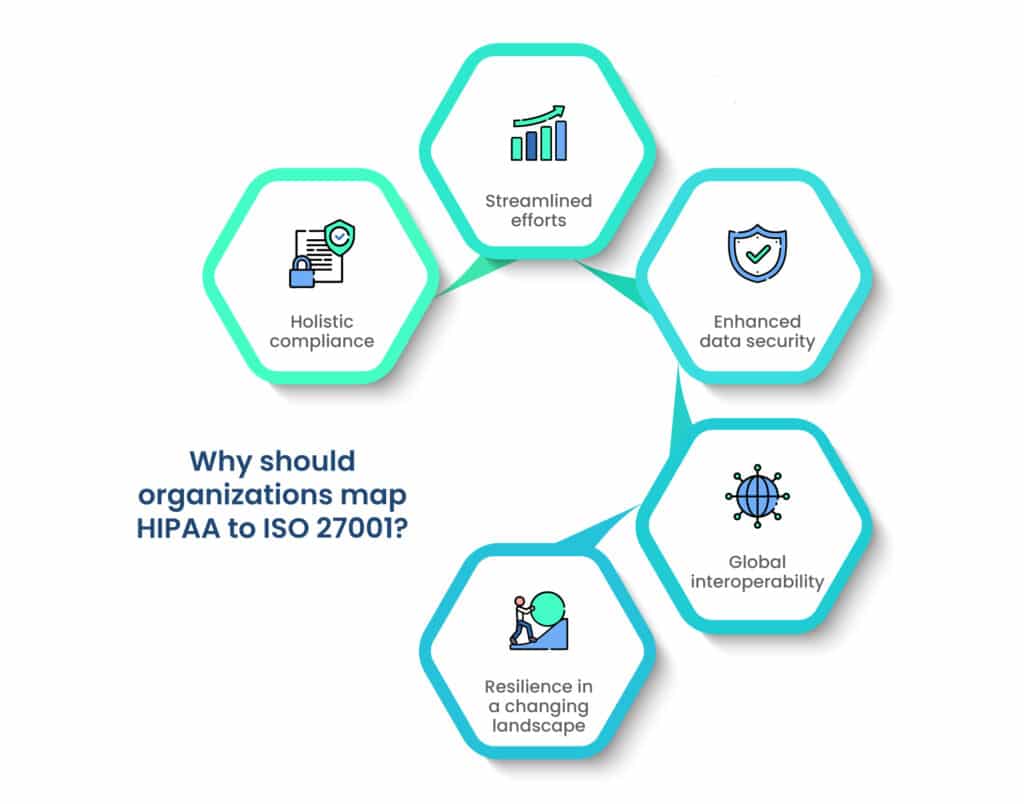
The unique challenges posed by the healthcare sector require a meticulous approach to compliance and data protection. Here’s why mapping both frameworks is crucial:

1. Holistic compliance

HIPAA outlines specific regulations tailored to the healthcare industry, while ISO 27001 provides a more comprehensive and globally recognized set of standards. Mapping both frameworks ensures that healthcare organizations not only meet industry-specific requirements but also adhere to broader international best practices in information security, fostering a holistic compliance approach.

2. Streamlined efforts

Healthcare entities often deal with a multitude of regulations. Mapping HIPAA to ISO 27001 allows organizations to streamline their compliance efforts by identifying commonalities, avoiding redundancy, and creating a unified strategy. This strategic alignment simplifies the compliance landscape, making it more manageable for healthcare professionals.

3. Enhanced data security 

While HIPAA focuses on healthcare data, ISO 27001 offers a broader perspective on information security. By mapping these frameworks, organizations can enhance their overall data security measures. This not only protects patient information but also fortifies against evolving cyber threats, creating a robust security posture.

4. Global interoperability

In an interconnected world, healthcare organizations often collaborate on an international scale. ISO 27001, being an internationally recognized standard, facilitates global interoperability. Mapping to ISO 27001 ensures that healthcare entities can seamlessly integrate with partners worldwide, aligning their security practices with a universally accepted framework.

5. Resilience in a changing landscape

The healthcare industry is no stranger to regulatory changes and evolving security challenges. Mapping HIPAA to ISO 27001 provides a proactive approach, offering organizations the flexibility to adapt to changes efficiently. This resilience is critical in safeguarding sensitive healthcare data amid the ever-shifting landscape of technology and regulations.

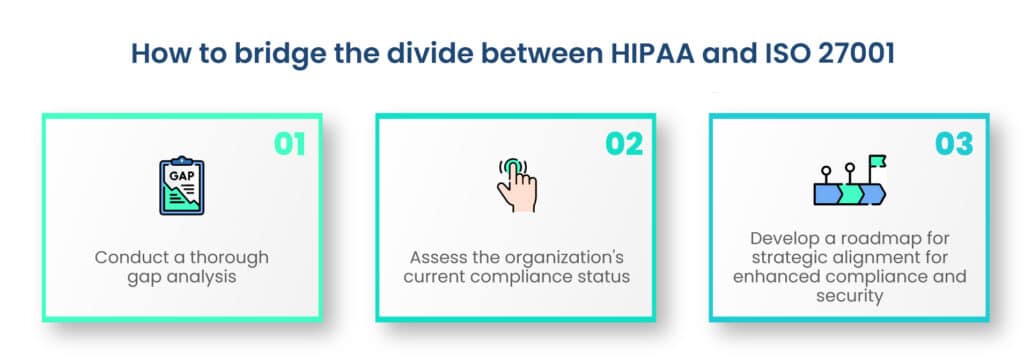
Bridging the divide between HIPAA and ISO 27001

1. Conduct a thorough gap analysis

Before healthcare organizations embark on the journey of mapping HIPAA to ISO 27001, a comprehensive gap analysis is imperative. This strategic process involves a meticulous examination of the existing security measures and practices against the requirements outlined in both frameworks. 

By scrutinizing the specifics of HIPAA alongside the broader provisions of ISO 27001, organizations can identify the gaps that need attention. This analysis is not merely a checklist exercise but a nuanced exploration, uncovering where the specific requirements of healthcare data protection intersect with the more comprehensive controls defined by ISO 27001.

2. Assess the organization’s current compliance status

Understanding where an organization stands in terms of compliance is fundamental. The gap analysis serves as a diagnostic tool to assess the current state of compliance with both HIPAA and ISO 27001. It involves evaluating existing policies, procedures, and technical controls against the detailed requirements of each framework. This assessment provides a clear picture of the organization’s strengths and weaknesses, highlighting areas that require immediate attention and those that align well with the standards. The insights gained from this assessment lay the groundwork for a targeted and effective mapping strategy.

3. Develop a roadmap for strategic alignment for enhanced compliance and security

By conducting a thorough gap analysis and assessing the current compliance status, healthcare organizations gain a roadmap for strategic alignment. The identified gaps serve as focal points for action, guiding the organization to bridge the divide between HIPAA and ISO 27001. 

This strategic alignment not only ensures compliance with specific healthcare regulations but also positions the organization to meet the broader and evolving challenges of information security. 

Building a cross-functional team: Synergizing expertise for successful alignment

Mapping HIPAA to ISO 27001 is not a task for a singular department; it requires a collaborative effort across key functions within an organization. The synergy between the information technology (IT), legal, and compliance departments is pivotal for a successful alignment. 

Each department brings unique expertise to the table: IT ensures technical implementation, legal navigates the regulatory landscape, and compliance oversees adherence to standards. 

The collaboration among these departments ensures a well-rounded and comprehensive understanding of both HIPAA and ISO 27001 requirements. This holistic approach mitigates the risk of oversight, fostering a more robust and effective mapping strategy.

1. Establishing roles and responsibilities within the team

Clarity in roles and responsibilities is a cornerstone of a successful mapping initiative. In building a cross-functional team, it is essential to clearly define the roles each department will play. 

The IT department takes charge of technical implementations, ensuring that security controls align with both frameworks. Legal experts navigate the legal intricacies, interpreting and translating regulatory requirements into actionable steps. 

The compliance department oversees the overall adherence to standards and ensures that policies and procedures align with the mapped controls. Establishing these roles and responsibilities not only streamlines the mapping process but also ensures that the organization benefits from a diverse range of perspectives, fostering a more robust and resilient security posture.

2. The power of cross-functional collaboration

A well-established cross-functional team serves as the linchpin in the successful mapping of HIPAA to ISO 27001. By leveraging the expertise of IT, legal, and compliance departments, organizations can navigate the complexities of compliance and security, ensuring that both healthcare-specific and internationally recognized standards are effectively addressed.

Mapping HIPAA requirements to ISO 27001 controls: Crafting a cohesive security framework

Mapping the intricate landscape of HIPAA requirements to ISO 27001 controls is a nuanced process that demands precision and a granular understanding of each framework. 

1. Detailed mapping process for key HIPAA provisions to ISO 27001 controls

Begin by identifying corresponding controls in ISO 27001 for key HIPAA provisions.

Conduct a line-by-line analysis, ensuring that each requirement finds its counterpart in ISO 27001. This meticulous mapping process is not just about equivalence but about understanding the intent behind each provision and aligning it with the broader controls of ISO 27001.

2. Creating a structured framework for alignment

With the detailed mapping in place, the next step is to synthesize these findings into a structured framework. Develop a mapping document or matrix that clearly outlines how each HIPAA requirement corresponds to the relevant ISO 27001 control. 

This document serves as a guiding roadmap for implementing security measures that simultaneously satisfy both sets of standards. A structured framework not only aids in the implementation phase but also becomes a valuable resource for audits and continuous monitoring, ensuring ongoing alignment and compliance.

3. Harmonizing specificity and universality

The essence of mapping HIPAA to ISO 27001 lies in harmonizing the specificity of healthcare regulations with the universal principles of information security. This process goes beyond a checkbox exercise; it involves understanding the nuances of each standard and creating a cohesive framework that not only meets the letter of the law but also aligns with the spirit of security best practices.

Utilizing automation tools: Streamlining the mapping process for long-term success

Navigating the intricate process of mapping HIPAA to ISO 27001 demands efficiency and accuracy. Here, the integration of automation tools emerges as a key strategy to streamline this complex task. These tools are designed to facilitate the identification and mapping of controls, ensuring a more efficient and error-resistant process. By automating repetitive tasks and providing structured frameworks, these tools empower organizations to focus on strategic decision-making rather than getting bogged down in manual, time-consuming processes.

1. Benefits of automation in maintaining alignment over time

The advantages of incorporating automation into the mapping process extend beyond the initial implementation phase. Automation tools contribute significantly to maintaining alignment over time. They provide a dynamic mechanism for tracking changes in both HIPAA and ISO 27001 requirements, automatically updating the mapping framework as needed. This proactive approach ensures that organizations stay current with evolving regulations and standards, fostering a continuous state of compliance. Additionally, automation aids in regular monitoring and reporting, offering insights into the effectiveness of implemented controls and identifying areas that may require adjustments.

2. Efficiency, accuracy, and adaptability

The utilization of automation tools not only expedites the mapping process but also enhances the accuracy of the alignment. With real-time updates and built-in validation mechanisms, these tools reduce the risk of human error and ensure that the mapping remains precise and reflective of the latest regulatory changes. 

Moreover, as both HIPAA and ISO 27001 are dynamic frameworks subject to updates, automation provides an adaptable solution that can seamlessly accommodate modifications, guaranteeing a resilient and future-proof mapping strategy.

Continuous monitoring and updates: Safeguarding compliance in a dynamic landscape

Sustaining compliance is not a one-time effort but a continuous journey that requires vigilant oversight. Continuous monitoring serves as the cornerstone for maintaining the alignment of HIPAA and ISO 27001 over time. 

Regularly assessing the effectiveness of implemented controls ensures that the security posture remains robust and that any deviations from compliance are promptly identified. 

Continuous monitoring not only safeguards against potential threats but also provides valuable insights for refining security strategies, adapting to emerging risks, and demonstrating a steadfast commitment to data protection.

1. Regular updates to the mapping process in response to changes

In the ever-evolving landscape of healthcare regulations and information security, change is constant. To ensure the continued relevance of the mapping between HIPAA and ISO 27001, organizations must institute a system for regular updates. This involves staying attuned to changes in regulations, be it updates to HIPAA provisions or revisions to ISO 27001 standards.

Equally important is the responsiveness to shifts in the organization’s structure, ensuring that the mapping aligns seamlessly with any modifications in processes, personnel, or technological infrastructure. Regular updates not only maintain compliance but also foster an agile and adaptive approach to security.

2. Striking a balance: Proactive compliance and agility

Continuous monitoring and regular updates strike a delicate balance between proactive compliance and organizational agility. By establishing a robust monitoring system, organizations not only ensure that they meet current standards but also position themselves to swiftly adapt to future changes. 

This dynamic approach not only safeguards against non-compliance risks but also instills a culture of constant improvement, aligning security measures with the evolving needs of the healthcare industry and the broader information security landscape.

Ensuring resilience: Navigating regulatory changes and security threats

In the ever-changing realm of healthcare and information security, ensuring resilience is paramount. Regulatory landscapes evolve, and new security threats continually emerge. 

To navigate this dynamic environment, organizations must remain agile in adapting their security measures to align with the latest regulatory requirements. Staying informed about changes to HIPAA and ISO 27001, as well as broader industry trends, positions organizations to proactively address evolving challenges. 

This adaptability not only preserves compliance but also establishes a resilient foundation capable of withstanding the uncertainties inherent in the digital landscape.

1. Strategies for maintaining a resilient security posture

Maintaining a resilient security posture involves a multifaceted approach. First and foremost, organizations should foster a culture of continuous learning and improvement, ensuring that their security measures evolve alongside regulatory changes. 

Regular risk assessments play a crucial role in identifying vulnerabilities and proactively addressing emerging threats. Engaging in threat intelligence sharing and industry collaboration enables organizations to stay ahead of potential risks. 

Additionally, investing in robust incident response plans and cybersecurity training ensures that the organization is well-prepared to mitigate the impact of security incidents promptly.

2. Embracing a proactive mindset: Future-proofing security measures

To truly ensure resilience, organizations should adopt a proactive mindset. This involves anticipating future changes in regulations and emerging threats and aligning security measures accordingly. 

By embracing innovative technologies, such as artificial intelligence and machine learning, organizations can augment their ability to detect and respond to evolving security challenges. 

Furthermore, actively participating in industry forums, attending conferences, and engaging with regulatory updates positions organizations at the forefront of industry best practices, fostering a resilient security posture that is not just reactive but anticipatory.

Audits and compliance maintenance: Upholding alignment through vigilant oversight

Regular audits stand as a cornerstone in the maintenance of alignment between HIPAA and ISO 27001. Conducting systematic assessments at defined intervals allows organizations to verify the effectiveness of implemented controls, ensuring that the mapping remains accurate and that security measures align with both frameworks. 

Audits serve as a proactive mechanism for identifying any deviations from compliance standards, offering insights into potential areas of improvement, and assuring that the organization’s security posture aligns with the evolving landscape of healthcare regulations and information security.

1. Strategies for addressing any deviations or updates needed

In the aftermath of audits, addressing identified deviations or needed updates becomes a crucial phase in compliance maintenance. Organizations should establish clear protocols for remediation, outlining steps to rectify any non-compliance issues swiftly. 

This process involves not only correcting immediate discrepancies but also analyzing the root causes to implement preventive measures. Moreover, organizations should ensure that these remediation strategies align with the broader security goals, facilitating a cohesive and integrated approach to compliance and data protection.

2. Fostering a culture of continuous improvement

Beyond mere correction, audits and compliance maintenance should be viewed as opportunities for continuous improvement. By embracing a culture of learning from audit findings, organizations can refine their security strategies, enhance control effectiveness, and fortify their overall compliance posture. 

This iterative process ensures that the organization not only meets regulatory requirements but also strives for excellence in data protection, staying ahead of emerging threats and industry best practices.

Wrapping up: Embracing a secure future through aligned compliance

In the complex landscape of healthcare data security, the meticulous mapping of HIPAA to ISO 27001 emerges as a strategic imperative. Through the journey of understanding, mapping, and continuous maintenance, organizations not only ensure compliance with industry-specific regulations but also fortify their information security posture on a global scale. 

The harmonization of these frameworks fosters resilience, adaptability, and a proactive mindset in the face of evolving regulatory landscapes and emerging security threats. 

As we conclude this exploration, we invite you to take the next step in securing your organization’s compliance journey. Contact Scrut to embark on a comprehensive and tailored approach to healthcare compliance.

Frequently Asked Questions

1. Why is it important to map HIPAA to ISO 27001?

Mapping HIPAA to ISO 27001 is crucial for organizations in the healthcare sector as it allows them to align regulatory requirements with internationally recognized information security standards. This integration enhances overall data protection, streamlines compliance efforts, and fosters a robust security framework.

2. What are the key differences between HIPAA and ISO 27001?

HIPAA is a specific regulation focused on protecting healthcare data, while ISO 27001 is a broader international standard for information security management. Understanding these differences is vital for organizations aiming to harmonize the specific requirements of HIPAA with the comprehensive approach of ISO 27001.

3. How can organizations streamline the mapping process?

Streamlining the mapping process involves conducting a thorough gap analysis, leveraging existing security measures, and creating a detailed compliance plan. Automation tools and collaboration among different departments can further enhance efficiency in aligning HIPAA with ISO 27001.

4. What benefits can organizations expect from successfully mapping these standards?

Successfully mapping HIPAA to ISO 27001 brings several benefits, including improved data security, enhanced risk management capabilities, increased interoperability with global partners, and a more holistic approach to compliance. It demonstrates a commitment to both regulatory requirements and international best practices.

5. Are there common pitfalls to avoid during the mapping process?

Yes, common pitfalls include overlooking specific nuances in each framework, neglecting the importance of employee training, and underestimating the complexity of mapping. Organizations should carefully navigate these challenges by staying informed, seeking expert guidance, and continuously reassessing their compliance strategies.

Authored by

Aayush Ghosh Choudhary
Co-founder & CEO at Scrut

All you need to know about information security frameworks

As technology continues to advance, global consumers now have the convenience of purchasing goods from anywhere in the world, all from the comfort of their homes. A  McKinsey survey revealed that 46% of consumers make online purchases weekly, and 53% of respondents express a preference for organizations known for safeguarding customer data. However, how can an average person be certain that an organization is truly protecting their data? The solution lies in compliance certification through information security frameworks.

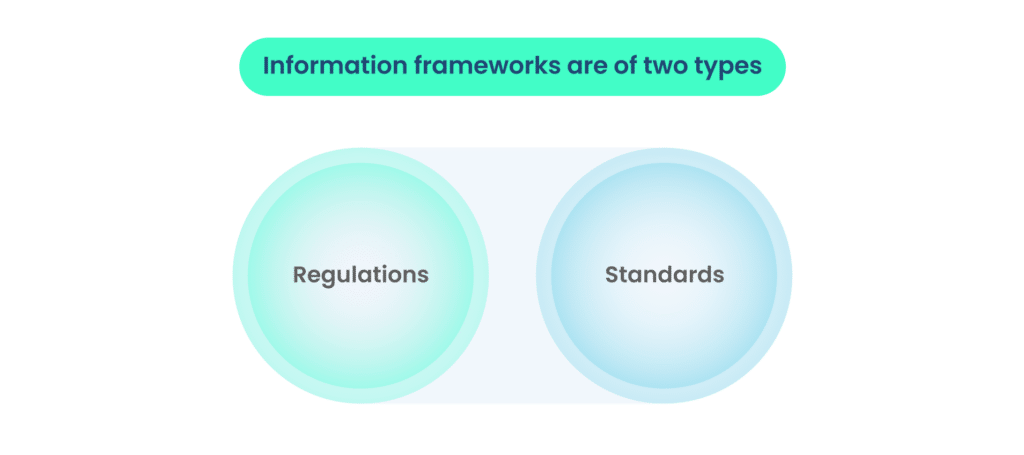
A compliance framework provides a set of rules and guidelines to be followed by organizations to strengthen their information security posture. Information frameworks are of two types – regulations and standards. In this article, we will learn about some of the most used information security frameworks. 

What is an information security framework?

Information security frameworks are documented policies and procedures that are implemented to manage risk and reduce vulnerabilities of information. The framework defines specific tasks to be performed by the organization for its security. Frameworks also help you achieve successful information security audit certification in compliance and other IT fields. 

Some frameworks are location-specific, and some are industry-specific. Organizations can also have their own security frameworks. Different information security frameworks often overlap as their goals are similar. 

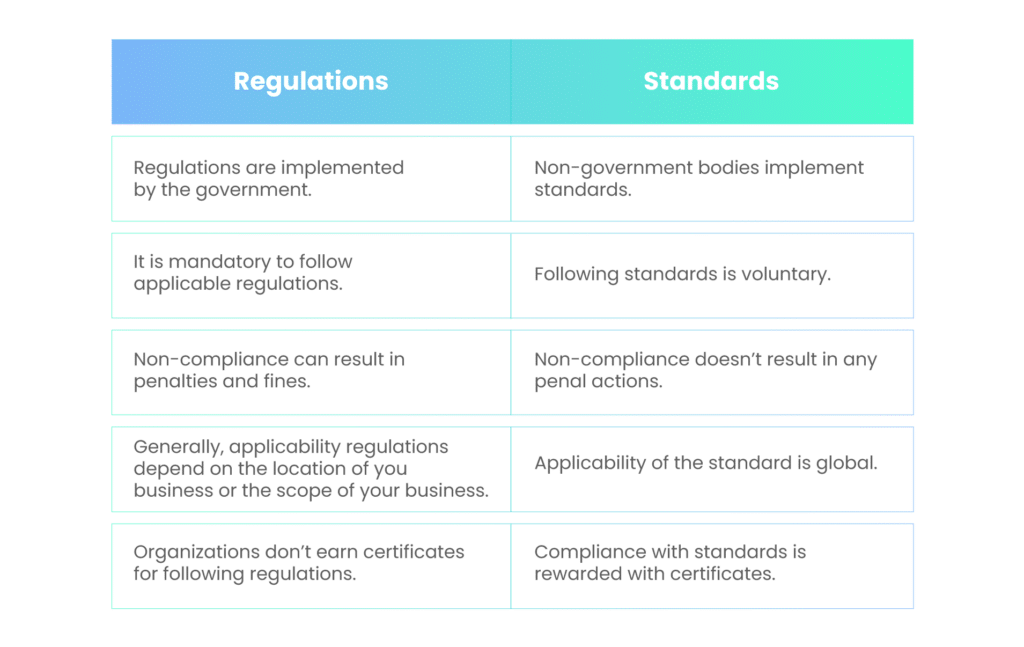
What is the difference between regulations and standards?

Information security frameworks are either regulations or standards, as we discussed earlier. Here is how they differ from each other:

Prominent regulations

General Data Protection Regulation (GDPR)

If you are collecting, processing, transferring, or storing the data of European Union citizens and the European Economic Area, then you should follow GDPR regulations. GDPR is an imperative part of European privacy law. It is considered one of the toughest privacy laws in the world. 

Controls for prohibiting illegal access to stored data and access control methods such as least privilege, role-based access, and multifactor authentication are all required under GDPR. It also includes protecting data in transit.

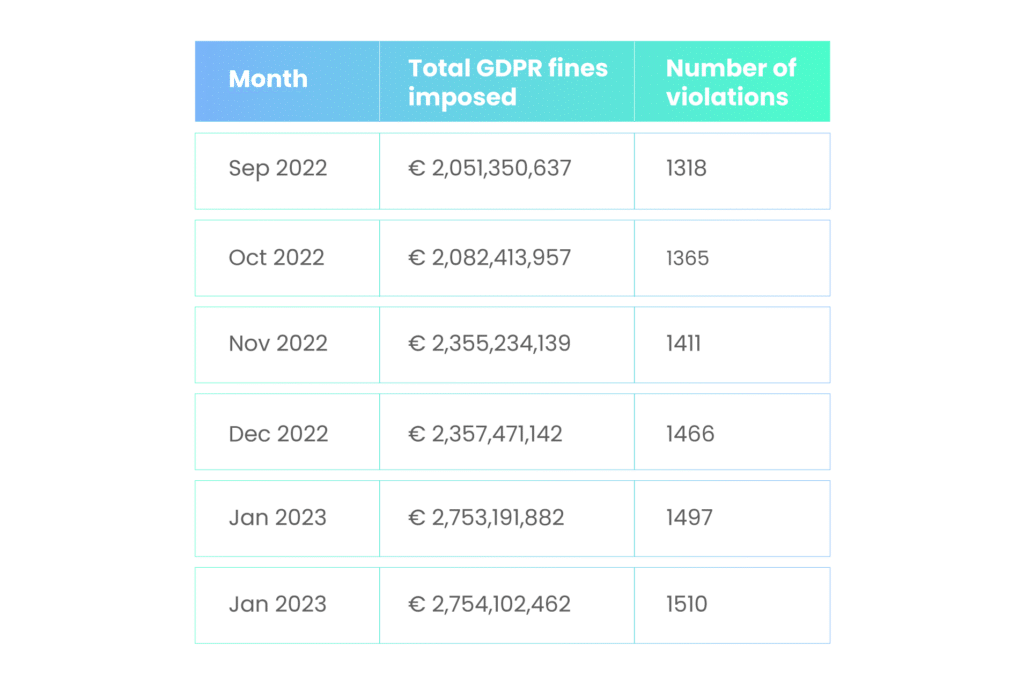
GDPR is a regulatory framework, meaning that organizations failing to adhere to its requirements may face legal repercussions and financial penalties. The monthly breakdown of GDPR fines is as follows:

The Health Insurance Portability and Accountability Act (HIPAA)

The HIPAA is a federal law by the United States government that requires the creation of a national standard to protect the personal health information (PHI) of patients from being disclosed without their consent.

The data subjects are the people whose information is processed. Data subjects have the right to access the information. The entities covered under HIPAA are required to disclose the PHI to the individual within 30 days of the request. Such entities include healthcare clearinghouses, employer-sponsored health plans, health insurers, and medical service providers that engage in certain transactions.

Additionally, the act mandates that if there is a legal necessity for the disclosure of PHI in cases related to reporting child abuse, the information must be shared with state child welfare agencies.

HIPAA violations are categorized into four distinct groups, which form the basis for the penalty structure, as outlined below:

Tier 1: A violation that the covered entity was unaware of and could not have realistically avoided had a reasonable amount of care been taken to abide by HIPAA Rules

Tier 2: A violation that the covered entity should have been aware of but could not have avoided even with a reasonable amount of care (but falling short of willful neglect of HIPAA Rules)

Tier 3: A violation suffered as a direct result of “willful neglect” of HIPAA Rules in cases where an attempt has been made to correct the violation

Tier 4: A violation of HIPAA Rules constituting willful neglect, where no attempt has been made to correct the violation within 30 days

California Consumer Privacy Act (CCPA)/California Privacy Rights Act (CPRA)

CCPA is a statute for the state of California to enhance the privacy rights of its residents. The law gives the residents the right to:

  • Know that their personal information is collected
  • Know whether their personal information is sold or disclosed and to whom
  • Deny the sale of their personal data
  • Access to their personal data
  • Request the business to delete personal data previously collected
  • Not to be discriminated against for exercising their privacy rights

The CCPA is applicable to businesses if they satisfy any one of the following conditions:

  • Have a gross revenue of $25 million or more
  • Buy, receive, or sell personal data of 50,000 consumers or households or more
  • Earn more than half of its revenue from the sale of consumers’ personal data

Violation of the CCPA results in fines and penalties. 

The CPRA was introduced to strengthen the rights of the residents of California. It became fully effective on January 1, 2023, and the enforcement began on July 1, 2023. Data collected from January 1, 2022, is liable for compliance. This law will enhance the privacy rights of California residents. 

Prominent standards

Payment card industry Data security standard (PCI DSS)

The PCI/DSS is enforced by PCI Security Standard Council (PCI SSC). PCI SSC was established by American Express, Discover Financial Services, JCB International, MasterCard, and Visa Inc. on September 7, 2006, to handle the credit card data of major credit card companies. 

When merchants accept payment via credit card, they store, process, or transmit the cardholders’ data. PCI DSS was established to ensure that the merchants follow minimum levels of security and is accepted worldwide.

The validation process is carried out yearly or quarterly, depending on the volume of transactions handled. There are three types of assessments:

  • Self-assessment questionnaire (SAQ)
  • Firm-specific internal security assessor (ISA)
  • External qualified security assessor (QSA)

International Organization for Standardization/International Electrotechnical Commission (ISO/IEC) 27000 series

ISO 27001 is an international standard for information security, while ISO 27002 is the supporting standard for the implementation of information security controls. It is applicable to all types and sizes of organizations. 

The standard establishes procedures and requirements for creating and maintaining information security management systems (ISMS). An efficient and effective ISMS can be helpful in audit and compliance activities. ISO doesn’t provide ISO certification; external auditors do. 

The ISO 27000 series has 60 standards covering a wide range of information security issues, such as:

  • ISO/IEC 27005 – Information technology – Security techniques – Information security risk management
  • ISO/IEC 27018 – Information technology – Security techniques – Code of practice for protection of personally identifiable information (PII) in public clouds acting as PII processors
  • ISO/IEC 27033 – Information technology – Security techniques – Network security 
  • ISO/IEC 27036 – Information technology – Security techniques – Information security for supplier relationships
  • ISO/IEC 27040 – Information technology – Security techniques – Storage security
  • ISO/IEC 27050 – Information technology – Security techniques – Electronic discovery

SOC 2

SOC 2 was developed by the American Institute of CPA (AICPA). SOC 2 defines criteria for managing customer data based on five trust service principles:

  • Confidentiality
  • Integrity
  • Availability 
  • Privacy
  • Security

Just like ISO certification, SOC 2 certification is also provided by external auditors who verify the implementation of the standard in the organization. There are two types of SOC 2 reports:

  • Type I – evaluates the organization’s information security controls at a single point in time
  • Type II – evaluates the effectiveness of the organization’s information security controls over a period of time

Organizations can choose either type according to their requirements .

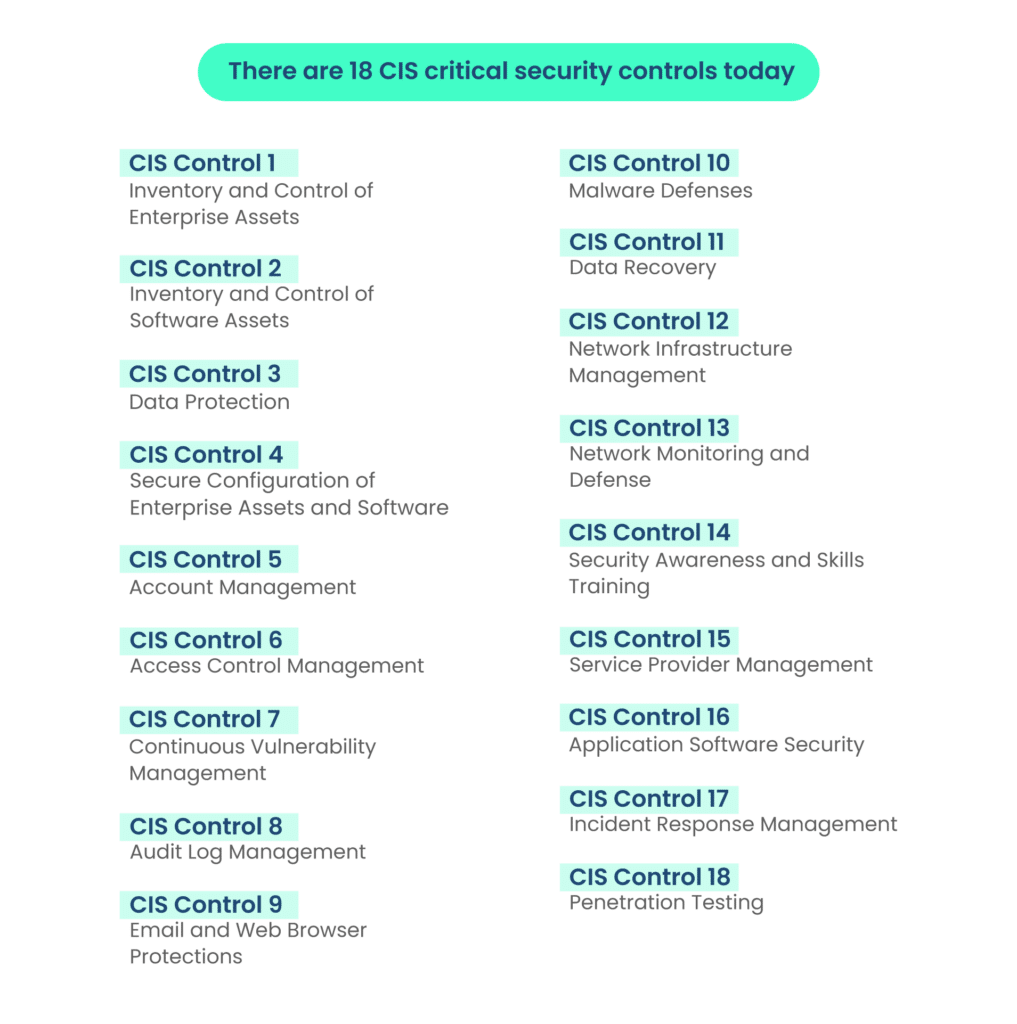
Center for internet security (CIS) Controls

The CIS controls were formerly known as the SANS critical security controls (SANS Top 20). There are 18 CIS critical security controls today:

NIST SP 800-53

NIST has over 1300 standard reference materials, and most compliance frameworks fall into the 800 category

NIST SP 800-53 is a framework used by organizations that don’t have the expertise or budget to build their own cybersecurity team, processes, and systems to protect their information systems. It is also used by federal government departments. It covers a majority of the risks faced by organizations.

This compliance standard needs to be met by federal information systems, agencies, and associated government contractors and departments that work with the government. It not only protects the information of the federal government departments but also ensures that the vendors they are dealing with adhere to a specific security standard. 

NIST SP 800-171

NIST SP 800-171 is for federal agencies working with non-federal agencies or companies. This may include contractors for the Department of Defense, universities and research institutions that receive federal grants, or organizations providing services to government agencies.

It defines the standards that must be followed by every organization working with the federal government to boost the cybersecurity of federal government information. It targets controlled unclassified information (CUI) for enhanced cybersecurity.

Although NIST SP 800-171 is not a regulation, it is mandatory for the contractors to follow it if they handle the information of the federal government. These organizations must conduct self-assessment to determine and maintain compliance with this standard.

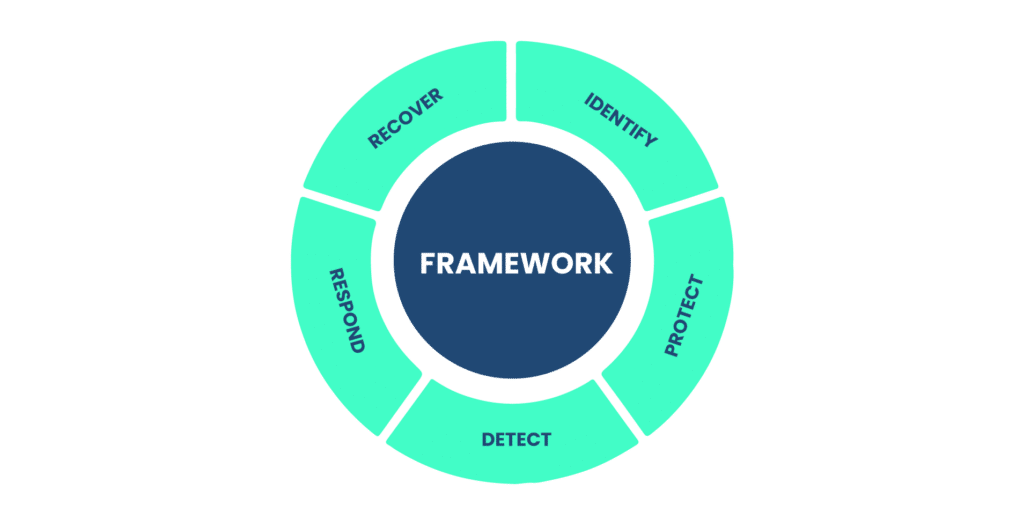
National Institute of Standard and Technology (NIST) cybersecurity framework

NIST cybersecurity framework is a set of guidelines for assessing and mitigating the cybersecurity risks of an organization. It is widely used across the globe by organizations and several governments and has been translated into many languages. One of the limiting factors for implementing the NIST cybersecurity framework is the significant investment required.

The framework is divided into three parts, namely: 

  • Core – contains a list of activities, outcomes, and references about aspects and approaches to cybersecurity
  • Profile – contains an array of the chosen outcomes from the categories and subcategories, based on its needs and risk assessments
  • Tiers – It defines how the organization views its cybersecurity risk and the degree of sophistication of its management approach

The following figure shows the functions and categories of cybersecurity activities according to NIST:

Winding up

The list of regulations and standards can go on and on. However, this is just a beginner’s guide to frameworks, and we have explained some of the most well-known ones. The purpose of compliance standards is to provide an outline to the organizations for better information security. In addition to compliance, organizations must have an in-house information security policy to strengthen their security posture.

Information security frameworks help prove to stakeholders that you are doing your bit to protect their data from unauthorized access. Visit Scrut Automation to learn more about compliance regulations and how to follow them.

FAQs

1. What are the two types of compliance frameworks?

The two types of information security compliance frameworks are regulations and standards.

2. What are the regulations in information security?

Regulations refer to the policies and procedures formed by the government that organizations must follow to maintain a secure information network.

3. What are the standards in the information security framework?

Standards are policies and procedures recommended by non-government agencies to ensure a robust compliance posture in the organizations that implement them.

Authored by

Aayush Ghosh Choudhary
Co-founder & CEO at Scrut

Role of information security in the changing Indian fintech landscape

India is the third-largest fintech ecosystem in the world after the USA and China. V. Anantha Nageswaran, Chief Economic Advisor of India, Ministry of Finance, Government of India, reported that India’s fintech market size was $31 billion in 2021 and is expected to reach $1 trillion by 2030. 

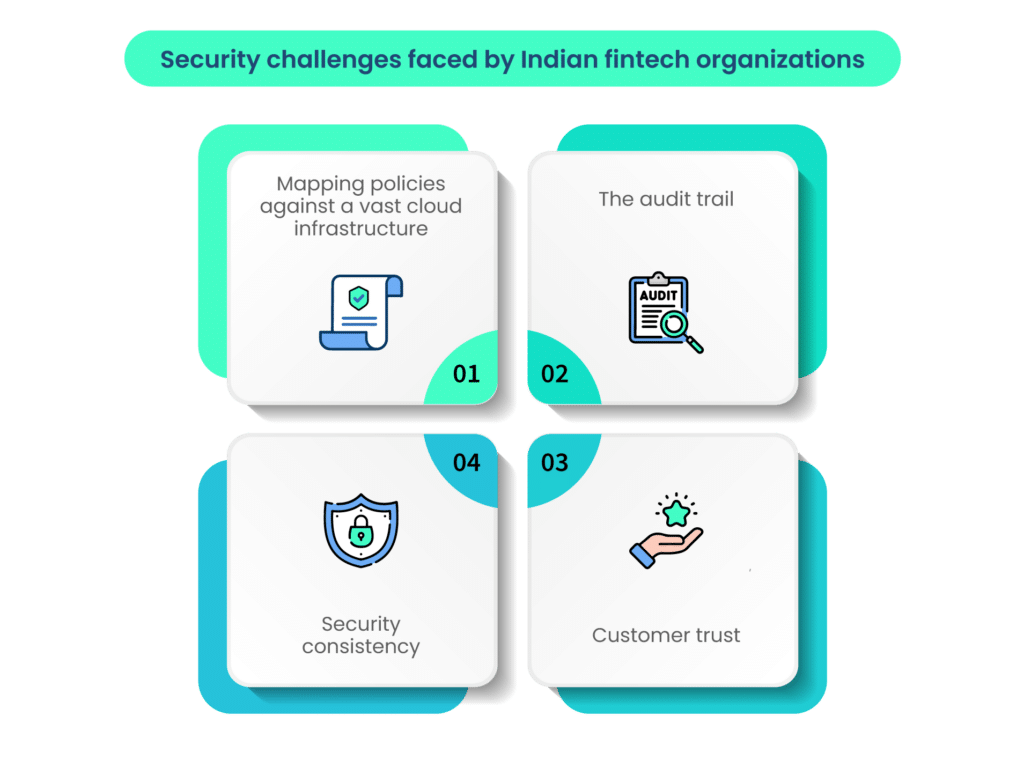
However, with the increasing market size comes the increased responsibility of securing the data and information of Indian residents. A data breach can cost not only the organization but also the nation as a whole, which is why the Indian government is creating stronger regulations and asking fintech to adapt to transparent operations. 

However, due to the high number of different regulations governing the Indian fintech industry, there is often an overlap between two or more regulations, adding to the already complex system. 

The introduction of new regulations is not helping the case either. It is rumored that the growth rate might take a hit due to the bottlenecks created by the different fintech regulations, as organizations might spend more time on regulatory paperwork than the development of their core offerings.

Let’s take a look at these regulations to understand how they are affecting the Indian Fintech ecosystem. 

Regulations governing India’s fintech systems

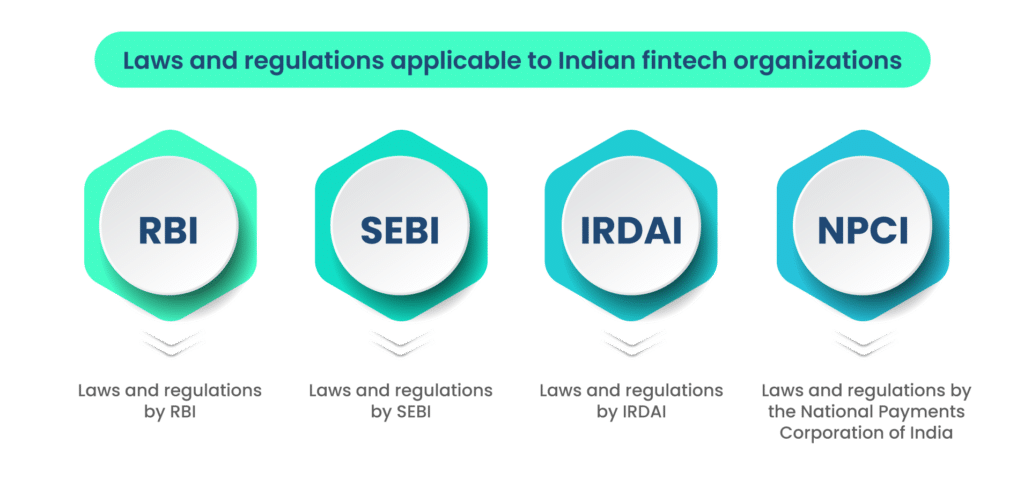
The principal regulators in India’s fintech market are the Reserve Bank of India (RBI), the Securities and Exchange Board of India (SEBI), the Insurance Regulatory and Development Authority of India (IRDAI), and the Pension Fund Regulatory and Development Authority (PFRDA). 

These regulators oversee aspects of the fintech sector, like data privacy, online transactions, payment gateways and aggregators, lending, and collection of deposits, offering insurance products and services, and trading securities and derivatives. 

The regulations and laws applicable to the Indian fintech sector are as follows: 

Laws and regulations by RBI

The following are the regulations by RBI:

  • Payment and Settlement Systems Act, 2007
  • Directions for opening and operations of accounts and settlement for payments for electronic payment transactions involving intermediaries, 2009
  • Guidance for licensing of payments banks, 2014 and operating guidance for payments bank, 2016
  • Circular on tokenization, 2019
  • Circular on the processing of e-mandate on cards for recurring transactions, 2019
  • Guidelines on the regulation of payment aggregators and payment gateways, 2020
  • Framework for recognition of self-regulatory organization for payment system operators, 2020
  • Master directions on prepaid payment instruments (MD-PPIs), 2021
  • Framework for scale-based regulation for non-banking financial companies (NBFCs), 2021

Laws and regulations by SEBI

  • Circular on mutual funds, 2021

Laws and regulations by IRDAI

  • Guidelines on insurance repositories and electronic issuance of insurance policies, 2015
  • Insurance regulatory and development authority of India (issuance of e-insurance policies) Regulations, 2016
  • Guidelines on insurance e-commerce, 2017

Laws and regulations by the National Payments Corporation of India (NPCI)

  • Various circulars on UPI transactions

The regulatory powers of all these financial authorities is vested in The International Finance Service Centers Authority (IFSCA), which was established under the International Finance Service Center Act, 2019 by the government of India. The primary function of the IFSCA is to regulate financial institutions, financial products, and services aimed toward fintech development. 

Guidelines for the growing Indian fintech sector 

Today, there are 4827 fintech startups in India, and there are estimated to be $1.3 trillion in fintech market opportunities by 2025 (INC42). 

The rising digital economy begs for newer regulations to keep security with progress. Sometimes with the ballooning of the organization, compliance with the guidelines becomes more difficult. Moreover, not following the RBI guidelines will result in financial repercussions. Some of the more prominent data localization laws are given below as an example to accentuate the complexity of the compliance standards. 

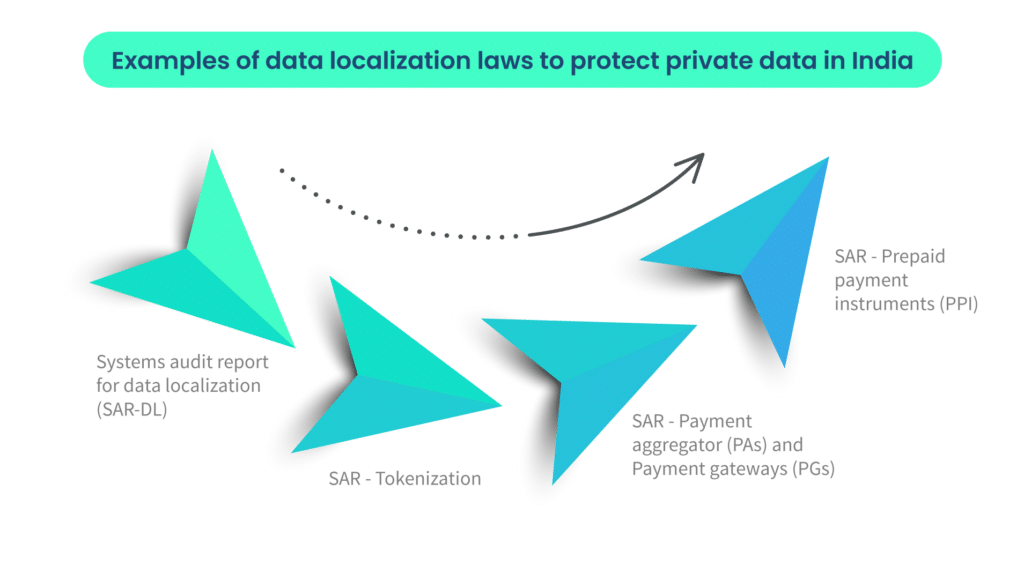
Data localization laws

Data localization laws are the laws and regulations that are designed to protect the sensitive information of clients. The three main acts that govern data localization laws in Indian fintech are as follows:

  • Section 94 of the Companies Act 2013, read with Sections 88 and 92, requires the company to store financial information at the registered office of the company.
  • RBI’s Directive 2017-18/153, issued under the Payment and Settlement Systems Act, 2007, requires the organizations covered under it to store payment records in India.
  • IRDAI requires covered organizations to store insurance data within India.

1. Systems audit report for data localization (SAR-DL)

The SAR and storage of payment system data is a mandatory compliance requirement by RBI  and NPCI guidelines to ensure appropriate security measures and data localization controls for storing payment-related information. The audit must be carried out by the Indian Computer Emergency Response Team (CERT-In) empanelled auditors who certify the completion of activities. 

The following are the factors that the auditor must report for the SAR-DL audit

  • Payment Data Elements
  • Transaction / Data Flow
  • Application Architecture
  • Network Diagram / Architecture
  • Data Storage
  • Transaction Processing
  • Activities subsequent to Payment Processing
  • Cross-Border Transactions
  • Database Storage and Maintenance
  • Data Backup & Restoration
  • Data Security
  • Access Management

The auditor will meticulously verify all the elements of the system vis-a-vis the RBI guidelines. In case of a lack of compliance in any section, the auditor will first inform the company management and offer solutions to ensure compliance. Once the issues are resolved, the auditor will supply the report to certify the reliability of the company’s information system.

2. SAR – Tokenization

The Reserve Bank of India has recently made tokenization mandatory for all credit and debit cards used for online transactions. Tokenization refers to replacing the credit card information with a code, known as a ‘token,’ which is a unique combination of the token requestor and the device. Tokenization of the card increases fintech security as the actual details of the card are not shared with the merchant. 

The cardholder sends the card details to the token requestor via their app, who will forward the request to the card network for payment. The card details are not shared with the vendor, so they are safe even if the vendor’s data is breached. Tokenization is completely free for the cardholder and is provided by the card issuer or authorized card network.

3. SAR – Payment aggregator (PAs) and Payment gateways (PGs)

RBI issued guidelines for PAs and PGs on March 31, 2021. These guidelines seek to regulate the activities of online PAs while providing basic technological recommendations for the PGs. The RBI has issued instructions on the security, fraud prevention, and risk management framework under these guidelines.

  • The PA needs to follow the global security standards, including Payment Card Industry-Data Security Standard (PCI-DSS) or Payment Application-Data Security Standard (PA-DSS) as applicable to them. PCI-DSS is the security standard developed to improve the security of credit/debit card payments. PA-DSS applies to third-party applications that store, process, or transmit payment cardholders’ data. It is a standard against which payment applications are tested, validated, and assessed. 
  • RBI disallows merchants to store payment data irrespective of their compliance with PCI-DSS. That said, the merchants are allowed to store limited data, in compliance with the security standards, for the purpose of payment tracking. 
  • The PAs are also not allowed to store client credit card data except for the purpose of payment tracking.
  • A standard system audit (SAR-PAPG), including a cybersecurity audit, must be carried out by a CERT-In empanelled auditor.

4. SAR – Prepaid payment instruments (PPI)

These guidelines by the RBI are designed to regulate prepaid payment instruments. The following are the security measures for PPI:

  • PPI issuers must establish adequate data security infrastructure and systems to detect and prevent fraud.
  • They must establish and implement a board-approved information security policy for the safety and security of its payment systems to mitigate identified risks. The PPI issuer must review the policy at least once a year, after a security breach or before/after major policy changes.
  • PPI issuers must establish a security framework to address security concerns for risk mitigation and fraud prevention. 
  • They should ensure that the authorized agents follow the same policies, if any.
  • PPI issuers must establish a system to monitor, handle, and respond to cybersecurity incidents. The same must be reported to DPSS, CO, RBI, Mumbai, and CERT-In immediately.   
  • They must also follow the relevant circulars as required.

Current security challenges that Indian fintech organizations face

While the RBI and other regulators are very clear on their requirements from the fintech organizations for data protection policies, it is not an easy task for them to follow. 

Let’s take a look at the current security challenges faced by fintech organizations and how they’re impacting overall growth. 

  1. Mapping policies against a vast cloud infrastructure: Several fintech organizations have a vast cloud infrastructure which makes it difficult for them to monitor and identify vulnerabilities. Following the security standards for the whole organization becomes difficult if it is handled in-house.
  1. The audit trail: With a vast cloud environment comes the need for a huge evidence repository. There are too many evidence artifacts for the management and the auditor to collect, review, and manage, making the process of auditing hectic and time-consuming. 
  1. Security consistency: Ensuring that security is not a one-time activity but an ongoing process is often difficult. Keeping the information actually secure and not just for the sake of compliance must be understood.
  1. Customer trust: Securing information can improve customer trust, and a security breach can ruin the same trust quite easily. Organizations today are spending too much time on complying with industry frameworks rather than following a holistic approach to infosec.

But despite these challenges, security is a top priority for organizations across the fintech industry, and they are taking solid steps to strike a balance between compliance and growth. How? By finding modern GRC solutions. 

Future Outlook for Information Security in Fintech

As mentioned earlier, keeping the organization secure is not a one-time activity; it involves continuous monitoring. 

The extensive efforts required for governance, risk, and compliance (GRC) call for a dedicated team – something not all organizations can deploy without affecting everyday operations. Hence, several fintech organizations are turning towards a modern approach to compliance, and rightfully so. 

A modern GRC platform can automate the strategic structure of the organization and can also help you with compliance audits by CERT-In empanelled auditors. It can keep your organization on track and keep you informed about the progress or issues with the organization’s compliance posture. 

Such platforms can help you keep track of the compliance that is relevant to your organization and educate you and your employees about the correct practices. At the same time, it streamlines and automates tasks such as evidence collection, policy creation, and employee awareness.

FAQs

1. What are the key regulators governing the Indian fintech industry?

Principal regulators include the Reserve Bank of India (RBI), the Securities and Exchange Board of India (SEBI), the Insurance Regulatory and Development Authority of India (IRDAI), and the Pension Fund Regulatory and Development Authority (PFRDA).

2. What are data localization laws, and how do they affect fintech companies?

Data localization laws mandate that sensitive data be stored within India. They impact fintech organizations by requiring them to adhere to strict storage and security standards.

3.  How are fintech organizations dealing with security challenges in the current landscape?

Fintech organizations are facing challenges like mapping policies against cloud infrastructure and maintaining security consistency. They are working to strike a balance between compliance and growth.

Authored by

Aayush Ghosh Choudhary
Co-founder & CEO at Scrut

SecuriTea Time Ep 4 | Cyber Roulette: Playing with Digital Risks

Greetings, everyone! We’re thrilled to welcome you to another riveting installment of the SecuriTea Time podcast.

Today, we have the honor of featuring Farshad Abasi, the mastermind behind Forward Security, headquartered in British Columbia. With a wealth of experience in software security, Farshad is a seasoned expert in the field.

SecuriTea Time is your ticket to exploring the captivating journeys of individuals in the realm of risk and compliance. Our guests come from diverse backgrounds, and I must say, delving into their narratives is both enjoyable and profoundly enlightening.

So, grab your favorite brew, and let’s prepare for a discussion that’s as invigorating as it is informative.

For the full podcast, click here.

Now, let’s get right into this exciting episode of SecuriTea Time. 

Nicholas Muy: Help us and our listeners learn a bit more about software security.

Farshad Abasi: Software security was often neglected given the traditional focus on network and infrastructure security. However, this has changed due to the advent of APIs and digital transformations. Nowadays, software is a prime target for cyberattackers, especially when it’s exposed beyond a company’s usual boundaries.

Nicholas Muy: Firewalls and infrastructure used to be the main concern for a long time. Today, software takes precedence over infrastructure for many companies, including ours, which is primarily a SaaS business. In the past, older infrastructure required more effort to secure. We use Cloudflare for our front-end WAF. This allows us to focus on areas that may not receive as much attention. What are the typical oversights in software security?

Farshad Abasi: The most significant challenge lies in the fact that security assessments for software are often conducted by professionals with a background in network and infrastructure security. Traditional penetration testing methods, effective for infrastructure, may not work well for new custom software that lacks known vulnerabilities. Many security vendors offer only traditional penetration testing and may not grasp the intricacies of software. This can lead to a false sense of security. To conduct a comprehensive software security test, you need to incorporate source code reviews, design reviews, threat modeling, and manual inspection. Fortunately, guidelines are emerging to encourage thorough software testing, aligning with OWASP recommendations.

Nicholas Muy: It seems there are various aspects to consider when it comes to software security, including manual review, scope testing, source code assessment analysis, threat modeling, and penetration testing. Given these multiple dimensions, is there any guidance on prioritizing among these, considering that not everyone may have the expertise to cover all aspects effectively? Additionally, how can organizations bridge the potential gap between developers and security engineers, who may specialize in different areas of software security?

Farshad Abasi: In terms of prioritizing the various aspects of software security, there are some key considerations. Design reviews and threat modeling are valuable, but they often require skill sets that may not be readily available within a development team. Efforts are underway to create tools that can simplify and democratize these processes, making them more accessible to developers. However, without such tools, options like Microsoft’s threat modeling tool may not be developer-friendly, as they can be time-consuming and produce confusing results.

Based on my experience in application security over the last 15 years, I’d say that, on average, an application typically has about 20-25 threat scenarios. These are not vulnerabilities themselves, but combinations of vulnerabilities that can be used to form an attack pathway. Design reviews tend to uncover around half of these threat scenarios in an average application, with the other half discovered through penetration testing.

Interestingly, high- and medium-risk issues are often found during design reviews, whereas penetration testing tends to identify medium- and low-risk vulnerabilities. This underscores the importance of design reviews in the software security process.

However, it’s worth noting that while design reviews are valuable, they do require a certain level of skill and expertise. Developers can be trained to conduct basic design reviews themselves, which can be particularly beneficial for addressing low-hanging fruit, as roughly 80% of security issues fall into this category. This mentorship and training approach can help developers become more capable of identifying and mitigating security risks within their code. 

Nevertheless, it’s essential to recognize that both security and software development are vast domains, and while developers can handle the basics, they may not be expected to reach the expertise level of a dedicated security professional. In those cases, subject-matter experts can still play a crucial role in addressing the remaining 20% of security challenges that developers may not be able to handle on their own.

 Nicholas Muy: What strategies can organizations adopt to integrate security seamlessly into their development processes, especially for those that may not have access to a dedicated security team? How can DevSecOps and the security champion model be effectively implemented to address the shortage of security professionals and empower development teams to take on security responsibilities?

Farshad Abasi: The aim is to make security an enabler rather than a blocker, especially considering the shortage of security professionals. The concept of DevSecOps is often misunderstood. DevSecOps is meant to be a cultural transformation that addresses the scarcity of security experts. It’s not about hiring a specific DevSecOps position; it’s about embedding security practices within your existing DevOps teams.

The idea is to enable your DevOps teams to transition into DevSecOps teams by focusing on people, processes, and technology, particularly with an emphasis on enablement. Instead of trying to hire security professionals for each team, you can appoint security champions within your development teams. These champions may not be security experts, but individuals interested in security. They can allocate a portion of their time to learn about and work on security. In this way, they represent security within their teams.

For larger enterprises, the security champion model can scale effectively. For example, in a scenario with a limited internal AppSec team, you can use a third-party supplier like us to support your security champions. The federated model works well to ensure that security is integrated at every level.

To make this approach effective, it’s crucial to empower your development teams. Provide them with the knowledge and tools to perform basic security tasks, such as threat modeling and code analysis. Security activities should be integrated into development lifecycles, whether you’re following Waterfall, Agile, or DevOps. For instance, during design phases, conduct security design reviews, and when writing user stories, perform threat modeling. In coding phases, run code analysis. The key is to adapt these activities to your sprint cycles, ensuring they become a habitual part of your development process.

Nicholas Muy: What strategies can small and medium-sized companies adopt to efficiently address application security without the need for full-time AppSec hires? How can DevSecOps and automation play a role in helping these organizations overcome the challenges of hiring and retaining security professionals while effectively addressing security concerns?

Farshad Abasi: One of the most common mistakes in small and medium-sized companies is the tendency to hire full-time application security professionals. However, for many smaller organizations, this approach is often not efficient. Typically, they may not have enough security tasks to keep a full-time AppSec person busy.

In fact, even in larger organizations like HSBC, the assignment of a full-time AppSec person to every development team proved to be impractical. Through experimentation, it was determined that the average development team needs security expertise for about 10% to 20% of their time. This ensures that security tasks are adequately addressed without overwhelming the team.

Hiring full-time AppSec professionals can be challenging, time-consuming, and expensive. Furthermore, such individuals often leave within one to two years due to a lack of peers to collaborate with, leading to a limited career path within the organization.

The recommendation is that, unless your organization is large enough to support a dedicated AppSec team, you should focus on implementing DevSecOps as a cultural transformation. Enable your development teams to build secure software through automation, best practices, and standards. Resources like OWASP’s Application Security Verification Standard can guide you on building controls into your applications.

Automation plays a crucial role in this approach, but it’s essential to select tools that produce minimal false positives for your tech stack. Benchmark different tools against one another to make an informed choice. Additionally, correlating the results across different security scanners is vital to identify real issues and avoid false positive fatigue. Platforms that aggregate, correlate, and orchestrate the outputs of various scanners can significantly reduce the noise and improve developer satisfaction.

Ultimately, alongside effective tooling, training, and enabling your developers to embed security into their daily practices can address many low-hanging fruit vulnerabilities that commonly appear in application security assessments. Training and enablement can go a long way in eliminating recurrent issues and improving the overall security posture.

Nicholas Muy: How have you seen organizations navigate the world of software security, especially in terms of following best practices like manual reviews, design reviews, threat modeling, and source code analysis? Can you share some stories, either from your own experiences or those of your colleagues, where organizations played ‘cyber roulette’ with software security and how it either succeeded or went awry?

Farshad Abasi: Certainly, a couple of stories come to mind. In one instance, a well-known corporation in British Columbia had a pentest done by another company. The report revealed three vulnerabilities that, upon closer inspection, turned out to be non-issues. These were basic vulnerabilities on their own and couldn’t be exploited to attack the system. However, when I looked at the application myself, I discovered numerous other issues that were not even mentioned in the pentest report. This highlighted the lack of understanding and threat modeling on the part of the testing company, which could have left the client with a false sense of security.

In another case, a prominent financial institution in Canada underwent a pentest by a renowned firm, but the report came back empty after three weeks of testing. The client, suspicious of the results, approached us. When we applied our testing methodology, which included design, threat modeling, and code analysis, we identified over 25 issues, many of which were high and medium risk. This demonstrated a significant gap in the testing conducted by the other vendor, despite their reputation.

I’d like to emphasize the value of threat modeling. Take the Capital One breach, for example. The attacker leveraged two vulnerabilities in succession. First, they exploited an unpatched library, and then they took advantage of weakly configured AWS permissions. On their own, each of these vulnerabilities might not have been considered high risk. However, when combined, they created a threat scenario that allowed the attacker to compromise the system. This highlights the importance of assessing vulnerabilities across application and infrastructure layers and conducting thorough threat modeling to identify potential attack scenarios.

The Marriott and Starwood breach serves as another valuable example. In this case, attackers spent nearly two years conducting reconnaissance to identify weaknesses in the systems. After this extended period, they executed their attack. This underscores the critical importance of logging and monitoring in cybersecurity.

Regrettably, many software teams, following the 80-20 rule, either do not implement logging and monitoring or do so inadequately. Typically, they only save logs to a local file and often overlook their proper configuration. Consider the Marriott Starwood incident; the two-year window for the attackers to explore vulnerabilities was a result of insufficient logging and monitoring.

Effective logging and monitoring are key to identifying suspicious activities early on. For example, failed authorization attempts or access control failures should trigger log events. When someone attempts unauthorized interactions with your application, it is an indicator of potential attacks. Similarly, logging input validation failures is crucial, as it indicates malicious input attempts.

OWASP recommends logging and monitoring four main aspects: authentication success and failure, access control failure, input validation failure, and de-serialization failure. Implementing these four categories and centralizing log data, while correlating it with other infrastructure and environmental events, can provide a comprehensive picture of your system’s security status. This proactive approach can help identify threats and vulnerabilities more effectively, preventing potential security breaches. Unfortunately, many software development teams do not fully grasp the significance of logging and monitoring or fail to employ them adequately.

Nicholas Muy: How do you see the challenge of translating application-specific logs into something meaningful for the security team, given that these logs are often highly specific to the applications within a software company? It seems like there’s a loop of communication where security teams ask for important logs, but the software teams may not fully understand which logs are crucial. Can you share insights on how to bridge this gap effectively?

Farshad Abasi: The standardization of logging and monitoring practices in software security is indeed a critical topic. As of now, there isn’t a universally standardized approach to this, and it often leads to varying practices among different organizations. This lack of standardization can be a challenge for security teams trying to gain insight from the logs.

In this regard, you hit the nail on the head when you mentioned the absence of a standard way of reporting logs. While organizations like OWASP provide valuable recommendations, they don’t prescribe a specific format for these logs. The OWASP Application Security Verification Standard (ASVS) offers controls, including logging success and failure of authentication, access control, input validation, and de-serialization. However, it doesn’t specify the format in which these logs should be stored.

In practice, most developers tend to log data into text files, syslog, or similar formats. The real challenge arises when it comes to ingesting and normalizing these logs, especially for teams using traditional Security Information and Event Management (SIEM) solutions. With these systems, you often need to manually map the logs to understand what they represent and how to correlate them effectively.

In contrast, some organizations, particularly those with substantial resources, opt for solutions like Splunk, which can automate much of this process by intelligently parsing and relating unstructured log data. However, it’s worth noting that such sophisticated solutions come at a significant cost.

For those seeking a practical starting point, I highly recommend exploring the OWASP ASVS gold standard. It provides a comprehensive set of 279 security requirements, but not all of them may be relevant to every application. The ASVS categorizes these requirements into different levels (1, 2, and 3) to help organizations tailor their security controls to their specific needs.

To conclude, implementing standardized logging and monitoring practices in line with recommendations like ASVS can significantly enhance an organization’s software security. It’s crucial to identify the gaps in your existing practices and work toward aligning them with these standards. As a next step, organizations should focus on logging and monitoring and make sure they are doing it appropriately based on OWASP ASVS guidelines. This approach can go a long way toward strengthening software security practices.

Nicholas Muy: Given the importance of white box testing and the extensive efforts attackers invest in understanding their targets, what are your thoughts on how organizations can strike the right balance between black box and white box testing in their security strategies, especially in the context of today’s sophisticated threats?

When it comes to the difference between black box and white box testing, it’s crucial to understand that attackers and professional pentesters operate in distinct environments. Attackers, who typically engage in black box testing, have the luxury of time on their side. In cases like the Marriott and Starwood breach, they spent two years in reconnaissance, attempting to identify vulnerabilities. They operate with the information they can obtain without access to source code, design details, or architectural information.

Now, the important distinction arises when organizations decide to simulate these attacks by hiring pentesters. Many clients insist on replicating the black box approach, arguing that if attackers do it this way, pentesters should too. However, there’s a significant difference: attackers don’t have to worry about time constraints as organizations hiring pentesters do. When organizations opt for black box testing, they effectively need to be prepared to pay for an extended period of testing, possibly years, to match what attackers achieve in their own time.

The alternative approach is white-box testing. When organizations provide source code, design information, and architectural details, the pentesters can work with these assets to evaluate the system. White box testing allows them to be far more efficient. In just a few weeks, they can identify vulnerabilities that an attacker might take years to discover in a black-box scenario.

This is a fundamental distinction. While attackers have unlimited time at their disposal, organizations hiring pentesters need to operate within a fixed timeframe and budget. Therefore, the most cost-effective and productive way to conduct these assessments is by opting for white box testing.

In fact, the Application Security Verification Standard (ASVS) by OWASP highlights this point. While it does provide a black box testing option, it also acknowledges that black box testing becomes less effective within short timeframes. Given that organizations are testing their custom code and applications, it is more pragmatic to open up and provide access to critical information for the testing team. By doing this, the organization ensures that the pentest is both efficient and comprehensive.

The challenge here is that many vendors and clients in the industry may not fully grasp this distinction. Some pentesters may take the IP address from a client, conduct black box testing, and then deliver a report. This situation underscores a significant issue within the industry: a lack of understanding regarding the value and nuances of black box versus white box testing.

Nicholas Muy: How can organizations in the Pacific Northwest region get involved with OWASP and take advantage of the resources and events you mentioned, especially if they are looking to enhance their application security practices?

If you’re in the Pacific Northwest, you might be interested in the annual OWASP Application Security Pacific Northwest conference. It’s held every June, with locations changing yearly. In addition to the conference, there are monthly meetups in various cities with valuable discussions and presentations on application security.

For those looking to start with threat modeling, OWASP provides a great guide and a host of useful, free tools. The OWASP Security Knowledge Framework is a project that helps developers learn application security through modules demonstrating code examples and guides. You’ll also find many open-source scanners that can be integrated into your CI/CD pipeline. For Java users, FindSecBugs is a solid choice. Semgrep, both the community and commercial editions, offers robust SAST capabilities. While SonarQube has a free version, keep in mind that its security checks are in the paid developer version.

Open-source tools are an excellent starting point, even though they may generate some false positives. Consider using correlation, aggregation, and orchestration platforms like the Eureka platform to make the most of open-source products. These platforms allow you to combine multiple scanners and efficiently correlate results to identify real issues.

Starting with Static Application Security Testing (SAST) and Software Composition Analysis (SCA) in your pipeline is usually recommended. Once you have these foundational pieces in place, you can expand to other tools like Dynamic Application Security Testing (DAST). Additionally, Interactive Application Security Testing (IAST) tools, such as Contrast, provide an inside view of your applications during QA testing and can significantly reduce false positives.

In summary, you can begin by incorporating SAST and SCA in your pipeline and then expand to other security testing tools like DAST and IAST, depending on your needs and resources.

Nicholas Muy: Well, it’s clear that engaging with the cybersecurity community and tapping into valuable resources is essential for both personal and professional growth in the field of security. Farshad has shared an extensive list of resources and emphasized the importance of networking and learning from peers. So, listeners, whether you’re looking to enhance your knowledge or strengthen your organization’s security practices, remember that the cybersecurity community is a valuable source of support and expertise.

Authored by

Aayush Ghosh Choudhary
Co-founder & CEO at Scrut

SecuriTea Time Ep 3 | Compliance Beyond the Checkbox: A Fresh Perspective on Auditors and Risk

Hey there, everyone! Welcome to another exciting episode of our SecuriTea Time podcast.

Today, we have the pleasure of hosting Beau Butaud, the Risk and Compliance Manager at Moss Adams, a seasoned pro with five years of experience in the risk and compliance realm.

Now, SecuriTea time is all about diving into the captivating tales of folks in the world of risk and compliance. We’ve got people from diverse backgrounds, and let me tell you, uncovering their stories is not just a blast but incredibly insightful too!

It’s not every day that we get the chance to chat with an auditor and get the inside scoop on their world. So, let’s sip some tea and get ready for a conversation that’s as refreshing as it is enlightening.

You can listen to the complete podcast here.

Now, let’s jump straight into this exciting episode of SecuriTea Time.

Nicholas Muy: So let’s get started! Give us a little background on how you got into the illustrious space of the IT auditor.

Beau Butaud: I pursued accounting in college primarily as a means to secure employment, and it proved successful when I landed a job at a local Seattle accounting firm specializing in financial statement audits. I found this work appealing and continued for a year or two.

However, an opportunity arose within the same firm to join their newly formed Risk team, which focused on technology-related audits. Given the rapid growth of the tech industry compared to the more stable financial clients of an accounting firm, I saw this as a promising opportunity. 

After trying it out, I discovered that I enjoyed auditing technology even more than financials. It made more intuitive sense to me. While financial statement audits often involve abstract principles, IT security audits centered around the practical goal of ensuring safety. This shift occurred approximately five to six years ago, and I’ve been engaged in this field ever since, finding it highly enjoyable.

Nicholas Muy: Shifting from financial auditing to IT risk compliance must have felt refreshing for you. Those of us in security compliance sometimes feel like things have been stagnant, but that might be because we haven’t dealt with GAAP (Generally Accepted Accounting Principles), right?

Beau Butaud: Absolutely, it’s worth considering. While I may not work extensively with tax rules, it could be valuable to conduct an objective comparison between the complexities of GAAP (Generally Accepted Accounting Principles) and a framework like NIST (National Institute of Standards and Technology). Such a report could shed light on which domain faces greater challenges.

Nicholas Muy: In your view, are there aspects within the IT risk compliance space that people should approach differently or where room for improvement exists?

Beau Butaud: Absolutely, yes. One of the major challenges and common complaints revolves around the tendency to treat compliance reports, such as the ones I work on, as mere checkboxes. The crucial point to remember is that these reports represent a person making claims about various systems and processes, while auditors come in to verify those claims. Simply possessing a SOC 2 report, for instance, doesn’t inherently signify much.

What truly matters is understanding why you are obtaining a compliance report in the first place and whether the tests conducted against those claims align with your intended purpose. To make significant improvements in compliance programs, it’s vital to start by clearly defining your objectives, establishing the scope of the report being audited, and consistently adhering to these principles throughout the process. While it may not be straightforward, continually asking “why” is one of the most crucial steps toward improvement.

Nicholas Muy: Many people often follow the crowd without fully grasping the purpose or benefits, merely doing so because it seems expected. While a few understand the reasons behind compliance reports, others question their relevance to the business. What’s your perspective on this issue with compliance reports?

Beau Butaud: In recent months, I’ve been in discussions with various clients, and one common topic of conversation revolves around how they perceive the reports we provide. Typically, we inquire about this at the start or end of the audit process. 

The responses we receive can be quite intriguing. Some clients express a desire to understand why they receive a particular report, leading to valuable discussions about its necessity and potential need for customization.

As you mentioned, people often hear from others that they require specific reports, like SOC 2 or ISO 27001, and they proceed to obtain them without questioning their suitability. However, during recent client interviews, I discovered instances where vendors or prospective customers initially requested these reports but were open to alternative approaches. It’s possible to push back and propose alternatives that might better align with their needs. 

In many cases, companies are eager to satisfy prospects’ requests without fully considering whether these reports are genuinely essential. Taking a step back and asking what the prospect truly needs can lead to more efficient scoping and tailored reporting. This approach ensures that if a SOC report is indeed required, it serves the specific needs and requirements accurately.

Nicholas Muy: You’ve clearly been in this field for over five years, and I’m curious to know what keeps you engaged. Your LinkedIn headline, “SOC 2 that slaps,” caught my attention, and it’s one of the reasons I wanted to chat with you. Could you share more about that?

Beau Butaud: Indeed, it’s a great question. I’ve found that having an engaging LinkedIn headline does help filter out the random messages. I’m often surprised when people respond to my messages, but it’s reassuring to know that the headline plays a role in that.

As for my career choices, I share your sentiment about avoiding tasks that are merely checkbox exercises. I’ve contemplated shifting to building a product because I prefer endeavors where someone truly sees the value. What’s kept me in my current role is the opportunity to continually learn and grow. 

I work with a variety of small to midsize companies, which means I’m not confined to a few clients all year. Instead, I switch to a new project approximately every other week. This rotation allows me to gain a high-level understanding of different businesses, their data protection practices, and various operational aspects, which I find incredibly fulfilling.

Additionally, as an auditor, I must grasp the technology I’m testing, and I strive to have a solid foundational understanding of it. This means staying updated on evolving technologies like containers and understanding the associated risks. I enjoy diving into these areas and continuously expanding my knowledge. So, in essence, it’s the constant learning and diversity of experiences that keep me engaged in my role.

Nicholas Muy: With technology evolving constantly, have you noticed any recent changes in how companies use technology that require auditors to adapt or think differently?

Beau Butaud: A few examples come to mind, and while this one isn’t current but spans the last decade, it relates to change management controls. The approach has evolved significantly, especially for companies embracing modern tech stacks and agile processes. While some companies still follow a waterfall approach, many are transitioning to agile methodologies, allowing them to deploy changes frequently to production.

In the past, the security approach revolved around granting developers access to source code repositories and, eventually, providing access to production servers for deployment teams, including DevOps. Auditors found it relatively simple to ask whether developers had access to production servers.

Now, we’re witnessing this shift firsthand. Unlike before, when we relied on lists, it’s become more integrated into the tools and workflows. For instance, a developer might have the capability to build and push something into production on the same day, as long as it undergoes the appropriate review, testing, or gets processed through a build pipeline.

This shift has prompted us to reevaluate what we consider crucial between development and deployment. The specific criteria vary depending on the product, making it an interesting challenge. Another intriguing aspect is the potential impact of AI on audits, although it hasn’t significantly influenced current audit practices. It’s a space I’m keeping an eye on to see how it unfolds.

Nicholas Muy: Nowadays, many companies opt for continuous deployment due to the pressure to release changes rapidly. What changes would you, as an auditor, wish to see in the next few years? 

Beau Butaud: My top wish would be for companies to take more ownership of their compliance program. Often, the default is to shift this responsibility to the auditor, which happens for various reasons. Auditors are seen as experts in the compliance framework, and the company is typically the one paying for the audit, creating a natural client-service relationship. 

However, I believe companies should play a more active role. This involves identifying why they need the report, letting that shape the project scope and system boundaries, determining who the end users are, developing a control framework based on these insights, and assigning control owners while holding them accountable. This proactive approach would significantly simplify the audit process.

On the auditor’s side, we should avoid pushing too much into this role and encourage clients to take the lead. We should ask open-ended questions about their controls and allow them to struggle if necessary, respecting their independence and recognizing that we can’t build their system better than they can.

In essence, my wish is for companies to develop a clear point of view and take ownership of their compliance program.

Nicholas Muy: How do you approach working with control owners or stakeholders in a way that fosters understanding and collaboration, rather than immediately diving into compliance-related questions?

Beau Butaud: We sometimes tend to bombard control owners with questions right away. Instead, it would be more effective to begin by understanding their primary role within the company. Then, we can gradually connect that to the compliance framework or testing requirements. This approach not only makes people feel valued but also helps us ask the right questions to the right individuals, rather than putting them on the defensive from the start.

Nicholas Muy: Can you share an example of how your experience with risk assessment tools and platforms has helped improve compliance and security processes within your organization? Specifically, how have you balanced automation with the need for human insight in this context?

Beau Butaud: So, it seems like a good example is using tools to improve the risk assessment process. It starts with interviews with core business owners to understand their concerns. From there, you create a business impact analysis to identify key risks. This information should form the basis of a risk assessment and a risk register. Tools and platforms can facilitate this process, but it’s essential not to rely solely on automation.

Nicholas Muy: You’ve highlighted the resource constraints many organizations face when it comes to risk assessment. Given these limitations, would you say that focusing on understanding and aligning with the specific concerns of the business is not only more efficient but also more effective in prioritizing and managing risks?

Beau Butaud: Absolutely, Nicholas. It’s about making the most of the resources we have and ensuring our efforts are aligned with what truly matters to the business in terms of risk management. This approach helps us prioritize effectively.

Nicholas Muy: Beau, you mentioned your experience with a client attempting a unified control framework. Can you elaborate on the challenges they faced when trying to implement and maintain it effectively? How do you think they could have done it differently to achieve the desired simplification?

Beau Butaud: A few years ago, I came across the idea of mapping SOC controls to various other frameworks, and it sounded quite promising. I thought, “This could save a lot of effort for companies if they did it right.” However, my optimism faded when I encountered my first client attempting a unified control framework. This particular client didn’t invest the necessary time and effort to maintain it effectively. Instead of making things simpler, it turned into a complex mess with square pegs in round holes. In the end, it became more work than conducting separate audits and collaborating with different teams.

Nicholas Muy: Absolutely. It takes time, continuity, and leadership support, whether from a GRC or security leader, to implement such changes. This is especially vital in highly regulated industries like health tech, fintech, or insurance tech. Insurance companies, in particular, tend to be cautious about their vendors.

Effective communication, whether through platforms like Slack or understanding peers’ needs before discussing controls, is essential. I appreciate your presence today, Beau, and your willingness to share your story and insights. Hopefully, someone who can make a difference is listening. Thank you for the conversation.

And that’s a wrap on this episode’s key moments! Stay tuned for highlights from our next episode, as we delve into the realms of cybersecurity and compliance once more!

Authored by

Aayush Ghosh Choudhary
Co-founder & CEO at Scrut

GRC Management: A Profitable Business Strategy

Governance, risk management, and compliance (GRC)  is a necessity in every organization. Some parts of GRC management are mandated by the government and regulatory bodies, while other parts are recommendatory. However, all of them are crucial for maintaining the cybersecurity posture of the organization. 

Without a robust GRC program, the organization might fall victim to cyber-attacks, incur fines and penalties due to non-compliance, and struggle to keep up with new rules and regulations. More and more organizations are now relying on GRC platforms to automate and simplify the GRC process.

A GRC management software solves many issues for the organization. It simplifies the governance process, makes risk management more transparent, and the compliance process manageable. After considering the return on investment (ROI) of the GRC platform, if the management team thinks it’s a good investment, the organization should invest in the platform. 

In this article, we will discuss how investing in GRC management software can be beneficial for the business of an organization.

Making the business case for GRC

To make the business case for GRC, we can consider the following benefits GRC brings to the business organization.

A. Improved Compliance

For a business organization, compliance includes adhering to the applicable laws, rules and regulations, and industry standards. GRC software can improve the organization’s compliance in the following ways:

1. Conduct regular assessments

Regular assessments include internal audits, risk assessments, and gap analyses. The organization can conduct regular assessments, find loopholes, and take corrective actions. These tasks are much easier, faster, and foolproof when carried out using GRC software.

2. Establish clear policies and procedures

Policies like information policy, data privacy, and others should be defined and communicated to all stakeholders. They must be trained in the new policies and procedures if there is any need. Proper communication of the policies can help the employees understand their role in the organization and its relevance. A GRC program should include a detailed version of all the policies.

3. Monitor compliance

A comprehensive GRC program must incorporate a monitoring system to ensure adherence to the organization’s applicable rules and regulations. Typically, the monitoring system works on key performance indicators (KPIs), exception reports, and regular reviews of compliance-related activities. 

A well-designed GRC program can improve the visibility of the process. So the management can review the process in real time and remove any deficiencies in the program. Risk management is much better when a strong GRC program is implemented, leading to fewer cyber threats. 

A well-designed GRC program can improve accountability among employees. It ensures that every employee is certain of their roles and responsibilities as well as the consequences of non-compliance. Secondly, it makes sure that the employees of the organization are all working in the same direction, all the while being conscious of the rules and regulations that govern the organization.

Examples of organizations that have benefited from GRC investments in Scrut

B. Reduced Risk

Risk management is the process of identifying, assessing, mitigating, and responding to the risks that can impact the organization negatively. These risks include risks associated with regulatory compliance as well as broader operational and strategic risks that may impact the organization.

A strong GRC program can reduce the organization’s risks in the following ways:

1. Centralized risk management

A GRC system offers a unified platform for managing organizational risks, minimizing the chances of overlooking them. Automating the GRC process enhances the efficiency and consistency of risk assessment.

2. Real-time monitoring

A GRC management platform can detect risks faster through real-time monitoring of the organization’s processes. This helps the organization respond quickly to emerging risks. Before the risk can take a serious turn, the organization can take measures to prevent them.

3. Data analytics

Automatically analyzing data to identify trends and patterns is one of the benefits of a GRC management software. This further helps the organization to identify and detect emerging risks. The organization can consider these risks and adapt their risk management strategies accordingly.

A strong GRC risk management software includes automated risk assessment processes that help identify potential risks. It also includes risk management processes that allow organizations to effectively manage identified risks. The management of the organization can know about the identified risks and make informed decisions with the full picture in mind. 

Using the software can promote a risk-aware culture within the organization. This helps employees identify and detect risks and report them before they turn into bigger issues. It also helps the organization become better at risk management through a continuous cycle of  monitoring and improvement. 

Examples of organizations that have successfully mitigated risks through GRC investments in Scrut

C. Streamlined governance

Governance is one of the most important parts of the GRC program. A strong governance policy has guidelines for every difficult situation in the organization. This helps the organization to move in a single direction with all hands on deck. It also prevents unwanted situations like data breaches and cyber-attacks. 

A robust GRC platform can provide templates of governance guidelines to the organization. The organization can work on these templates and select the policies and procedures applicable to it. The governance guidelines also mention the penalties faced by any employee if the guidelines are not followed. A clear hierarchy of roles and responsibilities encourages the employees to follow the rules.

The governance policies should be communicated to the employees in simple language. If there is any requirement for training, the employees should get it to follow the guidelines. 

Examples of organizations that have successfully cracked governance through GRC investments in Scrut

D. Enhanced Decision-Making

Timely and accurate information is critical in the organization, as it allows decision-makers to base their decisions on updated and reliable information. GRC management software provide visibility and access to information to decision-makers. Decisions based on real-time information tend to be accurate and timely. They reduce risks and improve the efficiency of the whole process.

GRC management software can provide leaders with valuable insights about the organization by churning out data and turning it into meaningful information. It provides them with trend analysis and exception reports, allowing the management better transparency. 

E. Increased Efficiency

Investing in a GRC management platform can increase the efficiency of the organization multifold. GRC can streamline all three processes of governance, risk management, and compliance. As a result, the organization can save money and time in different ways. The organization can avoid overlaps of processes, saving employee time. Due to the improved visibility, the management can make quick, informed decisions again, saving their time and effort.

As the organization follows all the rules in becoming compliant with the applicable standards and regulations, the organization will face fewer fines and penalties for non-compliance. It will also face fewer cyber threats, saving millions of dollars in data breaches – all thanks to the GRC management platform.

A compliant organization can display its audit certification on its websites to let the stakeholders know that they are complying with the relevant standards. This will also increase trust among stakeholders and increase transparency. Customers, today, are becoming more cautious about their data. They trust the companies that can prove with confidence that their data is protected. This will increase the turnover for a compliant organization.

Final thoughts

Organizations should invest in products that provide benefits to their business in the short as well as long run. While talking about GRC management software, we saw that it improves compliance, reduces risks, streamlines governance, enhances the decision-making process, and increases efficiency. 

Although the ROI of the GRC management platform is different for every business, the benefits are more or less the same. So, if you are thinking about investing in a GRC platform, you should compare the ROIs of the platforms available in the market and determine how they benefit your organization.

To know more about one of the best GRC management software in the market today, contact our experts at Scrut. 

FAQs

1. What are the benefits of investing in GRC?

Investing in GRC can lead to several benefits, including improved risk management, better compliance, enhanced governance, enhanced decision-making, and increased efficiency.

2. How does GRC help organizations manage risks?

GRC helps organizations manage risks by providing a comprehensive view of risks across the organization, enabling organizations to identify, assess, and prioritize risks and develop risk management strategies to mitigate or avoid risks.

3. What is the ROI of investing in GRC?

The ROI of investing in GRC can be significant, including improved risk management, better compliance, enhanced governance, increased operational efficiency, and reduced costs. The ROI of investing in GRC can vary depending on the size and complexity of the organization, as well as the specific GRC solution implemented.

Authored by

Aayush Ghosh Choudhary
Co-founder & CEO at Scrut

SecuriTea Time Ep 2 | Cracking the Cyber Code with Evolving Perspectives of Cybersecurity

Welcome, readers, to another insightful episode of SecuriTea Time, a podcast curated for cybersecurity and tech folks. 

Today, we have a distinguished guest joining us. Joshua Zweig, the co-founder of Zip Security, previously a Civil Liberties Engineer at Palantir Technologies, is here to share his expertise and insights into the ever-evolving world of cybersecurity. 

Zip Security has made waves in the industry with its innovative approaches to safeguarding digital assets. We’ll delve deep into the fascinating world of cybersecurity and explore the secrets behind Zip Security’s success.

So, without further ado, let’s dive right into this riveting episode of SecuriTea Time!

You can listen to the complete podcast here.

Nicholas Muy: As a co-founder of a security startup, what are your thoughts on Black Hat, the event where security professionals, hackers, and researchers gather to discuss and showcase the latest trends, vulnerabilities, and research in the field of cybersecurity?

Joshua Zweig: I haven’t had the chance to attend Black Hat yet, but I find it fascinating. It’s a significant event in the security industry, and it can have an impact on various aspects like investor interest and potential customers. These conferences are essential for our small industry, offering valuable networking and business opportunities. This year, we didn’t go because our customers are often small security teams or companies without security professionals. However, I believe these events serve as a rallying point for the industry and provide opportunities for newcomers to break into the field. Despite the intimidating branding, there are resources available to help newcomers find their way, making these conferences valuable for anyone looking to enter the cybersecurity field.

Nicholas Muy: How do you see the cybersecurity industry evolving to address the challenges of making security solutions more accessible and manageable for a broader range of organizations and practitioners, considering the unique complexities it presents?

Joshua Zweig: Well, building a security company is a challenge. You really need to be disciplined in choosing your customer base. Security is unique; it’s not like building any other company. There’s this constant tension between raising money for a security company and managing expectations.

When you aim for billion or ten-billion-dollar outcomes, scale and scalability become critical. But here’s the thing, security is, in essence, a property of systems. Every company, every system has unique properties and security requirements, which makes it exceptionally hard.

Sometimes, companies try to make everyone in the organization a security expert, but that doesn’t work for everyone. It’s not a silver bullet. So, you need to be disciplined, especially in the early stages, about choosing your customers.

You have to decide how deep you want to go into the details and what lessons apply to your entire customer base. Balancing scalability and depth is tricky for any company, but security adds an extra layer of complexity because it’s deeply rooted in system properties.

Security products often require a high level of management. Almost everything in the security industry seems to have ‘managed’ before it – managed security service provider, managed bots, and so on. It’s because security products demand ongoing management, especially in areas like access controls where things are constantly changing.

The challenge is identifying repeatable problems and making them scalable. It’s tough because not many companies are addressing this. Customers often buy security tools but struggle to implement them effectively. We need to make this easier; it’s a big task for the next 5 to 10 years.

There’s also a job gap in cybersecurity. We need people to handle the management, but it’s not an easy role to fill because it’s not part of the core business processes. So, we’ve got a significant job gap, and it won’t be solved easily.

In summary, building a security company is complex, and simplification is essential. We need to make security work easier for practitioners and address the workforce development challenge in the cybersecurity field.

Nicholas Muy: You’ve mentioned the concept of making the cybersecurity problem significantly more accessible and manageable rather than just adding more professionals. Can you elaborate on how we might achieve this and what changes you think are necessary in the industry to make this approach effective? Additionally, how do you see the balance between security and a free society evolving in the context of cybersecurity?

Joshua Zweig: I remember our previous discussions about the “missing million” issue in cybersecurity. I hadn’t heard it framed that way before, but I find it to be a brilliant perspective. When we consider the challenges in cybersecurity, simply adding more people might not be the silver bullet. Instead, we should explore making the problem significantly more accessible and manageable, potentially by several orders of magnitude.

Even a million additional cybersecurity experts, as significant as it sounds, may not fully address the problem when you consider the scale of the workforce and the broader industry. To put it in perspective, in a country like the United States with a population of around 350 million, having a million cybersecurity practitioners would still represent only a small fraction. Comparing this to other industries like trucking, where millions are involved, makes you question the feasibility of relying solely on increasing the workforce.

Furthermore, we must strike a balance between security and maintaining the principles of a free society, similar to how physical security is approached. It’s essential to remember that cybersecurity primarily involves playing defense against adversaries who are constantly on the offensive. Understanding their tactics, budgets, and objectives is crucial for devising effective strategies in the cybersecurity landscape. This perspective offers valuable insights into how we should navigate the challenges and complexities of cybersecurity.

Nicholas Muy: A different approach to cybersecurity is needed, as the current model focuses on selling solutions that work well in perfect conditions, which are rarely encountered in real-world network environments. This underscores the need for a flexible and adaptable approach to cybersecurity. What are your thoughts?

Joshua Zweig: I believe it’s essential to question the concept of perfection, especially in the context of modeling real-world situations. Many aspects of our work involve modeling social interactions, which inherently decay over time. It’s crucial to shift our perspective from viewing this decay as a design constraint to considering it a design principle.

By embracing the complexity and unpredictability of these interactions, we can better serve our customers, as this complexity mirrors the real world. It’s a shift in mindset that aligns our approach with the inherent nature of the world we’re trying to understand and protect.

Nicholas Muy: The current trend of redundant integrations in security startups is costly and inefficient. We need innovative models to address challenges like data management more efficiently and reshape the industry. What do you think?

Joshua Zweig: I often think that while building a company like Slack may not directly seem like creating security features, you can essentially construct a security-focused company around elements like integrations and engineering. It’s a nuanced challenge to brand yourself as a security company or not, especially in the cybersecurity sector.

Regarding government involvement in cybersecurity, it’s been evolving significantly, especially in the past few years. In the early 2010s, cybersecurity was still a relatively new field, and the government was finding its footing. Recent initiatives like the DOJ’s rewards for information leading to the capture of cybercriminals are intriguing. I read about a case where the FBI actively pursued hackers during a ransomware incident, highlighting the shift from just defense to actively targeting cyber threats, even within government ranks where insider threats can also pose significant risks. It’s a complex landscape that continues to evolve.

Nicholas Muy: How do you envision the future of NIST 171 800 and similar frameworks in the context of evolving technology and potential shifts in the threat landscape?

Joshua Zweig: I often think about the future of NIST 171 800. It’s a valuable framework but challenging for smaller organizations due to its cost and complexity. I believe the industry will make compliance easier through technology in the next five to ten years. However, I’m concerned about its relevance as technology evolves. Changes in underlying technology could alter the threat landscape, making current frameworks less effective. Additionally, rigid adherence to rules might overshadow broader security goals.

Nicholas Muy: Help me debunk the misconception that security programs aim for complete risk elimination. In reality, achieving absolute security is neither possible nor practical for businesses. Instead, should we strive for a balanced approach that effectively manages the most pertinent risks?

Joshua Zweig: My approach to security is to focus on addressing the 80% of cases that can have the most significant impact. Most people, including non-security professionals, find it challenging to pinpoint their top cybersecurity risks. It’s a complex task because there are various threats to consider.

However, the goal isn’t to be constantly worried about these risks but rather to identify the key ones and take appropriate actions to mitigate them. This typically covers about 80% of the security concerns and provides a solid foundation for protection.

Nicholas Muy: Could it be that security challenges are not due to a lack of effort but rather to the overwhelming complexity and resource constraints we face?

Joshua Zweig: Well, it’d be intriguing to define the contrapositive scenario—the events we anticipate due to our prioritization efforts. I suspect this exercise isn’t common in many organizations. Our industry could do a lot better job of thinking about the ways in which we can make things in all different pockets of security more accessible, whether that’s in something like the stuff we’re talking about here, something low levels like malware, or reverse engineering. It’s something we ve been doing across the board, and I think this podcast has done a lot to help that out.

That concludes the highlights for this episode! Be sure to keep an eye out for the highlights of our next episode, where we’ll continue exploring the realms of cybersecurity and compliance.