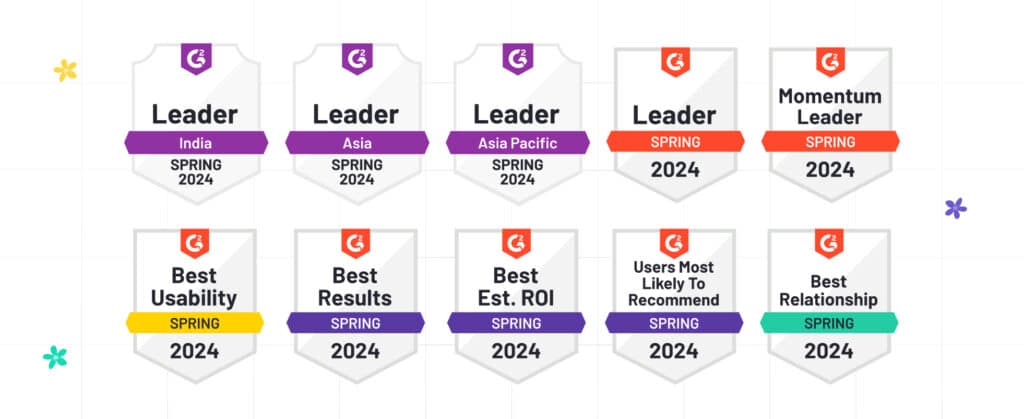
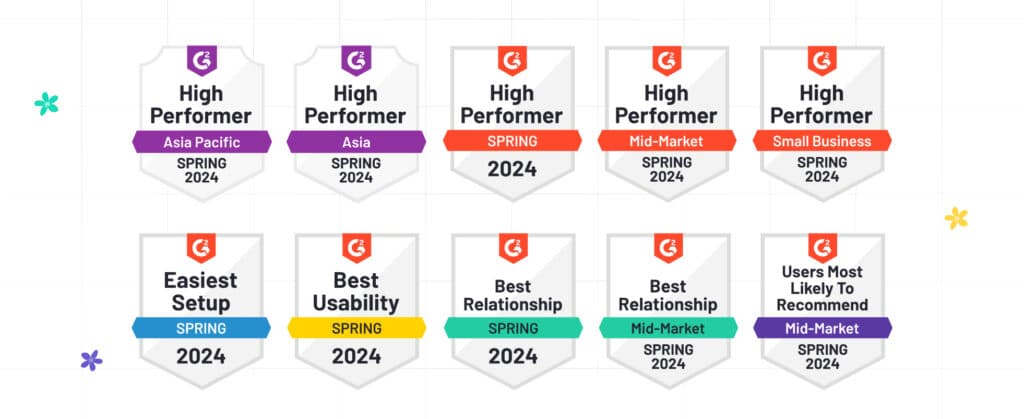
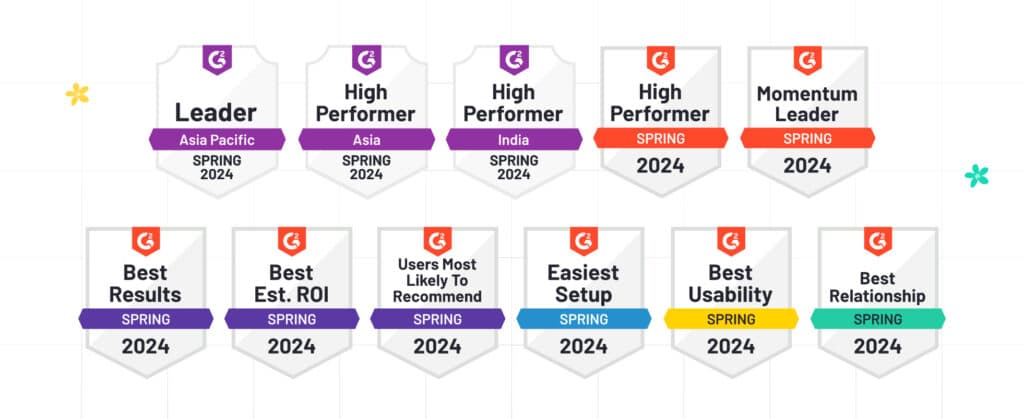
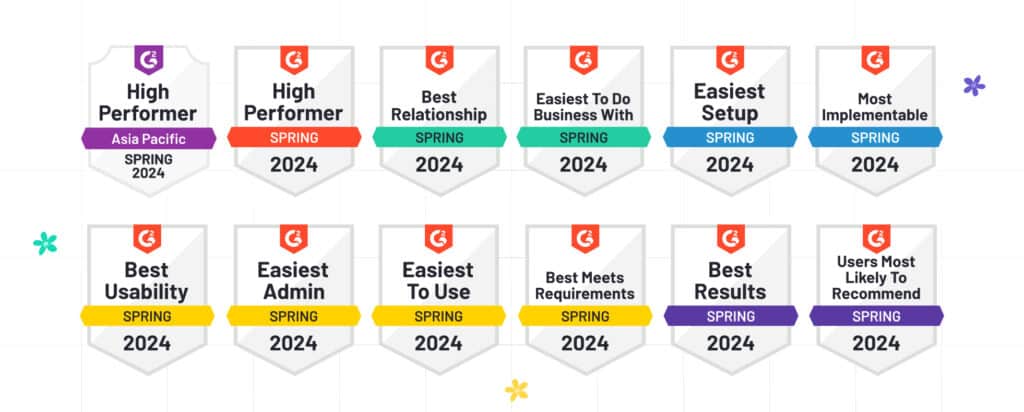
Scrut Automation has raised $10 million in growth capital
We are entering the Spring of 2024 with fresh new capital – to aid us in our vision of making GRC processes frictionless.
We came across the problem of security compliance when Jayesh (my Co-founder) and I were selling a SaaS product for large enterprises. As a small team of less than five, we had to work hard to demonstrate our security, compliance, and risk posture so that our prospects would take us seriously.
We built a few low-fidelity automations to help us get through this, and in the process, uncovered a pain point that we could relate to and were excited by. When we dug deeper and spoke to other companies to see how they dealt with the problem, we realized a gaping hole in the market. And that’s when Scrut Automation was born.
Two years in, what started as a passion project, has become a full-stack GRC platform.
Untangling the compliance and risk complexities
While the burden on small and mid-market companies to comply with multiple regulations and standards has increased many times over in recent years, most companies are still dealing with spreadsheets, drive folders, and shared documents, to manage their compliance and risk programs. The broken and manual processes often yield risk registers that are static, point-in-time, and seldom reviewed before the next audit cycle.
Compliance and risk management is a team sport – and GRC teams have to work with several different internal (such as IT, DevOps, HR, or Engineering) and external stakeholders (such as pentesters, auditors, or customer audit teams) to get the job done on a continuous basis.
But nobody likes chasing or getting chased. And nobody likes logging into ten different tools everyday to manage the same information.
And Yet Another Framework (YAF) Alert! Nobody likes to do the same thing again and again.
The processes are manual and error-prone, and GRC teams are constantly fighting a thousand fires almost all the time. The fatigue is real, almost palpable.
While there is a clear need for centralizing GRC artifacts, automating evidence collection workflows, and tracking compliance tasks, legacy GRC tools are cumbersome, hard to deploy, and, quite frankly – an overkill.
The idea behind Scrut is quite simple – make GRC frictionless and delightful.
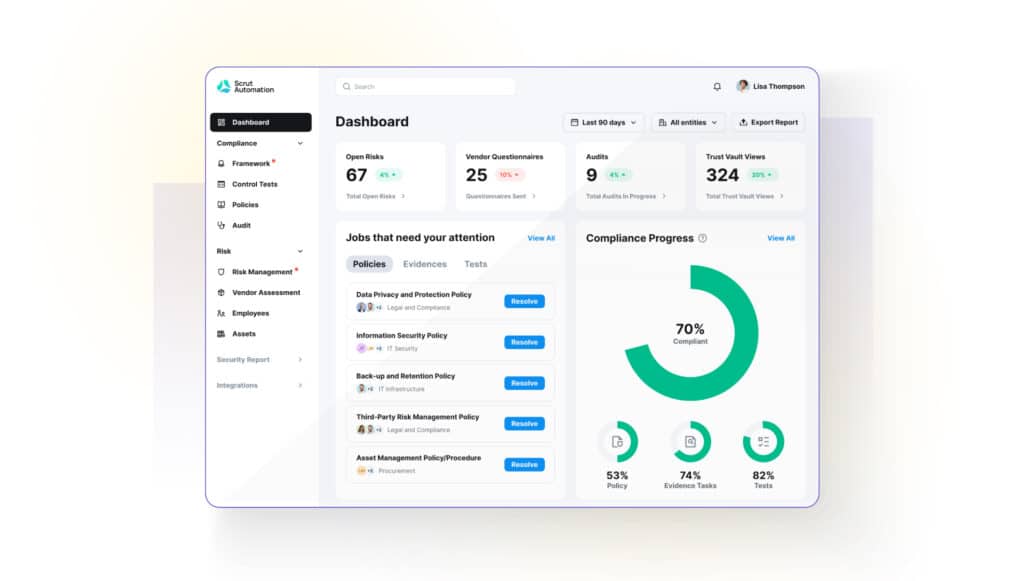
So we built the Scrut Platform to solve this problem. The platform blends into users’ existing workflows and tech stack, quietly tracking compliance tasks, collecting evidence artifacts, and intimating people when tasks are due. And does so without stakeholders needing to switch from the platform they use daily, irrespective of their function.
Additionally, it eliminates the YAF fatigue by cross-mapping common controls to multiple frameworks, so users never have to repeat the same task.
What’s Next for Scrut?
In the last two years, we have gathered believers – folks who share our obsession to make a relatively unsexy, and somewhat intimidating software category delightful and pragmatic for small and mid-market companies.
We’ve grown from 3 founders obsessing over a problem to 120+ colleagues across three continents.
We have launched 5 new modules, built in over 30 frameworks out of the box, added over 70 integrations to a growing library, and developed deeper process reconfigurability across the platform.
We’ve grown to 800+ customers across the globe, growing over 350% year on year.
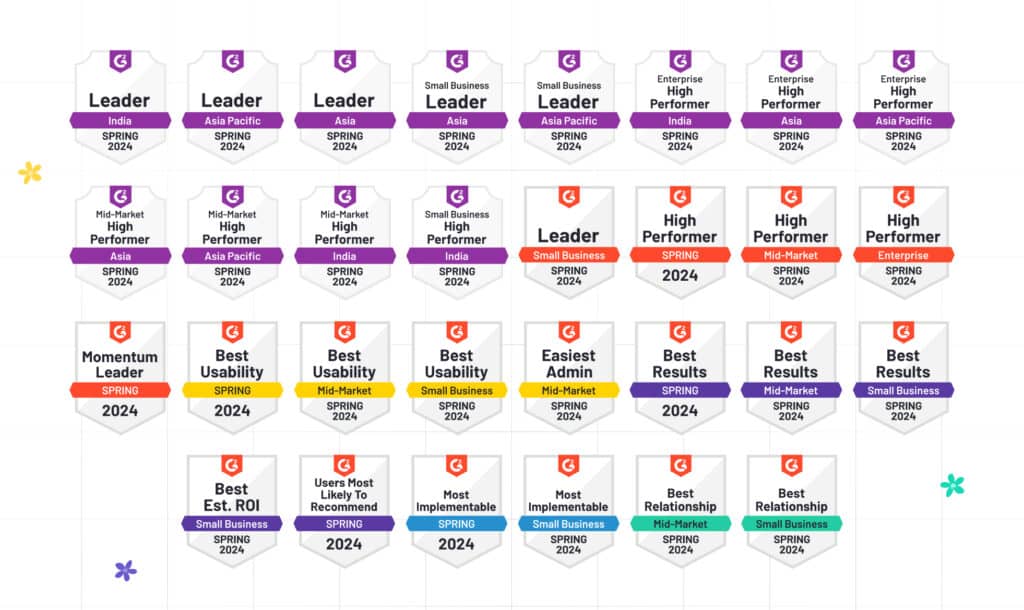
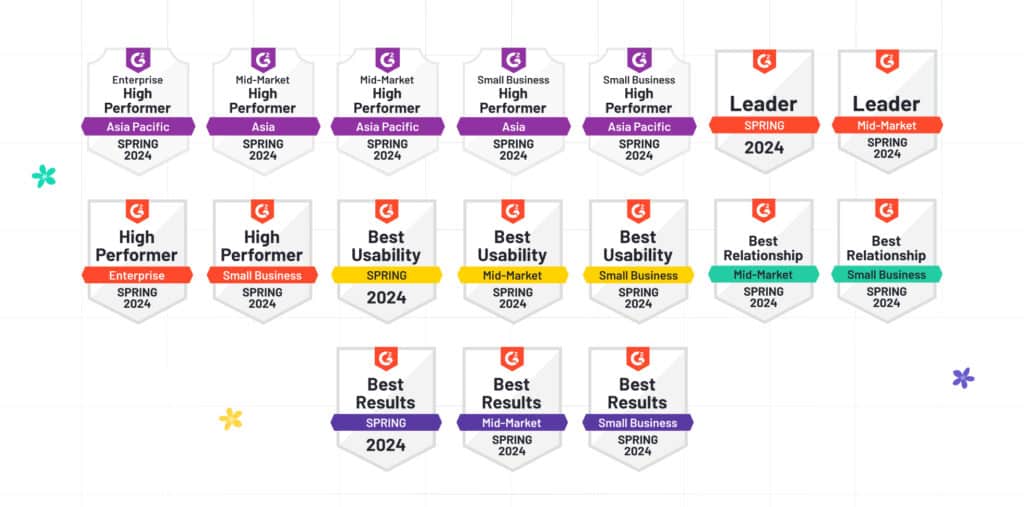
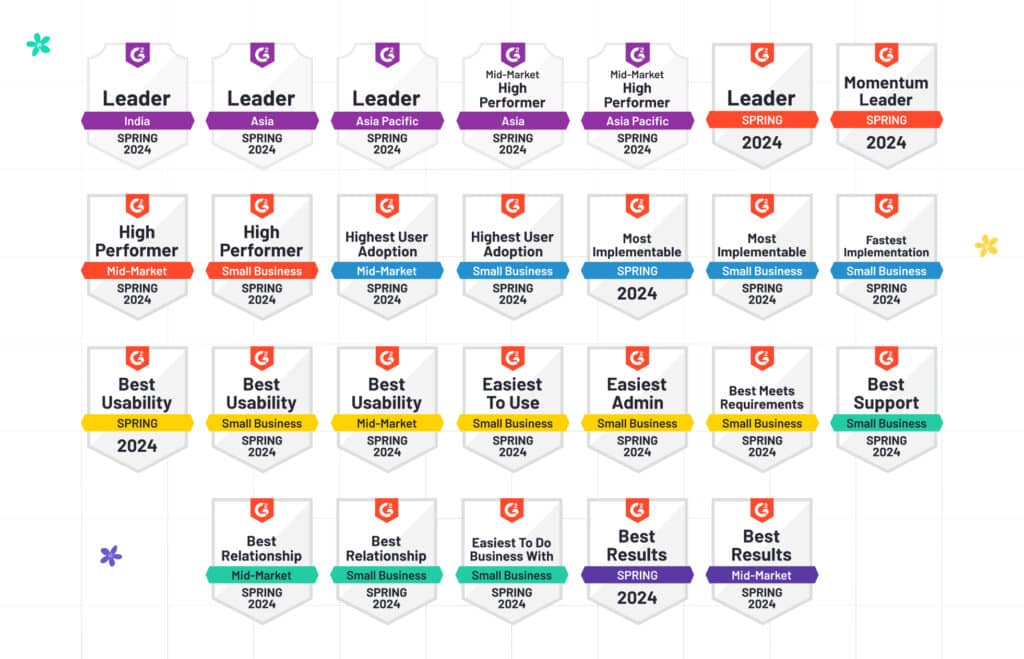
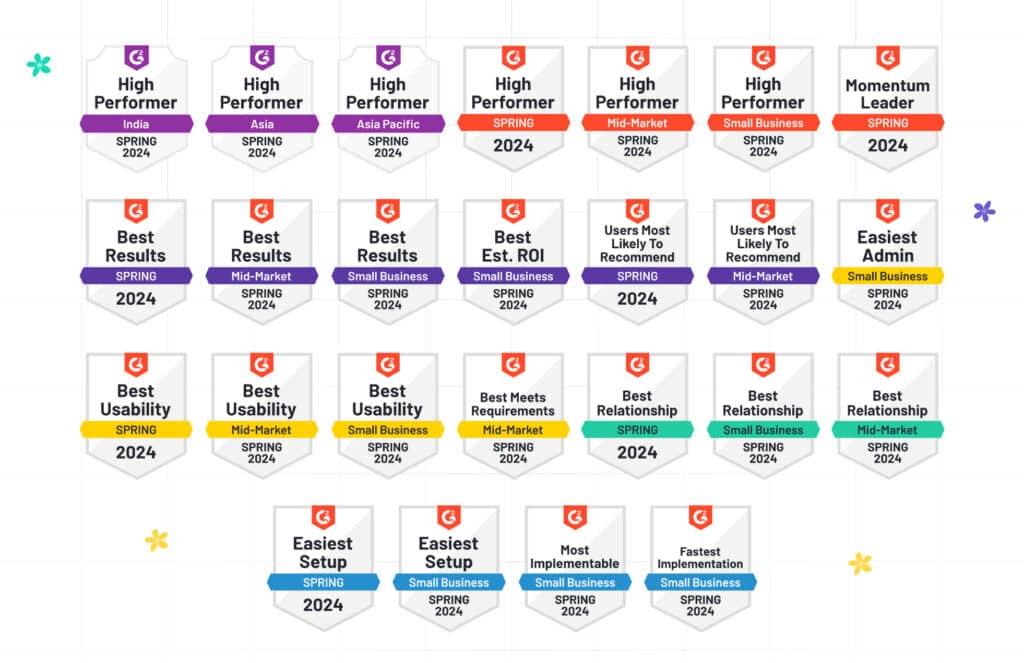
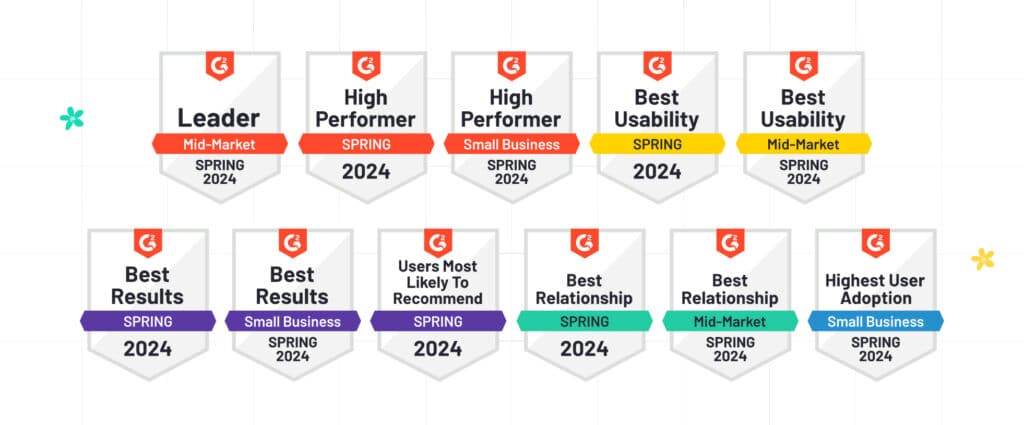
We got recognized as a momentum leader in Security Compliance in G2, and identified as a key player in the GRC segment by Gartner.
We’ve learned a few hard lessons, and our customers and advisors have been kind enough to help us navigate them. Our customers have continued to show faith in us and the problems we solve, and we continued to accelerate even as the markets turned difficult for software sales in the last few months.
That is why I couldn’t be more excited to announce that Scrut has officially raised $10 million in growth capital, led by Lightspeed and MassMutual Ventures, to fuel our R&D efforts and accelerate our US go-to-market motion. This round brings our total raise to ~USD 21M since inception, with all our investors increasing their stake across each round.
While funding rounds are not milestones alone, we acknowledge the continued (and strengthening) confidence our investors have shown in us.
I, and the Scrut team, are incredibly grateful for all the support our community – our customers, partners, auditors, advisors, investors, have shown us.
We really look forward to the next phase of our journey. We’ll keep our heads down, work hard, and continue to listen to our customers.
Here’s to celebrating how much we’ve achieved together in such a short time, and to the incredible journey ahead! Cheers!
PS: If this topic interests you, please reach out to me; I would love to chat and exchange notes!
8 May 2024
< 1minute
Authored by
Aayush Ghosh Choudhary
Co-founder & CEO at Scrut
Hello world!
Welcome to WordPress. This is your first post. Edit or delete it, then start writing!
3 May 2024
6minutes
Authored by
Aayush Ghosh Choudhary
Co-founder & CEO at Scrut
Your 8-Minute Guide to Risk Control Matrix
Without proper risk management, an organization faces increased vulnerability to unexpected events and threats, leading to potential financial losses, reputation damage, regulatory non-compliance, and operational disruptions. This lack of preparedness can hinder the achievement of strategic objectives, erode stakeholder trust, and ultimately jeopardize the organization’s long-term sustainability and success.
By proactively addressing risks, organizations can make informed decisions, enhance operational resilience, protect assets, and maintain stakeholder trust, ultimately driving long-term success and sustainability.
Additionally, effective risk management fosters a culture of accountability, innovation, and continuous improvement within the organization, enabling it to adapt to changing environments and seize opportunities for growth.
A Risk Control Matrix (RCM) enables organizations to systematically evaluate potential risks, prioritize them based on severity and likelihood, and implement appropriate control measures. In this article, we will learn all about the risk control matrix.
What is the Risk Control Matrix? What is its purpose?
A Risk Control Matrix (RCM) is a structured tool used by organizations to systematically identify, assess, and manage risks and controls. It provides a comprehensive overview of an organization’s risk setting by mapping potential risks against established control measures.
Overall, RCMs play a critical role in enhancing risk management practices, fostering a proactive approach to identifying and addressing risks to achieve organizational objectives.
Example of a risk control matrix:
What is the importance of RCM in cybersecurity and compliance?
The Risk Control Matrix plays a crucial role in cybersecurity and compliance by providing a structured framework for organizations to identify, assess, and mitigate risks related to data security and regulatory requirements.
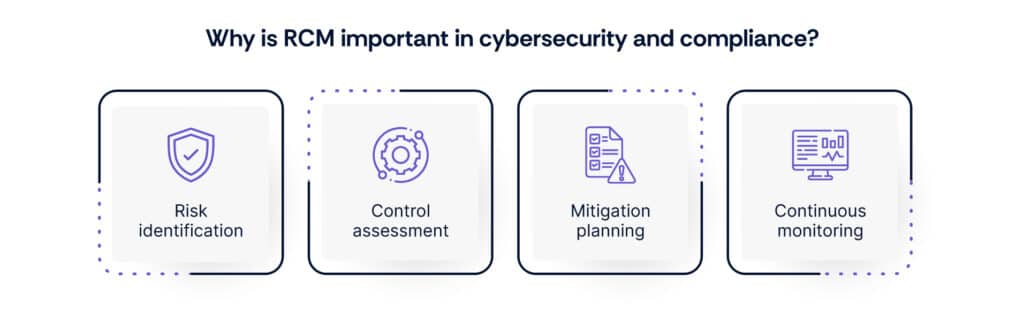
Here’s why RCM risk control matrix is important in these areas:
Risk identification: RCM helps identify cybersecurity risks such as data breaches, unauthorized access, and system vulnerabilities, ensuring proactive measures are taken to address them.
Control assessment: By aligning risks with existing controls, RCM enables organizations to evaluate the effectiveness of cybersecurity measures and compliance protocols, ensuring they meet industry standards and regulatory requirements.
Mitigation planning: RCM assists in prioritizing cybersecurity risks and compliance gaps, allowing organizations to allocate resources efficiently for risk mitigation and regulatory compliance.
Continuous monitoring: Through regular updates and reviews, RCM risk control matrix facilitates ongoing monitoring of cybersecurity controls and compliance measures, ensuring organizations remain resilient against evolving threats and regulatory changes.
How does the RCM contribute to an organization’s GRC efforts?
A Risk and Control Matrix is crucial for Governance, Risk, and Compliance (GRC) programs in several ways:
Comprehensive risk assessment: RCM facilitates a structured approach to identifying and assessing risks. It links business objectives with associated risks and control processes, providing a holistic view of the organization’s risk landscape.
Control effectiveness evaluation: RCM risk control matrix helps evaluate the effectiveness of existing controls in mitigating identified risks. By aligning risks with control measures, it enables organizations to gauge control adequacy and identify gaps.
Risk prioritization and mitigation: It aids in prioritizing risks based on severity and likelihood. This prioritization assists in resource allocation and ensures that high-priority risks are effectively addressed to minimize potential negative impacts.
Compliance assurance: RCM supports compliance efforts by aligning risks with regulatory requirements. It helps organizations implement control measures to meet compliance standards and mitigate compliance-related risks effectively.
How can you create an RCM tailored for your organization?
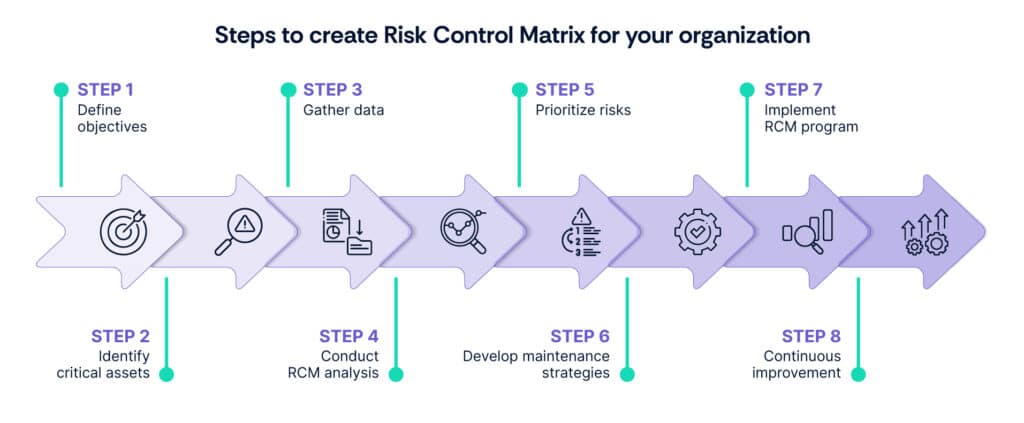
Step 1: Define objectives
Clearly outline the objectives and goals of implementing RCM within the organization. Determine what the organization aims to achieve through the RCM process, such as improving asset reliability, reducing maintenance costs, or enhancing safety.
Step 2: Identify critical assets
Identify the critical assets or equipment essential to the organization’s operations. Prioritize assets based on their significance and impact on production, safety, and overall performance.
Step 3: Gather data
Collect relevant data about the selected assets, including maintenance history, failure patterns, operational characteristics, and environmental conditions. Data gathering is essential for understanding asset behavior and performance.
Step 4: Conduct RCM analysis
Use structured analysis techniques like Failure Modes and Effects Analysis (FMEA) to identify potential failure modes, their causes, and the consequences of failure on asset performance. This step helps in understanding asset vulnerabilities and developing appropriate maintenance strategies.
Step 5: Prioritize risks
Prioritize identified failure modes based on their criticality and impact on organizational objectives. Consider factors such as safety, environmental impact, regulatory compliance, and financial implications to prioritize risks effectively.
Step 6: Develop maintenance strategies
Develop tailored maintenance strategies for each prioritized failure mode. Select appropriate maintenance tasks, such as preventive, predictive, or proactive maintenance, to mitigate or eliminate identified risks effectively.
Step 7: Implement RCM program
Implement the developed RCM risk control matrix program by integrating maintenance strategies into existing maintenance management systems. Ensure proper training and communication to facilitate smooth implementation.
Scrut offers an excellent program for the training and development of your employees. It also helps you to design the program based on your requirements. You can not only train your employees but also test them on the Scrut platform.
Step 8: Continuous improvement
Establish mechanisms for continuous monitoring, evaluation, and improvement of the RCM program. Regularly review asset performance, update maintenance strategies as needed, and incorporate lessons learned to enhance the effectiveness of the RCM process.
Best practices for documenting and maintaining RCMs
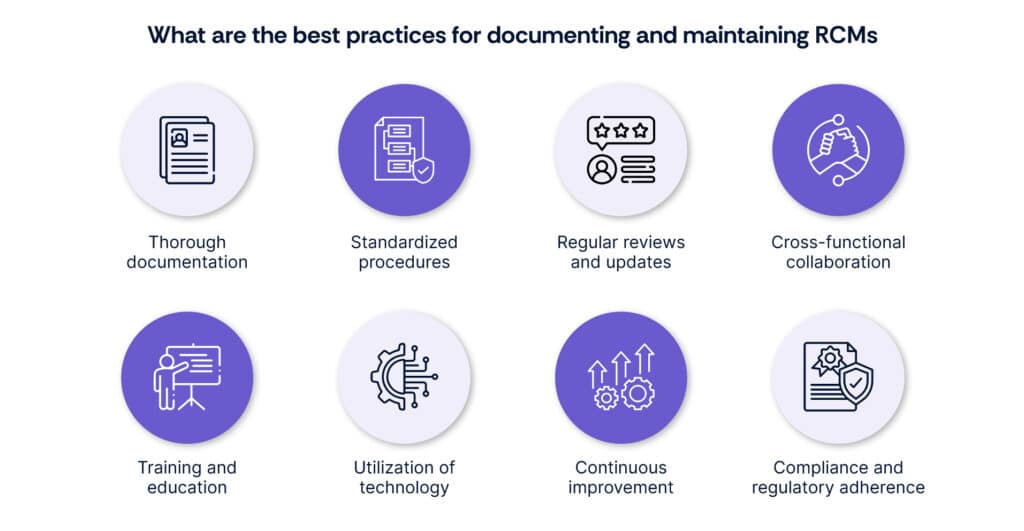
Thorough documentation:
Document all steps of the RCM process, including risk identification, assessment, control measures, and monitoring.
Ensure documentation is clear, concise, and accessible to relevant stakeholders.
Standardized procedures:
Establish standardized procedures for RCM implementation to ensure consistency and reliability in risk management practices.
Regular reviews and updates:
Conduct regular reviews of RCM documentation to reflect changes in organizational processes, technologies, and regulations.
Update RCMs as necessary to address emerging risks and improve effectiveness.
Cross-functional collaboration:
Foster collaboration between different departments involved in risk management to gather diverse perspectives and expertise.
Encourage open communication channels to facilitate the sharing of insights and best practices.
Training and education:
Provide training to staff involved in RCM development and implementation to ensure understanding of methodologies and best practices.
Keep staff updated on industry trends, regulatory changes, and advancements in risk management techniques.
Utilization of technology:
Leverage technology and automation tools to streamline RCM processes, enhance data analysis capabilities, and improve efficiency.
Implement software solutions tailored to RCM needs for enhanced documentation and reporting.
Continuous improvement:
Foster a culture of continuous improvement within the organization, encouraging feedback loops and opportunities for refinement of RCM practices.
Monitor key performance indicators to assess the effectiveness of RCM risk control matrix implementation and identify areas for enhancement.
Compliance and regulatory adherence:
Ensure RCMs align with relevant industry standards, regulations, and compliance requirements.
Regularly audit RCM processes to verify compliance and address any gaps or deficiencies.
Explore simplified continuous compliance automation with Scrut
Scrut is a compliance automation platform designed to streamline information security for cloud-native companies. Scrut offers features that contribute to the risk management process:
Risk-focused approach: Scrut emphasizes a risk-focused approach to compliance automation, aligning with the principles of risk management and control.
Expert-vetted scoring methodologies: Scrut incorporates built-in expert-vetted scoring methodologies, enabling users to quantify their organization’s risk profile. This feature can assist in assessing and prioritizing risks, which is a fundamental aspect of creating RCMs.
Continuous monitoring: Continuous monitoring capabilities provided by Scrut can help organizations stay updated on their compliance status and identify emerging risks promptly. This real-time insight can inform the development and refinement of RCMs as the organization’s risk landscape evolves.
Compliance automation: By automating compliance processes, Scrut helps save time and resources that can be allocated to strategic initiatives, including the development and implementation of RCMs.
Conclusion
In conclusion, effective risk management is essential for organizational success. Without it, organizations face financial losses, reputation damage, and operational disruptions. The Risk Control Matrix (RCM) is a valuable tool for systematically identifying, assessing, and managing risks.
By prioritizing risks, implementing control measures, and fostering a culture of accountability and innovation, organizations can enhance their resilience and achieve strategic objectives.
Through best practices and tools like Scrut, they can streamline risk management processes, ensure compliance, and adapt to evolving threats, ensuring long-term success in today’s dynamic business environment.
Streamline risk management with Scrut. Simplified compliance automation tailored to your needs. Get started now!
FAQs
1. What is a Risk Control Matrix (RCM)?
A Risk Control Matrix (RCM) is a structured tool used by organizations to systematically identify, assess, and manage risks and controls. It provides a comprehensive overview of an organization’s risk landscape by mapping potential risks against established control measures.
2. What is a Risk Control Matrix (RCM)?
A Risk Control Matrix (RCM) is a structured tool used by organizations to systematically identify, assess, and manage risks and controls. It provides a comprehensive overview of an organization’s risk landscape by mapping potential risks against established control measures.
3. What are the components of a Risk Control Matrix?
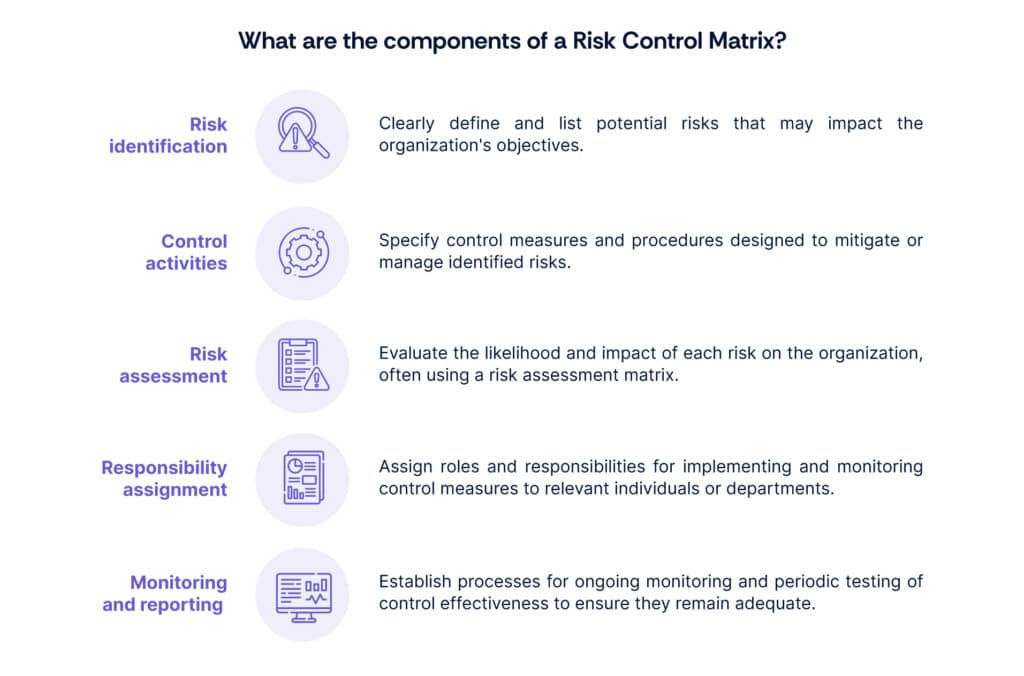
The components of a Risk and Control Matrix typically include risk identification, control activities, risk assessment, responsibility assignment, and monitoring and reporting. These components collectively facilitate the systematic evaluation and management of risks within an organization.
Risk assessment in cybersecurity involves a thorough process of identifying, analyzing, and evaluating potential risks and vulnerabilities to an organization’s information systems and data. It begins with the identification phase, where assets, vulnerabilities, threats, and potential impacts are recognized and cataloged.
Subsequently, in the analysis stage, the likelihood and potential impact of identified risks are assessed to understand their severity. Following analysis, the evaluation phase prioritizes risks based on their severity and potential consequences to the organization. After prioritization, the mitigation phase commences, where strategies and controls are developed to reduce or eliminate risks.
Finally, the monitoring phase involves continuously reviewing and reassessing the cybersecurity posture to adapt to evolving threats. This comprehensive approach to risk assessment helps organizations proactively manage cybersecurity risks and safeguard their assets and data from potential threats and vulnerabilities.
There are several risk quantification methods implemented by different organizations. These methods include but are not limited to, FMEA, SWOT analysis, TPRM, and others. Third-party risk management is one of the most reliable methods for risk quantification. In this article, we will discuss how organizations can integrate AI and quantitative risk into the TPRM program.
What is TPRM?
TPRM meaning and definition:
Third-party risk management (TPRM) is a vital aspect of risk management that focuses on identifying, analyzing, and mitigating risks associated with outsourcing to third-party vendors, suppliers, or service providers.
TPRM involves several key steps:
Identification: Recognizing all third-party relationships and understanding potential risks they may introduce.
Assessment: Evaluating the security posture, data handling practices, and regulatory compliance of third parties to assess the level of risk they pose.
Mitigation: Implementing strategies and controls to reduce or eliminate identified risks, which may include contractual obligations, security assessments, and ongoing monitoring.
Monitoring: Continuously monitoring third-party activities to ensure compliance with security standards and contractual obligations.
TPRM is crucial for safeguarding organizations against various risks, including data breaches, regulatory violations, and reputational damage. By effectively managing third-party risks, organizations can enhance their security posture and maintain trust with stakeholders.
Importance of TPRM in today’s cybersecurity landscape
TPRM plays a critical role in today’s cybersecurity landscape due to several key reasons:
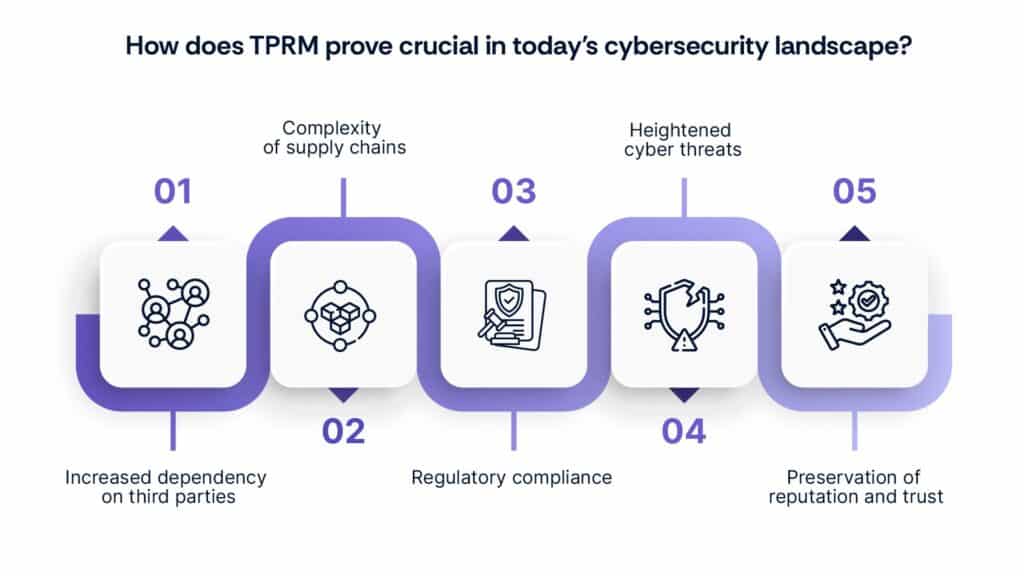
1. Increased dependency on third parties
Organizations increasingly rely on third-party vendors and service providers for various aspects of their operations, including IT infrastructure, software development, and cloud services. This dependency exposes them to the cybersecurity risks associated with these external partners.
2. Complexity of supply chains
Supply chains have become more interconnected and complex, with multiple tiers of suppliers and subcontractors. Each link in the supply chain represents a potential cybersecurity vulnerability, making it essential to manage risks across the entire ecosystem.
3. Regulatory compliance
Regulatory bodies worldwide are imposing stricter requirements on organizations to ensure the security and privacy of sensitive data, including data shared with third parties. Compliance with regulations such as GDPR, CCPA, and HIPAA necessitates robust TPRM practices to avoid hefty fines and penalties.
4. Heightened cyber threats
The cybersecurity threat landscape continues to evolve, with threat actors targeting organizations through supply chain attacks and third-party breaches. TPRM helps organizations preemptively identify and mitigate these threats to protect their data and assets.
5. Preservation of reputation and trust
A security breach or data compromise involving a third-party vendor can severely damage an organization’s reputation and erode trust with customers, partners, and stakeholders. Effective TPRM helps mitigate these risks and maintain trust in the organization’s ability to safeguard sensitive information.
Understanding AI in the TPRM program
AI in TPRM refers to the use of artificial intelligence and machine learning technologies to enhance the efficiency, accuracy, and effectiveness of managing risks associated with third-party vendors and service providers.
Advantages of AI in the TPRM program
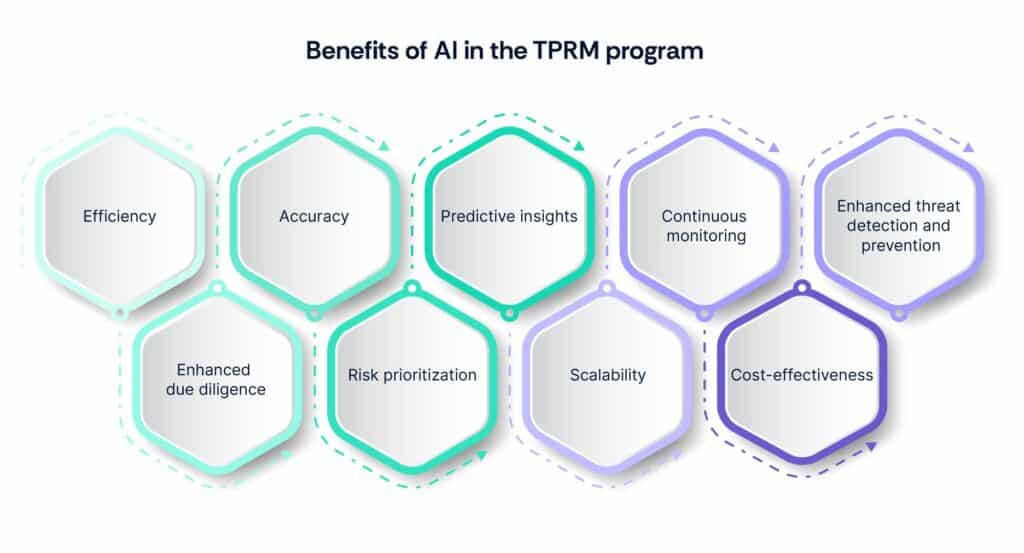
AI offers numerous advantages in the TPRM program
Efficiency: AI automates repetitive tasks and analyzes vast amounts of data quickly, allowing organizations to identify and assess third-party risks more efficiently than manual methods.
Accuracy: AI algorithms can process and interpret data with a high degree of accuracy, reducing the likelihood of human error in risk assessment and decision-making processes.
Predictive insights: AI-powered predictive analytics can forecast potential risks and vulnerabilities based on historical data and emerging trends, enabling organizations to proactively address risks before they escalate.
Continuous monitoring: AI-driven monitoring solutions can continuously track third-party activities and behaviors in real-time, providing organizations with timely alerts and insights into potential risks or anomalies.
Enhanced threat detection and prevention: AI algorithms can analyze complex patterns and behaviors to detect potential threats posed by third parties, enabling organizations to prevent security breaches and mitigate risks effectively.
Enhanced due diligence: AI enables organizations to conduct more comprehensive due diligence on third parties by analyzing unstructured data sources such as news articles, social media, and financial reports, providing deeper insights into a vendor’s reputation and reliability.
Risk prioritization: AI algorithms can assign risk scores to third parties based on various factors, allowing organizations to prioritize their risk management efforts and allocate resources effectively.
Scalability: AI technologies can scale to handle large volumes of data and adapt to evolving risk landscapes, ensuring that organizations can effectively manage third-party risks as their business grows.
Cost-effectiveness: By automating repetitive tasks and streamlining processes, AI can reduce the time and resources required for TPRM services, resulting in cost savings for organizations.
AI-powered quantitative risk assessment
Quantitative risk assessment (QRA) is a structured approach used to evaluate risks by assigning numerical values to various factors, such as the likelihood of an event occurring, its consequences, and the potential impact on assets, individuals, and the environment. It involves the use of mathematical models and statistical techniques to quantify risk levels, allowing for more precise risk analysis and decision-making.
QRA typically relies on realistic and measurable data to calculate the probability and severity of risks, providing stakeholders with quantitative insights into the potential risks associated with a particular activity, project, or process. By quantifying risks, organizations can prioritize risk mitigation strategies, allocate resources effectively, and make informed decisions to minimize potential losses and maximize opportunities.
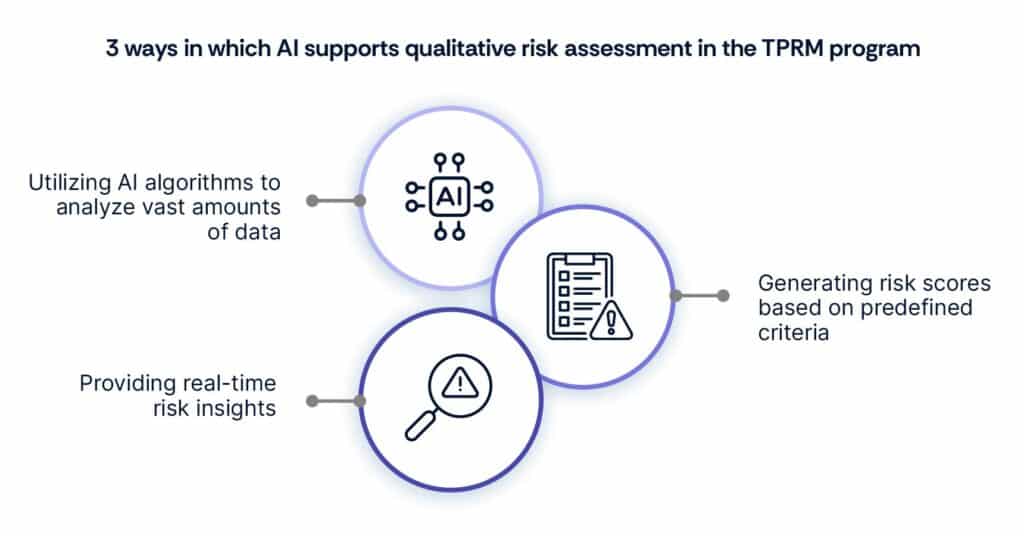
How AI facilitates quantitative risk assessment in the TPRM program:
1. Utilizing AI algorithms to analyze vast amounts of data
AI algorithms excel at processing and analyzing vast amounts of data swiftly and accurately. In TPRM, these algorithms can sift through diverse data sources, including historical records, transactional data, and real-time feeds, to identify patterns, anomalies, and potential risks.
By leveraging machine learning techniques, AI systems can identify subtle correlations and trends in data that might be missed by traditional methods. This comprehensive analysis enables organizations to gain deeper insights into their third-party risk landscape and make more informed decisions.
2. Generating risk scores based on predefined criteria
AI-driven risk assessment tools utilize predefined criteria and risk models to generate risk scores for third-party relationships. These criteria may include factors such as financial stability, regulatory compliance, cybersecurity posture, and reputational risk.
By applying advanced analytics, AI algorithms can weigh and evaluate these criteria to assign a quantitative risk score to each third-party vendor or supplier. This scoring system helps organizations prioritize their risk management efforts and allocate resources effectively.
3. Providing real-time risk insights
AI empowers organizations to monitor third-party activities in real time, enabling the detection of emerging risks as they occur. AI-based monitoring systems can analyze vast streams of data, including transaction logs, network traffic, and social media feeds, to identify suspicious behavior or deviations from normal patterns.
By providing real-time risk insights, AI enables organizations to respond swiftly to potential threats, mitigate risks proactively, and prevent adverse outcomes. This proactive approach enhances the resilience of the organization’s third-party ecosystem and strengthens its overall risk management capabilities.
Implementing AI in the TPRM program
Integrating AI into the TPRM program involves several key steps to ensure its successful implementation. More often than not, organizations rely on TPRM software to implement AI in their TPRM programs. These TPRM tools vary in features, scalability, integration capabilities, and pricing, so organizations should evaluate their specific requirements and conduct thorough due diligence before selecting the most suitable option for their needs.
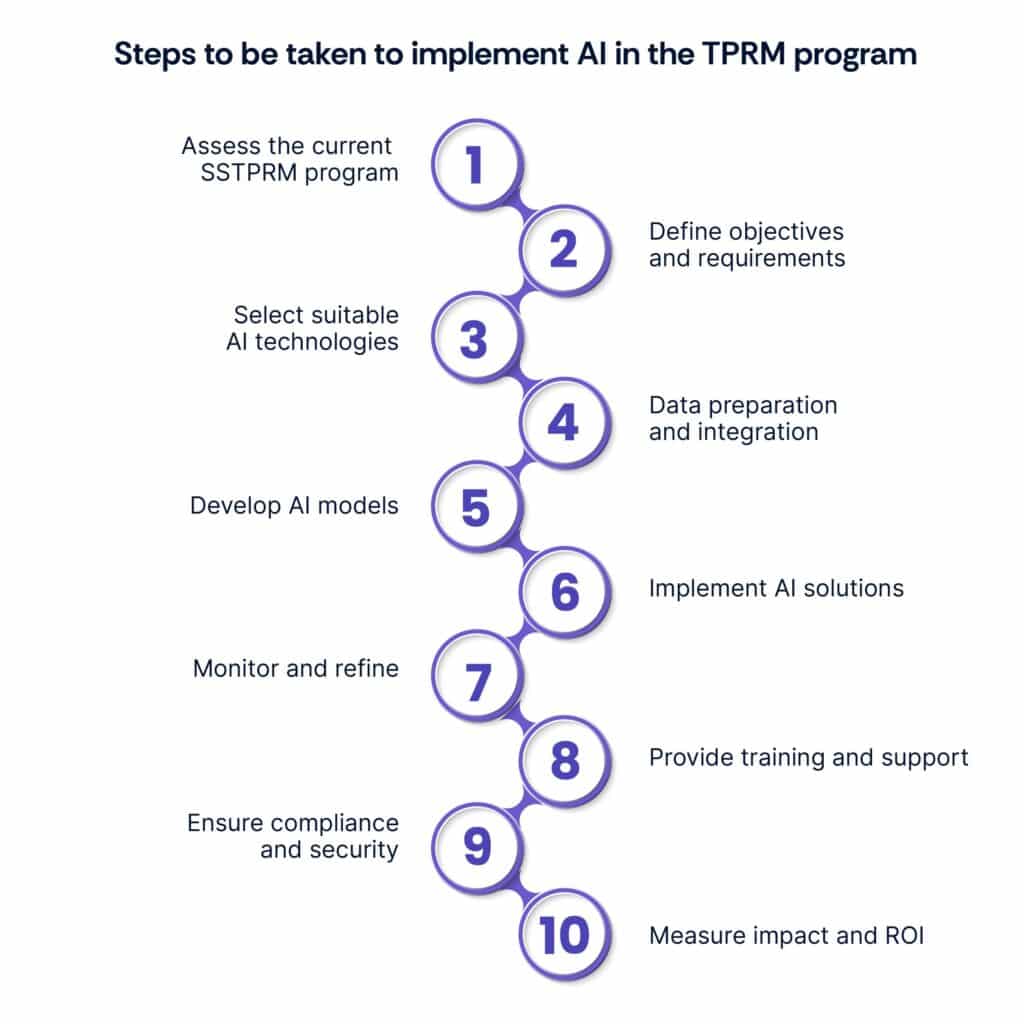
Here’s a comprehensive guide to implementing AI in the TPRM program of the organization:
Step 1: Assess the current TPRM program
Evaluate existing TPRM processes to identify areas where AI can enhance efficiency, accuracy, and effectiveness. Understand the workflow, data sources, and pain points in the current processes.
Step 2: Define objectives and requirements
Clearly define the objectives of integrating AI into the TPRM program, such as improving risk assessment accuracy, reducing manual effort, or enhancing real-time monitoring. Identify specific requirements and functionalities needed from AI solutions to achieve these objectives.
Step 3: Select suitable AI technologies
Research and select AI technologies that align with the defined objectives and requirements. Consider factors such as machine learning algorithms, natural language processing capabilities, scalability, and compatibility with existing systems.
Step 4: Data preparation and integration
Prepare and clean data from various sources, ensuring its quality, relevance, and consistency. Integrate data from internal systems, third-party sources, and external feeds into the AI platform for analysis.
Step 5: Develop AI models
Train AI models using historical data to learn patterns, correlations, and risk indicators relevant to TPRM services. Collaborate with data scientists or AI experts to develop and fine-tune machine learning algorithms tailored to TPRM use cases.
Step 6: Implement AI solutions
Deploy AI solutions into TPRM processes, integrating them seamlessly with existing workflows and systems. Ensure proper configuration, testing, and validation of AI models to meet performance and accuracy standards.
Step 7: Monitor and refine
Continuously monitor the performance of AI models in real-world TPRM scenarios. Gather feedback from users, identify areas for improvement, and refine AI algorithms iteratively to enhance their effectiveness and adaptability.
Step 8: Provide training and support
Train TPRM teams and stakeholders on using AI-enabled tools and interpreting insights generated by AI models. Offer ongoing support and guidance to address any challenges and maximize the value derived from AI integration.
Step 9: Ensure compliance and security
Adhere to regulatory requirements and data privacy standards when handling sensitive information in TPRM processes. Implement robust security measures to protect AI models, data assets, and infrastructure from cyber threats.
Step 10: Measure impact and ROI
Evaluate the impact of AI integration on TPRM outcomes, such as risk assessment accuracy, efficiency gains, and cost savings. Calculate the return on investment (ROI) to justify the implementation of AI solutions and guide future investments.
By following these steps, organizations can effectively integrate AI into their TPRM processes, leveraging advanced technologies to enhance risk management capabilities and mitigate third-party risks more effectively.
Winding up
Effective cybersecurity risk assessment, especially through Third-Party Risk Management (TPRM), is vital for safeguarding organizations. The process of risk identification, analysis, mitigation, and monitoring ensures proactive risk management.
In today’s complex cybersecurity landscape, where organizations heavily rely on third-party vendors, robust TPRM practices are essential. Integrating artificial intelligence (AI) into TPRM offers advantages such as efficiency, accuracy, predictive insights, and continuous monitoring.
Implementing AI in TPRM involves assessing current processes, defining objectives, selecting suitable AI technologies, data preparation, model development, implementation, monitoring, training, and ensuring compliance.
In summary, AI integration in TPRM enables organizations to mitigate risks proactively and maintain trust with stakeholders in an evolving cybersecurity landscape.
Ready to elevate your risk management strategy with cutting-edge technology? Schedule a demo with Scrut today and experience the power of AI-driven risk management solutions. Safeguard your organization’s future, one step ahead of potential threats.
FAQs
1. What is Third-Party Risk Management (TPRM)?
TPRM is a crucial aspect of risk management focused on identifying, analyzing, and mitigating risks associated with outsourcing to third-party vendors, suppliers, or service providers. It involves assessing the security posture, data handling practices, and regulatory compliance of third parties to mitigate potential risks they may introduce.
2. Why is TPRM important in today’s cybersecurity landscape?
TPRM is essential due to increased dependency on third parties, the complexity of supply chains, regulatory compliance requirements, heightened cyber threats, and the preservation of reputation and trust. Effectively managing third-party risks is critical for safeguarding organizations against data breaches, regulatory violations, and reputational damage.
3. What role does AI play in TPRM?
AI enhances TPRM by automating risk identification, providing predictive analytics, enabling enhanced due diligence, facilitating continuous monitoring, and supporting risk scoring and prioritization. AI-powered quantitative risk assessment allows organizations to quantify risks more precisely, prioritize mitigation strategies, and allocate resources effectively.
3 May 2024
11minutes
Authored by
Aayush Ghosh Choudhary
Co-founder & CEO at Scrut
Mastering Quantitative Risk Assessment: A step-by-step guide
Quantitative Risk Assessment (QRA) is a structured method for evaluating the likelihood and consequences of hazardous events, expressing the results numerically as risk. In cybersecurity and compliance, quantitative risk analysis plays a crucial role in assessing the risk exposure to employees, the environment, company assets, and reputation. By utilizing measurable, objective data, quantitative risk analysis enables organizations to effectively manage cyber risks and ensure compliance with industry standards and regulatory requirements.
Mastery of quantitative risk analysis is essential for organizations seeking to quantify and prioritize cyber risks, allocate resources efficiently, and implement targeted mitigation strategies. By leveraging quantitative risk analysis, organizations can make informed decisions to safeguard their assets, reputation, and overall operational resilience in the face of evolving cyber threats.
Qualitative vs quantitative risk analysis
In the realm of risk management, understanding the distinction between qualitative and quantitative risk analysis is crucial. While both approaches aim to assess and manage risks, they diverge significantly in their methodologies and outcomes.
Aspect
Qualitative risk analysis
Quantitative risk analysis
Focus
Subjective assessments and descriptive analysis
Objective assessments and numerical analysis
Evaluation
Relative impact and likelihood, qualitative descriptors
Quantified using mathematical models and statistical techniques
Input
Expert judgment, experience, intuition
Accurate and reliable data inputs
Measurement
Broad overview without precise numerical measurements
Measures risks in terms of monetary values, probabilities, or other quantitative metrics
Offers detailed insights and precise risk prioritization
Limitations
Lacks precision and quantitative evidence
Requires comprehensive data and resources
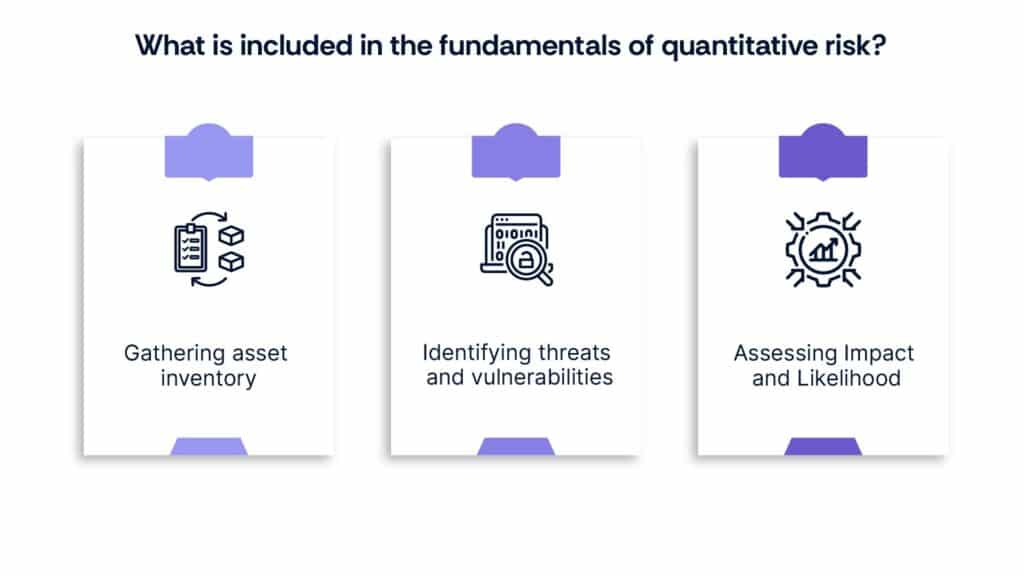
Understanding the fundamentals of quantitative risk analysis
1. Gathering asset inventory
Gathering asset inventory involves enumerating all digital assets and assigning values to each. Digital assets encompass various elements crucial to an organization’s operations, including:
Hardware: This includes servers, computers, networking devices, and other physical equipment essential for digital operations.
Software: Identify licensed software, applications, operating systems, and databases utilized by the organization. Assign values based on licensing costs, subscription fees, or development expenses.
Data: Categorize data based on its importance and sensitivity, including customer information, proprietary data, intellectual property, financial records, and operational data. Assess the value of data in terms of its importance to the organization’s operations, compliance requirements, and potential impact if compromised.
Digital infrastructure: Evaluate digital infrastructure components such as cloud services, domain names, websites, and email servers. Consider the value of these assets in facilitating business operations and communication channels.
Security tools: Include security tools and technologies deployed to protect digital assets, such as firewalls, intrusion detection systems, antivirus software, encryption tools, and identity management solutions. Assess the value of security investments in safeguarding digital assets and mitigating cyber risks.
Digital intellectual property: Identify digital intellectual property assets, including patents, trademarks, copyrights, trade secrets, and proprietary algorithms or codebases. Evaluate the value of intellectual property in terms of its market value, competitive advantage, and potential for revenue generation.
Digital accounts and credentials: Take inventory of digital accounts, user credentials, administrative privileges, and access rights associated with various systems, applications, and online platforms. Assess the value of access rights in controlling and securing digital assets effectively.
Assigning values to digital assets involves considering factors such as acquisition costs, replacement costs, market value, intellectual property valuation, and potential revenue impact. By thoroughly enumerating digital assets and their values, organizations can gain insights into their asset portfolio, prioritize resource allocation, and effectively manage cyber risks.
2. Identifying threats and vulnerabilities
Identifying threats and vulnerabilities involves analyzing potential risks that could impact an organization’s assets. Here’s how to conduct this analysis effectively:
a. Threat analysis
Cyber attacks: Assess the risk of various cyber threats, including malware, phishing attacks, ransomware, distributed denial-of-service (DDoS) attacks, and insider threats.
Natural disasters: Consider the potential impact of natural disasters such as earthquakes, floods, hurricanes, fires, and storms on digital assets and infrastructure.
Human error: Evaluate the risk of human errors, negligence, and accidental data breaches resulting from misconfigurations, improper use of technology, or lack of training.
Insider threats: Analyze the risk posed by insiders, including employees, contractors, or partners who may intentionally or unintentionally misuse their access privileges or compromise sensitive information.
b. Vulnerability assessment
Software vulnerabilities: Identify vulnerabilities in software applications, operating systems, and firmware that could be exploited by attackers to gain unauthorized access or execute malicious code.
Network vulnerabilities: Assess weaknesses in network infrastructure, including misconfigurations, unpatched systems, weak authentication mechanisms, and insecure communication protocols.
Physical security: Evaluate physical security controls and vulnerabilities in data centers, server rooms, and other facilities housing digital assets.
Third-party risks: Consider the security posture of third-party vendors, suppliers, and service providers that have access to the organization’s systems or data.
c. Risk prioritization
Likelihood and impact: Prioritize threats and vulnerabilities based on their likelihood of occurrence and potential impact on assets, operations, and business objectives.
Critical assets: Focus on identifying threats and vulnerabilities that pose the greatest risk to critical assets, sensitive data, or essential business functions.
Threat intelligence: Utilize threat intelligence sources to stay informed about emerging threats, attack trends, and exploitation techniques relevant to the organization’s industry sector.
d. Continuous monitoring
Implement mechanisms for continuous monitoring of threats and vulnerabilities, including security monitoring tools, intrusion detection systems, log analysis, and vulnerability scanning.
Regularly update risk assessments to reflect changes in the threat landscape, technology environment, regulatory requirements, and business operations.
3. Assessing Impact and Likelihood
Assessing the impact and likelihood of threats involves quantifying the potential consequences of an event and the probability of it occurring. Here’s how to approach it:
a. Impact assessment
Financial impact: Determine the potential financial losses associated with each threat, including direct costs (e.g., revenue loss, fines, legal fees) and indirect costs (e.g., reputational damage, customer churn, regulatory penalties).
Operational impact: Evaluate the potential disruption to business operations, such as downtime, reduced productivity, loss of critical systems or data, and delays in service delivery.
Reputational impact: Assess the impact on the organization’s reputation, brand value, customer trust, and market perception resulting from a security incident or data breach.
Regulatory impact: Consider the potential consequences of non-compliance with industry regulations, data protection laws, and contractual obligations, including fines, sanctions, and legal liabilities.
b. Likelihood assessment
Historical data: Analyze historical data, incident reports, and security incident trends to assess the likelihood of similar threats occurring in the future.
Threat intelligence: Utilize threat intelligence sources to stay informed about emerging threats, attack vectors, and cybersecurity trends relevant to the organization’s industry sector.
Vulnerability analysis: Evaluate the organization’s susceptibility to specific threats based on the presence of vulnerabilities, weak security controls, and exposure to attack vectors.
External factors: Consider external factors that may influence the likelihood of threats, such as geopolitical events, regulatory changes, industry trends, and the security posture of third-party vendors.
c. Risk scoring
Assign numerical values or scores to both the impact and likelihood of each threat using a predefined risk assessment methodology or risk matrix.
Calculate the overall risk score for each threat by multiplying the impact score by the likelihood score, resulting in a quantitative measure of risk severity.
Prioritize threats based on their risk scores, focusing on high-risk threats that pose significant potential impact and likelihood of occurrence.
Conducting quantitative risk analysis
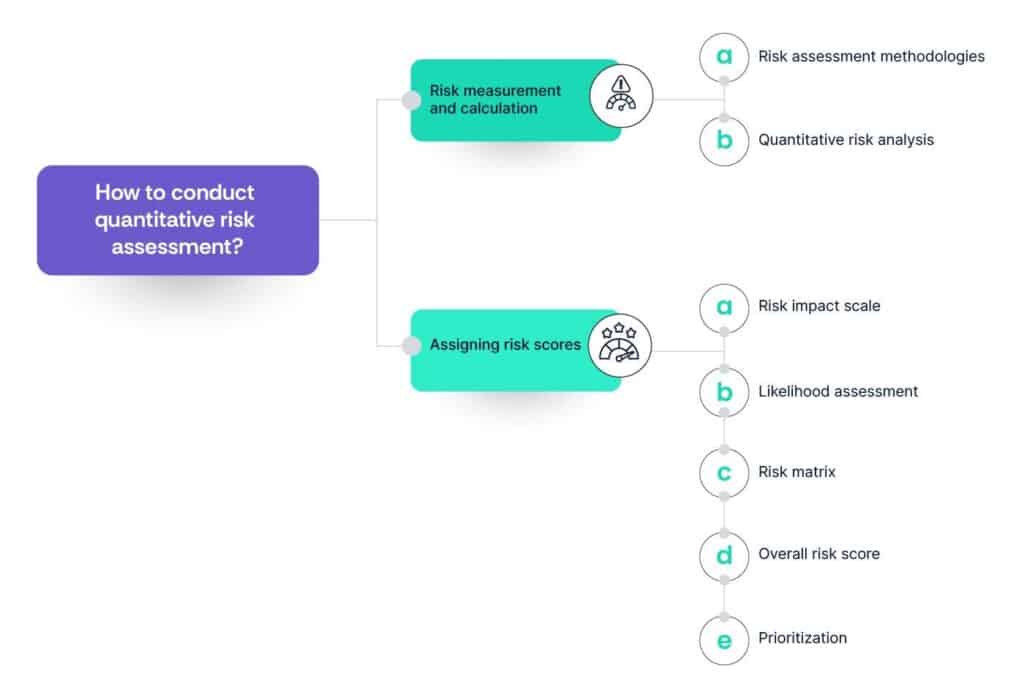
Risk measurement and calculation involves employing mathematical models to quantify risks based on their impact and likelihood. Here’s how organizations can use mathematical models for this purpose:
1. Risk measurement and calculation
Risk measurement and calculation involve employing mathematical models to quantify risks based on their impact and likelihood. Here’s how organizations can use mathematical models for this purpose:
a. Risk assessment methodologies
Utilize established risk assessment methodologies such as the Risk Matrix, Failure Mode and Effects Analysis (FMEA), or the ISO 31000 risk management framework. These methodologies provide structured approaches for assessing risks by considering both the severity of their potential impact and the likelihood of their occurrence.
b. Quantitative risk analysis
Conduct a quantitative risk analysis to assign numerical values to the impact and likelihood of each identified risk. You can use probabilistic models and statistical techniques to estimate the likelihood of events occurring and the distribution of potential impact values. Employ mathematical formulas, such as the multiplication of impact and likelihood scores or the use of Bayesian probability theory, to calculate the overall risk level for each identified threat.
2. Assigning risk scores
Assigning risk scores involves assigning numerical values to risks based on their impact and likelihood, facilitating prioritization and risk management efforts. Here’s how organizations can assign risk scores effectively:
a. Risk impact scale
Define a scale for measuring the impact of risks, typically ranging from low to high severity. Then, assign numerical values or scores to different levels of impact based on predefined criteria, such as financial losses, operational disruptions, reputational damage, or regulatory penalties. For example, a low-impact risk may be assigned a score of 1, while a high-impact risk may be assigned a score of 5.
b. Likelihood assessment
Assess the likelihood of each risk occurring based on historical data, expert judgment, statistical analysis, or probabilistic models. Further, categorize the likelihood of risks into probability levels, such as rare, unlikely, possible, likely, or almost certain. Assign numerical values or scores to each likelihood level, reflecting the probability of the risk occurring. For instance, a rare likelihood may be assigned a score of 1, while an almost certain likelihood may be assigned a score of 5.
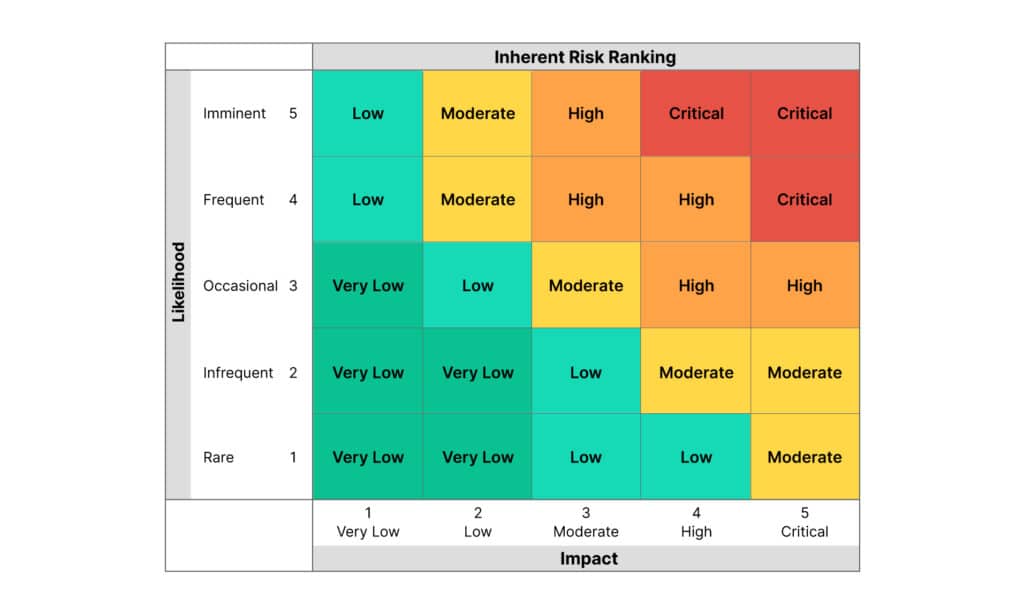
c. Risk matrix
Use a risk matrix or a similar graphical tool to visualize the relationship between impact and likelihood. Plot each identified risk on the risk matrix based on its assigned impact and likelihood scores. The intersection of impact and likelihood scores determines the overall risk score for each risk, facilitating prioritization. For example, a risk with high impact and high likelihood would be assigned a higher overall risk score compared to a risk with low impact and low likelihood.
d. Overall risk score
Calculate the overall risk score for each identified risk by combining the assigned impact and likelihood scores. This can be done using a simple arithmetic calculation, such as multiplying the impact score by the likelihood score. The resulting numerical value represents the severity or level of risk associated with each identified threat.
e. Prioritization
Prioritize risks based on their overall risk scores, focusing on high-risk threats that require immediate attention and mitigation efforts. Allocate resources and implement risk mitigation strategies based on the severity of risks and their potential impact on the organization’s objectives. By assigning numerical risk scores, organizations can systematically prioritize risks, allocate resources effectively, and implement targeted mitigation strategies to protect their assets and operations from potential threats and vulnerabilities.
Mitigation and reporting
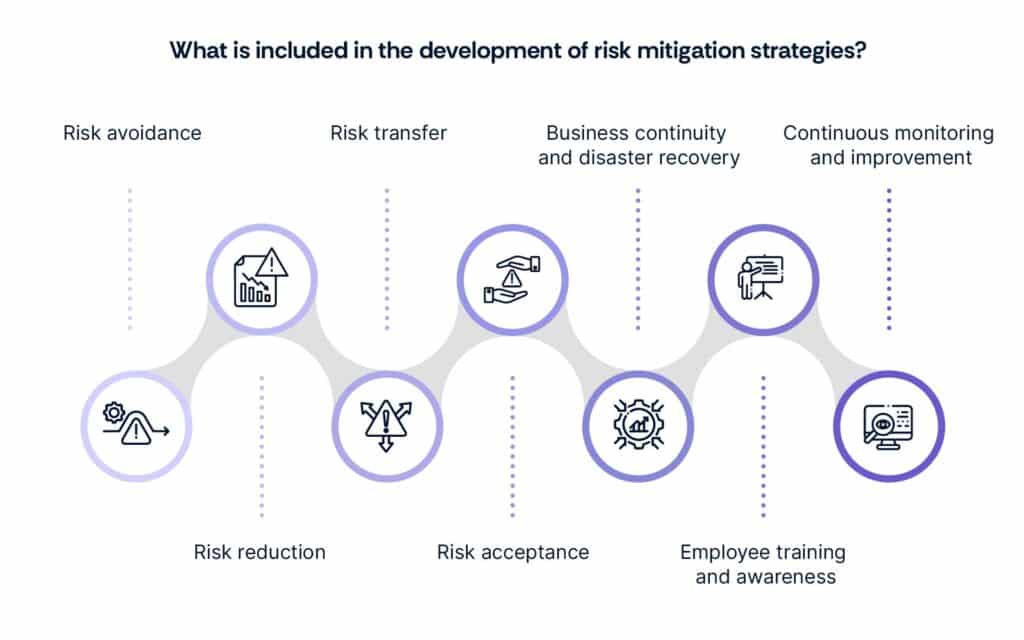
1. Developing risk mitigation strategies
Developing risk mitigation strategies involves proposing actions to reduce or eliminate the impact and likelihood of identified risks. Here’s how organizations can develop effective risk mitigation strategies:
a. Risk avoidance
Avoid risks altogether by eliminating activities, processes, or assets that pose significant threats. For example, discontinuing the use of outdated software or decommissioning legacy systems that are prone to vulnerabilities.
b. Risk reduction
Implement measures to reduce the impact or likelihood of identified risks. Enhance security controls, such as implementing firewalls, intrusion detection systems, encryption, access controls, and multi-factor authentication, to reduce the likelihood of cyber attacks. Further, implement redundancy and failover mechanisms to minimize the impact of system failures or downtime. You should conduct regular security audits, vulnerability assessments, and penetration testing to identify and address security weaknesses proactively.
c. Risk transfer
Transfer risks to third-party entities, such as insurance providers or outsourcing partners, through contractual agreements or insurance policies. Ensure that third-party vendors and service providers have adequate security measures in place to mitigate risks effectively.
d. Risk acceptance
Accept certain risks that cannot be feasibly mitigated or transferred, particularly if the cost of mitigation outweighs the potential impact. Document and communicate accepted risks to relevant stakeholders, along with contingency plans to manage and mitigate adverse consequences if they occur.
e. Business continuity and disaster recovery
Develop and implement robust business continuity and disaster recovery plans to ensure continuity of operations in the event of a disruptive incident. Establish backup and recovery procedures for critical systems and data, including off-site storage and redundancy measures. Moreover, conduct regular testing and exercises to validate the effectiveness of business continuity and disaster recovery plans and procedures.
f. Employee training and awareness
Provide comprehensive training and awareness programs to educate employees about cybersecurity best practices, data protection policies, and incident response procedures. Foster a culture of security awareness and vigilance among employees to minimize the risk of human error and insider threats.
g. Continuous monitoring and improvement
Implement mechanisms for continuous monitoring of risks, including security monitoring tools, threat intelligence feeds, and incident detection systems. Regularly review and update risk mitigation strategies in response to changes in the threat landscape, technology environment, regulatory requirements, and business operations.
2. Creating comprehensive reports
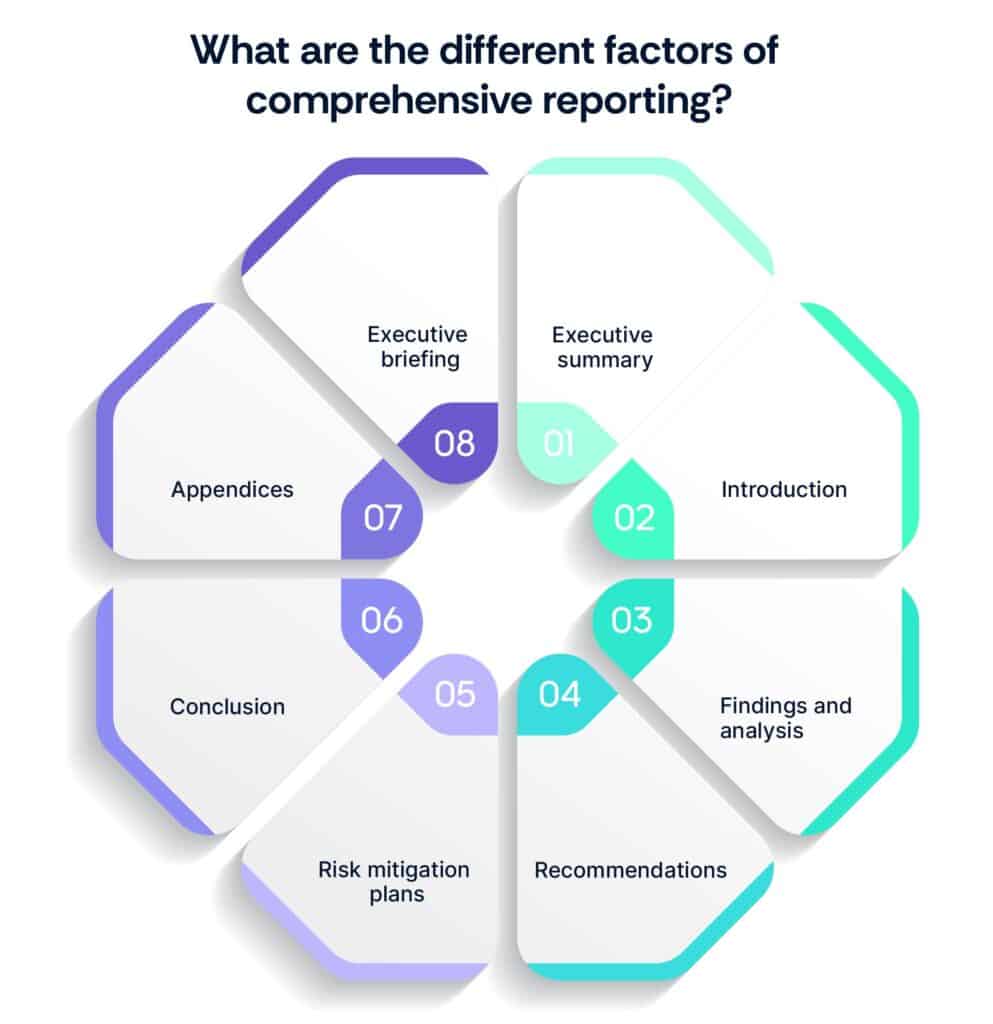
Creating comprehensive reports to document findings, recommendations, and risk mitigation plans is essential for effectively communicating with stakeholders. Here’s how to structure such reports:
a. Executive summary
Provide a concise overview of the report, highlighting key findings, recommendations, and the overall risk landscape.
Summarize the significance of identified risks and the proposed mitigation strategies.
b. Introduction
Introduce the purpose and scope of the report, including the objectives of the risk assessment and the methodology used.
Provide background information on the organization, its operations, assets, and relevant industry regulations or standards.
c. Findings and analysis
Present the findings of the risk assessment, including identified threats, vulnerabilities, and their potential impact on the organization.
Analyze the likelihood and severity of risks using quantitative data, risk-scoring models, and qualitative assessments.
Describe any trends, patterns, or common risk themes observed during the assessment process.
d. Recommendations
Propose specific recommendations for mitigating identified risks and improving the organization’s overall security posture.
Prioritize recommendations based on the severity and significance of risks, focusing on high-impact and high-likelihood threats.
Provide actionable guidance and steps for implementing each recommendation, including responsible parties, timelines, and resource requirements.
e. Risk mitigation plans
Develop detailed risk mitigation plans for addressing each identified risk, outlining specific actions, controls, and measures to reduce the impact and likelihood of threats.
Define clear objectives, milestones, and success criteria for each mitigation plan, ensuring accountability and progress tracking.
Include contingency plans and alternative strategies for managing residual risks and unforeseen challenges.
f. Conclusion
Summarize the key findings, recommendations, and risk mitigation plans discussed in the report.
Emphasize the importance of proactive risk management and the organization’s commitment to enhancing cybersecurity resilience.
g. Appendices
Include supplementary information, such as detailed risk assessment results, data analysis methodologies, risk matrices, supporting documentation, and references.
Provide additional context or background information to support the findings and recommendations presented in the main body of the report.
h. Executive briefing
Prepare a concise executive briefing or presentation summarizing the main findings, recommendations, and risk mitigation plans for senior leadership and key stakeholders.
Tailor the briefing to the audience’s level of technical expertise and prioritize key messages and actionable insights.
Conclusion
Mastering quantitative risk assessment (QRA) is pivotal for organizations navigating the complex landscape of cybersecurity and compliance. By systematically evaluating the likelihood and consequences of hazardous events and expressing results numerically as risk, organizations can effectively prioritize, allocate resources, and implement targeted mitigation strategies.
Through a comprehensive understanding and application of quantitative risk analysis fundamentals, including gathering asset inventory, identifying threats and vulnerabilities, assessing impact and likelihood, conducting quantitative risk analysis, developing mitigation strategies, and creating comprehensive reports, organizations can bolster their resilience against evolving cyber threats.
Embracing proactive risk management not only safeguards assets, reputation, and operational continuity but also reinforces the organization’s commitment to cybersecurity resilience. As threats continue to evolve, the mastery of quantitative risk analysis remains an indispensable tool for organizations striving to navigate the dynamic cybersecurity landscape with confidence and agility.
Ready to take your risk management to the next level? Discover the power of Scrut. Our comprehensive risk management platform empowers organizations to assess, analyze, and mitigate risks effectively. With intuitive tools and advanced features, Scrut streamlines the entire risk management process, helping you safeguard your assets and enhance cybersecurity resilience. Get started today and experience peace of mind in an ever-evolving threat landscape. Take control with Scrut!
FAQs
1. What is Quantitative Risk Assessment (QRA)?
Quantitative Risk Assessment (QRA) is a structured method used to evaluate the likelihood and consequences of hazardous events in numerical terms, expressing them as risk. In the context of cybersecurity and compliance, QRA helps organizations measure and manage risks associated with digital assets, threats, and vulnerabilities.
2. What are some common threats and vulnerabilities assessed in QRA?
Common threats and vulnerabilities assessed in quantitative risk analysis include cyber attacks (e.g., malware, phishing, ransomware), natural disasters, human error, insider threats, software vulnerabilities, network vulnerabilities, physical security weaknesses, and third-party risks.
3. What methodologies and models are used in Quantitative risk analysis?
Quantitative risk analysis utilizes methodologies such as the Risk Matrix, Failure Mode and Effects Analysis (FMEA), and the ISO 31000 risk management framework. Mathematical models, probabilistic techniques, and statistical analysis are employed to quantify risks based on impact and likelihood.
2 May 2024
7minutes
Authored by
Aayush Ghosh Choudhary
Co-founder & CEO at Scrut
How to perform a SWOT analysis for cyber risk quantification
Cyber Risk Quantification (CRQ) is the process of evaluating and measuring the potential financial impact and exposure of cyber risks to an organization in terms that are relevant to its business operations. This involves assessing vulnerabilities, threats, and their likelihood of occurrence to prioritize mitigation efforts effectively. There are various cyber risk quantification methods, including FMEA, event tree analysis, and SWOT analysis. In this article, we will concentrate on SWOT analysis as a cyber risk quantification method.
1. Understanding cyber risk quantification
Cyber risk quantification involves calculating the potential financial impact of cyber threats on an organization in terms relevant to its business operations. This process assigns numerical values to assess the impact of cyber events, aiding in decision-making regarding cybersecurity resource allocation and risk management strategies.
It’s crucial for businesses to conduct CRQ to prioritize mitigation efforts effectively, allocate cybersecurity resources efficiently, and understand the potential financial consequences of cyber threats. By quantifying cyber risks, organizations can make informed decisions to strengthen their security posture and minimize financial losses.
1.1 Automation in cyber risk quantification
A cyber risk quantification solution is a comprehensive tool or platform designed to help organizations assess, measure, and manage their exposure to cyber risks in a quantifiable manner. These cyber risk quantification tools typically employ various methodologies, algorithms, and data analysis techniques to evaluate the potential financial impact of cyber threats on an organization’s operations and assets.
Key features of a cyber risk quantification software may include:
Risk assessment: Conduct thorough assessments of an organization’s cybersecurity posture, including vulnerabilities, threat landscape, and potential impact on business operations.
Financial impact analysis: Estimating the potential financial losses associated with cyber incidents, such as data breaches, system outages, or regulatory fines.
Scenario modeling: Simulating different cyberattack scenarios to understand their potential impact on business operations and financial outcomes.
Risk prioritization: Prioritizing cyber risks based on their severity, likelihood of occurrence, and potential financial impact to focus mitigation efforts on the most critical areas.
Decision support: Providing actionable insights and recommendations to help organizations make informed decisions regarding cybersecurity investments, resource allocation, and risk management strategies.
Overall, a cyber risk quantification solution aims to empower organizations to proactively identify, assess, and mitigate cyber risks, ultimately enhancing their cybersecurity resilience and minimizing the potential impact of cyber threats on their operations and finances.
2. Overview of SWOT analysis
SWOT analysis is a strategic planning tool used to identify and analyze an organization’s internal strengths and weaknesses, as well as external opportunities and threats.
Strengths:
These are internal factors that give an organization an advantage over others. In the context of cyber risk quantification, strengths could include robust cybersecurity measures, skilled cybersecurity personnel, and effective incident response protocols. Identifying strengths helps organizations leverage existing resources to mitigate cyber risks more effectively.
Weaknesses:
These are internal factors that may hinder an organization’s performance and competitiveness. Weaknesses in cybersecurity infrastructure, lack of employee training, or outdated software can increase vulnerability to cyber threats. Understanding weaknesses allows organizations to address vulnerabilities and strengthen their security posture.
Opportunities:
These are external factors that present potential advantages or avenues for growth. Opportunities in cyber risk quantification may include advancements in cybersecurity technologies, regulatory compliance requirements, or emerging markets for cybersecurity services. Identifying opportunities enables organizations to adapt and capitalize on favorable conditions.
Threats:
These are external factors that could pose risks or challenges to an organization. In the context of cyber risk quantification, threats encompass various cyber threats such as malware, phishing attacks, data breaches, and insider threats. Recognizing threats allows organizations to implement proactive measures to mitigate risks and protect against potential cyberattacks.
3. Conducting a SWOT analysis for cyber risk
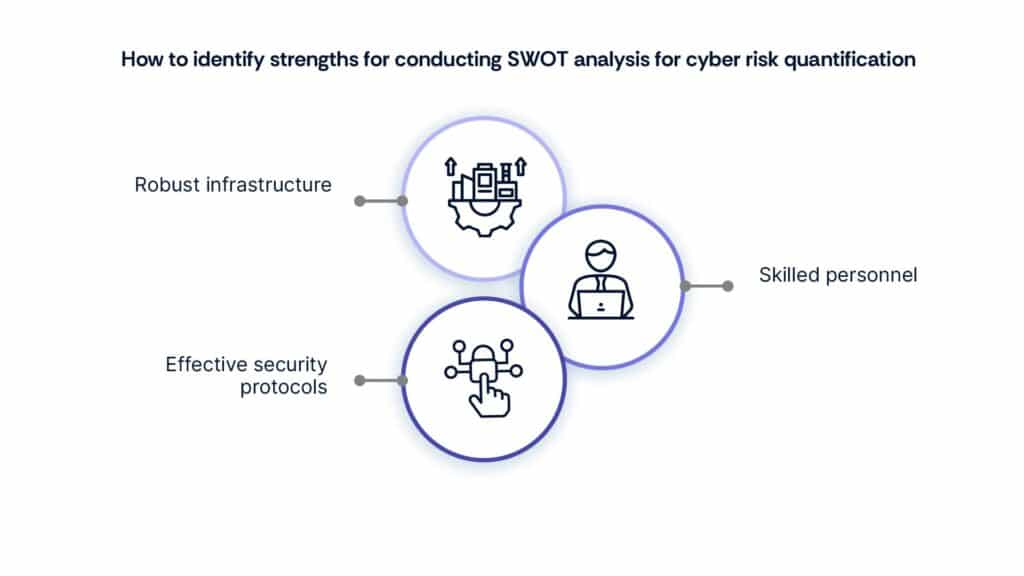
3.1 Identifying strengths
Identifying the internal strengths of an organization related to cybersecurity involves thorough assessment and analysis. Here’s detailed guidance on identifying these strengths:
Robust infrastructure: Evaluate the organization’s IT infrastructure, including networks, servers, and endpoints, to determine its resilience against cyber threats. Look for redundant systems, encryption protocols, and secure configurations.
Skilled personnel: Assess the expertise and qualifications of the cybersecurity team. Consider factors such as certifications, training programs attended, and experience in handling various cyber incidents.
Effective security protocols: Analyze the organization’s security policies, procedures, and controls. Check for measures such as access management, regular security updates, incident response plans, and compliance with industry standards and regulations.
Identifying these strengths provides insight into the organization’s ability to defend against cyber threats effectively and enhances its cybersecurity posture.
3.2 Recognizing weaknesses
To recognize internal weaknesses in cybersecurity preparedness, consider the following tips:
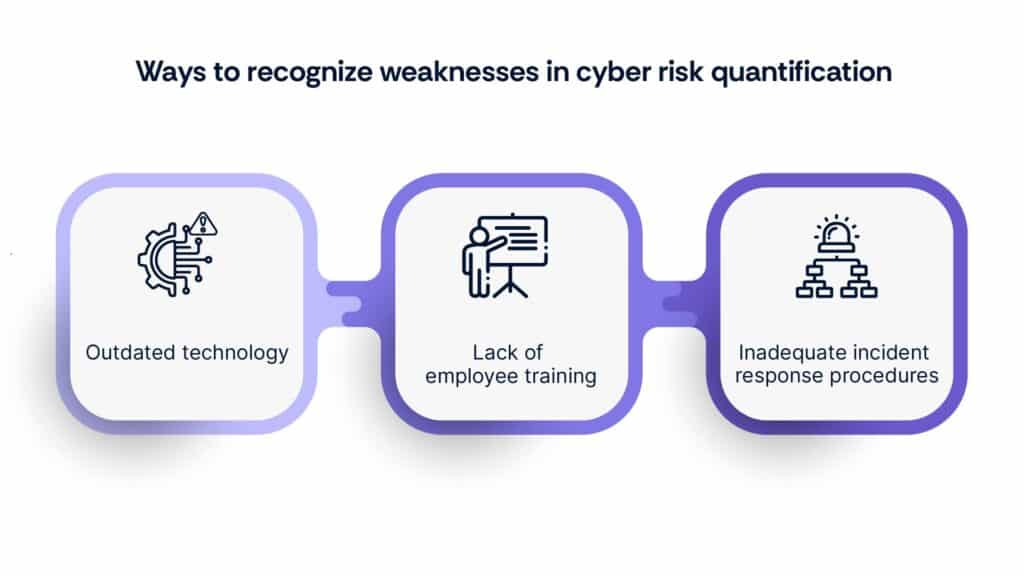
Outdated technology: Assess the organization’s technology infrastructure for obsolete software, hardware, or unsupported systems. Look for vulnerabilities that may arise due to outdated patches or unsupported applications.
Lack of employee training: Evaluate the level of cybersecurity awareness and training among employees. Identify gaps in knowledge regarding phishing scams, social engineering tactics, and safe data handling practices.
Inadequate incident response procedures: Review the incident response plan to ensure it is comprehensive and up to date. Identify any shortcomings in processes for detecting, analyzing, and mitigating security incidents.
Recognizing these weaknesses enables organizations to proactively address them and strengthen their cybersecurity posture.
3.3 Exploring opportunities
To identify external opportunities for enhancing cyber risk management, consider the following strategies:
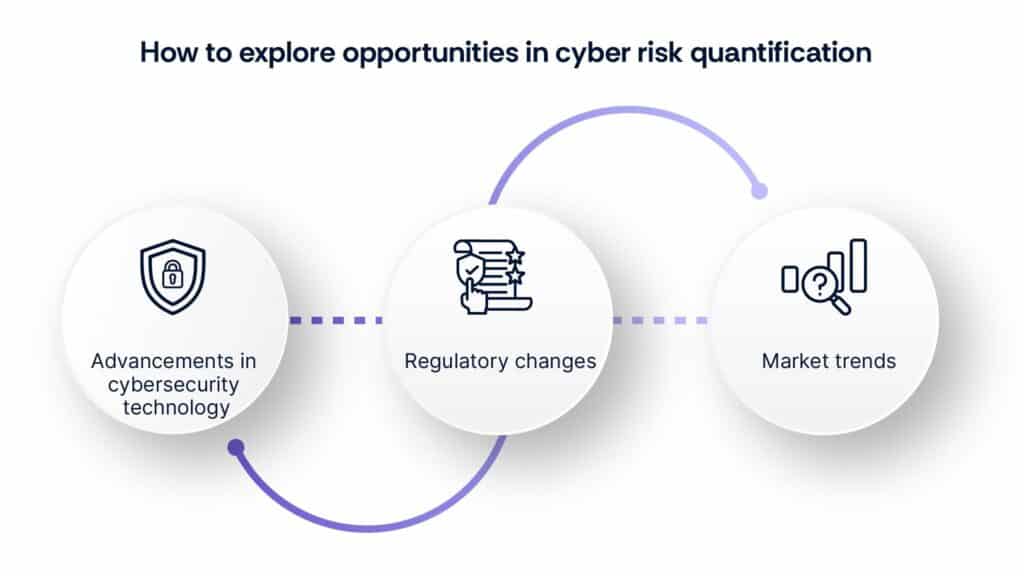
Advancements in cybersecurity technology: Stay updated on emerging technologies such as AI-driven security tools, blockchain for data integrity, or cloud-based security solutions. These advancements can offer more robust protection against evolving cyber threats.
Regulatory changes: Monitor regulatory changes in data protection laws, industry standards, and compliance requirements. Leveraging these changes can help align cybersecurity practices with regulatory expectations and mitigate legal risks.
Market trends: Analyze market trends related to cybersecurity investments, threat intelligence sharing platforms, or cyber insurance options. Identifying emerging trends allows organizations to adapt their risk management strategies to current industry practices.
By actively exploring these external opportunities, organizations can enhance their cyber risk management practices and stay ahead of potential threats.
3.4 Identifying threats
To identify external threats effectively, consider the following methods:
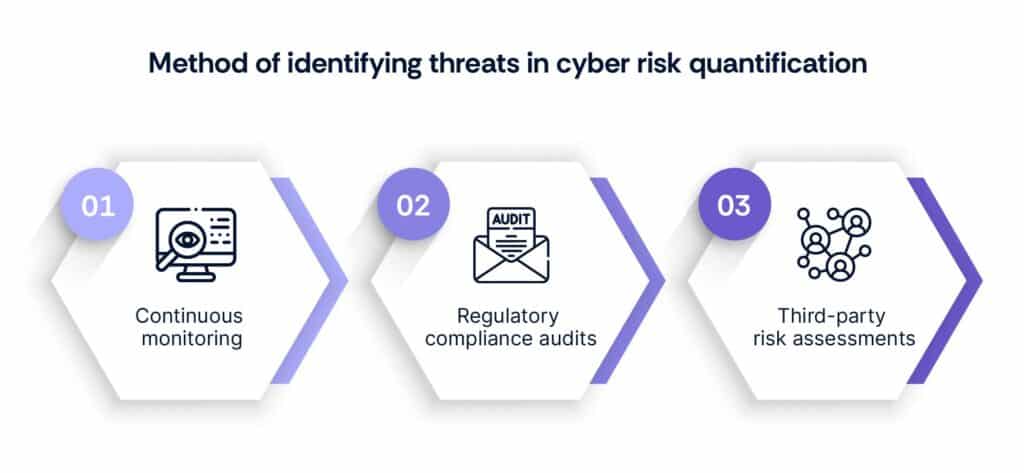
Continuous monitoring: Implement systems for continuous monitoring of cyber threats, including threat intelligence feeds, security information and event management (SIEM) solutions, and penetration testing.
Regulatory compliance audits: Conduct regular audits to ensure compliance with industry regulations and standards. This helps identify potential regulatory non-compliance risks and ensures that appropriate measures are taken to address them.
Third-party risk assessments: Regularly assess the cybersecurity posture of third-party vendors and partners. Evaluate their security practices, data handling procedures, and compliance with security standards to identify vulnerabilities in third-party relationships.
By employing these methods, organizations can proactively identify and mitigate external threats, safeguarding their assets and data from potential cyberattacks.
4. Analyzing and prioritizing findings
To effectively prioritize actions for cyber risk mitigation and management based on the SWOT analysis, follow these steps:
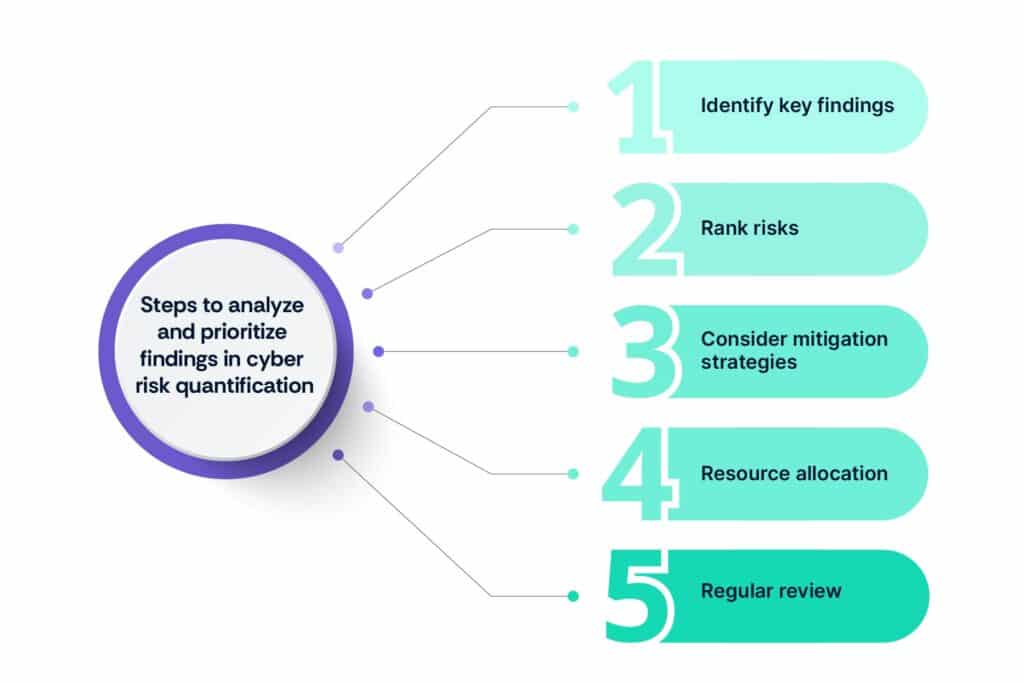
Identify key findings: Review the SWOT analysis to identify the most critical strengths, weaknesses, opportunities, and threats related to cybersecurity. Focus on factors with the highest impact on the organization’s security posture.
Rank risks: Prioritize risks based on their severity and likelihood of occurrence. Assign a risk score or rating to each identified risk to quantify its potential impact on the organization.
Consider mitigation strategies: Evaluate potential mitigation strategies for each identified risk. Determine which actions can address multiple risks effectively and efficiently.
Resource allocation: Allocate resources based on the prioritized risks. Invest resources where they can have the most significant impact on reducing cyber risks and enhancing cybersecurity resilience.
Regular review: Continuously monitor and review the effectiveness of mitigation efforts. Update the prioritization of actions as new threats emerge or the organization’s risk landscape evolves
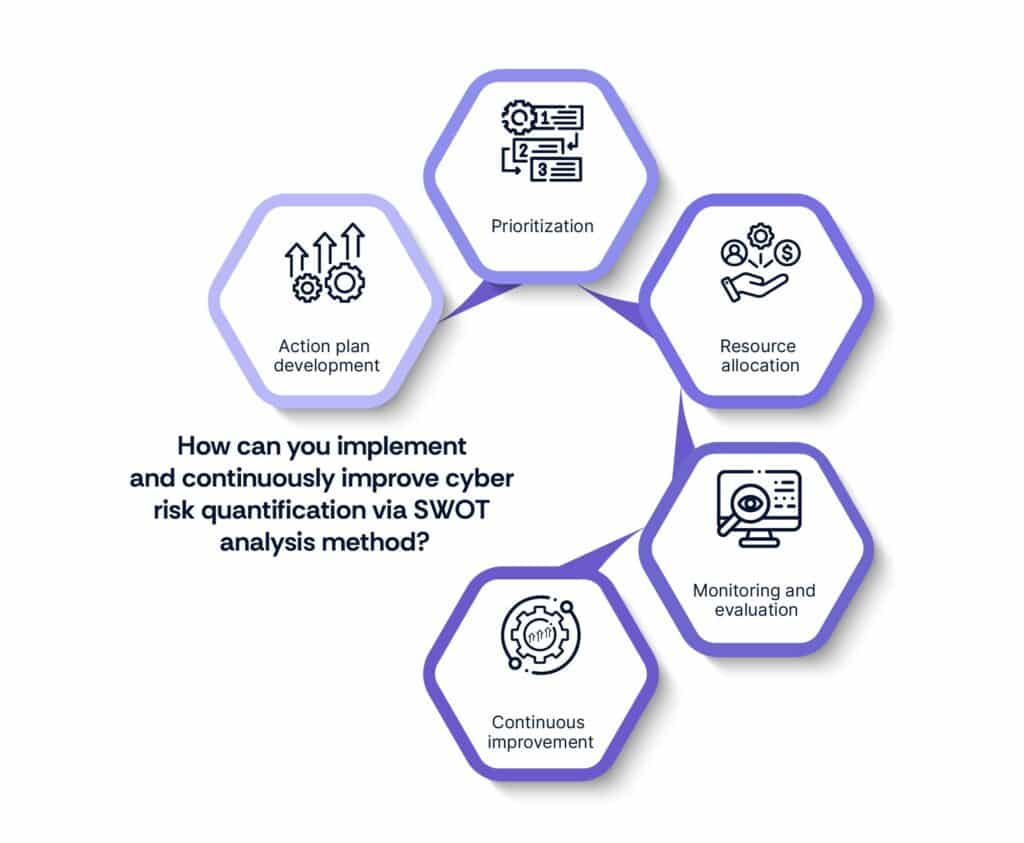
5. Implementation and continuous improvement
Implementing action plans derived from the SWOT analysis requires a structured approach:
Action plan development: Based on identified strengths, weaknesses, opportunities, and threats, develop specific action plans to address each aspect. Assign responsibilities, set timelines, and define measurable objectives for each action.
Prioritization: Prioritize action items based on their impact and urgency. Focus on addressing critical weaknesses and leveraging significant opportunities first to maximize effectiveness.
Resource allocation: Allocate resources effectively to support the implementation of action plans. Ensure that the necessary budget, manpower, and technology are available to execute the planned initiatives.
Monitoring and evaluation: Establish processes for ongoing monitoring and evaluation of the implemented action plans. Regularly assess progress against predefined metrics and adjust strategies as needed to stay aligned with organizational goals.
Continuous improvement: Foster a culture of continuous improvement by encouraging feedback and learning from experiences. Periodically reassess the SWOT analysis to identify emerging trends, evolving risks, and new opportunities. Use insights gained to refine action plans and enhance organizational resilience.
By following these recommendations, organizations can effectively implement action plans derived from the SWOT analysis and establish robust processes for ongoing monitoring, reassessment, and continuous improvement of their cybersecurity posture.
Conclusion
In conclusion, Cyber Risk Quantification (CRQ) is vital for organizations to effectively navigate cybersecurity threats. Techniques like SWOT analysis offer invaluable insights into strengths, weaknesses, opportunities, and threats. By understanding these factors, organizations can prioritize mitigation efforts, allocate resources efficiently, and fortify their security posture.
SWOT analysis aids in identifying internal strengths, weaknesses, external opportunities, and threats related to cybersecurity. Through meticulous assessment, organizations can develop actionable insights to address vulnerabilities, capitalize on opportunities, and mitigate risks effectively.
Implementing action plans derived from SWOT analysis requires a structured approach, including plan development, prioritization, resource allocation, monitoring, evaluation, and continuous improvement. This methodology establishes robust processes for ongoing monitoring, reassessment, and enhancement of cybersecurity posture.
In summary, CRQ, particularly through techniques like SWOT analysis, empowers organizations to proactively manage cyber threats, minimize financial losses, and navigate the evolving threat landscape with confidence and resilience.
Ready to fortify your organization’s defenses against cyber threats? Schedule a demo with Scrut for Risk Management today and take proactive steps towards safeguarding your digital assets. Protect your business with confidence. Get started now!
FAQs
1. What is SWOT analysis, and how does it relate to cyber risk quantification?
SWOT analysis is a strategic planning tool used to identify and analyze an organization’s internal strengths and weaknesses, as well as external opportunities and threats. In the context of cyber risk quantification, SWOT analysis helps organizations identify strengths and weaknesses in their cybersecurity posture, as well as external opportunities and threats in the cyber landscape.
2. How does SWOT analysis help organizations in managing cyber risks?
SWOT analysis provides organizations with insights into their cybersecurity strengths, weaknesses, opportunities, and threats. By understanding these factors, organizations can develop targeted strategies to address vulnerabilities, capitalize on opportunities, and mitigate risks effectively.
3. What are some examples of strengths and weaknesses in cybersecurity identified through SWOT analysis?
Examples of strengths could include robust cybersecurity measures, skilled cybersecurity personnel, and effective incident response protocols. Weaknesses may include outdated technology, lack of employee training, and inadequate incident response procedures.
19 Apr 2024
5minutes
Authored by
Aayush Ghosh Choudhary
Co-founder & CEO at Scrut
Your ultimate guide to ISO 42001:2023
The rise of artificial intelligence (AI) in various industries brings numerous benefits but also widens the cybersecurity gap. AI adoption promises automation and innovation, enhancing efficiency and customer experiences.
However, cybercriminals exploit AI’s capabilities for sophisticated attacks, posing challenges to traditional security measures. AI’s complexity and data reliance also raise privacy and ethical concerns, demanding transparency and accountability.
To address the cybersecurity gap, organizations must invest in robust security measures, proactive risk management, and cybersecurity awareness. Collaboration among stakeholders is crucial for effectively mitigating AI-related threats.
In addition to this, governments must take concrete steps to regulate cybersecurity in AI-dominated industries. Therefore, the International Organization for Standardization (ISO) and the International Electrotechnical Commission (IEC) introduced ISO/IEC 42001:2023. It helps organizations with standardization, risk management, and ethical considerations to be taken into account in AI-dominant environments.
What is ISO 42001:2023?
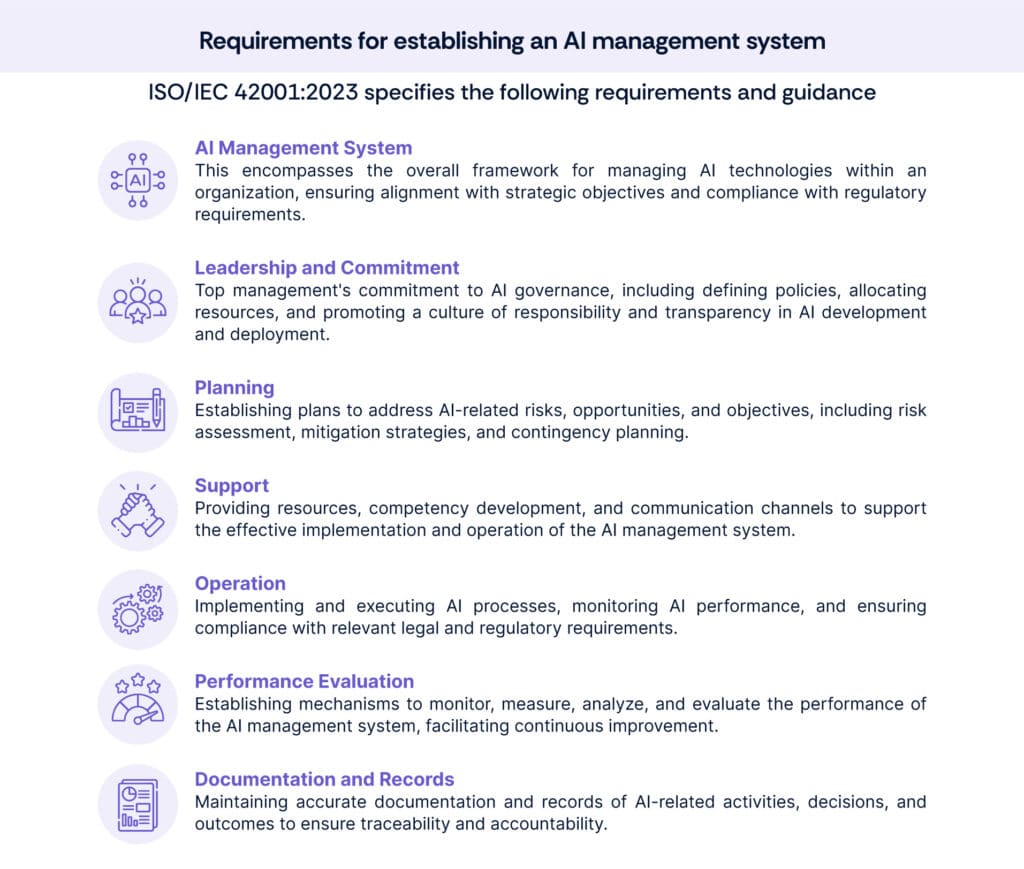
ISO 42001:2023 is an international standard titled “Artificial Intelligence — Management System.” Officially, it is “an international standard that specifies requirements for establishing, implementing, maintaining, and continually improving an Artificial Intelligence Management System (AIMS) within organizations”
Artificial Intelligence poses specific challenges such as ethical considerations, transparency, and accountability.
ISO 42001:2023 standard is designed to assist organizations in effectively managing AI-related risks ensuring responsible and accountable development, deployment, and usage of AI technologies. It aims to enhance trust in AI systems, promote consistency in AI governance, and facilitate international harmonization of AI management practices.
ISO 42001 is central to responsible AI standards, covering AI management. It aims to balance clear AIMS requirements with flexibility in implementation. It relies on other standards for detailed AI application guidance.
Some examples of other standards referenced in ISO 42001 are:
ISO 24029-1 Assessment of the robustness of neural networks
What are the key considerations for ISO 42001:2023?
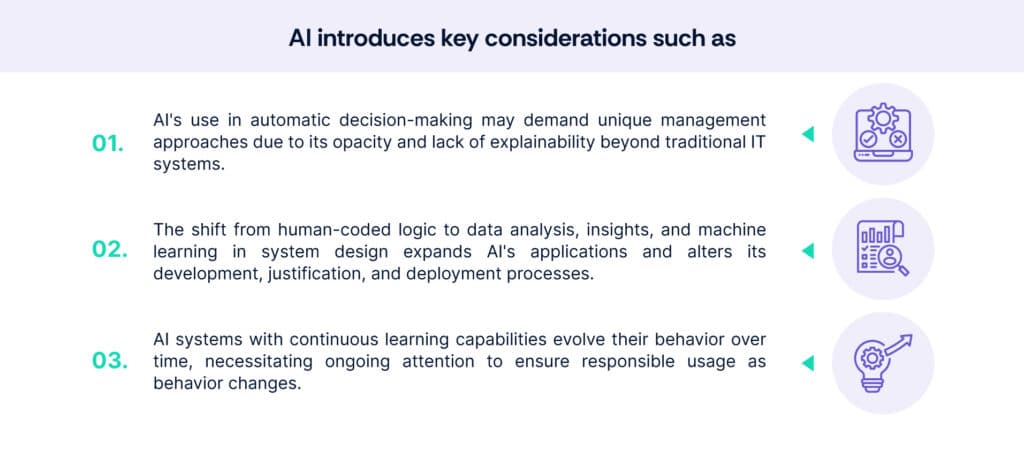
As stated above, ISO 42001:2023 provides requirements for establishing, implementing, maintaining, and continually improving an AI management system within the context of an organization. Organizations should prioritize requirements tailored to AI’s unique traits. Features like continual learning or lack of transparency may need special precautions. Adopting an AI management system, or AIMS is a strategic move for organizations.
ISO 42001 aims to guide organizations in responsibly handling AI systems, including their usage, development, monitoring, and provision of AI-based products or services.
“ISO/IEC 42001:2023 is a first-of-its-kind AI international standard that will enable certification, increase consumer confidence in AI systems, and enable broad responsible adoption of AI,” said Wael William Diab, chair of SC 42. “This novel approach takes the proven management systems approach and adapts it to AI. The standard is broadly applicable across a wide variety of application domains and will help unlock the societal benefits of AI while simultaneously addressing ethical and trustworthy concerns.”
Scope and applicability of ISO 42001:2023 standard
ISO/IEC 42001:2023 is designed for organizations involved in the development or use of AI technologies, helping them to do so responsibly to achieve their goals and meet relevant obligations. The scope covers organizations of any size or industry that deal with products or services utilizing AI systems. Moreover, all types of organizations, whether public or private fall under the scope of this standard.
Key components of ISO 42001:2023
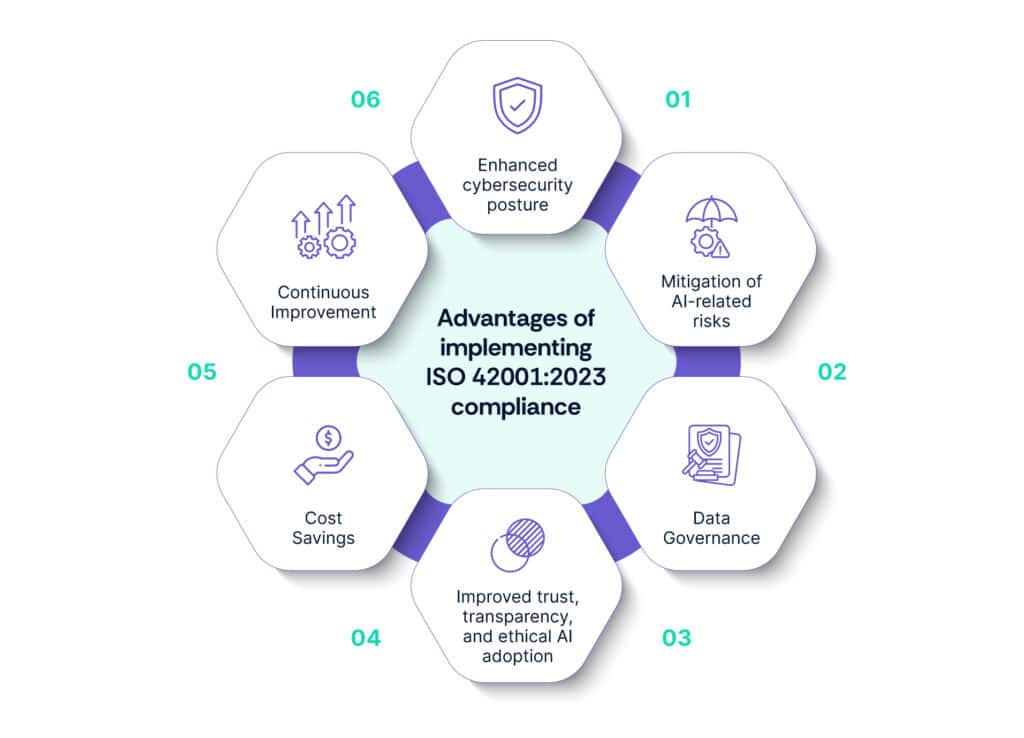
Benefits of ISO 42001:2023 Compliance
1. Enhanced cybersecurity posture
ISO 42001:2023 compliance strengthens an organization’s cybersecurity posture by providing guidelines for managing AI-related security risks. By implementing robust security measures and protocols, organizations can safeguard AI systems from cyber threats, vulnerabilities, and attacks. This proactive approach to cybersecurity helps protect sensitive data, intellectual property, and critical infrastructure from unauthorized access, breaches, and exploitation.
2. Mitigation of AI-related risks
ISO 42001:2023 aids in the mitigation of AI-related risks by establishing a systematic framework for risk management. Organizations can identify, assess, and address potential risks associated with AI technologies, such as bias, data privacy, algorithmic fairness, and unintended consequences. By proactively managing these risks, organizations can minimize negative impacts on stakeholders, operations, and reputation while maximizing the benefits of AI adoption.
3. Data Governance
At the core of AI systems, data plays a pivotal role, underscoring the importance of robust data governance goals. It is imperative for organizations to establish objectives concerning data quality, integrity, security, and adherence to regulations. This involves defining targets for data collection, processing, storage, and sharing procedures while also ensuring alignment with pertinent data protection laws.
4. Improved trust, transparency, and ethical AI adoption
ISO 42001:2023 promotes trust, transparency, and ethical AI adoption by providing guidelines for responsible AI governance. By adhering to international standards for AI management, organizations can demonstrate their commitment to ethical principles, fairness, accountability, and human rights.
This fosters trust among stakeholders, including customers, employees, regulators, and the public, and encourages the responsible development and deployment of AI technologies. Moreover, transparency in AI decision-making processes enhances understanding, acceptance, and ethical use of AI systems.
5. Cost Savings
Implementing ISO 42001:2023 can result in cost savings and improved efficiency for organizations. By streamlining AI management processes, reducing the likelihood of errors or incidents, and optimizing resource allocation, organizations can minimize operational costs and enhance overall productivity.
This enables them to allocate resources more effectively towards innovation, growth, and strategic initiatives.
6. Continuous Improvement
ISO 42001:2023 encourages organizations to embrace a culture of continuous improvement in AI management. By establishing processes for monitoring, measuring, and evaluating AI management practices, organizations can identify areas for enhancement and implement corrective actions proactively.
This iterative approach to improvement ensures that AI management practices remain relevant, effective, and aligned with organizational goals and evolving industry trends.
Achieving ISO 42001:2023 Certification
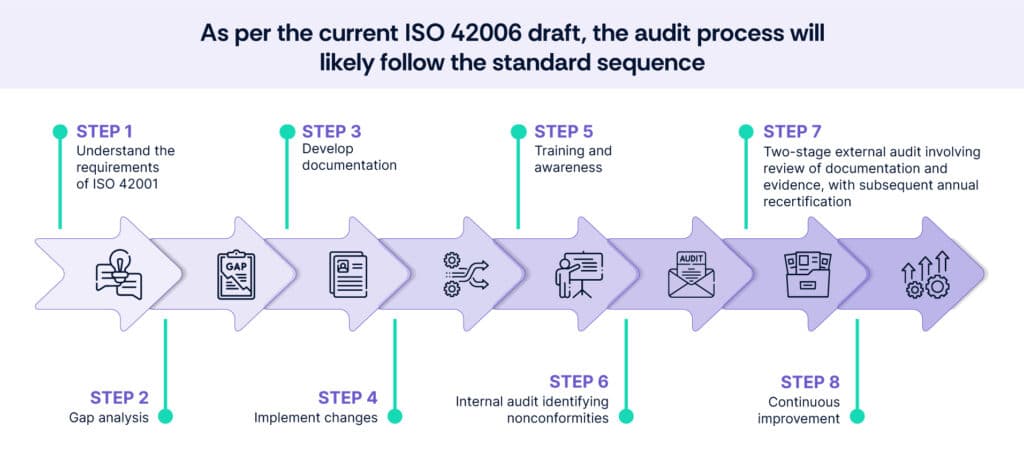
To achieve ISO 42001 certification, organizations need to pass an audit by a certification body. However, the ISO 42006 standard, which sets the requirements for such bodies, is still in development, meaning no certifications can be granted as of the first quarter of 2024. Nevertheless, the standard can be utilized for voluntary assessments internally and by third parties. Conducting an early gap analysis based on the published standard can expedite preparations for official certification once it’s available.
How can Scrut help in the implementation of ISO 42001:2023?
Structured Approach: Scrut offers a systematic framework to navigate the complexities of AI management systems (AIMS), aligning with the requirements of ISO 42001:2023.
Mitigating Risks: Scrut assists in mitigating associated risks by providing tools and processes for risk governance and management, which are essential aspects of ISO 42001 implementation.
Compliance Guidance: Scrut helps organizations understand and adhere to the requirements of ISO 42001:2023, ensuring compliance with the standard’s guidelines for establishing, implementing, maintaining, and improving AIMS.
Training and Education: By promoting responsible AI development and usage, Scrut provides training and education on ISO 42001:2023, contributing to the ethical and sustainable deployment of AI technologies.
Expert Validation Processes: Scrut integrates human-expert-in-the-loop validation processes, enhancing cybersecurity frameworks to support secure and reliable AI management systems.
Scrut’s comprehensive features and capabilities make it a valuable tool for organizations seeking to implement ISO 42001:2023 effectively, ensuring responsible AI governance and compliance with international standards.
Conclusion
In conclusion, ISO 42001:2023 serves as a pivotal standard for organizations navigating the complexities of AI management. By providing a systematic framework and guidelines for responsible AI governance, ISO 42001:2023 empowers organizations to mitigate risks, enhance cybersecurity posture, and promote trust and transparency in AI adoption.
Through compliance with ISO 42001:2023, organizations can demonstrate their commitment to ethical principles, accountability, and continuous improvement in AI management practices. As governments and industries increasingly rely on AI technologies, ISO 42001:2023 plays a crucial role in shaping the future of AI governance and ensuring the responsible development, deployment, and usage of AI systems.
Empower your organization with Scrut today and lead the way in ethical and sustainable AI governance. Get started now and transform your AI strategy with Scrut!
16 Apr 2024
6minutes
Authored by
Aayush Ghosh Choudhary
Co-founder & CEO at Scrut
Scrut dazzles with 5 Momentum Leader Awards and 152 Badges in G2’s Spring 2024 Report
We’ve outdone ourselves, and how! Scrut brought home a whopping 152 badges in G2’s Spring 2024 Report. This includes 5 Momentum Leader awards and 3 Leader badges in important security and compliance categories.
G2 is the ultimate platform for customers to explore, compare, and review tech solutions tailored to their specific needs, and we’re grateful to be recognized by them every quarter.
This recognition would not be possible without the continued support of our wonderful customers! Their unending faith in us fuels us to keep topping ourselves to serve them even better.
Read on to explore the badges we received in this season’s G2 report.
On top of the game with 5 Momentum Leader badges
Being named a Momentum Leader in five categories has us beaming with gratitude!
Security Compliance, Cloud Compliance, Vendor Security and Privacy Assessment, Cloud Security Posture Management, and IT Asset Management are areas we’ve worked hard to strengthen, and we are ecstatic to see our efforts pay off.
We will continue to work hard to deliver top-notch services and products that boost the information security of our clients.
Standing proud with 3 Leader badges
Being recognized as leaders in Cloud Security, Cloud Security Posture Management, and Security Compliance lets us know that our efforts to keep our customers’ organizations secure and compliant have not gone unnoticed.
This recognition spurs us to keep innovating and pushing boundaries, ensuring that we continue to set the standard for excellence in security and compliance.
Putting security on the map with 10 Leader badges from around the world
As we continue to grow, we aim to serve as many companies as possible. Being acknowledged as Regional Leaders by G2 is a real honor that reflects our dedication.
We’re thankful for this recognition and excited about the opportunities it brings to expand our impact.
Winning ten Regional Leader badges across four categories—Cloud Compliance, Security Compliance, Cloud Security Posture Management, and Vendor Security and Privacy Assessment—has energized us to keep pushing forward.
Scaling new heights with 42 High Performer badges
We’re absolutely thrilled to have clinched 42 High Performer badges!
Being acknowledged as a high performer across nine categories—such as Cloud Compliance, Cloud Security, Cloud Security Posture Management, and more—fuels our drive to continually raise the bar and provide top-notch products and services to our customers.
Winning over 30 badges in both mid-market and enterprise segments further reinforces our dedication to excellence across various business scales.
Notable badges that we earned
Scrut shines with 18 Best Usability badges, 16 Best Results badges, and six Most Implementable badges—highlighting our product’s user-friendliness and effectiveness.
We continue to be a crowd favorite, securing 16 Best Relationship badges, 8 Users Most Likely to Recommend badges, and three Highest User Adoption badges.
Elevating Cloud Compliance with 30 badges
Making sure your cloud architecture stays compliant is a top priority for us, and earning 30 badges in this category shows just how dedicated we are in this area.
We’re excited to be recognized as both a Momentum Leader and a Leader in Cloud Compliance. Our commitment remains strong as we continue to expand our efforts, making cloud compliance accessible to businesses of all sizes across the globe.
Boosting Cloud Security with 17 badges
We’ve snagged 17 badges in cloud security, reaffirming that organizations can trust us to safeguard their cloud architecture.
It’s truly rewarding to be recognized as a leader in this field, and we’re committed to staying on top of our game to provide you with top-notch solutions for securing your cloud!
Redefining Cloud Security Posture Management with 26 badges
Receiving the Momentum Leader badge in Cloud Security Posture Management confirms our platform’s role as a vigilant system, ensuring no vulnerability slips through the cracks!
We’re ramping up efforts to enhance cloud security posture management even further. Our goal? To provide customers with an even stronger and more resilient defense against potential threats.
Honing IT Asset Management with 25 badges
We’re thrilled to have earned 25 badges for our efforts in optimizing the use of IT resources!
Our belief in efficiently managing IT resources throughout their lifecycle has paid off, earning us 13 High Performer badges in this category!
Bolstering Security Compliance with 10 badges
Being recognized as both a Momentum Leader and Leader in Security Compliance signals that our customers appreciate the dedication we pour into keeping them compliant.
We’re all about making security compliance a breeze for our customers, and it’s a source of pride to witness them reap the rewards of our efforts.
Fortifying Third Party and Supplier Risk Management with 10 badges
We’re thrilled to have earned 5 High Performer badges in Third Party and Supplier Risk Management! Managing vendor risks is a key focus for us, and it’s fantastic to know our clients value our dedication.
Our commitment remains strong in ensuring our clients have secure third-party relationships, providing them with peace of mind to drive their business forward.
Enhancing Vendor Security and Privacy Assessment with 11 badges
We believe vendor security is essential for a robust security setup, and we’re proud to have earned 11 badges in this area.
You can count on us to keep enhancing vendor security and privacy assessment, fostering stronger relationships between our customers and their vendors.
Mastering Attack Surface Management with 12 badges
With our all-inclusive platform and know-how, we equip organizations with the tools and insights to spot, evaluate, and tackle security risks across their attack surfaces proactively.
It’s fulfilling to see our commitment to strengthening cybersecurity acknowledged with 12 badges. We’re ready to step up our game and enhance our clients’ attack surface management even further in the upcoming quarter.
Optimizing Audit Management with 11 badges
Improving Audit Management is at the heart of what we do, and we’re thrilled to receive recognition in this area. These badges highlight our dedication to delivering strong solutions that simplify and enhance the audit process for our clients.
Looking ahead, our goal is to keep getting better. We’re committed to providing organizations with the tools and support they require to navigate audits smoothly and confidently, ensuring their continued success.
Breaking records. Fixing security.
Our G2 win is yet another stepping stone to greater heights in the world of security and compliance.
If you need a second opinion on our products and services, be sure to read our customer reviews by clicking here.
We’re dedicated to meeting all your infosec needs with our innovative platform. Schedule a demo with us today to see how we can take your company’s information security to the next level.
10 Apr 2024
6minutes
Authored by
Aayush Ghosh Choudhary
Co-founder & CEO at Scrut
Introducing the new NIST CSF 2.0
In 2024, the National Institute of Standards and Technology Cybersecurity Framework (NIST CSF) underwent a major upgrade after a significant ten-year gap. The NIST CSF 2.0 was finally released on February 26, 2024, after taking into consideration numerous comments received on the proposed changes for the same.
In this article, we will talk about the new factors of NIST CSF 2.0.
1. NIST CSF 2.0 has widened its scope
The NIST CSF 2.0 has significantly broadened its scope to address a wider array of cybersecurity challenges and risks. By doing so, it ensures that organizations are better equipped to address modern cyber threats and challenges.
Here are key aspects of its expanded scope:
Inclusion of Supply Chain Cybersecurity: NIST CSF 2.0 now incorporates supply chain cybersecurity, recognizing the interconnectedness of organizations and the importance of securing the entire supply chain. This addition aims to mitigate risks associated with third-party vendors and partners.
Coverage of Emerging Technologies: The updated framework acknowledges the emergence of new technologies such as artificial intelligence, IoT, and cloud computing. It offers guidance on securing these technologies effectively, ensuring organizations stay resilient amidst technological advancements.
Expansion Beyond Critical Infrastructure: NIST CSF 2.0 goes beyond protecting critical infrastructure like hospitals and power plants. It now encompasses a broader range of industries, including healthcare, finance, government, and academia, reflecting the evolving cybersecurity landscape.
Applicability to Organizations of All Sizes: The framework is designed to assist organizations of varying sizes and sectors in promoting cybersecurity best practices across industries. Whether a small business or a large enterprise, organizations can leverage NIST CSF 2.0 to manage and reduce their cybersecurity risks effectively.
2. NIST CSF 2.0 has introduced the new “Govern” function
The new “Govern” function introduced in NIST CSF 2.0 signifies a paradigm shift towards a more comprehensive and strategic approach to cybersecurity governance. Here’s a deeper dive into its key aspects:
Strategic Emphasis: The Govern function is not merely operational but focuses on strategic elements such as organizational context, aligning cybersecurity efforts with business goals, and integrating cybersecurity risk management into broader enterprise risk management strategies.
Governance Structure Guidance: It offers detailed guidance on establishing and maintaining an effective governance structure tailored to support an organization’s unique cybersecurity objectives.
Risk Integration: The Govern function ensures the integration of cybersecurity risk management into the organization’s overall risk management strategy, fostering a more cohesive and coordinated approach.
Holistic Cybersecurity Program: By adding a governance focus, NIST CSF 2.0 aims to bolster the pillars of a successful cybersecurity program, recognizing governance as a foundational element alongside other core functions like Identify, Protect, Detect, Respond, and Recover.
3. NIST CSF 2.0 has a bank of resources to facilitate the implementation
NIST CSF 2.0 introduces several new resources to facilitate its implementation and adoption by organizations:
CSF 2.0 Reference Tool: This tool simplifies implementation by providing users with access to core guidance data in a user-friendly format. It allows users to search, access, and export essential information to aid in the implementation process.
Discussion Draft of Implementation Examples: NIST has released a discussion draft of implementation examples for CSF 2.0. This document complements the framework by providing practical examples that organizations can refer to while implementing cybersecurity measures.
Expanded Resources: NIST continues to build and host additional resources to aid organizations in implementing the CSF. These resources are publicly available and aim to provide comprehensive support for organizations looking to adopt the framework.
Mutual Relationship Guidance: NIST resources describe the mutual relationship between cybersecurity risk management and Enterprise Risk Management (ERM). Understanding this relationship is crucial for organizations to effectively integrate cybersecurity into their overall risk management strategies.
Quick start guides: NIST CSF 2.0 offers Quick Start Guides tailored to various entities, including small businesses, to aid in implementing cybersecurity measures effectively. These guides provide practical direction and guidance for organizations seeking to improve their cybersecurity posture.
Particularly, the Small Business Quick Start Guide is designed for small-to-medium-sized businesses (SMBs) that lack or have modest cybersecurity plans. It aims to facilitate the adoption of cybersecurity best practices outlined in the CSF 2.0, ensuring that SMBs can enhance their cybersecurity resilience.
Additionally, there are resources available such as videos and transcriptions, to further assist in understanding and implementing these Quick Start Guides.
4. NIST CSF 2.0 aligns with other security standards
The NIST Cybersecurity Framework (CSF) 2.0 exhibits alignment with various security standards and frameworks, enhancing its interoperability and relevance:
ISO Standards: NIST CSF 2.0 aligns with International Organization for Standardization (ISO) standards, providing organizations with a flexible approach to adopting internationally recognized cybersecurity best practices.
NIST Privacy Framework: The CSF harmonizes with the NIST Privacy Framework, offering a cohesive approach to managing both cybersecurity and privacy risks, ensuring comprehensive protection.
NIST Risk Management Framework (RMF): CSF 2.0 complements RMF, enabling organizations to seamlessly integrate cybersecurity risk management practices into their broader risk management strategies, fostering a holistic approach to risk management.
PCI DSS and Sarbanes-Oxley (SOX): Adhering to NIST CSF facilitates compliance with other security standards like the Payment Card Industry Data Security Standard (PCI DSS) and Sarbanes-Oxley Act (SOX), streamlining regulatory compliance efforts.
Additionally, tools like the NIST CSF 2.0 Reference Tool simplify the integration of related resources, enabling users to move quickly from CSF outcome statements to relevant guidance and best practices. These mappings enhance the usability and applicability of the NIST CSF 2.0 across various industries and cybersecurity contexts.
Challenges in implementing NIST CSF 2.0
1. Resource constraints
Implementing the updated framework may require additional resources in terms of both budget and personnel. Organizations might need to invest in training and technology to align with NIST CSF 2.0, which could strain their existing resources.
2. Technical complexity
Adapting to the updated framework can be technically complex. Integrating new cybersecurity measures, aligning with evolving guidelines, and managing the technical aspects of implementation can be challenging for organizations, especially those with limited technical expertise.
3. Resistance to change
Organizations often face resistance to change when implementing new cybersecurity practices. Employees and stakeholders may resist adopting new procedures and technologies, making it essential to manage change effectively and ensure buy-in from all parties involved.
4. Knowledge and understanding
Understanding the intricacies of CSF 2.0 and its implications can be a challenge for organizations. Adequate training and education are required to ensure that all stakeholders grasp the framework’s principles and can effectively implement them.
5. Keeping up with evolving threats
Cyber threats are constantly evolving. Staying aligned with the updated framework and adapting to new threats and vulnerabilities requires ongoing vigilance and the ability to keep security measures up to date.
How can Scrut help in the implementation of NIST CSF 2.0?
Scrut helps in implementing NIST CSF in multifaceted ways:
Framework Controls Assistance: Scrut provides support for NIST Special Publication 800-171 and NIST 800-53 framework controls, assisting organizations in implementing the controls required by NIST CSF 2.0.
Continuous Compliance Monitoring: With Scrut’s automation tools, organizations can continuously monitor their compliance with NIST CSF 2.0, ensuring that security controls are consistently applied and maintained.
Risk Management: Scrut offers a risk-first approach, helping organizations prioritize their efforts based on risk assessment results, which aligns with the risk management focus of NIST CSF 2.0.
Streamlined Implementation: By providing guidance and automation tools, Scrut simplifies the implementation process of NIST CSF 2.0, enabling organizations to efficiently adopt the framework and enhance their cybersecurity posture.
Comprehensive Governance: Scrut Automation offers a governance, risk, and compliance (GRC) automation platform, allowing organizations to manage their cybersecurity initiatives comprehensively, including NIST CSF 2.0 implementation.
Final thoughts
The release of NIST CSF 2.0 signifies a crucial advancement in cybersecurity resilience. With expanded scope, a new governance function, and ample resources, it offers a comprehensive guide for organizations facing modern threats. Despite challenges, solutions like Scrut streamline implementation and enhance cybersecurity posture. By embracing NIST CSF 2.0 and leveraging tools like Scrut, organizations can fortify their defenses and navigate the evolving cybersecurity landscape with confidence.
FAQs
1. How does NIST CSF 2.0 align with other security standards and frameworks?
NIST CSF 2.0 aligns with various security standards and frameworks, including ISO standards, the NIST Privacy Framework, and the NIST Risk Management Framework. This alignment enhances interoperability and streamlines compliance efforts.
2. What challenges might organizations face in implementing NIST CSF 2.0?
Implementing NIST CSF 2.0 may pose challenges such as resource constraints, technical complexity, resistance to change, and the need for adequate knowledge and understanding of the framework and its implications.
3. What are the benefits of implementing NIST CSF 2.0 for organizations?
Implementing NIST CSF 2.0 enables organizations to adopt a risk-based approach to cybersecurity, prioritize continuous improvement, ensure versatility across sectors and sizes, and gain clarity on governance structures, ultimately enhancing their cybersecurity resilience.
9 Apr 2024
10minutes
Authored by
Aayush Ghosh Choudhary
Co-founder & CEO at Scrut
Crafting a robust NIST disaster recovery policy and template
Prioritizing risk management is paramount as cyber threats continue to become more sophisticated and unpredictable. Whether it’s malware, ransomware, or other cyberattacks, the potential damage to an organization’s infrastructure and reputation is substantial.
However, it’s not just cyber threats; natural calamities, technical failures, and unexpected outages also pose significant risks that can severely disrupt operations.
To address these challenges effectively, organizations must prioritize risk management and bolster their defenses with comprehensive business continuity and disaster recovery plans. This proactive approach aligns with the SEC’s new guidelines for cybersecurity management and incident disclosure, underscoring the importance of robust risk mitigation strategies in safeguarding organizational resilience and reputation.
This guide delves into the process of developing an effective Disaster Recovery Plan (DRP) guided by the principles of the National Institute of Standards and Technology (NIST), providing organizations with the tools and knowledge to withstand and thrive in the face of potential disasters.
What is a NIST-guided Disaster Recovery Plan (DRP)?
A Disaster Recovery Plan (DRP), as outlined by the National Institute of Standards and Technology (NIST), serves as your organization’s strategic blueprint for restoring data and critical functions post a disruptive event.
Your NIST-aligned DRP complements your Business Continuity Plan (BCP), which concentrates on maintaining essential functions during disruptions.
While the BCP addresses immediate needs, the DRP is dedicated to restoring your organization’s systems and operations to their pre-disaster state. This dual strategy not only safeguards data and systems but also expedites a return to normalcy.
Implementing a NIST-informed DRP is imperative for several reasons:
Offers a structured and methodical recovery approach
Ensures every facet of your organization’s response is deliberate and efficient
Minimizes downtime
Safeguards data integrity
Upholds customer trust
Ensures regulatory compliance
Equips your organization with the requisite tools and knowledge to navigate post-incident challenges.
How to formulate a NIST-informed DRP?
Evaluate potential disaster risks and conduct a business impact analysis for critical applications.
Delineate the steps required to reinstate these crucial operations in the event of a sudden cessation.
Detail strategies aimed at mitigating the repercussions of a disaster.
Incorporate “Recovery Point Objectives” (RPOs) into your plan. These represent the operational states that you aim to return to during the data recovery process and help determine the acceptable data loss limits during recovery.
Establish “Recovery Time Objectives” (RTOs) to define the timeframe within which normal operations should be restored after a disaster. RTOs establish the timeframe within which you aim to restore normal operations. For example, set objectives such as, “We endeavor to resume regular operations within four hours of the incident.”
Incident response, business continuity, and disaster recovery
Within the domain of organizational resilience and risk management, three fundamental concepts—incident response, business continuity, and disaster recovery—hold significant importance.
Although they are interrelated and frequently intersect, each serves a unique function in the endeavor to sustain, recover, and safeguard business operations. Grasping their differences is essential for crafting a resilient organizational structure capable of navigating and responding to unforeseen disturbances effectively.
1. Incident Response
Incident response is an immediate reaction to unexpected events or threats to prevent further damage to operations, assets, or individuals.
It involves these steps:
Preparation: Developing an incident response plan including roles and communication strategies.
Detection and Analysis: Identifying and assessing the nature and impact of the incident.
Containment, Eradication, and Recovery: Taking steps to contain the incident, eliminate the threat, and restore operations.
Post-Incident Review: Analyzing the response to improve future readiness.
2. Business Continuity
Ensuring continuous business operations during and after incidents or disruptions is vital.
Its key components are:
Business Impact Analysis (BIA): Identifying critical functions, resources, and potential impact of disruptions.
Continuity strategies: Developing plans to maintain or resume critical operations after an incident.
Plan development and implementation: Creating comprehensive continuity plans embedded within the organization.
Training and testing: Regularly testing plans and training employees for preparedness.
3. Disaster Recovery
Disaster recovery focuses on restoring IT infrastructure and operations after catastrophic events.
Its key components include:
Technology Recovery Strategies: Identifying critical IT assets and services and establishing recovery methods.
Data Backup Solutions: Implementing protocols to restore critical data after a disaster.
Recovery Site Arrangements: Establishing alternate processing sites to quickly bring IT systems back online.
Testing and Plan Updates: Regularly testing recovery procedures and updating plans to reflect technological and process changes.
A comprehensive organizational resilience strategy integrates incident response, business continuity, and disaster recovery, ensuring seamless alignment and mutual support.
For instance, an efficient incident response can mitigate incident impacts, thereby alleviating the strain on business continuity procedures. Likewise, a resilient business continuity plan incorporates disaster recovery strategies tailored for IT systems.
Together, they forge a holistic approach to organizational resilience, fortifying against diverse disruptions and guaranteeing the organization’s ability to endure, respond to, and recuperate from unforeseen events.
Best practices for disaster recovery
Disaster recovery protocols may differ across businesses, but they should adhere to the following best practices:
1. Asset inventory
Identify all critical systems, including software, data, and hardware essential for your company’s operations.
Assess servers, data centers, on-premises, and cloud-based virtual machines (VMs), as well as endpoint equipment like desktops, laptops, and Internet-connected devices.
Pay close attention to network and server configurations that require resetting post-disaster.
2. Backup procedures assessment
Ensure every critical system has a functional backup system in place.
Regularly backup data and test procedures for restoring critical systems from these backups.
Evaluate the likelihood of systems not recovering from backup and develop appropriate replacement strategies.
3. Downtime cost evaluation
Understand the financial impact of potential downtime on production, revenue, brand reputation, and legal or regulatory compliance.
Determine the value of preventive measures based on the estimated cost of downtime.
4. Regular policy and procedure review
Continuously reassess contingency plans to adapt to changes in business operations, IT infrastructure, data collection, etc.
Implement updates and revisions to policies and procedures as needed to ensure the plan remains current and effective.
Review and revise the plan annually or biennially, or following significant changes in the business environment.
Compliance obligations and disaster recovery planning
Compliance obligations and disaster recovery planning intersect significantly, as many laws and regulations necessitate organizations to uphold effective disaster recovery and business continuity strategies.
Specific requirements vary, dictating what and how swiftly recovery must occur. For instance:
The Sarbanes-Oxley Act (SOX) imposes liability on corporate officers of publicly traded firms for ensuring the presence of business continuity and disaster recovery plans.
The Consumer Credit Protection Act (CCPA) mandates diligence concerning data availability in electronic funds transfers, including post-disaster at the point of sale.
The Health Insurance Portability & Accountability Act (HIPAA) necessitates businesses handling protected health information (PHI) to maintain data backup, disaster recovery, and emergency mode operations plans.
The NIST 800-53 cybersecurity standard offers comprehensive guidelines covering policy, procedures, plans, training, testing, and updating of disaster recovery plans.
Essential elements of a Disaster Recovery Plan
A Disaster Recovery Plan (DRP) is a vital component of an organization’s broader business continuity strategy, focusing specifically on the restoration of IT systems and operations following a catastrophic event.
A study by FEMA found that 20% of companies have no disaster recovery planning in place and 40 to 60% of small companies do not survive a major disaster.
A well-designed DRP encompasses more than just technology; it aims to enable the organization to swiftly rebound from disruptions, thereby minimizing downtime and losses.
Below are the key components that should be incorporated into an effective Disaster Recovery Plan, based on NIST guidelines:
1. Policy statement and plan overview
Purpose and scope: Clearly define the purpose, scope, and objectives of the disaster recovery plan, specifying the systems, processes, and functions it covers.
Policy statement: Outline the guiding policy and principles governing the disaster recovery efforts, demonstrating management commitment.
2. Roles and responsibilities
Disaster recovery team: Identify members of the disaster recovery team and delineate their roles and responsibilities, encompassing IT staff, management, and other key personnel.
Contact information: Provide updated contact details for all team members and external contacts (vendors, emergency services, etc.) critical to the recovery process.
3. Risk assessment and Business Impact Analysis (BIA)
Risk assessment: Identify potential threats and vulnerabilities leading to disasters, assessing their likelihood and impact.
Business impact analysis: Determine critical business functions and their disruption impact, specifying the maximum acceptable downtime for each function.
4. Recovery strategies
Technology recovery strategies: Develop strategies for restoring IT systems, applications, and data, encompassing off-site backups, cloud solutions, and redundancy measures.
Alternative work arrangements: Plan alternative work setups in case the primary workplace is unavailable, such as remote work or a secondary location.
5. Inventory of assets and services
Hardware and software inventory: Maintain an up-to-date inventory of all hardware and software, including versions, configurations, and dependencies.
Critical services and vendors: List critical services and vendors, along with contact details and alternative options.
6. Data backup and restore procedures
Backup procedures: Detail data backup procedures, specifying frequency, method, and storage locations.
Restore procedures: Outline steps for restoring data from backups, ensuring quick recovery of critical systems.
7. Plan testing, training, and maintenance
Testing schedule: Establish a regular testing schedule to ensure the DRP’s effectiveness and identify areas for improvement.
Training program: Implement a training program for the disaster recovery team and staff to ensure everyone understands their roles and responsibilities.
Maintenance schedule: Set up a schedule for regularly reviewing and updating the DRP to reflect changes in technology, business processes, and personnel.
8. Incident response integration
Integration with incident response plan: Ensure seamless coordination between the disaster recovery plan and the broader incident response plan, facilitating a smooth transition from initial response to recovery.
9. Emergency communication plan
Internal communication: Plan methods for communicating with employees during a disaster, including status updates and instructions.
External communication: Determine communication channels for external parties, such as customers, suppliers, and the media.
10. Documentation and plan accessibility
Accessible documentation: Ensure clear documentation of the disaster recovery plan, accessible to all relevant parties even during a disaster.
Secure storage: Store plan copies in multiple secure locations, both on-site and off-site, to ensure accessibility and resilience.
An exhaustive Disaster Recovery Plan stands as a cornerstone in any organization’s resilience and continuity strategy. By encompassing these essential components, organizations bolster their readiness to respond adeptly to disasters, mitigating the ramifications on operations, reputation, and finances.
Regular testing, updates, and training are imperative to uphold the plan’s efficacy and adaptability within an evolving risk environment.
Through dedicated investment of time and resources into crafting a robust DRP, organizations adeptly navigate the trials of unforeseen disruptions, thereby sustaining their trajectory towards growth and prosperity.
Template for disaster recovery plan
To ensure confidence in the protection of your systems and data during a disaster and the swift restoration of functionality for your business, include the following sections in your recovery plan:
Category
Description
Hardware and Software Inventory
Document all hardware and software assets essential for operations.
Downtime and Data Loss Tolerance
Define tolerance levels for downtime and data loss to guide recovery efforts.
Recovery Team and Contact Information
Identify recovery team members and provide contact details for efficient coordination.
Communication Strategy
Outline communication procedures among team members during recovery execution for seamless collaboration.
Recovery Site Location
Specify the designated recovery site where operations will resume after a disaster.
Service Level Agreement Specifications
Include disaster-related specifications in service level agreements with technology vendors to align with recovery objectives.
Testing Schedule
Establish a routine testing schedule for the recovery plan to verify effectiveness and identify areas for improvement.
Streamline risk management with Scrut Automation
As your company expands, navigating the increasingly complex risk landscape becomes paramount. Scrut’s SmartGRCTM offers comprehensive solutions to manage your disaster recovery initiatives and ensure compliance with regulatory requirements. Moreover, it extends its support across numerous other programs and compliance standards.
Our compliance templates simplify self-assessments, while our intuitive dashboard provides a centralized overview of all your compliance frameworks. Identify vulnerabilities in your programs effortlessly and access guidance on resolving them.
SmartGRCTM by Scrut efficiently gathers and organizes associated documents, ensuring seamless access during audits. Schedule a demo today to discover how Scrut can enhance your risk management program.
Frequently Asked Questions
1. What is the purpose of developing a disaster recovery policy compliant with NIST guidelines?
Disaster recovery policies compliant with NIST guidelines serve to ensure that organizations have comprehensive plans in place to recover critical systems and data in the event of a disaster. By following NIST standards, organizations can enhance their resilience, minimize downtime, and protect sensitive information from loss or compromise.
2. What are the key components that should be included in a NIST-aligned disaster recovery template?
A NIST-aligned disaster recovery template should include essential components such as risk assessment procedures, recovery objectives, roles and responsibilities, communication protocols, backup and recovery strategies, testing and training plans, and documentation requirements. These components ensure that organizations have a systematic approach to disaster recovery that aligns with NIST guidelines.
3. How does NIST recommend organizations approach risk assessment in the context of disaster recovery planning?
NIST recommends that organizations conduct thorough risk assessments to identify potential threats and vulnerabilities that could impact their operations and data integrity. This involves assessing the likelihood and potential impact of various disaster scenarios, such as natural disasters, cyberattacks, or equipment failures. By understanding their risks, organizations can develop more effective disaster recovery strategies tailored to their specific needs.
4. What are some common challenges organizations face when implementing NIST-compliant disaster recovery policies, and how can they be addressed?
Common challenges organizations face when implementing NIST-compliant disaster recovery policies include resource constraints, lack of expertise, and resistance to change. These challenges can be addressed by securing adequate resources and expertise, conducting comprehensive training and awareness programs, and engaging stakeholders in the planning process. Additionally, organizations can leverage external resources such as consultants or industry best practices to overcome implementation challenges.
5. What are the benefits of aligning disaster recovery efforts with NIST standards, and how can it enhance organizational resilience?
Aligning disaster recovery efforts with NIST standards offers several benefits, including improved preparedness, enhanced compliance, and greater resilience. By following NIST guidelines, organizations can develop more robust and systematic disaster recovery plans that are aligned with industry best practices. This enhances their ability to recover from disruptions quickly and minimize the impact on operations, thereby strengthening organizational resilience in the face of adversity.
9 Apr 2024
9minutes
Authored by
Aayush Ghosh Choudhary
Co-founder & CEO at Scrut
RMF demystified: Your essential step-by-step guide
Now more than ever, organizations face the daunting task of protecting their information systems and data from potential breaches and vulnerabilities. This is where the Risk Management Framework (RMF) comes into play.
The Risk Management Framework, commonly referred to as RMF, is a structured approach developed by the National Institute of Standards and Technology (NIST) to help organizations manage and mitigate cybersecurity risks effectively.
By understanding and implementing RMF effectively, organizations can strengthen their cybersecurity posture, ensure regulatory compliance, and mitigate the ever-present risks of cyber threats. Meanwhile, staying ahead of regulatory requirements, such as the SEC’s new cybersecurity guidelines, is paramount for maintaining compliance and fortifying defenses against evolving threats.
In this blog, we will delve deeper into the Risk Management Framework and provide a step-by-step guide for organizations looking to successfully implement it.
Understanding the Risk Management Framework
RMF is most notably associated with the NIST Special Publication 800-37 guide, “Applying the Risk Management Framework to Federal Information Systems: A Security Life Cycle Approach.” It has been instrumental in ensuring compliance with the Federal Information Security Modernization Act (FISMA) since its introduction in 2004.
In December 2018, the RMF underwent a significant update to revision 2, reflecting the latest advancements and requirements in cybersecurity. This update was the result of a Joint Task Force Transformation Initiative Interagency Working Group, signifying the ongoing evolution of cybersecurity practices to address emerging threats.
Now, RMF is not just a recommendation but a mandate for every agency of the U.S. government, integrated into their processes and guidelines. It has also been recently incorporated into Department of Defense (DoD) instructions, underscoring its importance and relevance across various sectors.
For federal agencies, RMF serves as a comprehensive framework for securing, authorizing, and managing IT systems. It outlines a cyclical process that begins with initial system protection through Authorization to Operate (ATO) and continues with ongoing risk management through continuous monitoring.
Step-by-step guide to apply RMF
Step 1: Preparation
Introduced in Revision 2 of the Risk Management Framework, the Preparation step plays a vital role in supporting subsequent framework stages. It draws upon guidance from various NIST publications and requirements outlined by the Office of Management and Budget (OMB) policy, or a blend of both.
Often, organizations may discover that they have already incorporated certain tasks from this step into their existing risk management programs.
The overarching objective of the ‘preparation step’ is to streamline complexity in RMF implementation, align with IT modernization goals, optimize security and privacy resources, prioritize protective measures for critical assets and systems, and uphold privacy protections for individuals.
In the preparation stage of applying the Risk Management Framework (RMF), organizations should undertake several key steps to ensure a smooth and effective implementation. Here’s a step-by-step guide:
The preparation stage – Step by step
Establish objectives: Define the overarching objectives of the RMF implementation, aligning them with the organization’s strategic goals and compliance requirements.
Allocate resources: Allocate sufficient resources, including personnel, budget, and technology, to support the RMF process effectively.
Identify stakeholders: Identify key stakeholders involved in the RMF process, including senior management, IT personnel, security experts, and compliance officers.
Define scope: Clearly define the scope of the RMF implementation, outlining the systems, assets, and processes that will be subject to risk management.
Conduct training: Provide training and awareness programs for staff involved in the RMF process to ensure they understand their roles and responsibilities.
Develop policies and procedures: Develop comprehensive policies and procedures outlining the risk management process, including risk identification, assessment, mitigation, and monitoring.
Select RMF framework: Select an appropriate RMF framework based on organizational needs and industry best practices, such as NIST RMF, ISO 27001, or COBIT.
Customize templates: Customize RMF templates and documentation to suit the organization’s specific requirements and compliance standards.
Establish baselines: Establish baselines for risk assessment criteria, including risk tolerance levels, likelihood, impact, and mitigation strategies.
Conduct initial risk assessment: Perform an initial risk assessment to identify and prioritize potential risks to the organization’s systems and assets.
Step 2: Categorize information systems
In the journey of categorizing information systems, administrative tasks serve as the cornerstone for gaining profound insights into the organization’s architecture and functions. This step begins with delineating the boundaries of each system to understand its scope within the organizational framework.
To achieve this, organizations delve into various critical aspects such as their mission, delineated roles, and assigned responsibilities. By elucidating these fundamental components, businesses can discern the role of each information system and its significance in fulfilling organizational objectives.
An integral part of this categorization process involves examining the system’s operating environment, discerning its intended use, and understanding its interconnections with other systems. These facets provide invaluable context for accurately categorizing information systems and determining their level of importance and impact.
By comprehensively assessing these dimensions, organizations can effectively gauge the criticality of each system and prioritize resources accordingly to bolster risk management and security strategies.
Identify this information related to the organization:
Mission
Roles
Responsibilities
System’s operating environment
Intended use
Connections with other systems
This information influences the final security impact level assigned to the system.
Step 3: Select security controls
The selection of appropriate security controls is a critical step in the process of implementing Risk Management Framework (RMF). It determines the level of protection provided to organizational assets and information.
Security controls serve as the foundation of an organization’s cybersecurity strategy. It encompasses a range of measures designed to protect the confidentiality, integrity, and availability of its information systems and data.
Security controls are categorized into three main types: management, operational, and technical safeguards.
Assurance of the effectiveness of these controls is paramount. Thus, ensuring that they are not only implemented but also properly configured, monitored, and maintained to address evolving threats and vulnerabilities.
Step 4: Implement security controls
Implementing security controls involves the practical deployment and integration of these measures within the organization’s information system and operational environment. This process ensures that the selected controls are effectively applied to mitigate security risks and protect sensitive assets.
To implement security controls:
a. Develop tailored policies and procedures
Tailored policies and procedures are created to specify the implementation and utilization of each security control within the organization’s infrastructure.
These policies align with the organization’s security documentation requirements and are customized to suit the unique characteristics of each device or system.
b. Thoroughly document the process
Organizations thoroughly document the implementation process to ensure clarity and consistency in applying security controls across their information systems.
This documentation serves as a reference point for administrators. It enables them to understand and follow the prescribed procedures for implementing each control.
c. Conduct comprehensive implementation activities
It encompasses testing, validation, and configuration management to ensure that the controls function as intended and provide the desired level of protection.
Step 5: Assess security controls
The purpose of assessing security controls is to evaluate the effectiveness of implemented measures in mitigating security risks and protecting organizational assets.
Assessment procedures involve conducting thorough evaluations to determine whether security controls are correctly implemented. They also determine if they are operating as intended, and meeting security requirements. Assessments cover all security controls implemented within the organization’s information system, including management, operational, and technical safeguards.
The validation process ensures that assessment results are accurate and reliable, assuring that security controls are effectively addressing identified risks.
By systematically assessing security controls, organizations can identify and address weaknesses in their cybersecurity defenses. Thus, ultimately enhancing their overall security posture and resilience against cyber threats.
Step 6: Authorize information system
Authorization of information system operation is a pivotal step based on the following steps:
Risk assessment: A comprehensive assessment of risks associated with the system is performed. Risks are identified, analyzed, and evaluated to determine their potential impact on organizational objectives and assets.
Risk acceptance: After assessing risks, organizational leadership must decide whether the residual risks are acceptable or require further mitigation. This involves weighing the benefits of system operation against the potential risks and making informed decisions about risk acceptance.
Reporting mechanisms: Robust reporting mechanisms are established to communicate authorization decisions and associated risk management activities effectively. These reports provide stakeholders with insight into the security posture of the information system and ensure transparency and accountability.
Plan of Action & Milestones (POA&M): POA&M is developed to address identified deficiencies, vulnerabilities, or areas of non-compliance with security requirements. The POA&M outlines specific actions, timelines, and responsibilities for remediation efforts to improve the system’s security posture.
Control tracking: Comprehensive control tracking mechanisms are implemented to monitor the status and effectiveness of security controls over time. This includes tracking the implementation progress of security controls, monitoring control performance, and identifying any deviations from established security baselines.
Status monitoring: Continuous monitoring of security controls is conducted to ensure ongoing compliance with authorization requirements. This involves collecting and analyzing security-related data, detecting anomalies or security incidents, and taking corrective action promptly.
Authorization decision: Based on the risk assessment, acceptance of residual risks, and implementation of remediation efforts outlined in the POA&M, organizational leadership makes an informed decision to authorize the operation of the information system. This decision is documented and communicated to relevant stakeholders.
Documentation: Authorization decisions, associated risk management activities, and control tracking efforts are documented thoroughly in authorization packages. These documents serve as evidence of compliance with regulatory requirements and organizational policies and facilitate audits and reviews.
Step 7: Monitor security controls
Organizations operate in rapidly evolving threat landscapes where new risks emerge and existing vulnerabilities evolve. Continuous monitoring enables organizations to adapt effectively, ensuring that security controls remain aligned with evolving threats.
Automated tools play a crucial role in continuous monitoring efforts.
These tools:
Collect, analyze, and correlate security-related data from various sources
Provide near real-time insights into security events, configuration changes, and potential security incidents.
Enhance risk management by enabling organizations to identify and assess security risks more efficiently.
Help minimize the impact of security incidents
Help reduce the likelihood of successful cyber attacks.
In conclusion
In summary, the RMF standardizes controls, language, and improves reciprocity across government agencies. It prioritizes risk over uniform solutions, integrates security into systems, and expedites security responses.
Continuous monitoring enhances federal agency cybersecurity, facilitating comprehensive reporting and risk management.
Implement continuous monitoring with Scrut to enhance your organization’s cybersecurity posture and ensure ongoing compliance with regulatory requirements. Scrut provides advanced automated monitoring tools that offer near real-time insights into security events. Thus, enabling prompt response to emerging threats and vulnerabilities. Get in touch today!
Frequently Asked Questions
1. What is the Risk Management Framework (RMF), and why is it important for organizations?
The RMF is a structured process that helps organizations identify, assess, and mitigate risks to their information systems and data. It provides a framework for managing cybersecurity risks effectively, ensuring the confidentiality, integrity, and availability of information assets. RMF is crucial for organizations, as it helps them establish a proactive approach to cybersecurity and comply with regulatory requirements.
2. How does the RMF differ from other risk management frameworks?
Unlike some other risk management frameworks that focus solely on information security, the RMF takes a broader approach by integrating security into the entire system development lifecycle. It emphasizes continuous monitoring and ongoing assessment of security controls, ensuring that organizations can adapt to evolving threats and vulnerabilities effectively.
3. What are the key steps involved in implementing the RMF?
The key steps in implementing the RMF include categorizing information systems, selecting appropriate security controls, implementing those controls, assessing their effectiveness, authorizing system operation, and monitoring security controls continuously. These steps ensure that organizations can systematically manage and mitigate cybersecurity risks across their information systems.
4. What are the primary objectives of the RMF?
The primary objectives of the RMF are to establish a disciplined and structured approach to managing cybersecurity risks, ensure compliance with relevant laws, regulations, and policies, and enhance the overall security posture of organizations’ information systems. By following the RMF, organizations can identify, prioritize, and address security risks effectively.
5. How does the RMF help organizations manage cybersecurity risks effectively?
The RMF helps organizations manage cybersecurity risks effectively by providing a systematic and repeatable process for identifying, assessing, and mitigating risks. It ensures that security controls are implemented based on risk assessments and continuously monitored to address emerging threats and vulnerabilities. Additionally, the RMF promotes a culture of security awareness and accountability throughout the organization, enhancing its overall resilience to cyber threats.