Authored by

Aayush Ghosh Choudhary
Co-founder & CEO at Scrut

Mastering vendor risk assessment: Proven tips for efficiency

In today’s complex and interconnected business arena, organizations rely on various vendors to support their operations for software solutions, logistics, financial services, and other critical functions. While these vendor relationships bring significant advantages in terms of cost savings and expertise, they also introduce risks. 

These risks encompass a range of challenges, including data breaches, compliance violations, and the financial instability of vendors. Without a robust vendor risk assessment process, organizations risk operational disruptions, damage to their reputation, and the compromise of sensitive data.

Identifying and mitigating these risks becomes paramount for sustaining a resilient and secure business ecosystem. An efficient vendor risk assessment process is essential to safeguarding an organization’s operations, reputation, and sensitive data. 

In this blog, we’ll delve into the strategies and tips that can help organizations streamline their vendor risk assessment procedures, ensuring compliance and enhancing the overall security of their business operations.

What is vendor risk assessment? 

Vendor risk assessment is a crucial process that organizations undertake to evaluate and manage the potential risks associated with their third-party vendors and suppliers. It involves a systematic analysis of various factors, including contractual terms, compliance with regulations, data security practices, financial stability, and more, to determine the level of risk a vendor may pose to the organization. 

The objective of vendor risk assessment is to identify and mitigate risks that could impact an organization’s operations, reputation, or sensitive data.

By thoroughly assessing and monitoring vendors, organizations can make informed decisions, enhance their risk management strategies, and ensure that their business relationships with vendors remain secure and compliant with applicable regulations.

Why is vendor risk assessment important?

Vendor risk assessment is of paramount importance because it safeguards an organization’s operations, data, and reputation. 

By systematically evaluating the risks associated with third-party vendors and suppliers, organizations can identify vulnerabilities and proactively mitigate potential threats, such as data breaches, compliance violations, or financial instability. It ensures that the organization’s business relationships are secure, align with regulatory requirements, and maintain the highest standards of data security. 

In an interconnected business environment where reliance on external partners is commonplace, vendor risk assessment serves as a critical tool to prevent disruptions, protect sensitive information, and maintain the trust of customers and stakeholders.

Key factors in vendor risk assessment

When conducting efficient vendor risk assessments, organizations must focus on specific key factors that impact the risk profile of their vendors. These factors guide the assessment process and help organizations identify and mitigate potential risks effectively.
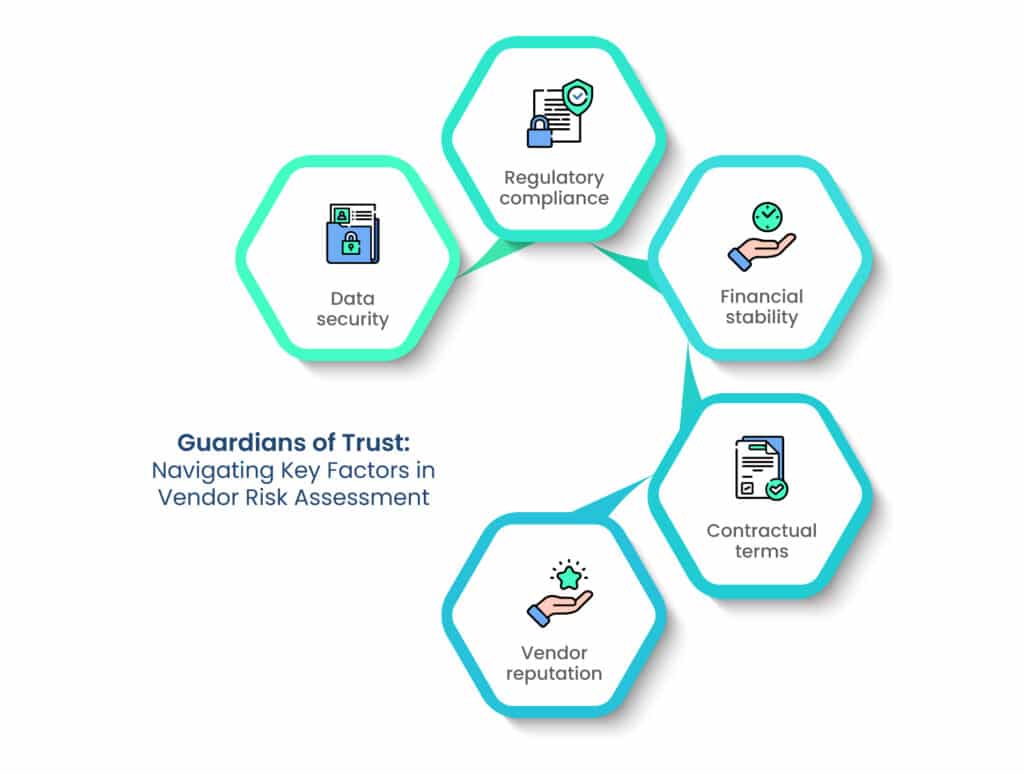
1. Data security

Data security is a paramount consideration. Vendors often have access to an organization’s sensitive data, and a security breach can have severe consequences. Assessing a vendor’s data security practices, including encryption, access controls, and data handling procedures, is crucial to understanding and mitigating data security risks.

2. Regulatory compliance

Regulatory compliance is another critical factor. Organizations must ensure that their vendors adhere to industry-specific regulations and standards. Non-compliance can lead to legal and financial ramifications, making it essential to evaluate a vendor’s regulatory posture.

3. Financial stability

Financial stability is vital to assessing a vendor’s ability to fulfill its obligations. A financially unstable vendor may pose a risk to the continuity of the services or products they provide. Evaluating a vendor’s financial health helps organizations make informed decisions about their vendor relationships.

4. Contractual terms

Vendor contracts play a significant role in risk assessment. Organizations should thoroughly review contract terms to understand their liability, data ownership, dispute resolution procedures, and the vendor’s responsibilities related to data security and compliance.

5. Vendor reputation

Assessing a vendor’s reputation in the industry is valuable. Seeking references from existing clients and conducting research on a vendor’s track record can provide insights into their performance, reliability, and trustworthiness.

Key challenges in vendor management risk assessment

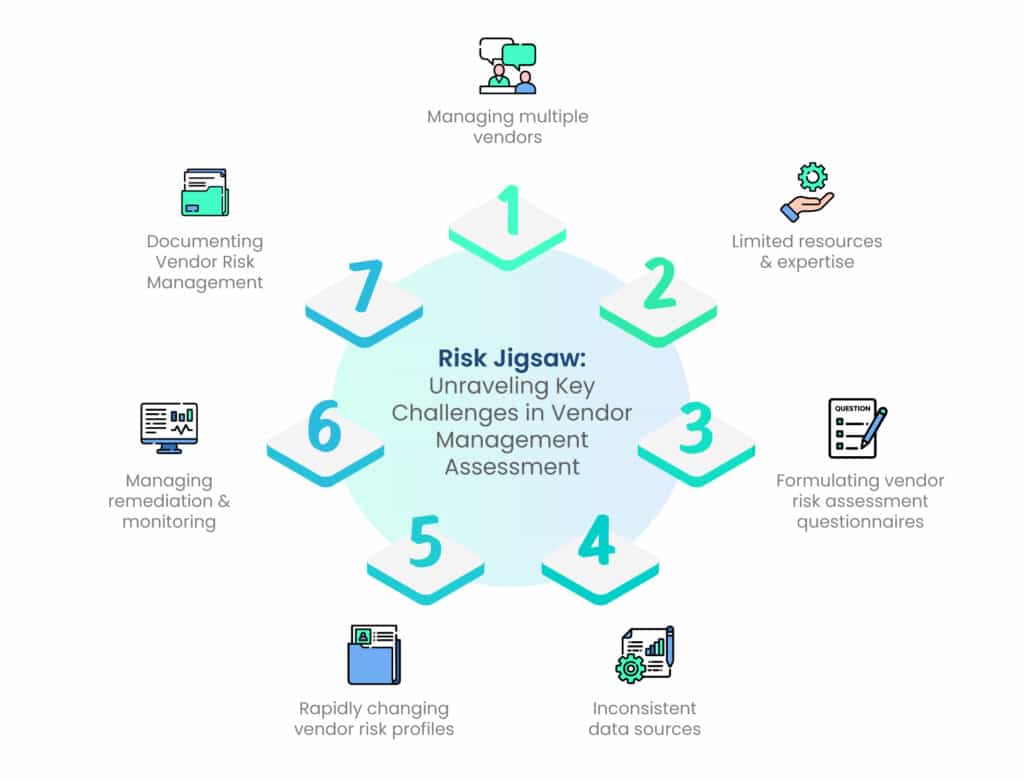
Vendor risk assessment, while vital, is not without its challenges. Organizations often encounter several common obstacles when conducting these assessments. Understanding these challenges is the first step in addressing them effectively.
Key challenges and areas of concernDescription
Managing multiple vendorsBalancing various vendors and assessing risks requires resource prioritization. Updating vendor lists and conducting comprehensive risk assessments is challenging as reliance on third-party entities increases. A lack of centralized vendor tracking makes it challenging to initiate vendor security questionnaires.
Limited resources and expertiseConstraints in resources and expertise hinder vendor risk assessment, leading to delays and inadequate assessments due to budget and staffing limitations.
Formulating vendor risk assessment questionnairesCrafting effective questionnaires necessitates a deep understanding of vendor systems, business processes, data handling, and legal/compliance risks. Identifying the right vendor contacts is crucial. Designing thoughtful questions within tight timeframes remains a challenge.
Inconsistent data sourcesVendors’ varied reporting methods create inconsistencies, complicating the creation of a unified assessment process and potentially leaving information gaps.
Rapidly changing vendor risk profilesVendor risk profiles can change rapidly due to external factors. Organizations must continually monitor and assess vendors to stay ahead of evolving risks.
Managing remediation and monitoringEnsuring timely remediation and monitoring vendor risk changes is complex and often performed manually due to a lack of automated tools. Unresolved audit findings are common due to inadequate processes and data for prioritization.
Documenting Vendor Risk ManagementMeeting compliance requirements by documenting vendor risk management is demanding. Regulations necessitate organized compliance documents and structured systems for accumulating evidence, including questionnaire responses, remedial action records, and contractual agreements, to ensure readiness for audits.

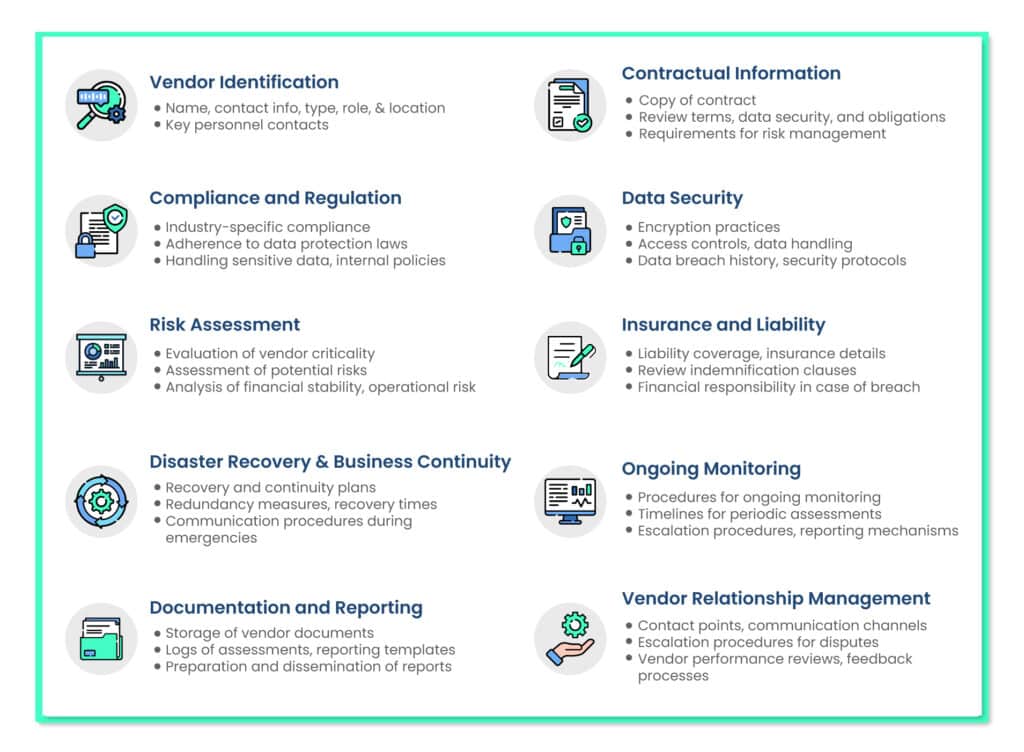
Vendor risk assessment checklist 

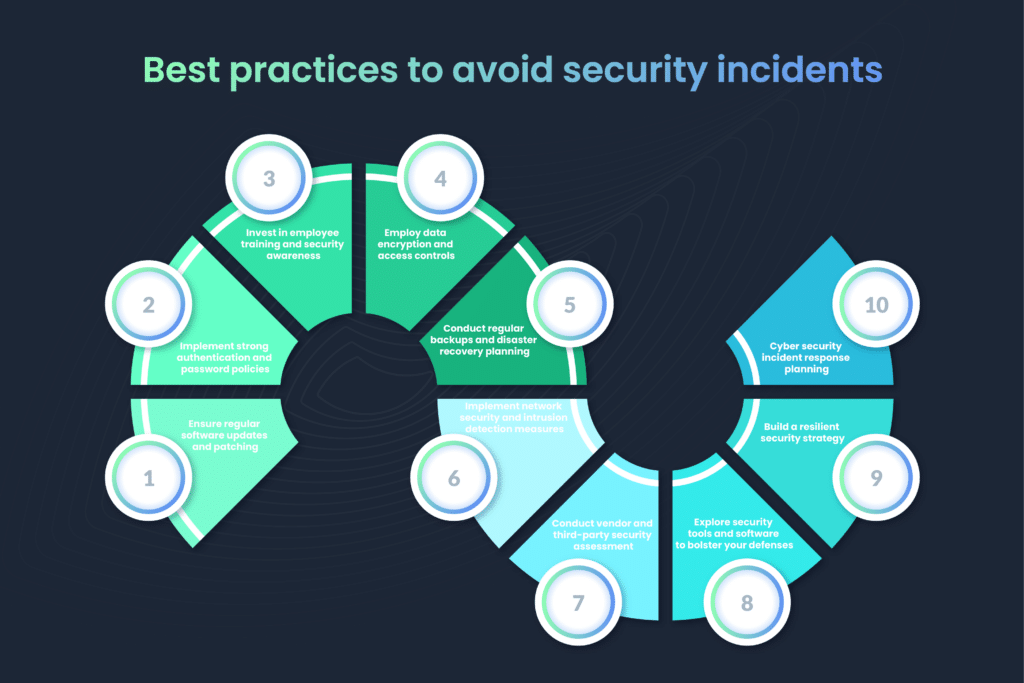
To ensure you’re tackling all challenges efficiently, here’s a 10-step checklist:
Best practices for efficient vendor risk assessment

Vendor risk assessment is a dynamic process that must adapt to evolving risks and technologies as organizations become increasingly interconnected. 

Organizations should adopt best practices, prioritize regular updates, education, technology adoption, thorough evaluations, and collaboration with industry peers.
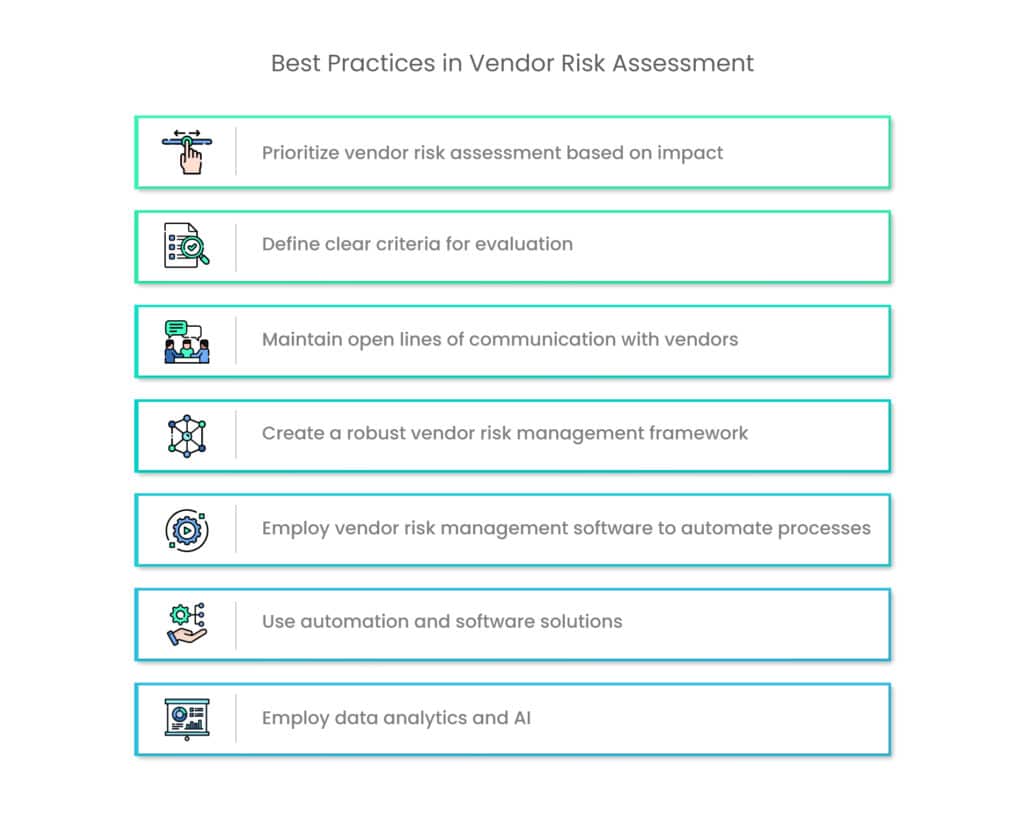
By implementing these best practices, organizations can navigate the complexities of vendor risk assessment more effectively:

1. Prioritize vendor risk assessment based on impact

Not all vendors pose the same level of risk to an organization. To optimize resource allocation and focus, prioritize vendor risk assessments based on criticality and impact. Consider the following factors when setting priority levels:

Criticality of the vendor: Assess how essential the vendor’s products or services are to your operations. Vendors providing core services may require more in-depth assessments.

Sensitivity of handled data: Evaluate the type of data the vendor handles. Vendors managing sensitive customer data demand more scrutiny.

Potential impact: Analyze the potential consequences of a risk event with the vendor. High-impact scenarios require a more comprehensive assessment.

By categorizing vendors based on these criteria, organizations can allocate resources appropriately, ensuring that the most critical and high-risk vendors receive more extensive evaluations while lower-risk vendors undergo streamlined assessments.

2. Define clear criteria for evaluation

A fundamental aspect of efficient vendor risk assessment is the definition of clear, standardized criteria for evaluation. Having a well-defined set of criteria ensures that assessments are conducted consistently and objectively across all vendors. 

These criteria should encompass various aspects of risk assessment, including data security, regulatory compliance, financial stability, vendor reputation, and contractual terms. 

3. Maintain open lines of communication with vendors

Maintaining open lines of communication with vendors is a critical component of efficient vendor risk assessment. Transparency and collaboration between your organization and your vendors can lead to better risk management and stronger vendor relationships. 

Effective communication includes:

Feedback and recommendations: Share risk assessment findings with vendors and provide constructive feedback. If risks are identified, collaborate on strategies and actions for risk mitigation.

Compliance and remediation: If a vendor is not compliant with specific regulations or standards, communicate the necessary remediation steps and timelines.

Information sharing: Exchange information on emerging risks and vulnerabilities, enabling proactive risk mitigation and strengthening data security practices.

4. Create a robust vendor risk management framework

Creating a robust vendor risk management framework is a strategic approach to efficient vendor risk assessment. This framework should integrate risk assessment as an integral part of the vendor lifecycle, from vendor selection to ongoing monitoring. 

Key elements of this framework include:

Defined processes: Clearly outline the processes and steps involved in vendor risk assessment. These processes should cover vendor onboarding, periodic assessments, risk scoring, and ongoing monitoring.

Assigned responsibilities: Specify the roles and responsibilities of individuals or teams involved in vendor risk assessment. This includes defining who is responsible for data collection, analysis, communication, and risk mitigation.

Timelines and milestones: Establish timelines and milestones for assessments, reviews, and audits. This ensures that assessments are conducted consistently and on schedule.

Continuous improvement: Incorporate mechanisms for continuous improvement and feedback, allowing the framework to evolve based on lessons learned and changing risk landscapes.

5. Employ vendor risk management software to automate processes

Vendor Risk Management (VRM) software solutions empower professionals in vendor management, risk assessment, security, and procurement to efficiently oversee the assessment of third parties and vendors throughout their entire relationship lifecycle. 

Further, they prove invaluable in aiding compliance management efforts. These tools are adept at gathering and consolidating a wide spectrum of risk-related data from vendors, third-party entities, and external sources, aligning seamlessly with regulatory vendor risk mandates and internal vendor engagement policies. Scrut can help with suitable vendor risk management software solutions.

Automation and VRM software solutions can help with:

  • Maintaining comprehensive vendor oversight: Store all your contracts, documents, and vendor data within a centralized platform. Utilize integrated tools for managing, assessing, tracking, and reporting on your vendor relationships, enhancing the overall health and oversight of these partnerships.
  • Streamlining vendor assessment with questionnaires: Benefit from user-friendly, built-in tools designed for risk assessment, vendor criticality, and risk scoring. Employ preconfigured or customized questionnaires, sending them directly to vendors for gathering relevant information. All responses are conveniently centralized and readily accessible for decision-makers.
  • Efficient collaboration with internal and vendor stakeholders: Once you’ve reviewed a vendor’s security questionnaire responses and identified actions needed for added assurance, the platform allows you to assign tasks directly to the vendor or internal stakeholders. These tasks can be tailored based on vendor criticality and questionnaire responses. Additionally, the platform offers task automation, alerts, and reminders, facilitating stakeholder task management.
  • Establishing a robust project management system: A robust project and task management system for vendor risk management significantly bolsters security. Such a system ensures critical security tasks, like testing access controls and other protocols, are not overlooked. Preventing vulnerabilities from being exploited is essential to safeguard customer data and prevent potentially costly security breaches.
  • Mitigating vendor risks: Implement controls to mitigate specific risks and gauge the residual risk associated with vendors. Visual reports provide visibility into residual risk for each vendor, highlighting those requiring questionnaire completion or responses to follow-up queries. This simplifies the identification of vendors and tasks necessitating attention, enabling effective risk reduction.
  • Seamless integration with compliance efforts: Link all vendor management activities, including questionnaire responses and remediation project tasks, to pre-existing risk factors, controls, security standards, or regulatory requirements within the software. VRM software serves as the central hub for comprehensive compliance management. By leveraging this platform for vendor risk and aligning your security program with industry standards, you can swiftly access proof of vendor due diligence activities for audit purposes.

Organizations can utilize dedicated software solutions and platforms designed to automate key aspects of the assessment process. 

By quickly and accurately detecting, assessing, and keeping track of vendor risks, Scrut can support your company’s security assessment initiatives.

6. Employ data analytics and AI

Data analytics and artificial intelligence (AI) are powerful tools for vendor risk assessment. These technologies can process large volumes of data to identify patterns and anomalies, which can reveal potential risks. 

For example, data analytics can uncover financial irregularities or trends in vendor performance that may not be apparent through manual analysis.

AI can enhance predictive analytics, helping organizations forecast vendor performance and potential risks. It can also provide insights into emerging risks and vulnerabilities in the vendor landscape.

Wrapping up: The imperative of efficient vendor risk assessment

In the fast-paced world of business and technology, efficient vendor risk assessment is no longer a luxury—it’s an imperative. Organizations cannot afford to overlook the critical task of assessing and managing the risks posed by their third-party vendors. 

The efficiency of this process ensures compliance and strengthens the overall security of business operations and the protection of sensitive data. Efficient vendor risk assessment is not just a measure of compliance; it’s a strategic pillar that supports the long-term success and resilience of modern businesses in a dynamic and interconnected world.

By adopting the best practices, technology, and a proactive approach to an evolving risk landscape, organizations can safeguard their interests, maintain strong vendor relationships, and make informed decisions in vendor management. 

Scrut offers a comprehensive approach to vendor risk management, ensuring your operations remain secure, compliant, and resilient in evolving vendor landscapes. Get in touch to find out more.

Frequently Asked Questions

1. What is vendor risk assessment, and why is it important for businesses?

 Vendor risk assessment is the process of evaluating and managing the risks associated with third-party vendors or suppliers that an organization engages with. It involves assessing factors such as financial stability, data security, compliance with regulations, and the vendor’s ability to deliver products or services. Vendor risk assessment is crucial for businesses to mitigate potential risks, safeguard their operations, protect sensitive data, and ensure the reliability and security of their supply chain.

2. What are the common challenges organizations face when conducting vendor risk assessments?

 Common challenges in vendor risk assessments include the complexity of managing multiple vendors, limited resources and expertise, inconsistent data sources, and rapidly changing vendor risk profiles. Additionally, organizations may struggle with evaluating the risks associated with emerging technologies or assessing the security of vendors’ third-party relationships. Addressing these challenges requires comprehensive risk assessment strategies and efficient processes.

3. How can technology and automation help improve the efficiency of vendor risk assessments?

 Technology and automation play a critical role in enhancing the efficiency of vendor risk assessments. Software tools and platforms can automate data collection, risk scoring, and monitoring of vendors. They provide real-time insights into a vendor’s risk profile, reducing manual efforts and improving accuracy. Additionally, technology can help identify high-risk vendors more quickly, allowing organizations to allocate resources effectively for in-depth assessments where they matter most.

4. What key factors should organizations consider when selecting and evaluating vendors in terms of risk?

Organizations should consider several key factors when assessing vendor risk, including:
– Data Security: Assess the vendor’s data protection practices, especially if they handle sensitive customer data.
– Regulatory Compliance: Ensure the vendor complies with industry-specific regulations and standards relevant to your business.
– Financial Stability: Evaluate the vendor’s financial health and stability to ensure they can deliver on their commitments.
– Contractual Terms: Carefully review vendor contracts to understand liability, data ownership, and dispute resolution procedures.
– Reputation: Investigate the vendor’s reputation in the industry and seek references from existing clients to gauge their performance and reliability.

5. What are some best practices and tips for ensuring an efficient and thorough vendor risk assessment process?

To ensure an efficient and thorough vendor risk assessment process, organizations should:
– Prioritize vendors based on risk and criticality.
– Define clear risk assessment criteria and methodologies.
– Leverage technology and automation for data collection and monitoring.
– Conduct periodic risk assessments and continuously monitor vendor risk profiles.
– Foster strong communication with vendors to address and mitigate identified risks.
– Establish a robust vendor management framework that includes risk assessment as an integral part of the vendor lifecycle.
– Efficient vendor risk assessment helps organizations make informed decisions, enhance vendor relationships, and protect their operations and reputation.

Authored by

Aayush Ghosh Choudhary
Co-founder & CEO at Scrut

Risk Avoidance vs Risk Reduction

Often used interchangeably, risk avoidance and risk reduction are very different concepts. Although both are approaches to the risk management process in general, they have different roles to fulfill in the overall risk management of the organization. 

First things first, what is risk management? Well, cyber risk management involves identifying, assessing, and mitigating threats to an organization’s digital assets and data security. It aims to safeguard against cyberattacks and data breaches. 

Effective risk management involves the process of identifying, assessing, and prioritizing risks to minimize their potential negative impact while maximizing opportunities. 

The importance of risk management cannot be overstated, as it helps individuals and organizations make informed choices, achieve their objectives, and safeguard their assets. Organizations even manage risk registers to keep track of their risk management processes. 

In this article, we will learn about the two approaches to risk management—risk avoidance and risk reduction—and how they differ from each other.

Risk avoidance: Understanding the concept

Let us start with the first approach to risk management – risk avoidance. 

What is risk avoidance?

Risk avoidance is a risk management strategy that involves completely steering clear of activities, decisions, or situations that could lead to adverse consequences. It is a deliberate choice to eliminate exposure to a particular risk by avoiding any actions or circumstances that might give rise to it. The underlying principle of risk avoidance is to ensure that the risk does not materialize, thereby preventing potential harm or losses.

Risk avoidance is typically chosen when the potential consequences of a risk are deemed unacceptable, and the preferred course of action is to completely eliminate the risk rather than attempt to mitigate it.

Examples of risk avoidance strategies

a. Network segmentation

Dividing a network into isolated segments to prevent lateral movement by attackers. By limiting access between segments, the risk of unauthorized access to critical systems is avoided.

b. Software whitelisting

Allowing only approved and trusted applications to run on a system, preventing the execution of potentially harmful or unauthorized software, thus avoiding the risk of malware infections.

c. Data backup and recovery

Regularly backing up data and systems to avoid data loss due to cyberattacks or system failures. This approach avoids the risk of data loss and downtime.

d. Employee training

Providing comprehensive cybersecurity training to employees to reduce the risk of insider threats and human errors, ultimately avoiding security breaches.

e. Regulatory compliance

Ensuring strict adherence to industry-specific regulations and compliance standards to avoid legal and financial penalties related to non-compliance.

f. Hardware disposal 

Properly disposing of outdated hardware by securely wiping data or physically destroying storage devices to prevent data breaches through discarded equipment. 

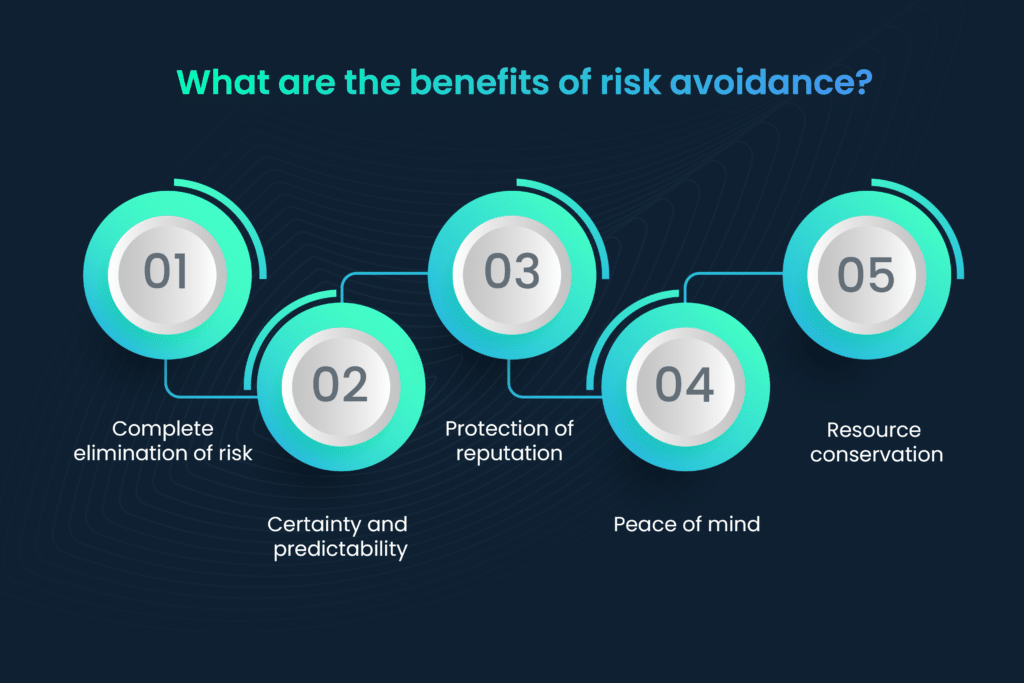
Advantages of risk avoidance

The following are the advantages of risk avoidance:

a. Complete elimination of risk 

The most significant advantage of risk avoidance is that it completely eliminates the risk in question. By avoiding the activity or decision associated with the risk, individuals or organizations can prevent potential harm, losses, or adverse consequences.

b. Certainty and predictability

Risk avoidance provides a high degree of certainty and predictability because it eliminates the uncertainty associated with risky endeavors. This can be particularly appealing in situations where the potential consequences are severe or unpredictable.

c. Protection of reputation 

Avoiding high-risk situations can protect an individual’s or organization’s reputation. Not being associated with failures or crises resulting from risky activities can help maintain a positive image.

d. Peace of mind

Knowing that a risk has been completely eliminated can provide peace of mind to decision-makers. This can reduce stress and anxiety associated with the potential negative outcomes of risky actions.

e. Resource conservation

Risk avoidance can conserve resources that would otherwise be allocated to manage or mitigate the risk. This can lead to cost savings in terms of time, money, and effort.

Limitations of risk avoidance

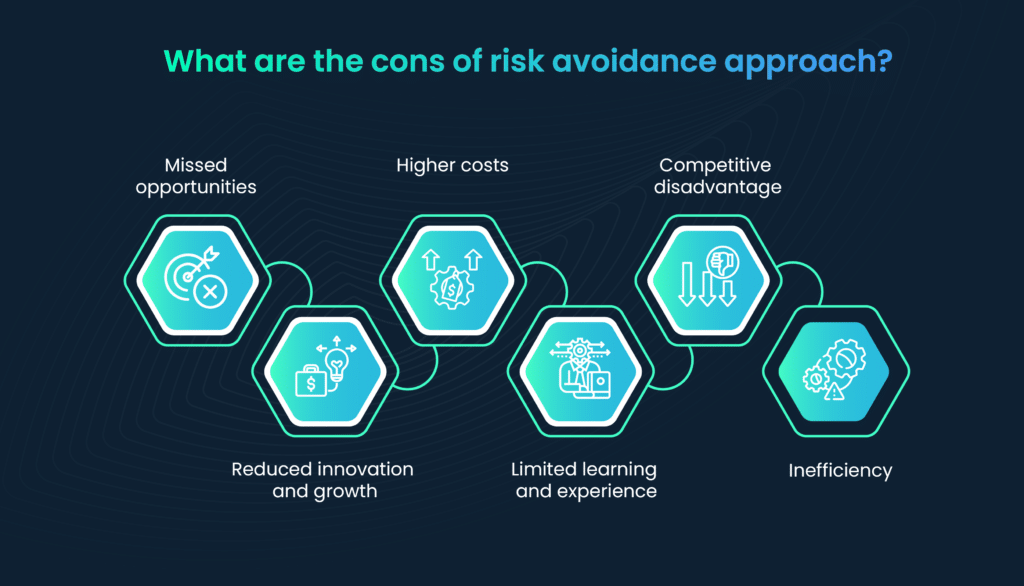
Risk avoidance may also come with limitations, such as missed opportunities or higher costs associated with safer but less rewarding choices.

a. Missed opportunities 

Perhaps the most significant drawback of risk avoidance is the potential for missed opportunities. By avoiding all high-risk situations, individuals or organizations may forgo potentially lucrative ventures or innovations.

b. Reduced innovation and growth

Risk avoidance can stifle innovation and hinder growth. Avoiding all risks may lead to stagnation and prevent individuals or organizations from achieving their full potential.

c. Higher costs

In some cases, risk avoidance can be more costly than risk management or mitigation. For example, opting for the safest but most expensive option may lead to increased expenses without a commensurate increase in benefits.

d. Limited learning and experience

Avoiding risks means missing out on valuable learning experiences. Over time, this can lead to a lack of adaptability and resilience in the face of adversity.

e. Competitive disadvantage

In highly competitive industries, risk avoidance can put individuals or organizations at a disadvantage. Competitors who are willing to take calculated risks may gain a competitive edge and market share.

f. Inefficiency

Overzealous risk avoidance can lead to inefficiencies. For example, excessive bureaucracy or stringent regulations aimed at eliminating risks can hinder productivity and innovation.

The decision to employ risk avoidance should be carefully weighed against the specific circumstances, risk tolerance, and long-term objectives of individuals or organizations to strike the right balance between risk mitigation and potential rewards.

Risk reduction: A closer look

Let us now talk about the second approach to risk management – risk reduction. It is not solely about avoiding risks but rather about optimizing the balance between potential rewards and potential downsides. It acknowledges that risks are inherent in any endeavor and seeks to empower individuals and organizations to make informed decisions that align with their objectives while minimizing exposure to undesirable outcomes. 

What is risk reduction?

Risk reduction is a fundamental risk management strategy that focuses on taking proactive measures to minimize the impact or likelihood of a risk occurring. Unlike risk avoidance, which aims to eliminate risks altogether by avoiding certain actions or situations, risk reduction acknowledges the existence of risks but seeks to make them more manageable and less harmful. 

This approach involves identifying potential hazards, implementing preventive measures, and having contingency plans in place to mitigate the effects of adverse events when they do occur. 

Risk reduction is a versatile strategy that can be applied to a wide range of risks across various domains, from business and finance to health and safety.

It is a risk management strategy that encompasses various techniques and actions designed to:

  • Minimize risk impact: It aims to reduce the potential negative consequences of a risk if it were to materialize. This may involve limiting financial losses, preventing harm to individuals, or minimizing damage to assets.
  • Decrease risk likelihood: It seeks to lower the probability of a risk event occurring in the first place. By identifying vulnerabilities and implementing preventive measures, organizations and individuals can reduce the chances of encountering specific risks.

Risk reduction is characterized by its proactive and preventive nature, focusing on preparedness, planning, and the implementation of safeguards. 

Examples of risk reduction strategies

a. Firewall implementation

Installing and configuring firewalls to filter incoming and outgoing network traffic helps reduce the risk of unauthorized access and cyberattacks by blocking malicious traffic.

b. Regular software patching

Keeping software and systems up to date with security patches reduces vulnerabilities that attackers can exploit, lowering the risk of successful cyberattacks.

c. Multi-Factor Authentication (MFA)

Enforcing MFA for user authentication adds an extra layer of security, reducing the risk of unauthorized access even if login credentials are compromised.

d. Security awareness training

Educating employees about cybersecurity best practices reduces the risk of human errors and insider threats, as well as phishing attacks.

e. Data encryption

Encrypting sensitive data both at rest and in transit reduces the risk of data breaches by making it difficult for unauthorized parties to access the information. 

f. Regular security audits and assessments

Conducting regular security audits and assessments helps identify vulnerabilities and weaknesses, allowing organizations to address them and reduce the risk of security incidents.

g. Access controls 

Implementing strict access controls ensures that only authorized individuals have access to sensitive systems and data, reducing the risk of insider threats and unauthorized access. 

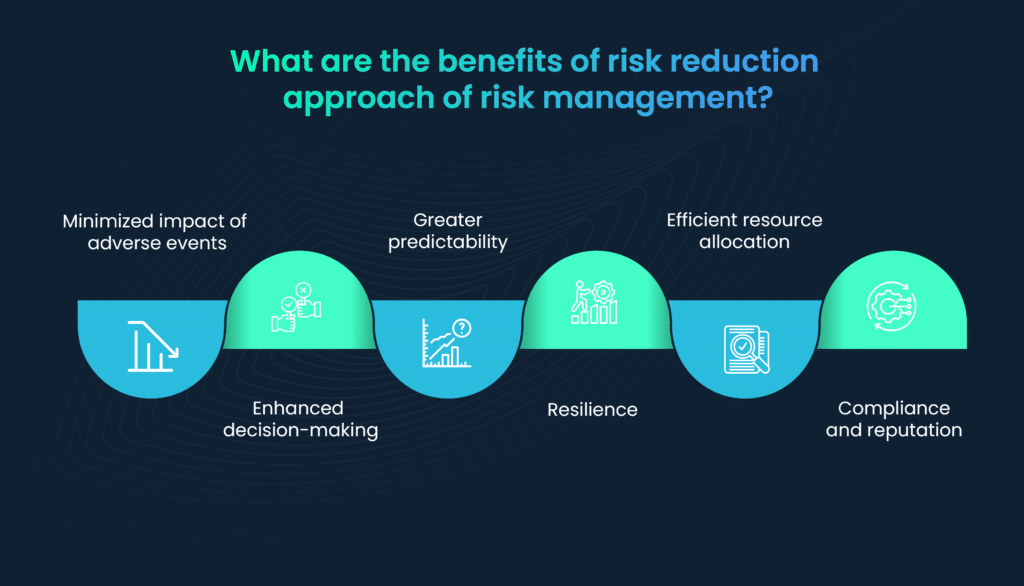
Advantages of risk reduction

a. Minimized impact of adverse events

Risk reduction strategies aim to minimize the impact of adverse events or risks that do materialize. This can lead to lower financial losses, fewer injuries, and reduced damage to assets.

b. Enhanced decision-making

Risk reduction promotes informed decision-making by providing a structured approach to identify and address risks. This allows decision-makers to weigh potential consequences against mitigation measures.

c. Greater predictability 

Implementing risk reduction measures adds predictability to outcomes. Organizations can better anticipate and plan for potential challenges, reducing the element of surprise.

d. Resilience

Risk reduction enhances an individual’s or organization’s ability to bounce back from disruptions. By mitigating risks, they can continue operations more smoothly in the face of adversity.

e. Efficient resource allocation 

Risk reduction often involves allocating resources strategically to mitigate risks cost-effectively. This can lead to more efficient resource utilization compared to other risk management strategies.

f. Compliance and reputation 

Implementing risk reduction measures ensure compliance with regulations and standards, which can enhance an organization’s reputation and demonstrate a commitment to responsible practices.

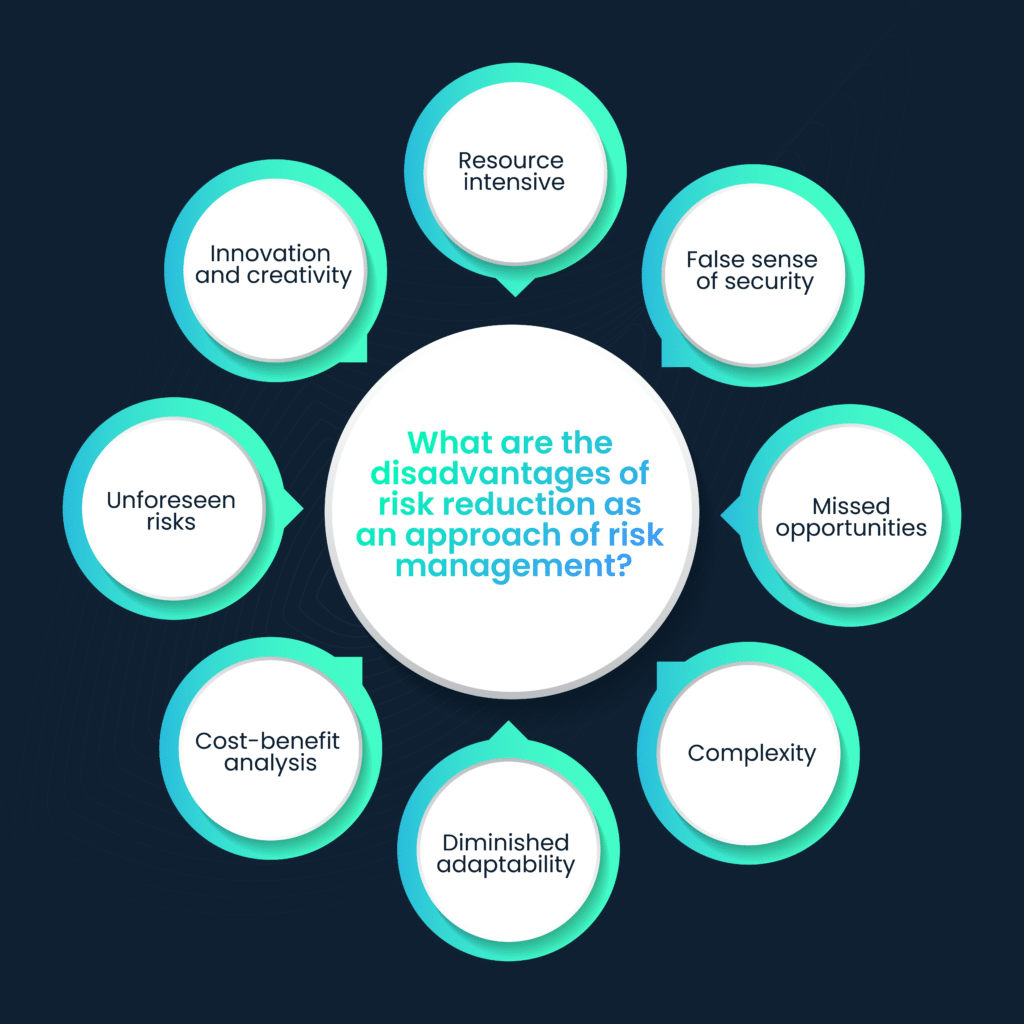
Limitations of risk reduction

a. Resource intensive

Effective risk reduction measures can be resource intensive, requiring financial investments, time, and expertise. Smaller organizations may find it challenging to implement comprehensive risk reduction strategies.

b. False sense of security

Relying solely on risk reduction can lead to a false sense of security. While mitigation measures reduce risks, they may not eliminate them entirely, and unexpected events can still occur.

c. Missed opportunities 

Overemphasis on risk reduction can lead to a conservative approach that avoids potentially rewarding opportunities. Organizations may be hesitant to take calculated risks for innovation or growth.

d. Complexity 

Managing numerous risk reduction measures can become complex, requiring ongoing monitoring and adjustments. This complexity can strain resources and create bureaucratic processes.

e. Diminished adaptability 

A strict focus on risk reduction may make an organization less adaptable to change or less capable of seizing new opportunities due to a reluctance to embrace risks.

f. Cost-benefit analysis 

Determining the cost-effectiveness of risk reduction measures can be challenging. Deciding which measures to implement and how much to invest requires a thorough cost-benefit analysis.

g. Unforeseen risks 

While risk reduction focuses on known risks, it may not account for unforeseen or emerging risks. This can leave organizations vulnerable to novel threats.

h. Innovation and creativity

In some cases, excessive risk reduction can stifle innovation and creativity. Organizations that are overly risk-averse may miss out on opportunities for disruptive innovation.

In summary, risk reduction offers significant benefits in terms of minimizing the impact of adverse events, enhancing decision-making, and ensuring compliance with regulations. However, it also has limitations, including resource-intensive requirements, a potential false sense of security, and the possibility of missed opportunities. 

Effective risk management often involves striking a balance between risk reduction and other risk management strategies, considering the specific context and objectives of the individual or organization.

Factors to consider while choosing risk avoidance or risk reduction approaches

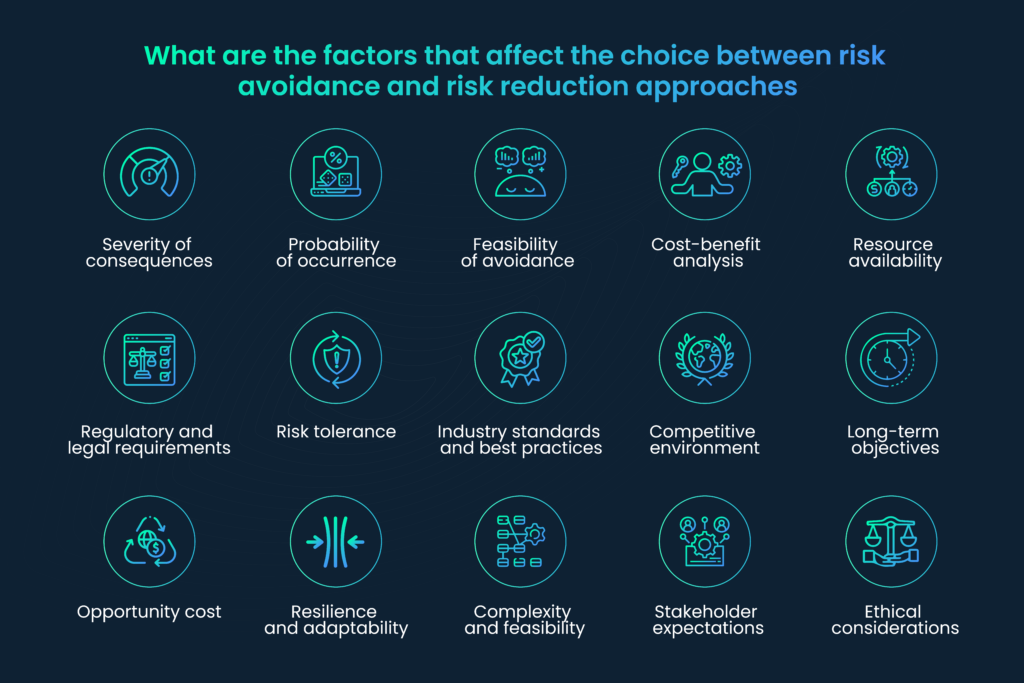
When choosing between risk avoidance and risk reduction approaches for managing a particular risk, several key factors should be considered. The decision should be based on a thorough assessment of these factors to determine the most appropriate strategy. 

Here are the critical factors to take into account:

a. Severity of consequences

Consider the potential severity of the consequences if the risk were to materialize. If the consequences are catastrophic, involving significant harm, financial loss, or reputational damage, risk avoidance may be a more prudent choice.

b. Probability of occurrence

Assess the likelihood of the risk occurring. If the risk has a high probability of happening, it may be more practical to focus on risk reduction to minimize its impact.

c. Feasibility of avoidance

Evaluate whether it is feasible to avoid the risk entirely. Some risks may be impossible to eliminate due to industry requirements, legal obligations, or other factors.

d. Cost-benefit analysis

Conduct a cost-benefit analysis to determine if the resources and efforts required to avoid the risk outweigh the potential benefits. Consider the long-term implications of avoidance, including missed opportunities and potential costs.

e. Resource availability

Assess the availability of resources, including finances, personnel, technology, and expertise, for implementing risk reduction measures. Some risk reduction strategies may require significant investments.

f. Regulatory and legal requirements

Determine if there are regulatory or legal requirements that mandate specific risk management actions. Compliance with these standards may influence the choice of strategy.

g. Risk tolerance

Understand the risk tolerance of the individual or organization. Some entities may have a low-risk tolerance and prefer to avoid risks whenever possible, while others may be more willing to accept certain risks with appropriate mitigation measures in place.

h. Industry standards and best practices

Consider industry-specific standards and best practices for risk management. Adhering to these standards may guide the selection of risk reduction or avoidance strategies.

i. Competitive environment

Analyze the competitive landscape and the strategies employed by competitors. In highly competitive industries, risk management decisions can impact market positioning and competitiveness.

j. Long-term objectives

Align the choice of risk management strategy with long-term objectives and goals. Consider whether risk avoidance or risk reduction better supports the achievement of these objectives.

k. Opportunity cost

Assess the opportunity cost associated with risk avoidance. This involves evaluating the potential benefits and opportunities that may be missed by avoiding the risk.

l. Resilience and adaptability

Consider how the chosen strategy contributes to building resilience and adaptability. Resilience enables entities to recover from disruptions and adapt to changing circumstances.

m. Complexity and feasibility

Evaluate the complexity of implementing risk avoidance or risk reduction measures. Some strategies may be more straightforward to execute than others, affecting their feasibility.

n. Stakeholder expectations

Take into account the expectations and preferences of key stakeholders, including customers, investors, employees, and partners. Stakeholder trust and confidence can be influenced by risk management decisions.

o. Ethical considerations

Consider the ethical implications associated with the chosen strategy. Ethical concerns may influence the decision to avoid or reduce certain risks.

By systematically analyzing these factors and weighing the pros and cons of risk avoidance and risk reduction, individuals and organizations can make informed decisions that align with their specific circumstances, objectives, and risk tolerance. In some cases, a combination of both strategies may be the most effective approach to address complex risk scenarios.

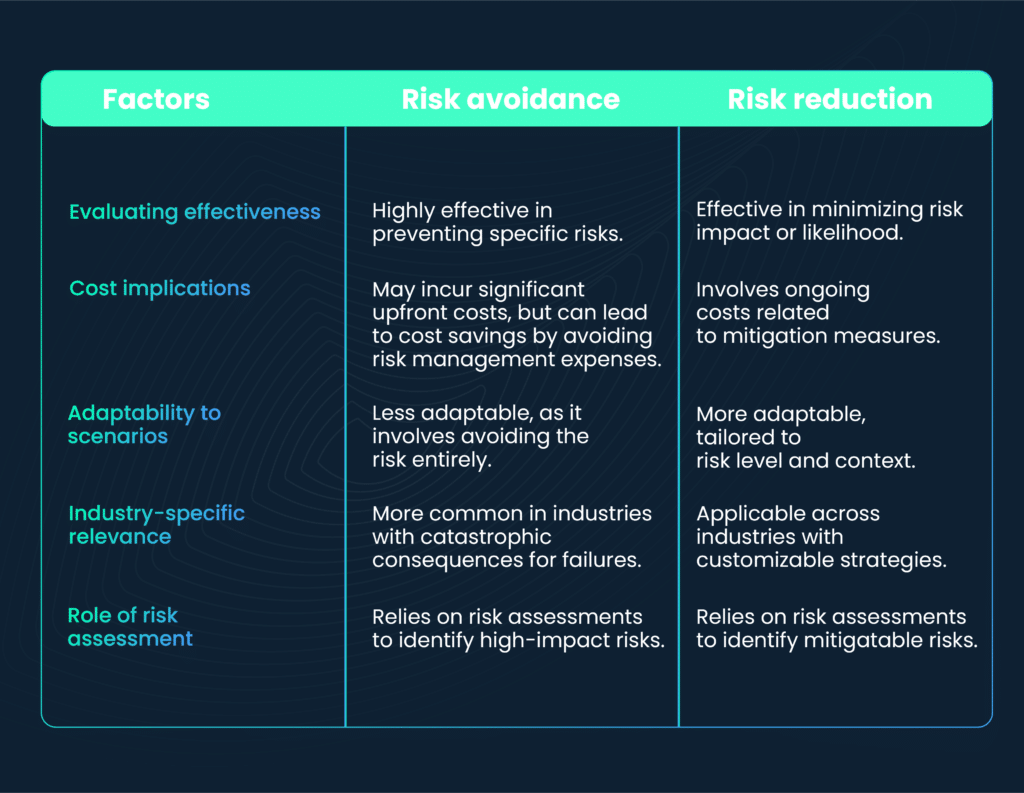
Risk avoidance vs risk reduction: A comparative analysis

Striking a balance: The hybrid approach

The hybrid approach to risk management recognizes the potential synergy that can be achieved by combining risk avoidance and risk reduction strategies. While these two approaches have their distinct advantages and limitations, they can complement each other effectively in many situations. By recognizing the synergy between risk avoidance and risk reduction, organizations and individuals can create a more robust and comprehensive risk management framework. 

This approach acknowledges that certain risks are best avoided, while others can be managed or mitigated to reduce their impact or likelihood. It allows for a balanced and nuanced response to risk, enhancing an entity’s ability to navigate uncertainties, seize opportunities, and safeguard against adverse events.

Final words

In conclusion, risk management involves two key approaches: risk avoidance and risk reduction. 

Risk avoidance eliminates risks entirely, offering certainty and predictability but potentially missing out on opportunities. In contrast, risk reduction aims to minimize the impact and likelihood of risks, promoting adaptability and growth while demanding resources.

Choosing between these approaches requires considering factors like consequences, probability, feasibility, and resources. A hybrid approach that combines both strategies can provide a balanced response to risk, enhancing resilience and adaptability.

In the dynamic world of risk management, staying flexible and informed is essential for making informed decisions and achieving objectives in the face of uncertainty.

Ready to enhance your risk management strategy? Scrut is your solution! Explore the power of comprehensive risk analysis and decision-making. Get started today and safeguard your future!

FAQs

1. What is the primary difference between risk avoidance and risk reduction?

The main difference lies in their approaches to managing risks. Risk avoidance aims to completely eliminate risks by avoiding actions or situations that could lead to adverse consequences. Risk reduction, on the other hand, acknowledges the existence of risks but seeks to minimize their impact or likelihood through proactive measures.

2. When should I choose risk avoidance over risk reduction, and vice versa?

The choice depends on various factors, including the severity of consequences, probability of occurrence, feasibility of avoidance, cost-benefit analysis, resource availability, and long-term objectives. Risk avoidance is preferable when consequences are severe and unacceptable, while risk reduction is suitable for managing risks that can be mitigated without eliminating them entirely.

3. When is a hybrid approach to risk management recommended?

A hybrid approach, combining risk avoidance and risk reduction, is recommended when an entity faces a mix of risks. It allows for a balanced response, addressing catastrophic risks with avoidance and managing mitigate risks with reduction, thus enhancing resilience and adaptability.

Authored by

Aayush Ghosh Choudhary
Co-founder & CEO at Scrut

AI regulatory compliance – The complete guide

Artificial Intelligence is a game changer across industries including healthcare, financial services, and the automotive industry. According to a recent report, 81% of global tech execs believe that AI will boost efficiency in their industry by at least 25% in the next two years. 

However, on the other side of this shiny new coin lies challenges to individuals and groups when used in business operations. AI tools can make prejudiced customer profiling, inhibit fair hiring decisions, offer discriminatory feedback in employee reviews, and more. 

Take for instance, Amazon’s recruiting engine, which was scrapped after it exhibited bias against women. Or  Google’s image recognition misidentifying black people as gorillas.

The powerful tool does promise a world of opportunities, but it also opens organizations up to vulnerabilities they’d never faced before its inception. With great power comes great responsibility, and in the case of AI, it is in the form of regulations. AI regulatory compliance is a must for any organization that deploys the technology.

In this blog, we will cover the meaning and importance of AI compliance, the challenges in the way of achieving it, best practices for implementing an AI compliance program, and the use of technology in making it successful.

What is AI regulatory compliance?

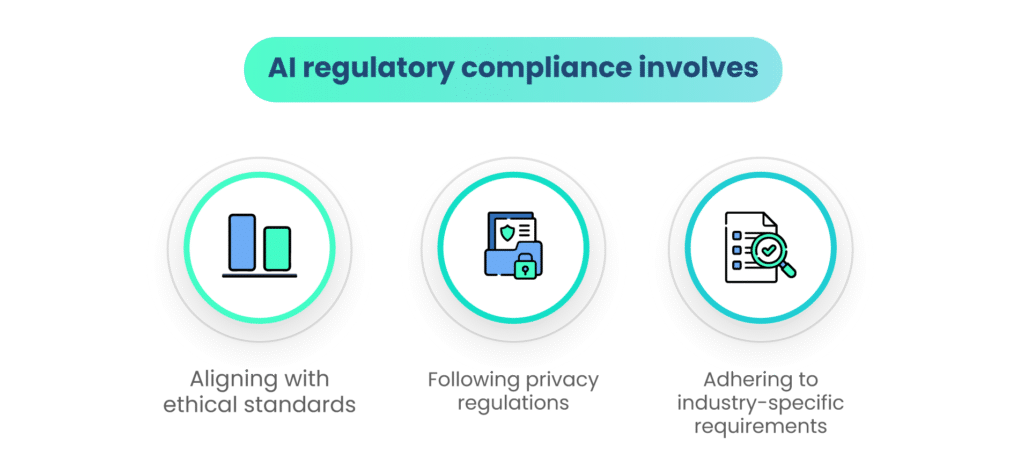
AI regulatory compliance refers to the adherence of organizations to established guidelines, rules, and legal requirements governing the development, deployment, and use of artificial intelligence technologies.

This includes ensuring that AI applications align with ethical standards, privacy regulations, and industry-specific requirements to promote responsible and lawful use of AI within a given regulatory framework. 

AI regulatory compliance aims to mitigate potential risks, such as bias, discrimination, and privacy breaches, while fostering transparency, accountability, and ethical practices in the deployment of AI systems.

Why is AI regulatory compliance important?

Organizations must establish safeguards over their use of AI for compliance. It is non-negotiable for companies to make sure that their AI usage complies with relevant laws and regulations. Here are some reasons why AI compliance is necessary:

1. Ethical use of technology

Ensuring AI compliance promotes the ethical use of technology by preventing discriminatory practices, biased decision-making, and privacy infringements.

AI algorithms, if not properly designed and monitored, can inadvertently perpetuate or even exacerbate existing biases in society. Biases in AI decision-making can impact various domains, from lending and healthcare to criminal justice. Compliance measures aim to identify and rectify biases, ensuring that AI systems make fair and impartial decisions.

2. Strengthening risk mitigation

AI regulatory compliance plays a crucial role in identifying and managing various risks associated with the development, deployment, and use of artificial intelligence. It helps mitigate risks associated with legal and regulatory repercussions, safeguarding organizations from potential fines, penalties, and reputational damage.

Failure to comply with relevant laws and regulations pertaining to AI can result in legal consequences. These may include fines, penalties, and legal actions taken against the organization.

3. Fostering consumer trust

Adhering to AI compliance standards is not just a legal requirement; it’s a strategic move that directly influences the trust consumers and stakeholders place in an organization. It demonstrates a commitment to responsible and transparent use of AI technologies, fostering positive relationships.

For example, Google provides users with detailed explanations of how its AI algorithms personalize search results. This transparency helps users understand and trust the mechanisms behind the technology.

4. Enhancing data protection

AI applications often involve the processing of vast amounts of personal data. Non-compliance may result in privacy infringements, where individuals’ sensitive information is mishandled or accessed without proper consent.

Social media platforms have faced scrutiny for using AI algorithms to analyze user behavior without transparent disclosure. Compliance measures, such as those outlined in data protection regulations like GDPR, aim to protect user privacy and require explicit consent for data processing.

5. Boosting innovation and adoption

The relationship between AI compliance and innovation/adoption is intricate yet pivotal. Clear compliance frameworks create an environment that encourages organizations to innovate and adopt AI technologies confidently without fear of legal complications.

6. Maintaining transparency and accountability 

Compliance measures contribute to transparency and accountability in AI systems, allowing organizations to explain, audit, and rectify decisions made by AI algorithms.

Compliance requirements often necessitate that AI algorithms provide explanations for their decisions. This promotes transparency by enabling stakeholders, including end-users and regulatory bodies, to understand how AI systems arrive at specific outcomes.

Benchmark AI regulatory frameworks for organizations

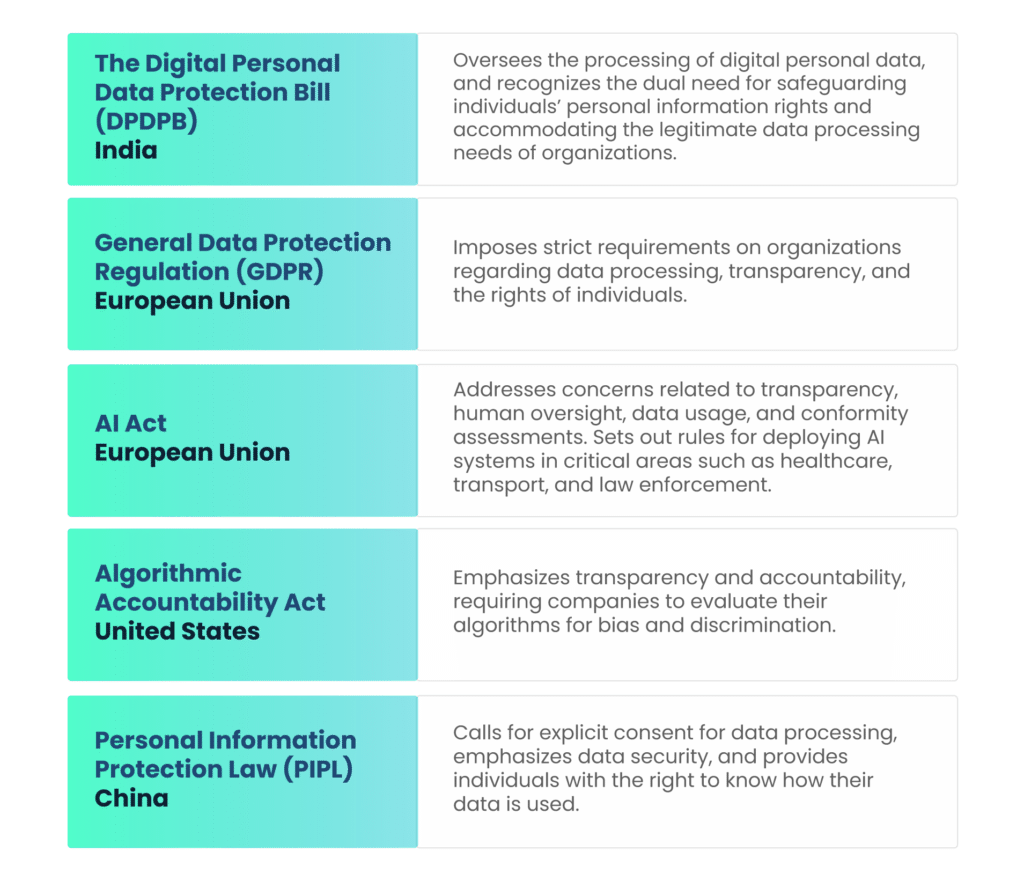
Data protection and privacy regulations are evolving globally, with countries recognizing the importance of balancing individual privacy rights and the operational needs of organizations. 

Not complying with these frameworks can result in the payment of heavy fines and penalties. Here’s a look at some prominent AI regulatory frameworks: 

What are some challenges in the way of AI regulatory compliance?

Though most people are aware of the need for responsible AI usage, there are certain challenges that come in the way of organizations enforcing AI compliance.

According to an Accenture report only 6% of organizations have built and implemented a Responsible AI foundation.

Here’s a look at some common challenges that come in the way of successful AI regulatory compliance based on the findings in the report.

A. AI compliance is not followed organization-wide

Ethical AI practices tend to be confined within specific departments, creating what can be referred to as a “silo effect.”

Notably, a significant 56% of respondents in the Accenture report pointed to the Chief Data Officer or an equivalent role as the sole guardian of AI compliance, reflecting a concentrated approach. 

Only a meager 4% of organizations claimed to have breached these silos with a cross-functional team. This insight underscores the critical need for comprehensive C-suite support to dismantle these silos and promote a unified, organization-wide commitment to responsible AI practices.

B. Risk management frameworks are not universally applicable

Establishing risk management frameworks is necessary for every AI implementation, yet it’s crucial to recognize that these frameworks aren’t universally applicable. 

According to the report, only 47% of organizations surveyed had crafted an AI risk management framework. 

Furthermore, a substantial 70% of organizations had yet to integrate the continuous monitoring and controls essential for mitigating AI risks. It’s essential to understand that evaluating AI integrity isn’t a one-time event; it demands sustained vigilance and oversight over time.

C. Third-party associates may not comply with AI regulations

AI regulations require companies to consider their complete AI value chain, especially concentrating on high-risk systems, rather than solely focusing on proprietary elements. 

Among the surveyed respondents, 39% identified challenges in achieving regulatory compliance stemming from collaborations with partners. 

Surprisingly, merely 12% incorporated Responsible AI competency requirements into their agreements with third-party providers. This highlights a significant gap in addressing internal challenges related to regulatory compliance and underscores the need for more comprehensive considerations in supplier agreements.

D. Shortage of ‘Responsible’ AI talent

Survey participants indicated a shortage of talent well-versed in the intricacies of AI regulation, with 27% ranking this as one of their foremost concerns. 

Additionally, a majority 55.4% lacked designated roles for navigating AI integrated throughout the organization responsibly. To address these gaps, organizations must strategize on attracting or cultivating specialized skills essential for Responsible AI positions. 

It’s crucial to note that teams overseeing AI systems should not only possess the necessary expertise but also reflect diversity in terms of geography, backgrounds, and “lived experience.” 

E. Non-traditional KPIs 

Measuring the success of AI goes beyond traditional benchmarks like revenue and efficiency gains, but many organizations tend to rely on these conventional indicators. 

Surprisingly, 30% of companies surveyed lacked active Key Performance Indicators (KPIs) specifically tailored for Responsible AI. Without well-established technical approaches to measure and address AI risks, organizations can’t ensure the fairness of their systems. 

As mentioned earlier, specialized expertise is crucial for defining and gauging the responsible application and algorithmic influence of data, models, and outcomes, including aspects like algorithmic fairness.

What are the consequences of not complying with AI regulations?

Not implementing AI regulatory compliance can have significant consequences for organizations, impacting various facets of their operations, reputation, and legal standing. 

These include legal consequences such as fines and penalties. For instance, Facebook faced a fine of £500,000 from the UK’s Information Commissioner’s Office (ICO) for its role in the Cambridge Analytica data scandal. 

Not to forget, non-compliance can tarnish an organization’s reputation, eroding trust among customers, stakeholders, and the public. Uber faced significant reputational damage when it was revealed in 2017 that the company had paid hackers to conceal a data breach affecting 57 million users.

Employees may become discontented if an organization’s non-compliance leads to ethical concerns or legal troubles. Google faced internal dissent when its involvement in Project Maven, a military AI initiative, became public.

Non-compliance can also limit an organization’s ability to engage in certain business opportunities, particularly when dealing with partners or clients who prioritize ethical and compliant practices. This can lead to missed collaborations, partnerships, or contracts.

Best practices for an effective AI regulatory compliance program

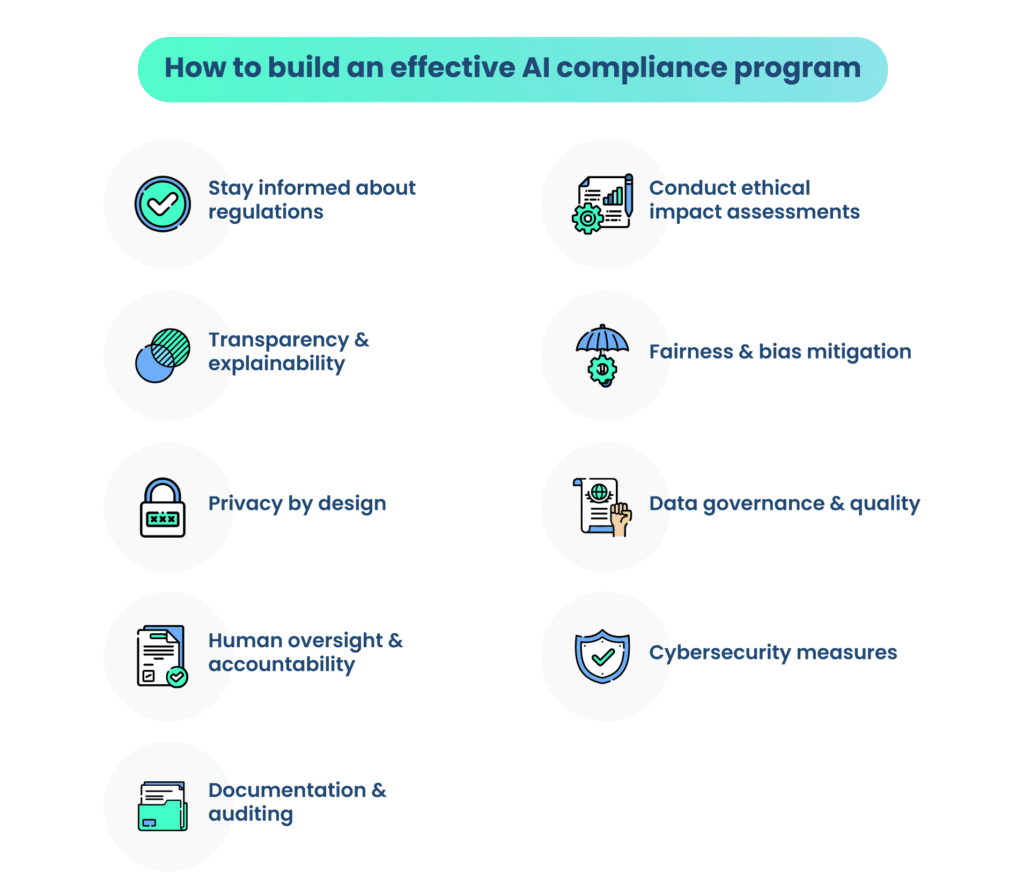
Establishing an effective AI compliance program is crucial for organizations to navigate the ethical and regulatory landscape surrounding artificial intelligence. Here are some best practices for developing and maintaining a robust AI compliance program

1. Stay informed about regulations

Regularly monitor and stay informed about relevant AI regulations and guidelines in the regions where your organization operates. Keep abreast of updates and changes to ensure ongoing compliance.

2. Conduct ethical impact assessments

Integrate ethical considerations into your AI development process. Conduct ethical impact assessments to evaluate the potential societal impact, biases, and ethical implications of AI applications before deployment.

3. Transparency and explainability

Prioritize transparency in AI systems. Ensure that AI-driven decisions are explainable and understandable by stakeholders. Clearly communicate how AI algorithms operate and the factors influencing their outcomes.

4. Fairness and bias mitigation

Implement measures to identify and mitigate biases in AI algorithms. Regularly assess the fairness of your AI systems, especially when dealing with sensitive data or making decisions that impact individuals.

5. Privacy by design

Adopt a “privacy by design” approach when developing AI applications. Integrate privacy safeguards into the architecture and implementation of AI systems to protect user data and comply with data protection regulations.

6. Data governance and quality

Establish robust data governance practices. Ensure that the data used to train and test AI models is of high quality, representative, and collected and processed in accordance with applicable data protection laws.

7. Human oversight and accountability

Incorporate human oversight into AI decision-making processes. Clearly define roles and responsibilities for individuals overseeing AI systems. Establish accountability mechanisms for addressing errors, biases, or unintended consequences.

8. Security measures

Implement strong cybersecurity measures to protect AI systems from unauthorized access and cyber threats. Ensure that AI models and the data they process are secure to prevent data breaches and other security risks.

9. Documentation and auditing

Maintain comprehensive documentation of your AI systems, including data sources, model architecture, and decision-making processes. Conduct regular audits to verify compliance with regulations and ethical guidelines.

10. Employee training and awareness

Train employees involved in AI development, deployment, and management on compliance requirements and ethical considerations. Foster a culture of awareness and responsibility regarding the ethical use of AI within the organization.

11. Collaborate with stakeholders

Engage with relevant stakeholders, including regulatory bodies, customers, and industry peers. Collaborate with external experts and participate in industry initiatives to share best practices and stay aligned with evolving standards.

12. Continuous monitoring and improvement

Implement continuous monitoring mechanisms to track the performance of AI systems over time. Regularly reassess and improve your AI compliance program based on lessons learned, new regulations, and emerging ethical considerations. 

13. Legal review and counsel

Seek legal counsel to review and provide guidance on your AI compliance program. Legal professionals with expertise in data protection, privacy, and AI regulations can help ensure that your program aligns with legal requirements.

How can technology improve AI regulatory compliance?

AI has become a cornerstone in revolutionizing various industries, and its application in regulatory compliance is no exception. Leveraging the capabilities of AI itself presents a unique opportunity to enhance the very processes it seeks to regulate. 

By incorporating advanced algorithms and machine learning, AI can significantly contribute to the improvement of regulatory compliance mechanisms. 

These approaches not only streamline and fortify compliance efforts but also empower organizations to navigate the ever-evolving regulatory landscape with agility and precision.

1. AI in risk and compliance

One significant way technology can enhance AI regulatory compliance is by bolstering risk and compliance frameworks through advanced AI applications. 

Implementing sophisticated algorithms can facilitate real-time monitoring and analysis of vast datasets, allowing organizations to identify and address potential compliance risks proactively. 

These AI-driven systems can automatically scan regulatory documents, assess changes in compliance requirements, and promptly update internal processes to ensure ongoing adherence.

Furthermore, AI can streamline the risk assessment process by automating the identification of potential compliance issues. Machine learning algorithms can analyze historical compliance data, detect patterns, and predict future risks.

This predictive capability enables organizations to develop proactive strategies for mitigating compliance challenges before they escalate. 

By incorporating AI into risk and compliance frameworks, businesses can enhance their ability to adapt to evolving regulatory landscapes.

2. AI and regulatory compliance

Integrating AI technologies directly into regulatory compliance processes can significantly improve efficiency and accuracy. 

Natural Language Processing (NLP) algorithms, for instance, can be employed to sift through complex regulatory texts and extract relevant information. 

This capability not only expedites the review process but also reduces the likelihood of overlooking critical compliance requirements.

3. AI frameworks in regulatory compliance

AI frameworks play a pivotal role in the evolution of regulatory compliance. These frameworks, often built upon robust machine learning architectures, provide the structural foundation for implementing AI in risk and compliance processes. 

By integrating AI frameworks, organizations can design sophisticated models capable of learning and adapting to nuanced regulatory requirements. 

These frameworks facilitate the creation of dynamic compliance systems that evolve in tandem with the regulatory landscape, ensuring continuous alignment with changing standards.

AI frameworks also enable the development of scalable and customizable solutions tailored to the specific needs of different industries. 

Whether it’s automating compliance monitoring, analyzing regulatory changes, or predicting potential risks, AI frameworks provide the flexibility to address diverse compliance challenges. 

Moreover, these frameworks contribute to transparency and accountability by providing a clear understanding of how AI algorithms operate, fostering trust in the compliance processes they support.

Conclusion

Adopting responsible and compliant AI practices is not just a legal necessity but a strategic requirement influencing ethical use, risk mitigation, and business success.

Navigating complex AI regulations requires a deep understanding of compliance frameworks and a commitment to best practices.

Neglecting it can have profound consequences, impacting legal standing, reputation, customer trust, and operational continuity.

To establish robust AI compliance, organizations should stay informed, conduct ethical impact assessments, prioritize transparency, and foster a culture of accountability. 

Scrut can not only help your organization improve AI regulatory compliance but stay on top of AI risks. Schedule a demo today to learn more!

FAQs 

1. What is AI regulatory compliance?

AI regulatory compliance refers to the adherence of organizations to established guidelines, rules, and legal requirements governing the development, deployment, and use of artificial intelligence technologies. This includes ensuring alignment with ethical standards, privacy regulations, and industry-specific requirements to promote responsible and lawful use of AI within a given regulatory framework.

2. Why is AI compliance important?

AI compliance is crucial for several reasons. It ensures the ethical use of technology, mitigates risks associated with legal consequences, fosters consumer trust, protects data privacy, promotes innovation and adoption, enforces transparency and accountability, and meets legal requirements in various jurisdictions.

3. What are the consequences of not implementing AI compliance?

Not implementing AI regulatory compliance can lead to severe consequences, including legal actions, reputational damage, loss of customer trust, operational disruptions, reduced innovation opportunities, employee discontent, and loss of business opportunities. The blog provides real-life examples illustrating the impact of non-compliance.

4. What are some best practices for an effective AI compliance program?

Best practices for an effective AI compliance program include staying informed about regulations, conducting ethical impact assessments, prioritizing transparency, addressing fairness and bias mitigation, adopting a privacy-by-design approach, ensuring data governance and quality, incorporating human oversight, implementing security measures, maintaining documentation and auditing, providing employee training and awareness, collaborating with stakeholders, and continuous monitoring and improvement.

5. How can technology improve AI regulatory compliance?

Technology can significantly enhance AI regulatory compliance by integrating advanced algorithms and machine learning into risk and compliance frameworks. This enables real-time monitoring, analysis of vast datasets, proactive risk identification, and automatic updates to internal processes. 

Authored by

Aayush Ghosh Choudhary
Co-founder & CEO at Scrut

What are the types of audit evidence?

Audit evidence is the information or documentation that auditors gather and evaluate during the audit process to form an opinion about the fairness of the financial statements or the effectiveness of internal controls in an organization.

This evidence serves as the foundation for the auditor’s conclusions and opinions. Audit evidence can take various forms, including documents, records, observations, confirmations, and more. It is crucial for auditors to obtain sufficient and appropriate evidence to support their findings and conclusions.

Auditors often grapple with vast troves of data in their quest for the quintessential proof, akin to finding a needle in a haystack. Moreover, the burden rests on them to ensure no critical elements are omitted.

Audit evidence functions as the lodestar that steers auditors in rendering their verdict on a company’s financial well-being or the efficacy of its internal controls. Investors and stakeholders rely on these appraisals to make judicious decisions.

With this groundwork laid, let us proceed to explore precisely why audit evidence plays such a pivotal role.

Why is audit evidence important?

Audit evidence serves as the cornerstone of the auditing process, playing a pivotal role in assessing compliance, ensuring reliability, and forming independent opinions on an organization’s adherence to regulations. It is the basis for determining whether compliance statements accurately represent an organization’s compliance posture and performance, encompassing its conformity with specific laws, regulations, policies, and procedures.

Furthermore, compliance audit evidence is instrumental in establishing whether an organization operates within the boundaries set by both external regulations and internal guidelines. Beyond the auditing realm, it instills trust in the organization’s responsibility and commitment to upholding these rules, a crucial factor in ensuring safety and fairness for all stakeholders.

The International Standards on Auditing (ISA) 500 highlights the significance of audit evidence as the information upon which auditors base their conclusions to formulate an audit opinion. In tandem, the Institute of Internal Auditors (IIA) Standard 2330 defines quality evidence as information that is sufficient, reliable, relevant, and useful in achieving the engagement’s objectives.

In this context, auditors face the intricate task of requesting, gathering, and appropriately storing documentation. While the structure and format of work papers may vary among organizations and engagement types, it is essential to maintain consistency in documentation practices, adhering to best practices throughout the audit process.

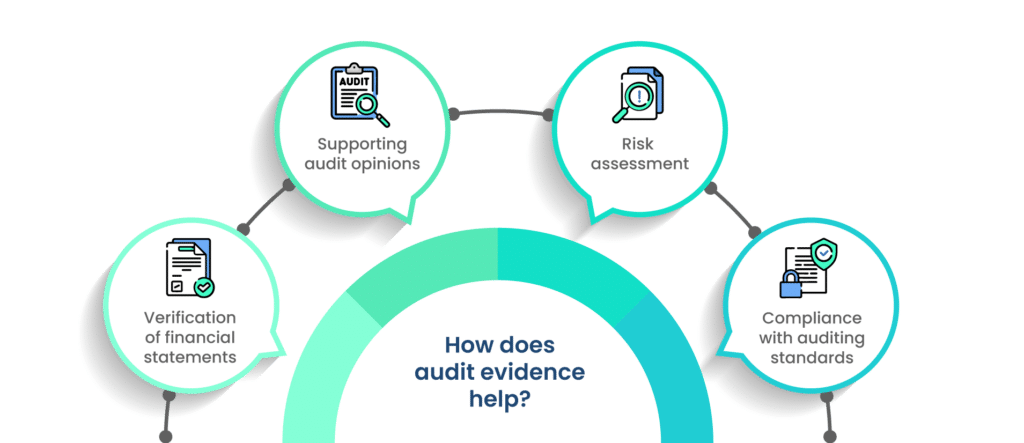
How does audit evidence help?

Audit evidence plays a central role in the audit process, and its importance can be summarized in several key points:

1. Verification of financial statements

Audit evidence is used to verify the accuracy and completeness of the financial statements presented by an organization. It helps determine whether the financial information fairly represents the entity’s financial position, performance, and cash flows.

2. Supporting audit opinions

The auditor’s ultimate goal is to express an opinion on the financial statements. Audit evidence is the basis for forming this opinion. The type and quality of evidence obtained influence the level of confidence the auditor can have in their conclusions.

3. Risk assessment

Audit evidence is essential for assessing and addressing the risk of material misstatements in financial statements. Auditors use evidence to identify areas of potential risk and focus their audit procedures accordingly.

4. Compliance with auditing standards

Auditing standards and regulations require auditors to obtain sufficient and appropriate evidence to support their opinions. Failing to do so can lead to legal and professional consequences.

The audit risk element

Audit risk refers to the possibility that a company’s internal systems still contain material errors or vulnerabilities, even if the auditor issues a favorable “clean” opinion. In simpler terms, it’s the chance that the auditor overlooks something crucial.

There are various categories of audit risk:

  • Control risk: This arises when the client’s internal controls fail to identify or prevent potential significant errors.
  • Detection risk: It pertains to the likelihood of a notable mistake going unnoticed during the audit procedures.
  • Inherent risk: This is the inherent likelihood of a substantial error or misstatement before any risk-reducing controls are put in place.

One of the primary objectives of the audit team is to minimize the risk of overlooking significant errors. They achieve this by conducting more thorough checks and accumulating additional evidence during the audit process to diminish the chances of making mistakes.

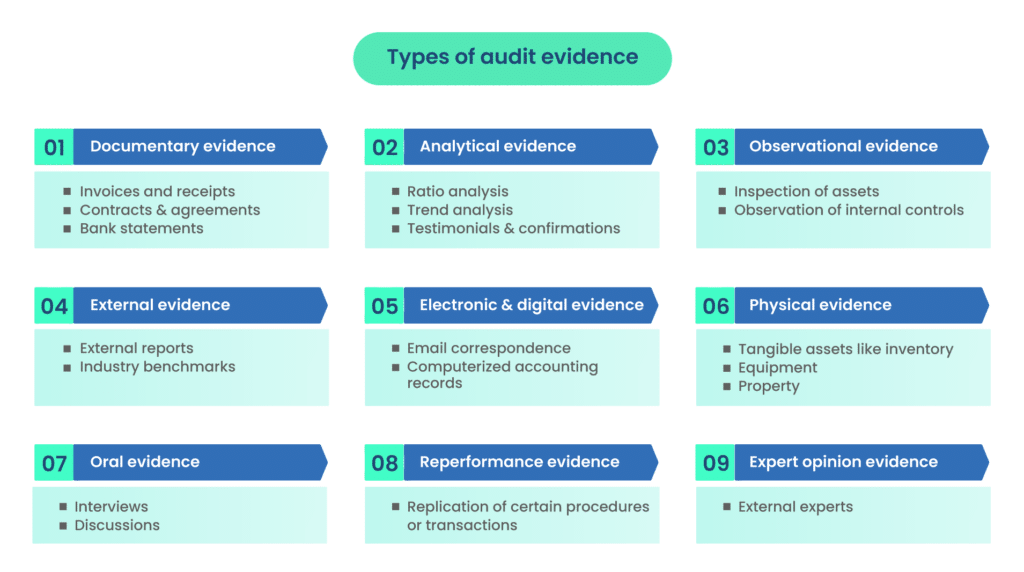
Types of audit evidence

Audit evidence encompasses various forms that auditors employ to scrutinize an organization’s financial statements and internal control systems. Each type of evidence offers unique insights and contributes to the auditor’s ability to provide an accurate opinion.

Let’s delve further into these evidence types:

1. Documentary evidence

Documentary evidence is the most common type of audit evidence and typically includes written records and documents. It provides a tangible and often irrefutable source of information.

Some examples of documentary evidence include:

  • Invoices and receipts: Invoices from suppliers, customer receipts, and other financial documents can be used to verify transactions, amounts, and the timing of financial events.
  • Contracts and agreements: Contracts and agreements with suppliers, clients, employees, and other stakeholders can provide evidence of obligations, terms, and commitments that affect an organization’s financial statements.
  • Bank statements: Bank statements and related documents offer critical evidence of cash balances, transactions, and bank reconciliations, helping auditors confirm the accuracy of an organization’s cash accounts.

2. Analytical evidence

Analytical evidence involves the use of financial and non-financial data analysis to identify patterns, trends, anomalies, or unusual fluctuations that may indicate potential issues or areas of concern. Examples of analytical evidence include:

  • Ratio analysis: Auditors often use financial ratios to assess the financial health and performance of a company. Ratios like liquidity ratios, profitability ratios, and leverage ratios provide valuable insights.
  • Trend analysis: Comparing financial data over multiple periods to identify significant changes or anomalies can provide insights into potential risks or areas requiring further investigation.
  • Testimonials and confirmations: Testimonials and confirmations involve obtaining written or oral statements from knowledgeable individuals, both within and outside the organization. These can include:
    • Confirmation letters: Auditors may send confirmation letters to third parties, such as banks, customers, or suppliers, to independently verify balances, transactions, or other financial information.
    • Expert opinions: Expert opinions from specialists or professionals in specific fields can provide evidence related to complex issues, such as the valuation of unique assets or liabilities.

3. Observational evidence

Observational evidence is gathered through direct observation and physical inspection. Auditors may use this type of evidence to assess the physical existence and condition of assets or the operation of internal controls. Examples include:

  • Inspection of assets: Auditors may physically inspect inventory, property, or equipment to verify their existence and condition.
  • Observation of internal controls: Auditors may observe internal control procedures in action to assess their effectiveness in preventing and detecting fraud or errors.

4. External evidence

External evidence is obtained from sources outside of the organization and can provide an independent perspective on financial information. Examples include:

  • External reports: Credit ratings, market research reports, or industry-specific reports can provide external perspectives on an organization’s financial health and industry performance.
  • Industry benchmarks: Comparing an organization’s performance against industry benchmarks or standards can provide valuable context for evaluating its financial position.

5. Electronic and digital evidence

In today’s digital age, electronic and digital evidence play a significant role in auditing. This includes information stored electronically and digitally, such as:

  • Email correspondence: Emails and electronic communications can provide evidence of agreements, transactions, or decisions made by the organization.
  • Computerized accounting records: Auditors often rely on digital accounting records, including ledgers, financial software, and databases, to gather evidence about an organization’s financial transactions and accounts.

6. Physical evidence

Sometimes, auditors need to go beyond documents and observe tangible assets. By physically inspecting items like inventory, equipment, or property, they can confirm their existence, condition, and valuation. For instance, in a manufacturing plant audit, auditors may physically count the inventory to reconcile it with the financial records.

7. Oral evidence

Interviews and discussions with individuals within the organization are essential for clarifying details, gathering explanations, and obtaining a deeper understanding of specific transactions or practices. Through dialogue with management, employees, and stakeholders, auditors gain valuable context for their assessments.

8. Re-performance evidence

To ensure the effectiveness of internal controls, auditors may replicate certain procedures or transactions performed by the organization. By reperforming these activities independently, they verify that controls are functioning as intended and that the organization’s practices align with its documented policies.

9. Expert opinion evidence

In complex or specialized areas, auditors may seek input from experts. These experts, often external to the audit firm, offer professional opinions based on their expertise. For instance, in the case of complex financial instruments, auditors may engage financial experts to assess their valuation.

Each of these evidence types has a specific role in the audit process. Auditors carefully select and combine these forms of evidence to ensure a comprehensive and accurate assessment.

Their judgment, expertise, and strategic use of evidence types are vital in delivering reliable audit opinions on an organization’s financial health and internal controls. The synergy of these evidence types enhances the audit’s credibility and trustworthiness.

Auditors must carefully select and combine these types of evidence to obtain sufficient and appropriate evidence to support their audit opinions and conclusions.

Evaluation of audit evidence

The evaluation of audit evidence is a critical step in the audit process. After auditors have gathered various types of evidence, they must assess its relevance and reliability to draw conclusions and form their audit opinions.

This evaluation includes the following key aspects:

1. Sufficiency of evidence

The sufficiency of evidence refers to whether the quantity of evidence obtained is adequate to support the audit objectives.

Auditors must consider the following factors when assessing sufficiency:

  • The size and complexity of the organization: Larger and more complex organizations typically require more extensive audit procedures and evidence.
  • Materiality: Auditors should focus on areas and account balances that are more likely to contain material misstatements.
  • Risk assessment: Higher levels of assessed risk may necessitate more extensive audit procedures and evidence to address potential misstatements.

2. Appropriateness of evidence

The appropriateness of evidence is determined by its relevance and reliability. Auditors must consider:

  • Relevance: Evidence should be directly related to the assertions being tested and the audit objectives. Irrelevant evidence does not contribute meaningfully to the audit.
  • Reliability: Reliable evidence is trustworthy and free from bias. Factors such as the source, the quality of internal controls, and the nature of the evidence influence its reliability.

3. Completeness of evidence

Auditors must ensure that they have gathered evidence from a wide range of sources and procedures to obtain a comprehensive view of the financial statements. The evidence collected should cover all significant areas and assertions, and any gaps should be addressed through additional procedures.

4. Reliability of audit evidence

The reliability of audit evidence is essential to ensuring that it is accurate, unbiased, and can be trusted for making informed decisions.

Factors affecting the reliability of evidence include:

a. Source reliability

The source of the evidence significantly influences its reliability. Internal sources, such as financial records generated by the organization itself, may be more reliable if the organization maintains robust internal controls. External sources, while often reliable, can vary in reliability based on the source’s reputation and independence.

b. Auditor’s independence

Auditors must maintain their independence and objectivity throughout the audit process. The more independent the auditor, the more reliable the evidence they gather. Independence helps prevent conflicts of interest and bias that could compromise the quality of the evidence.

c. External vs. internal evidence

External evidence, such as third-party confirmations or industry reports, is generally more reliable than internal evidence produced by the organization being audited. However, internal evidence can still be reliable if the organization has strong internal controls and processes in place to ensure data accuracy.

Special considerations in audit evidence

In some situations, auditors must apply special considerations when obtaining and evaluating audit evidence. These considerations are necessary to address unique challenges and risks that may arise during the audit process.

Key special considerations include:

1. Fraud detection and audit evidence

Auditors are responsible for detecting material misstatements resulting from fraud. Special audit procedures, including forensic audit techniques, may be employed to gather evidence of potential fraud. This involves a higher level of professional skepticism and scrutiny.

2. Going concern assumption and audit evidence

When assessing an entity’s ability to continue as a going concern, auditors must consider evidence related to the organization’s financial health and viability. Events or conditions that cast doubt on the going concern assumption may require the auditor to modify the audit opinion or include an explanatory paragraph in the audit report.

3. Audit evidence in a computerized environment

In today’s technology-driven world, auditors encounter unique challenges in gathering evidence from computerized systems. They must assess the integrity, accuracy, and reliability of electronic and digital evidence. The use of data analytics and advanced technologies may also play a significant role in obtaining audit evidence.

These special considerations highlight the need for auditors to adapt their audit procedures and evidence-gathering techniques to address specific risks and complexities in the audit environment.

By addressing these considerations, auditors can enhance the quality and relevance of the audit evidence obtained and provide more reliable audit opinions.

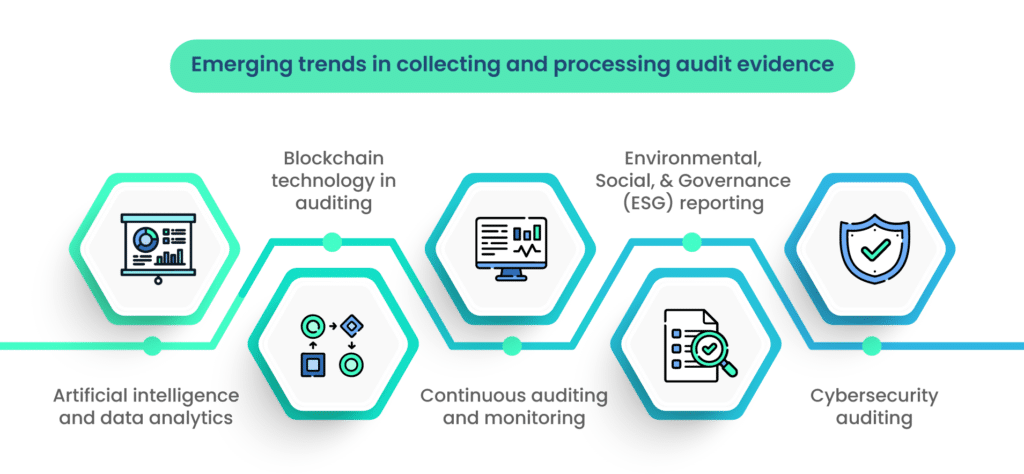
Emerging trends in collecting and processing audit evidence

The field of auditing is continually evolving, driven by technological advancements, changes in business practices, and regulatory developments. Several emerging trends in audit evidence are shaping the profession:

1. Artificial intelligence and data analytics

The use of artificial intelligence (AI) and data analytics is becoming increasingly prevalent in auditing. Auditors can leverage AI to process vast datasets and identify anomalies or patterns that may be indicative of fraud or errors. Data analytics can also provide more in-depth insights into financial performance and internal controls.

2. Blockchain technology in auditing

Blockchain technology, with its transparent and tamper-resistant ledger, has the potential to revolutionize auditing. It can provide a secure and immutable record of financial transactions and other critical data. Auditors are exploring how blockchain technology can be harnessed to enhance the reliability and integrity of audit evidence.

3. Continuous auditing and monitoring

Continuous auditing and monitoring involve real-time or near-real-time assessment of financial transactions and controls. This approach allows auditors to identify issues promptly rather than relying solely on periodic audits. It enhances the relevance and timeliness of audit evidence.

4. Environmental, Social, and Governance (ESG) reporting

As organizations place a greater emphasis on sustainability and responsible business practices, auditors are increasingly involved in auditing ESG data. Auditing ESG disclosures requires specialized knowledge and additional audit procedures to ensure the reliability of non-financial data.

5. Cybersecurity auditing

With the growing threat of cyberattacks and data breaches, cybersecurity auditing has become a critical area of focus. Auditors must assess the adequacy of an organization’s cybersecurity controls to protect sensitive data and financial information.

These emerging trends reflect the evolving landscape of audit evidence and the need for auditors to adapt to changing business environments and technologies.

Staying informed about these trends is crucial for auditors and audit firms to remain effective and relevant in the field. Auditors should be prepared to leverage new tools and methodologies to improve the quality and efficiency of their work.

Wrapping up: The ongoing evolution of audit evidence

The audit profession is dynamic, continually adapting to changes in technology, business practices, and regulatory requirements. Auditors must keep pace with these changes to remain effective in their roles.

As audit evidence evolves, so does the need for auditors to develop new skills and leverage technology to enhance the quality and relevance of the evidence they gather.

In conclusion, audit evidence is the cornerstone of the auditing process, providing the factual basis for forming opinions on financial statements and internal controls. By understanding the types, evaluation, and documentation of audit evidence, auditors can carry out their duties with integrity and professionalism.

Further, the evolving landscape of audit evidence, with its emphasis on technology and emerging trends, presents exciting opportunities and challenges for the audit profession. Staying informed and embracing these changes is crucial for auditors to continue to deliver value to their clients and stakeholders.

Frequently Asked Questions (FAQs)

1. What is audit evidence, and why is it crucial in the auditing process?

Audit evidence refers to the information and documentation that auditors collect and evaluate during an audit to support their conclusions about the financial statements. It plays a crucial role in auditing, as it helps auditors assess the fairness and accuracy of the financial information presented in those statements. Audit evidence provides a basis for the auditor’s opinion on whether the financial statements are free from material misstatements and can be relied upon by stakeholders.

2. What are the primary categories of audit evidence, and how do auditors gather them?

Audit evidence can be categorized into several primary types, including:
– Documentary evidence: This includes financial statements, invoices, contracts, and other written records.
– Physical evidence: Tangible items like inventory, equipment, or property that auditors physically inspect.
– Oral evidence: Information obtained through discussions and interviews with company personnel and third parties.
– Analytical evidence: Data analysis and comparisons that help auditors identify patterns or anomalies.
– External evidence: Information from external sources, such as bank statements, confirmations from third parties, or legal opinions.
Auditors gather evidence through procedures like inspection, observation, inquiry, and confirmation, depending on the type of evidence and audit objectives.

3. How do auditors assess the reliability and sufficiency of audit evidence?

Auditors use professional judgment to assess the reliability and sufficiency of audit evidence. They consider factors such as the source, nature, and reliability of the evidence. For instance, evidence obtained directly from an independent third party may be more reliable than evidence prepared by the entity being audited. The sufficiency of evidence depends on the audit risk and the materiality of the item being tested. Auditors aim to collect enough evidence to provide reasonable assurance that the financial statements are free from material misstatements.

4. Can you provide examples of common types of audit evidence used in financial audits?

Common types of audit evidence in financial audits include:
– Bank statements and reconciliations
– Invoices, purchase orders, and sales contracts
– Payroll records and tax filings
– Inventory counts and observations
– Confirmation of balances with third parties
– Minutes of meetings and board resolutions
– Legal opinions and agreements
– Financial reports and ledgers
– Management representations and confirmations
These forms of evidence are used to verify transactions, account balances, and the overall presentation of financial information in the statements.

5. What challenges do auditors face in obtaining and evaluating audit evidence, and how are these challenges addressed?

Auditors encounter various challenges, including dealing with uncooperative or dishonest clients, complex transactions, and issues related to the availability and reliability of evidence. These challenges are addressed through professional skepticism, thorough audit planning, the use of specialized audit procedures when necessary, and adherence to ethical and professional standards. Auditors may also seek legal advice or engage specialists to address complex issues and ensure the quality of audit evidence. Clear communication with the client and professional skepticism in evaluating evidence help mitigate these challenges.

Authored by

Aayush Ghosh Choudhary
Co-founder & CEO at Scrut

What to expect in the new PCI DSS 4.0?

The Payment Card Industry Data Security Standard (PCI DSS) is a set of security standards established in 2004 by major credit card companies, including Visa, MasterCard, American Express, Discover, and JCB. Its primary goal is to enhance the security of cardholder data and reduce credit card fraud.

Throughout its history, PCI DSS has undergone multiple updates, each refining and expanding its requirements to better protect cardholder data and prevent data breaches. Notable updates include versions like PCI DSS 1.1 (2006), PCI DSS 1.2 (2008), PCI DSS 2.0 (2010), PCI DSS 3.0 (2013), and PCI DSS 3.2 (2018), and now PCI DSS 4.0. 

The figure shown below shows the complete timeline of the PCI DSS evolution.

Key changes in PCI DSS v4.0 vs v3.2.1

Several factors contribute to the necessity of PCI DSS v4.0. For instance, PCI DSS v3.2.1 mentions the use of anti-virus solutions. However, nowadays, anti-malware solutions, which are much more holistic in nature, have replaced anti-virus solutions. The new version of PCI DSS has replaced the use of anti-virus with anti-malware. 

Another noteworthy change in PCI DSS v4.0 involves the adoption of the term “network security controls (NSCs)” in lieu of “firewalls and routers.” This adjustment accounts for the diverse array of devices and solutions collaboratively employed to secure network assets, exemplifying the standard’s commitment to a comprehensive security stance.

The following table provides an overview of modifications to individual requirements and sub-requirements, along with any newly introduced requirements, categorized under each main requirement. For a comprehensive understanding of the precise nature of each alteration, please refer to the “PCI DSS Summary of Changes v3.2.1 to v4.0” available on the PCI Security Standards Council website.

The 12 requirements of PCI DSS standard are:

  1. Protection of the computing network
  2. Alteration to the components of the information structure
  3. Protection of cardholder data
  4. Protection of  transmitted cardholder data
  5. Anti-virus protection of the information infrastructure
  6. Development and support of information systems
  7. Access control to cardholder data
  8. Authentication mechanisms
  9. Physical protection of the information infrastructure
  10. Information security management
  11. Event and action logging
  12. Control of the security of the information infrastructure

Some of the key changes in PCI DSS v4.0 are given below:

1. Customized approach

PCI DSS v4.0 introduces a significant shift in how organizations can simplify PCI compliance, offering them the flexibility to tailor their approach to meet specific requirements. For the majority of requirements, organizations now have the option to choose between the Defined Approach, which prescribes precise details on how to fulfill and evaluate the requirement or the Customized Approach, which empowers organizations to devise their own processes as long as they align with the requirement’s objectives. 

However, using a customized approach brings extra duties, including making and testing controls, checking how well they work, filling out the control matrix, and doing a Targeted Risk Analysis (TRA) for each Customized Control.

It is essential to recognize, however, that certain requirements do not permit customization, mandating organizations to adhere to predefined criteria. Such requirements will be clearly marked in the PCI DSS with the statement: “This requirement is not eligible for the customized approach.” You can find these explicitly identified in the PCI DSS documentation for each requirement that falls under this category.

2. Delegating responsibilities

Organizations should clearly outline roles and duties, ensuring that personnel are responsible for their assigned tasks. These roles and responsibilities must be formally designated and recorded. This requirement is in effect immediately for all v4.0 assessments.

It is recommended to take it a bit further with the following tasks by:

  1. Defining the roles and responsibilities per control and requirement basis or splitting it further by asset type.
  2. Using a RACI – Responsible, accountable, consulted, and informed (RACI matrix) as a starting point.

5 key reasons for clear cybersecurity roles and responsibilities

  1. Incident response: Clearly defined roles enable swift and coordinated responses to cyber incidents, reducing damage and data loss.
  2. Accountability: Defined roles encourage staff to take responsibility for cybersecurity measures, preventing security gaps and easing transitions during organizational changes.
  3. Risk management: Explicit roles help organizations assess and mitigate evolving cybersecurity risks efficiently.
  4. Resource optimization: Defined responsibilities enhance resource allocation, reducing duplication and maximizing cybersecurity program effectiveness.
  5. Compliance and auditing: Clear roles and responsibilities facilitate compliance with PCI DSS v4.0 and other regulatory standards, simplifying audits and avoiding penalties.

3. Encryption of sensitive authentication data (SAD)

PCI DSS 4.0 requires the organization to “Examine data stores, system configurations, and/or vendor documentation to verify that all SAD that is stored electronically prior to completion of authorization is encrypted using strong cryptography.” Until March 31, 2025, when v4.0 is fully implemented, this requirement is to be treated as a best practice.

Encryption is mandatory for all SAD, including CVV, irrespective of the presence of the Primary Account Number (PAN). This mandate enhances security when dealing with authentication data.

4. Maintaining key and certificate inventory for PCI DSS v4.0

To comply with PCI DSS v4.0, it’s crucial to keep an updated inventory of trusted keys and certificates, especially for strong encryption. This includes carefully documenting, tracking, and managing SSL/TLS certificates used for transmitting sensitive data over public networks. Increased tracking ensures the ongoing strength and validity of these certificates, akin to existing change control requirements.

To meet this requirement, organizations should document a repeatable process for issuing, maintaining, and storing cryptographic keys and certificates. Strong cryptography and security practices must safeguard private account numbers (PAN) during transmission over open, public networks, using only trusted certificates and keys.

Requirement 4.2.1 mandates that certificates protecting PAN during transmission over public networks must be confirmed as valid and not expired or revoked. This is a best practice until March 31, 2025, but will become mandatory from April 1, 2025, during PCI DSS assessments. It also specifies secure protocol usage without fallback to insecure versions, ensuring suitable encryption strength.

Requirement 4.2.1.1 entails maintaining an inventory of current keys and certificates, tracking their validity, and having procedures to check for expiration or revocation. Certificates trusted by browsers now have a maximum validity of 13 months, necessitating annual renewal. Custom applications should be coded to reject untrusted certificates from presumably PCI-compliant partners or processors.

5. Hashing and disk encryption

  • Hashing methods must be updated as specified.
  • Key lifecycle management controls apply to all keys.
  • Organizations need to update data storage and internal code using hashing.
  • Full Disk Encryption (FDE) is required (Requirement 3.5.1.2) to protect data in case of physical disk loss. FDE prevents unauthorized access even if authentication credentials are compromised. It can be used for portable devices and requires separate keys for drive unlocking and OS access.
  • Companies using disk encryption for data storage or sharing must employ file-level encryption for data protection.

6. Multi-factor authentication (MFA) for CDE Access

In PCI DSS v4.0, multi-factor authentication (MFA) is mandatory for any access to the cardholder data environment (CDE) to enhance user identification confidence. This means:

  • All users must use MFA for authentication.
  • Single-factor authentication (SFA) access to the CDE should be restricted.
  • Users should validate at least two out of three authentication factors to access resources.
  • All remote network access from outside the organization’s network impacting the CDE must use MFA.
  • Users, including administrators, cannot bypass MFA systems unless approved by management for a limited time with documented exemption.

7. Cryptographic cipher management

This new requirement mandates documenting and reviewing cryptographic cipher suites and protocols on an annual basis. Until March 31, 2025, this is considered a best practice. Here’s what it involves:

  • Maintaining a list of all existing cryptographic cipher suites and protocols, including details on their uses and locations.
  • Keeping an eye on market trends to ensure the continued suitability of currently used cryptographic cipher suites and protocols.
  • Having a plan in place to address any changes in cryptographic vulnerabilities.

Identifying which cipher suites and protocols are in use across the organization may require reverse engineering various application implementations. This requirement applies to both applications and security/management tools, as they may not clearly indicate the cipher suites in use. Note that TLS 1.2 and 1.3 support numerous cipher suites (up to 40+), some of which are outdated and should not be used, even if they are correctly implemented.

8. Cryptographic architecture (Service providers only)

This requirement focuses on safeguarding cardholder information and primary account numbers (PANs) using cryptographic methods. Key aspects of protecting account data include encryption, truncation, masking, and hashing. Even if a hacker breaches other security measures and accesses encrypted account data, they can’t use it without the right cryptographic keys.

To minimize potential risks effectively, additional data protection methods must be considered. Service providers are now required to provide a documented description of their cryptographic setup for both production and test environments to prevent the use of duplicate cryptographic keys. Test environments are often less secure, making cryptographic keys more susceptible to interception and decoding. This requirement helps reduce such risks.

Timeline for PCI DSS v4.0 adoption

Organizations will be given until March 31, 2024 to undergo assessments using either PCI DSS v3.2.1 or v4.0. However, as of March 31, 2024, PCI DSS v3.2.1 will be retired, and all organizations will be subject to assessments based on PCI DSS v4.0.

An additional important deadline to keep in mind pertains to certain new requirements within v4.0. Organizations are required to fully implement the requirements categorized as “best practice” by March 31, 2025

The extended timeline is introduced to ensure the organizations falling under PCI DSS are well-versed with the requirements of v4.0 before it is fully implemented.

The following timeline illustrates the phased adoption of these requirements.

Phased adoption of PCI DSS 4.0

7 Steps to a smooth transition to PCI DSS v4.0

With the significant changes in the PCI DSS scope, it’s crucial for organizations to begin assessing compliance with v4.0 promptly. Starting the transition to v4.0 early allows ample time to address potential challenges posed by new or modified requirements and decide whether a customized approach is necessary.

Here are the steps to initiate your organization’s transition to v4.0:

  1. Appoint a project lead to oversee the v4.0 transition.
  2. Evaluate your current environment against the new or revised v4.0 requirements.
  3. Decide which requirements, if any, will use the customized approach.
  4. Follow the steps outlined in Appendix D – Customized Approach in the PCI DSS for each applicable requirement.
  5. Reassess the requirements once all necessary steps are completed.
  6. Identify issues where new or revised requirements cannot be currently met and create a remediation plan.
  7. Continuously reassess requirements as remediation activities progress.

Additionally, collaborate with your organization’s Qualified Security Assessor (QSA) or Internal Security Assessor (ISA) if applicable, and utilize PCI SSC resources for further guidance.

How can Scrut help you in implementing PCI DSS v4.0 compliance?

Scrut can automate many labor-intensive tasks for your organization. It can perform the following functions:

  • Continuous monitoring: Scrut enables continuous monitoring of network and system activity, helping to detect and respond to security threats in real-time.
  • Vulnerability scanning:  Scrut can regularly scan for vulnerabilities, identify weaknesses, and automate the remediation of known vulnerabilities.
  • Log management and analysis: Automation by Scrut centralizes log collection, parses log data, and generates alerts for suspicious activities, aiding in meeting PCI DSS logging and monitoring requirements.
  • Patch management: Scrut helps schedule, test, and deploy security patches, reducing the risk of vulnerabilities and ensuring systems are up to date with PCI DSS requirements.

Summary

In summary, the migration from PCI DSS 3.2.1 to 4.0 is essential for adapting to evolving cybersecurity threats and enhancing the security of cardholder data. Key changes include more flexible compliance approaches, clear role definitions, improved encryption, and mandatory multi-factor authentication. To prepare, organizations should appoint leaders, assess compliance, and develop remediation plans. 

Collaboration with experts and automation tools can streamline the process. The deadline for compliance is March 31, 2025, making early action imperative to protect cardholder data and maintain customer trust. Embracing PCI DSS v4.0 is crucial for robust cybersecurity practices in the digital era.
Ready to simplify your PCI DSS 4.0 compliance journey? Let Scrut automate and streamline your security tasks. Get started now to enhance your data protection and meet the latest PCI standards. Contact us today!

Authored by

Aayush Ghosh Choudhary
Co-founder & CEO at Scrut

Managing sub-processor risk to comply with global privacy regulations

Modern digital supply chains are complex and getting even more so every day. As specialist providers of niche services emerge to address almost every business requirement imaginable, it is becoming conceivable that organizations outsource almost everything except for their core functions.

This has major economic, cybersecurity, and privacy implications. Tracking the flow of personal data through complex information flows can be challenging. Being a key requirement of “privacy-by-design” as mandated by the European Union (EU) General Data Protection Regulation (GDPR) and other regulations, though, it isn’t really optional.

We have previously written about the GDPR and California Consumer Privacy Act (CCPA) and we also went in-depth on some key definitions, such as data processor and controller. But in this post, we’ll elaborate on one key aspect of complying with these and similar regulations: sub-processor management.

What is a data sub-processor?

A data sub-processor is an entity that processes personal data on behalf of a data processor, under the instruction of the data controller. The sub-processor essentially extends the data processing activities of the processor and is subject to the same data protection obligations.

The GDPR explicitly defines sub-processors and mandates that they must be governed by a contract that imposes the same data protection obligations as the data processor has with the data controller. The legislation also holds sub-processors accountable for any breaches or non-compliance, and they can be directly subject to fines.

The CCPA, however, does not explicitly define sub-processors. It does discuss “service providers,” though, which function similarly. Liability for sub-processors is slightly less stringent because the primary liability often rests with the “business” (akin to the data controller in GDPR), not the service provider itself.

Generally, data sub-processors do not include open source libraries or similar collections of static code which do not, by themselves process any information.

Why should I worry about data sub-processors?

Specifically with respect to the GDPR, data processors can only leverage sub-processors that:

  • Are authorized by the data controller.
  • Themselves are able to comply with the GDPR.
  • Implement sufficient technical and organizational security measures
  • Provide data breach notifications in case personal data is stolen or exposed.
  • Have a contract with the processor detailing the purpose and types of processing done.

Usually, these terms are covered by a data processing addendum (DPA) between the controller and processor, as well as the processor and its sub-processors.

The CCPA has slightly less stringent requirements for service providers, but still requires:

  • Notification to consumers as to how their data is transferred and, if applicable, sold.
  • Due diligence by the processor on all sub-processors it leverages.

Furthermore, Canada’s Personal Information Protection and Electronic Documents Act (PIPEDA) includes the concept of accountability, whereby you are responsible for any personal information transferred to a third party. Brazil’s Lei Geral de Proteção de Dados Pessoais (LGPD) requires all processing agents to “adopt security, technical and administrative measures able to protect personal data.”

Thus, tracking sub-processors, their cybersecurity posture, and compliance with relevant data privacy laws is an absolute requirement for any business subject to these requirements.

How should I track and manage data sub-processors?

If you are a data processor, having a repeatable and consistent method for keeping an inventory of your sub-processors is key to staying compliant. Under GDPR, data controllers must consent to the use of new sub-processors, so being able to provide a consolidated list of them at any given moment is a hard requirement.

While controllers can provide general authorization to processors to start using new sub-processors, they must be notified and have the ability to object. This makes having a standard operating procedure for onboarding new vendors, and optimally a technology platform that does this automatically, key to staying within the bounds of the GDPR and similar rules.

Additionally, a best practice is to maintain a single source of truth for all sub-processors that is publicly-available and referenced by all existing documents and agreements. Conflicting and outdated lists can create confusion and create serious liability if you are unable to meet the requirements of applicable data privacy laws. 

Using a structured format that is easily understandable can help to answer any questions current or prospective customers might have about your sub-processors. And in the future, organizations might even use software bills of material (SBOM) to track these lists in a machine-readable manner.

What special considerations are there when using data sub-processors deploying AI tools?

With the explosion in growth of artificial intelligence (AI) tools leveraging large language models (LLMs), adhering to data privacy regulations can become even more challenging. Optimally, you would restrict sub-processors from handling personal data as much as possible and only to the extent that it is absolutely necessary.

For example, if you are conducting a market research project using a tool like ChatGPT, sanitize any personal data like emails, phone numbers, and the like. Similarly, if you are creating a marketing blog post using Jasper.ai, it’s unlikely you would need to prompt the tool with people’s names or contact information.

Conclusion

The rapidly evolving data privacy landscape makes compliance a continuing challenge. As requirements change – or become clarified through regulatory action – organizations need to adapt quickly to comply. Similarly to cybersecurity risk, compliance risk is something that is difficult to eliminate entirely, but having the right tools in place can mitigate it greatly.

For example, you can automatically update your sub-processors using Scrut’s smartGRC functionality. By pulling data from services connected to the Scrut platform, your Trust Vault will be seamlessly updated. By seamlessly identifying sub-processors and providing this information to interested parties, you can help to meet GDPR and related requirements. Additionally, since systematically measuring and managing vendor risk is a key step in building a security program mandated by these regulations, you’ll be even better equipped from a compliance perspective.
Interested in seeing how Scrut Automation can make sub-processor management easier? Schedule a demo today.

Authored by

Aayush Ghosh Choudhary
Co-founder & CEO at Scrut

Data privacy regulation terminology: GDPR, CCPA, and more

Privacy regulations are proliferating.

And so are the terms, definitions, and requirements specified in all of them. We have talked previously a bit about the European Union (EU) General Data Protection Regulation (GDPR), California Consumer Privacy Act (CCPA), and other regulations, but in this post we wanted to get into the nitty-gritty details of some of the key pieces of legislation.

Understanding the key terms is no small feat given the densely worded content of government legislation and regulation. So we cut all the fat and gave you exactly what you need below.

What is a data subject?

According to the GDPR, a data subject is any natural person whose personal data is processed, irrespective of that person’s citizenship or location. While this definition might imply that the GDPR applies to everyone in the world, the criteria for data controllers and processors limits it somewhat. 

Specifically, the GDPR applies to all EU-established organizations as well as those that process personal data and offer goods or services to, or monitor the behavior of, EU residents.

Brazil’s Lei Geral de Proteção de Dados Pessoais (LGPD) uses the similar term titular dos dados pessoais, which translates to “holder of personal data” from Portuguese. Its definition is similarly broad, like the GDPR’s. 

The CCPA, however, is much more narrowly tailored in that it applies only to California residents, which it calls “consumers.” There are no citizenship requirements to qualify as a consumer under the CCPA.

What is personal data?

The GDPR has the broadest conceivable definition of what personal data is, defining it as “any information relating to an identified or identifiable natural person.” The law does not limit what qualifies as personal data, only providing examples of what might count. Furthermore, even technical identifiers that could be unique to a single person can be considered personal data, including IP addresses and browser cookies.
The main exceptions to this definition are data processed in a non-automated manner and not stored, and any information processed purely for household purposes.

The CCPA has a similarly broad definition of the equivalent term (“personal information”), which it defines as anything “that identifies, relates to, describes, is reasonably capable of being associated with, or could reasonably be linked, directly or indirectly, with a particular consumer or household.”

California’s law, however, excludes information that is lawfully publicly available while the GDPR does not. This is a major difference between the two standards.

Canada’s Personal Information Protection and Electronic Documents Act (PIPEDA) is similar in that it defines personal information as “any factual or subjective information, recorded or not, about an identifiable individual.” The Canadian law, however, has many exclusions such as data used for artistic, journalistic, literary, personal, and even some business reasons.

Perhaps most importantly for businesses subject to these regulations, some like the GDPR and CCPA provide a “right to erasure” for the subject of this data. This means that – upon request of this person – they will need to take reasonable steps to delete the data of the person in question. Without an effective compliance program and standard operating procedures in place, this can quickly become very difficult.

What are special categories of personal data?

The GDPR creates and explicitly prohibits almost all types of processing of certain special types of information, which are:

  • racial or ethnic origin
  • political opinions
  • religious or philosophical beliefs
  • trade union membership
  • genetic data
  • biometric data for the purpose of uniquely identifying a natural person
  • data concerning health
  • data concerning a natural person’s sex life or sexual orientation

Brazil’s LGPD also specifies a similar category of “sensitive personal data” and restricts its processing. The CCPA doesn’t have an equivalent category, but defines “biometric data” without specifying that it must be handled differently from personal information. Importantly, the CCPA does not govern the handling of protected health information (PHI), as defined by the United States Health Insurance Portability and Accountability Act (HIPAA) and similar rules. PIPEDA also explicitly identifies biometric data as being a type of personal information.

What is a data controller?

According to the GDPR, this is the entity that determines the purposes and means of processing personal data. It holds primary responsibility for data protection and can be a person, government agency, or corporation. An equivalent term used by the CCPA is “business,” but the law makes clear that it only applies to for-profit companies (with some narrow exceptions). This is a substantially narrower definition than that of the GDPR. Brazil’s LGPD has a very similar definition.

To give an example: under the GDPR, an online retailer that collects personal data from its customers for the purpose of fulfilling their orders, providing support, and improving their product offerings would be the data controller. It is responsible for making decisions about how and when the personal data in question is used. The same retailer would also qualify as a “business” under the CCPA  (assuming it is subject to the law).

What is a data processor?

In the modern economy, essentially every business needs to use third parties to do at least some of its data processing, including of personal data. This party is a “data processor” according to the GDPR, and can only process personal data based on a written contract or other legal obligation with the controller. These entities also become subject to GDPR and will need to assist in fulfilling “right to erasure” and similar requirements.

Under the CCPA, these organizations are called “service providers,” and controllers are required to enter into agreements with them that limit the processing of personal information only to the extent necessary to fulfill the original agreement.

Using the example of the online retailer above, if it uses a backend-as-a-service provider to store its customer data, that entity would be considered a processor.

What is a data sub-processor?

A data sub-processor is an entity that further processes personal data on behalf of a data processor, under the instruction of the data controller. The sub-processor essentially extends the data processing activities of the processor and is subject to the same data protection obligations. Under the GDPR, the original data processors must have the consent of the controller to engage with sub-processors.

The CCPA does not explicitly recognize sub-processors and treats them as another service provider. While liability may be transferred contractually to these organizations, they don’t necessarily have the full brunt of legal responsibility carried by the business.

Completing the example of the online retailer, if the backend-as-a-service provider uses a major cloud vendor for hosting purposes, that cloud vendor would be a sub-processor.

Conclusion

The GDPR, CCPA, PIPEDA, LGPD and others are definitely difficult documents to consume. Even more difficult is understanding exactly how they apply in a modern technological context. Because legislation takes a long time to write, and technology moves so quickly, gaps can often emerge. With enforcement of the GDPR beginning more than 5 years ago, it is already clear that developments in artificial intelligence and other fields are creating unanticipated scenarios.

Staying on top of the latest regulatory developments can be a huge burden for businesses whose primary focus is elsewhere. That’s why having an effective automation platform can be so crucial to saving time while staying compliant.

Want to see how we tackle this problem? Set up a demo today.

Authored by

Aayush Ghosh Choudhary
Co-founder & CEO at Scrut

Defending your digital fortress: Exploring common types of security incidents

In recent years, reliance on digital technology has become an integral part of businesses, governments, and individuals. We store personal data online, conduct financial transactions, and run our critical infrastructure through interconnected systems. This dependency has made cybersecurity a critical consideration, as the potential risks and vulnerabilities have increased exponentially.

As the digital world continues to evolve, so do the threats. So, staying informed and proactive in managing and preventing security incidents is vital. The consequences of security incidents can be severe, including financial losses, data breaches, reputational damage, and even threats to national security.

A robust cybersecurity strategy is no longer a choice but a necessity for all entities dependent on digital systems. This blog post serves as a comprehensive guide to common security incidents for individuals and organizations.

In 2021, the average cost of a data breach was $4.24 million, a figure that is likely to grow considerably in the coming years.

What is cyber risk?

Cyber risk refers to the potential harm or loss an individual, organization, or society faces due to vulnerabilities in the digital realm. It encompasses a wide range of threats, including data breaches, cyberattacks, and the exploitation of technology-related weaknesses. 

These risks can lead to various consequences, such as financial losses, damage to reputation, data exposure, and even the disruption of critical services.

What are security incidents?

Security incidents are events or occurrences that compromise the confidentiality, integrity, or availability of an organization’s information or information systems. There are different types of security incidents, including data breaches, unauthorized access, malware infections, denial-of-service attacks, and more. 

Security incidents may result in data theft, system damage, disruption of services, or the violation of privacy. Prompt identification, containment, and response to security incidents are critical to minimizing potential harm and protecting the organization’s assets, reputation, and the trust of its stakeholders.

Common types of security incidents and how to handle them

Here are the most common types of security incidents that pose a threat to organizations’ security and security incident management measures.

A. Malware infections

Malware, a contraction of “malicious software,” refers to a broad category of software specifically designed to infiltrate systems and execute harmful actions without the user’s consent. It encompasses various forms of digital threats, each with its own nefarious purpose.

  • Viruses: Viruses attach themselves to legitimate programs and files, spreading when the infected file is executed. They can corrupt data, damage systems, and replicate themselves.
  • Worms: Worms are self-replicating malware that spread across networks and systems without user intervention. They can overload networks and damage infrastructure.
  • Trojans: Trojans disguise themselves as legitimate software but contain hidden malicious code. They can steal data, provide unauthorized access, or damage systems.
  • Ransomware: Ransomware encrypts files or systems, rendering them inaccessible. Attackers demand a ransom for the decryption key, and non-payment often results in data loss.
  • Spyware: Spyware covertly monitors user activities, including keystrokes and screen captures, to steal sensitive information.

How malware works

Malware typically infiltrates systems through various means, including infected email attachments, malicious websites, removable media, and software downloads. 

Once inside a system, it can execute a range of actions, from stealing sensitive data to corrupting or damaging files and applications.

Real-world case studies
The “WannaCry” ransomware attack in 2017 infected over 200,000 computers in 150 countries, demanding ransom payments in Bitcoin.
The “Stuxnet” worm, discovered in 2010, was designed to target industrial control systems and is believed to have been created for nation-state cyber espionage.

Preventing and mitigating malware infections

Preventing and mitigating malware infections is a priority in cybersecurity. Best practices include:

  • Regularly updating operating systems and software to patch known vulnerabilities.
  • Installing reputable antivirus and anti-malware solutions.
  • Exercising caution with email attachments and downloads.
  • Educating users on recognizing phishing emails and malicious websites.
  • Implementing robust access controls and intrusion detection systems.

B. Phishing attacks

Phishing is a form of social engineering in which attackers use deceptive tactics to trick individuals into revealing sensitive information, such as login credentials, financial details, or personal information. Attackers often impersonate trusted entities, creating convincing scenarios to deceive victims.

Evolving phishing techniques

Phishing techniques are diverse, but they share a common goal: luring individuals into divulging valuable information. Key phishing techniques include:

1. Email phishing

Attackers send fraudulent emails that appear to be from reputable sources, often with links to fake websites designed to steal information.

2. Spear phishing

Targeted phishing attacks that focus on specific individuals or organizations, using personal information to enhance credibility. This highly targeted approach involves researching and tailoring phishing messages to specific individuals. According to recent reports, spear phishing accounts for approximately 91% of all cyberattacks.

3. Whaling

Similar to spear phishing, but targeting high-profile individuals, such as company executives.

4. BEC (Business Email Compromise)

BEC attacks, also known as CEO fraud, are becoming increasingly sophisticated. These attacks cost businesses billions of dollars each year, with an average loss of $75,000 per incident.

5. Vishing (Voice Phishing)

Attackers are not limiting themselves to emails. Vishing involves manipulating individuals over the phone. In 2021, the FBI reported a 78% increase in vishing attacks.

Here are some guidelines for recognizing and responding to potential vishing calls:
Request the caller’s name and confirm their identity before sharing any personal information when you receive an unexpected call.
If the caller makes an unusual request, consider ending the call as a precaution.
Exercise caution if the caller presents an offer that sounds too good to be true; it often indicates a potential scam.
Be skeptical of calls claiming to be from government agencies that demand money or personal information. Legitimate government agencies typically don’t make unsolicited calls for such purposes.
Stay vigilant against “fake emergencies,” where a caller pretends to be a family member in distress and asks for money. Establish a secret password with your loved ones to validate their identity in case of a real emergency.
Remember that caller IDs can be easily manipulated, so don’t solely rely on them as a trust indicator.

6. Smishing (SMS Phishing)

Mobile devices are now prime targets. With 5.6 billion mobile users in 2021, it’s no surprise that cybercriminals have turned to SMS phishing to dupe users into clicking malicious links or providing personal information.

Real-world examples
To better understand the gravity of evolving phishing techniques, let’s look at some real-world examples:
SolarWinds attack (Supply Chain Attack): In 2020, nation-state actors compromised the software supply chain of SolarWinds, a major IT management software provider. The attackers injected a backdoor into SolarWinds’ software updates, enabling them to infiltrate numerous government and private-sector organizations.
COVID-19 Related Phishing: Cybercriminals exploited the pandemic to launch phishing attacks with COVID-19 themes. They impersonated healthcare organizations, government agencies, and vaccine providers to steal personal information and distribute malware.
Google Docs phishing attack 2017: In this sophisticated attack, victims received an email that appeared to be a legitimate Google Docs invitation. Clicking on the link directed users to a fraudulent login page, stealing their Google account credentials.

The psychology of phishing

Phishing attacks exploit human psychology, relying on emotions like fear, curiosity, or trust. These tactics surrounding the psychology of phishing aim to pressure individuals into taking actions they wouldn’t otherwise perform.

Real-world phishing examples:
In the “LinkedIn” phishing attack, attackers impersonated LinkedIn to send connection requests containing malicious links.
The “Nigerian Prince” scam is a classic phishing example, promising riches in exchange for personal details and money transfers.

How to recognize and avoid phishing attacks

It’s not always easy to verify and avoid phishing attacks. 

Are you aware that in 2022, there were a staggering 1,279,086,245 phishing attacks, marking a significant 47.2% increase from the previous year? 
Notably, several well-known names found themselves among the most targeted, including LinkedIn, Google, FedEx, Netflix, Raiffeisen, Microsoft, and Paypal. 
What’s more concerning is that the financial losses resulting from phishing attacks have surged by a substantial 76% since the previous year.

Here’s how to recognize and avoid phishing attacks:

  • Verify the sender’s email address and website URLs.
  • Avoid clicking on suspicious links or downloading attachments from unknown sources.
  • Be cautious when asked to provide personal or financial information.
  • Educate users on the signs of phishing and the importance of skepticism.
  • Understanding malware infections and phishing attacks is key to bolstering cybersecurity defenses. 
Phishing attempts per day: Phishing is the most common form of cybercrime. An estimated 3.4 billion phishing emails are sent every day.
Phishing success rate: The success rate of phishing attacks can vary widely, but on average, it’s estimated that around 1-2% of phishing emails result in a successful compromise, according to the 2021 Verizon Data Breach Investigations Report.
Percentage of users falling prey to phishing: The exact percentage of users falling prey to phishing attacks varies, but it is generally estimated that between 30% to 60% of users open phishing emails, and a smaller percentage may actually provide sensitive information, such as login credentials. The success largely depends on the sophistication of the attack and the level of security awareness among the targeted individuals.

C. Data breaches

A data breach refers to the unauthorized access, acquisition, or disclosure of sensitive or confidential data. It involves the exposure of data to individuals, entities, or processes that should not have access to it. 

Verizon’s 2023 DBIR found that 36% of all data breaches involved phishing.

Data breaches can occur in various forms, including:

  • Hacking: Cybercriminals exploit vulnerabilities in systems or networks to gain unauthorized access to data.
  • Accidental exposure: Data may be unintentionally exposed through misconfigured systems, security lapses, or human error.
  • Insider threats: Employees or insiders with access privileges misuse their permissions to access and steal data.
  • Physical theft or loss: Stolen or misplaced devices, such as laptops or hard drives, can lead to data breaches.

Causes and consequences of data breaches

Data breaches can result from various causes, including lax security measures, inadequate employee training, insufficient access controls, or sophisticated hacking techniques. 

The consequences are significant and may include:

  • Financial loss: The cost of addressing data breaches can be substantial, including fines, legal fees, and lost business opportunities.
  • Reputational damage: Data breaches erode trust and can damage an organization’s reputation, potentially leading to customer attrition.
  • Legal and regulatory implications: Data protection laws require organizations to notify affected parties and regulators, and non-compliance can lead to fines.
  • Long-term repercussions: The impact of a data breach can persist for years, affecting an organization’s operations and profitability.
Notable data breach incidents
Several high-profile data breaches have made headlines in recent years, exposing millions of individuals’ personal and financial information. These incidents underscore the seriousness of data breaches and the vulnerabilities in various industries.
The Equifax data breach in 2017 resulted in the exposure of sensitive financial and personal information for approximately 147 million consumers.
The Yahoo data breaches in 2013 and 2014 led to the theft of over one billion user accounts’ data, affecting Yahoo’s reputation and its acquisition by Verizon.

Data breach prevention and response

Preventing data breaches involves implementing robust security measures, including encryption, access controls, and network monitoring. Regular security training and awareness programs can help mitigate the risk of insider threats. 

Organizations should also establish a cyber security incident response plan to address breaches promptly and minimize damage.

Here are some insights on what to do for data breach prevention and response:

1. Implement robust security measures

Start by establishing a multi-layered security infrastructure that includes encryption, strong access controls, and continuous network monitoring. Encryption protects data both in transit and at rest, access controls restrict unauthorized users from accessing sensitive information, and network monitoring help identify suspicious activities in real time.

2. Regular security training and awareness

Educate your employees on the importance of cybersecurity and how to recognize and respond to potential threats. Well-informed employees are often the first line of defense against data breaches. Regular security training and awareness programs can help inculcate a security-conscious culture within the organization and mitigate the risk of insider threats.

3. Develop a cybersecurity incident response plan

Establish a comprehensive incident response plan that outlines the steps to take in the event of a data breach. This plan should include clear guidelines on how to identify, contain, eradicate, and recover from a breach. Assign roles and responsibilities within the incident response team, and ensure that everyone is aware of their specific duties.

4. Incident monitoring and detection

Implement tools and technologies that enable real-time monitoring and detection of potential breaches. Intrusion detection systems (IDS), intrusion prevention systems (IPS), and security information and event management (SIEM) solutions can help identify suspicious activities and trigger alerts when anomalies are detected.

5. Data backup and recovery

Regularly back up critical data and ensure you have a reliable disaster recovery plan in place. Having up-to-date backups can help in the recovery process and minimize downtime in the event of a breach.

6. Compliance with data protection regulations

Stay compliant with relevant data protection regulations, such as GDPR or HIPAA, depending on your industry and geographic location. Compliance not only helps protect sensitive data but also ensures that you’re prepared to respond to regulatory authorities if a breach occurs.

7. Regular security audits and vulnerability assessments

Conduct regular security audits and vulnerability assessments to identify weaknesses in your security posture. Addressing these vulnerabilities proactively can help prevent breaches.

8. Third-party risk management

If your organization relies on third-party vendors or partners, ensure that they also follow strong security practices. Assess their security controls and require them to have incident response plans in place.

9. Communication and notification

In the event of a breach, clear communication is vital. Notify affected parties, including customers, employees, and regulatory authorities, as required by data protection laws.

10. Post-incident analysis

After a breach, conduct a thorough post-incident analysis to understand how the breach occurred, what data was compromised, and how it can be prevented in the future. Use this analysis to continually improve your security measures.

D. Distributed Denial of Service (DDoS) attacks

Distributed Denial of Service (DDoS) attacks are designed to render a target system or network unavailable by overwhelming it with an overwhelming volume of traffic. Attackers often employ botnets, which are networks of compromised computers, to generate traffic and launch attacks. DDoS attacks can be devastating for organizations, causing downtime and operational disruption.

The mechanics of DDoS

DDoS attacks work by directing a massive amount of traffic to a target system. This excess traffic saturates the target’s resources, making it unable to serve legitimate users. 

There are several types of DDoS attacks, including:

  • Volumetric attacks: These flood a target with massive amounts of data or traffic.
  • Protocol attacks: These exploit vulnerabilities in network protocols.
  • Application layer attacks: These focus on exploiting weaknesses in applications and web services.
DDoS attacks have been used to disrupt and cripple high-profile websites, services, and organizations:
The 2016 Dyn cyberattack affected popular websites like Twitter, Reddit, and Netflix by targeting the domain name system (DNS) service provider Dyn.
The 2018 GitHub DDoS attack reached a peak of 1.35 terabits per second (Tbps), making it one of the largest DDoS attacks ever recorded.

DDoS mitigation and defense strategies

Organizations employ DDoS mitigation solutions, which can identify and filter out malicious traffic while allowing legitimate traffic to pass through. These solutions may include content delivery networks (CDNs), Web Application Firewalls (WAFs), and traffic analysis tools. 

Regular network monitoring and traffic analysis can help identify and mitigate DDoS attacks promptly.

Understanding the mechanisms and consequences of data breaches and DDoS attacks is crucial for organizations to develop effective cybersecurity strategies. 

By implementing preventive measures and having response plans in place, businesses can mitigate the impact of these common security incidents and protect their assets and reputation.
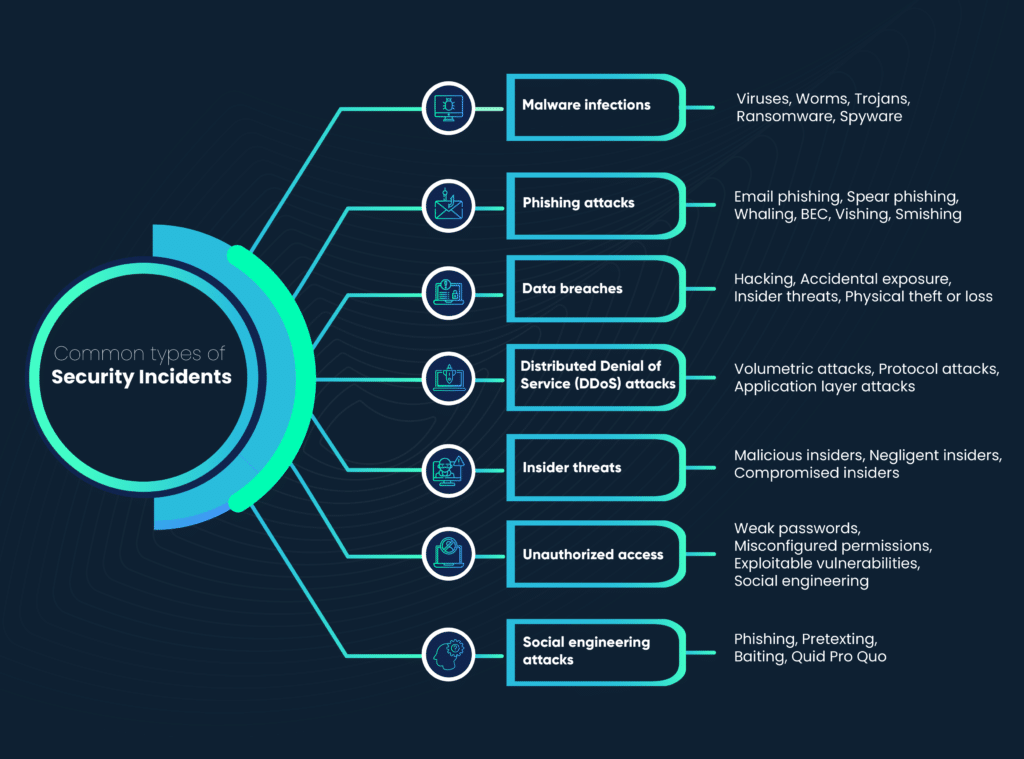
E. Insider threats

Insider threats refer to the risk of individuals within an organization exploiting their access privileges, intentionally or unintentionally, to compromise the confidentiality, integrity, or availability of data, systems, or operations. 

Insider threats can encompass various scenarios, including:

Malicious insiders: Employees, contractors, or associates with authorized access who intentionally misuse their privileges for personal gain, vendettas, or to harm the organization.

Negligent insiders: Individuals who inadvertently jeopardize security through negligence, such as misplacing sensitive data or failing to follow security procedures.

Compromised insiders: Employees or entities whose credentials or access rights have been compromised by external actors, turning them into unwitting threats.

Insider threat profiles

Understanding the motivations and profiles of potential insider threats is essential for detection and prevention. Profiles can include:

  • Disgruntled employees: Individuals with grievances against the organization may engage in sabotage or data theft.
  • Careless employees: Well-meaning but careless employees may inadvertently cause security breaches due to lapses in judgment or lack of awareness.
  • Collaborative insiders: Compromised employees may unwittingly facilitate cyberattacks, such as sharing login credentials with external parties.

Insider threat detection and prevention

Effective detection and prevention of insider threats require a multi-faceted approach that includes the active involvement of HR and a robust HRMS system. 

HR plays a critical role in shaping the organizational culture around security, from onboarding and offboarding employees to implementing behavioral monitoring and reporting mechanisms. 

Additionally, a well-integrated HRMS system complements these efforts by managing employee access, monitoring user behavior, and providing the necessary tools for HR to enforce security policies and respond promptly to potential insider threats. 

The synergy between HR and HRMS enhances an organization’s ability to proactively address insider threats, fostering a secure and resilient work environment. 

Here’s how organizations can detect insider threats and prevent them:

  • User activity monitoring: Employ monitoring tools to track user activities and detect anomalies or deviations from established patterns.
  • Access controls: Implement robust access controls and user privilege management to restrict access to sensitive data and systems.
  • Employee training: Educate employees about security best practices, potential threats, and the importance of confidentiality.
  • Incident response plans: Develop and test incident response plans to address insider threats promptly and minimize damage.

F. Unauthorized access

Unauthorized access incidents occur when individuals gain entry to systems, applications, or data without proper authorization. This type of incident compromises the confidentiality and integrity of systems and data. 

Unauthorized access may result from various factors, including:

  • Weak passwords: Easily guessable passwords or inadequate password policies.
  • Misconfigured permissions: Overly permissive access settings or misconfigurations.
  • Exploitable vulnerabilities: Unpatched security vulnerabilities that allow attackers to gain access.
  • Social engineering: Deceptive tactics that trick individuals into divulging access credentials.

Common entry points for unauthorized access

Unauthorized access often occurs through common entry points:

  • Inadequate authentication: Weak or ineffective authentication methods make it easier for attackers to impersonate authorized users.
  • Unpatched software: Exploiting known software vulnerabilities is a common entry point for attackers.
  • Social engineering: Attackers manipulate individuals into revealing access credentials or bypassing authentication.
  • Weak or stolen credentials: Leaked or stolen credentials can provide access to systems and data.
Unauthorized access incidents can have profound consequences:
The 2013 Target data breach resulted from unauthorized access to point-of-sale systems and the theft of customer data.

The 2014 iCloud celebrity photo leak occurred through unauthorized access to celebrities’ iCloud accounts and subsequent data theft.

Best practices for access control

To prevent unauthorized access, organizations should implement best practices:

  • Strong authentication: Employ multi-factor authentication (MFA) and strong password policies.
  • Regular software patching: Keep software up to date with security patches.
  • Security awareness training: Educate users about social engineering tactics.
  • Access review and revocation: Regularly review and revoke unnecessary user privileges.
  • Intrusion detection systems: Employ intrusion detection systems to identify unauthorized access attempts.

G. Social engineering attacks

Social engineering attacks exploit human psychology to manipulate individuals into revealing confidential information, transferring funds, or performing other actions. Attackers often prey on emotions, trust, and human tendencies to deceive their targets.

Common social engineering techniques

Social engineering attacks can take several forms, including:

  • Phishing: Deceptive emails or messages impersonate trusted entities to trick individuals into divulging sensitive information.
  • Pretexting: Attackers create a fabricated scenario or pretext to manipulate individuals into providing information.
  • Baiting: Attackers offer something enticing, such as a free download, to trick individuals into downloading malware or revealing information.
  • Quid Pro Quo: Attackers offer something in exchange for information, such as tech support in exchange for login credentials.
Numerous high-profile incidents underscore the effectiveness of social engineering attacks:
In the “CEO Fraud” or “Business Email Compromise” scam, attackers impersonate top executives to trick employees into making wire transfers.
The “IRS Phone Scam” involves impersonating IRS agents to threaten victims with fines or arrest if they don’t pay fictitious taxes.

Preventing social engineering attacks

Preventing social engineering attacks relies heavily on building a human firewall within an organization and promoting awareness and training. 

Key strategies include:

  • Employee training: Regularly educate employees about the types of social engineering attacks and how to recognize and respond to them.
  • Security policies: Implement strong security policies, including guidelines on sharing information and verifying requests for sensitive data.
  • Security incident reporting: Encourage employees to report suspicious interactions or requests immediately.
Security IncidentDescription
Malware infectionsHarmful software (e.g., viruses, ransomware) that disrupts systems and steals data.
Phishing attacksDeceptive emails or messages trick users into revealing sensitive information.
Data breachesUnauthorized access, acquisition, or disclosure of sensitive data, leads to financial loss and reputation damage.
DDoS attacksOverwhelming network traffic renders online services unavailable, causing downtime.
Insider threatsMisuse of access privileges by employees or insiders, resulting in data theft, fraud, or sabotage.
Unauthorized accessEntry to systems or data without proper authorization compromises confidentiality and integrity.
Web app vulnerabilitiesFlaws in web applications (e.g., SQL injection, XSS) are exploited to compromise data and systems.
Insider data theftDeliberate theft of sensitive information by employees or insiders, leading to financial losses.
Ransomware attacksMalware that encrypts data and demands a ransom for decryption, causing data loss and disruption.
Social engineering attacksManipulative tactics target individuals to reveal information or perform unauthorized actions.

The costs of security incidents

Security incidents can have significant consequences for organizations. These costs can include:

1. Financial and reputational costs

  • Financial losses: Costs related to incident response, legal actions, fines, and loss of business opportunities can be substantial.
  • Reputational damage: Security incidents can erode trust and damage an organization’s reputation, leading to customer attrition and decreased market value.
  • Legal and compliance costs: Data protection laws require organizations to notify affected parties and regulators, and non-compliance can lead to fines and legal actions.
  • Long-term repercussions: The impact of a security incident can persist for years, affecting an organization’s operations and profitability.

2. Legal and regulatory costs

Many security incidents trigger legal and regulatory actions, leading to additional costs:

  • Data breach notification: Data breach laws in various jurisdictions require organizations to notify affected individuals, which can be expensive.
  • Fines and penalties: Regulatory bodies can impose fines and penalties for security incidents, which vary depending on the severity of the incident and jurisdiction.
  • Litigation costs: Organizations may face lawsuits from affected parties, resulting in legal fees, settlements, or judgments.

3. Reputational damage and loss of business

The damage to an organization’s reputation is difficult to quantify, but it can have lasting consequences:

  • Customer trust: Losing the trust of customers can lead to customer attrition and a long-term drop in revenue.
  • Market value: Reputational damage can also affect an organization’s market value and stock price.

4. Long-term consequences

The repercussions of a security incident often extend beyond the immediate financial costs. These long-term consequences can include:

  • Higher insurance premiums: After a security incident, organizations may face increased insurance premiums.
  • Additional security measures: Organizations may need to invest in additional security measures and compliance efforts to prevent future incidents.

Understanding the financial and reputational costs of security incidents emphasizes the importance of a proactive and robust cybersecurity strategy. The best defense combines prevention, incident response planning, and continuous adaptation to evolving security threats.

Best practices to avoid security incidents

Here are some best practices to avoid security incidents:

1. Ensure regular software updates and patching

One of the foundational principles of cybersecurity is keeping your software and systems up to date. Regular updates and patches are released to address known vulnerabilities that can be exploited by cybercriminals. Failing to update leaves your systems exposed to potential threats.

2. Implement strong authentication and password policies

Implement strong authentication methods, such as multi-factor authentication (MFA), and enforce password policies that require complex, unique passwords. Avoid common mistakes like using easily guessable passwords or reusing the same password across multiple accounts.

3. Invest in employee training and security awareness

Invest in ongoing employee training and security awareness programs. Educated and vigilant employees are your first line of defense against various security threats, including phishing and social engineering.

4. Employ data encryption and access controls

Employ encryption to protect sensitive data at rest and in transit. Implement access controls to restrict data and system access to authorized personnel only. The principle of least privilege should guide these controls, ensuring that users have only the access necessary for their roles.

5. Conduct regular backups and disaster recovery planning

Regularly back up critical data and ensure that backups are securely stored and regularly tested for recoverability. Additionally, develop a comprehensive disaster recovery plan to ensure business continuity in the event of a security incident.

6. Implement network security and intrusion detection measures

Implement network security measures, such as firewalls and intrusion detection systems, to monitor and protect your network from unauthorized access and threats. Regularly review logs and alerts for signs of suspicious activity.

7. Conduct vendor and third-party security assessment

Extend your security diligence to vendors and third-party partners who have access to your systems or data. Require them to meet specific security standards and conduct regular security assessments.

8. Explore security tools and software to bolster your defenses

  • Antivirus and anti-malware: Invest in reliable antivirus and anti-malware solutions to protect against malware threats.
  • Firewalls: Consider hardware or software firewalls to control and filter network traffic.
  • Intrusion Detection Systems (IDS) and Intrusion Prevention Systems (IPS): These tools help monitor and defend against unauthorized access and suspicious activity.
  • Security Information and Event Management (SIEM) Tools: SIEM solutions centralize and analyze security data, offering insights into potential threats.

9. Build a resilient security strategy

A resilient security strategy is essential in the face of evolving and persistent cyber threats. 

Key elements of such a strategy include:

  • Risk assessment: Understand your organization’s unique risk profile, including vulnerabilities and potential threats.
  • Access controls: Implement robust access controls, ensuring that individuals only have access to the data and systems necessary for their roles.
  • Incident response plan: Develop and regularly test an incident response plan, outlining actions to be taken in the event of a security incident.
  • User training: Invest in cybersecurity awareness training for employees, emphasizing the importance of recognizing and reporting security threats.
  • Patch management: Keep software and systems up to date with security patches to mitigate vulnerabilities.

10. Cybersecurity incident response planning

It is also important to have a well-structured incident response plan in place to reduce the impact of security incidents if they occur. Key components include:

  • Detection and identification: The ability to swiftly detect and identify security incidents.
  • Containment and eradication: Taking immediate steps to isolate and remove the threat.
  • Recovery and lessons learned: Restoring normal operations and conducting post-incident analysis to improve future incident response.

The ongoing battle: Staying ahead of security threats

The cybersecurity landscape is ever-changing, with new threats emerging and old ones evolving. Organizations must stay vigilant, adaptable, and proactive to protect digital assets and maintain stakeholder trust. 

Cybersecurity is an ongoing process that requires continuous education and vigilance, as highlighted in this blog post. Staying informed about the latest threats, maintaining security measures, and investing in the right technologies are essential for data protection and business continuity. 

Understanding common security incidents, their implications, and mitigation strategies empowers individuals and organizations to fortify defenses, respond promptly, and minimize damage from cyberattacks.

Scrut can help you understand more about security incidents and how to handle them effectively. Get in touch today!

Frequently Asked Questions

1. What are the most common types of security incidents?

Common types of security incidents include data breaches, malware infections, phishing attacks, denial-of-service (DoS) attacks, and unauthorized access to systems or data.

2. How can I protect my personal information from data breaches?

To protect your personal information from data breaches, you should regularly update your passwords, enable two-factor authentication, use reputable antivirus software, be cautious about sharing personal information online, and stay informed about data breaches to take immediate action if your data is compromised.

3. What steps should a company take to prevent cyberattacks?

Companies should implement strong cybersecurity measures, including firewall protection, regular software updates, employee training, intrusion detection systems, encryption, and incident response plans, to prevent and mitigate cyberattacks.

4. How can I recognize phishing attempts and avoid falling victim to them?

You can recognize phishing attempts by carefully examining email or website URLs, checking for misspellings or unusual email addresses, avoiding clicking on suspicious links, and verifying the authenticity of the sender. Be cautious about sharing personal or financial information via email or unfamiliar websites.

5. What should I do if my organization experiences a security incident?

If your organization experiences a security incident, follow a well-defined incident response plan. This typically involves isolating affected systems, conducting a thorough investigation, notifying relevant stakeholders, and taking steps to prevent further breaches. Additionally, collaborate with cybersecurity experts to assess and strengthen your organization’s security posture.

Authored by

Aayush Ghosh Choudhary
Co-founder & CEO at Scrut

FedRAMP Rev 5: A guide to transition, baseline, and beyond

The Federal Risk and Authorization Management Program, commonly known as FedRAMP, is a pivotal framework devised by the U.S. government to ensure the security and compliance of cloud services used in federal agencies. It offers a standardized approach for assessing and authorizing cloud products and services, fostering efficiency, cost-effectiveness, and security across the federal landscape.

FedRAMP has been instrumental in modernizing government IT systems, enabling agencies to leverage the advantages of cloud computing while maintaining the highest standards of cybersecurity and compliance. Since its inception, it has played a crucial role in the government’s digital transformation efforts.

The release of FedRAMP Revision 5 (Rev 5) marks a significant milestone in the program’s evolution. Building upon the foundations laid by its predecessors, Rev. 5 introduces crucial updates and enhancements designed to keep pace with the ever-evolving technology landscape and the growing complexity of cyber threats.

FedRAMP Rev 5 brings about fundamental changes, such as revised security baselines, updated controls, and a more streamlined transition process. These changes impact cloud service providers, federal agencies, and the broader ecosystem of stakeholders involved in FedRAMP compliance. Understanding and adapting to these changes is not only necessary but also strategically advantageous.

Overview of the FedRAMP Rev 5 transition 

The transition to FedRAMP Rev 5 represents a significant shift in the federal government’s approach to cloud security and compliance. Here we provide an overview of what this transition entails, the key changes and improvements it brings to the table.

A. Key changes and improvements

FedRAMP Rev 5 introduces several critical changes and improvements, including:

  1. Revised security baselines: One of the most notable changes is the updated security baselines. These FedRAMP Rev 5 baselines have been refined to align more closely with the evolving threat landscape and best practices in cybersecurity. Expect changes in controls, requirements, and focus areas.
  1. Enhanced flexibility: Rev. 5 places a greater emphasis on flexibility, allowing cloud service providers (CSPs) to tailor their security solutions to better meet the unique needs of federal agencies. This flexibility promotes innovation and efficiency in compliance efforts.
  1. Streamlined authorization process: The FedRAMP transition aims to streamline the authorization process, reducing the time and effort required for CSPs to achieve compliance. This means faster access to the federal market for compliant cloud services.
  1. Incorporation of NIST SP 800-53: FedRAMP Rev 5 incorporates the latest version of the National Institute of Standards and Technology (NIST) Special Publication 800-53, enhancing the rigor and comprehensiveness of security controls.

B. Benefits of transitioning to FedRAMP Rev 5

Transitioning to FedRAMP Rev 5 offers a multitude of benefits for both cloud service providers and federal agencies:

  1. Enhanced security: The updated security baselines and controls ensure that cloud services meet the highest standards of cloud security assessment, safeguarding federal data and systems against modern cyber threats.
  1. Faster authorization: The streamlined authorization process accelerates the time it takes for CSPs to gain FedRAMP compliance, reducing barriers to entry into the federal market.
  1. Cost savings: By offering more flexibility and efficiency, Rev. 5 can lead to cost savings for CSPs, making compliance more accessible and affordable.
  1. Alignment with industry standards: FedRAMP Rev 5 aligns more closely with industry standards and best practices, fostering interoperability and ease of integration with existing security frameworks.
  1. Improved collaboration: The FedRAMP transition encourages collaboration between federal agencies and CSPs, promoting a partnership-based approach to cybersecurity and compliance.
  1. Continuous improvement: FedRAMP is committed to continuous improvement. Transitioning to Rev. 5 ensures that CSPs stay current with evolving security requirements, positioning them for long-term success in the federal market.

Understanding these changes and benefits is essential for any organization looking to thrive in the federal cloud space. In the following sections, we dive deep into the FedRAMP Rev 5 transition process to help you navigate it effectively.

Timeline for FedRAMP Rev 5 transition

Continuing our exploration of the transition to FedRAMP Rev 5, let’s delve into the timeline for this critical process. Timely and well-informed transitions are essential for ensuring that CSPs and federal agencies can adapt to the new framework seamlessly.

Not every organization is immediately required to transition to FedRAMP Rev 5, but for those that do, it’s imperative.

For a better understanding of the timelines applicable to organizations at different approval stages, refer to the official FedRAMP CSP Transition Plan.

According to FedRAMP, CSPs are expected to do two things: 

  • transition all services and components within the authorization boundary to comply with NIST SP 800-53, Rev. 5, and 
  • assess the impact and risks of using IaaS and PaaS services that aren’t yet FedRAMP NIST SP 800-53, Rev. 5, compliant.

To determine the correct timeline for your organization, you need to identify your current FedRAMP authorization phase. This will help you choose the appropriate timeline based on your organization’s current status.

There are three authorization phases outlined in the Rev 5 transition guide: planning, initiation, and continuous monitoring. We’ll outline each of these phases and their associated timelines below.

A. Planning phase

CSPs fall into the planning phase if any of the following apply:

  • They are applying to FedRAMP or undergoing readiness review.
  • They haven’t partnered with a federal agency before May 30, 2023.
  • They haven’t contracted with a 3PAO for a Rev. 4 assessment before May 30, 2023.
  • They have a JAB prioritization but haven’t started an assessment after the release of the Rev. 5 baseline and templates.

Timeline for the planning phase:

For organizations in the planning phase, the timeline revolves around implementing the new Rev. 5 baseline and updated FedRAMP templates. After this, you must test all new Rev. 5 controls before submitting an authorization package.

B. Initiation phase

CSPs fall into the initiation phase if any of the following apply:

  • They are prioritized for the JAB and are under contract with a 3PAO or undergoing a 3PAO assessment, aiming for P-ATO package submission or have initiated the JAB P-ATO review process before May 30, 2023.
  • They have partnered with a federal agency, are under contract with a 3PAO, are undergoing a 3PAO assessment, or have submitted the package for Agency ATO review before May 30, 2023.

Timeline for the initiation phase:

The timeline for organizations in the initiation phase is more complex. 

  • First, you need to complete ATO or JAB P-ATO using the Rev. 4 FedRAMP baseline and templates. 
  • Then, by September 1, 2023, or before receiving an ATO or JAB-ATO (whichever is later), you must identify the differences (delta) between your Rev. 4 implementation and Rev. 5 requirements. Plans to address these differences must be documented in the system security plans (SSP) and plans of actions and milestones (POA&M) and posted to the CSP’s package repository. It’s also essential to update plans based on “leveraged CSP information,” like shared controls. 
  • Finally, during the POA&M management process or the next annual assessment, assess the overall implementation of the Rev. 4 to Rev. 5 transition plan. According to FedRAMP, “implementation of the Rev. 5 controls must be completed by the next Annual Assessment to support testing of the controls implementation.”

C. Continuous monitoring phase

CSPs are in the continuous monitoring phase if they meet any of the following criteria:

  • They are in continuous monitoring with a current FedRAMP authorization.

Timeline for the continuous monitoring phase:

  • By September 1, 2023, CSPs in the continuous monitoring phase must “identify the delta between their current Rev. 4 implementation and the Rev. 5 requirements.” Similar to the initiation phase, this includes developing plans to address the delta, documenting those plans in the SSP and POA&M, and posting them to the CSP’s package repository. 
  • By October 2, 2023, organizations should also “update plans based on leveraged CSP information (e.g., shared controls).” During either the POA&M management process or the next annual assessment, businesses must assess the “implementation of the steps above.” 

The timeline varies depending on when the last assessment was completed, with a maximum of one year from the date of the last assessment for some CSPs.

Official FEDRAMP REV 5 Transition Timelines 

Common challenges faced during the FedRAMP Rev 5 transition

As organizations embark on the transition to FedRAMP Rev 5, they are likely to encounter various challenges and considerations. This section will highlight common challenges faced during the transition, offer mitigation strategies and best practices, discuss the role of 3PAOs, and emphasize the importance of ensuring continued compliance and security beyond the transition.

Transitioning to FedRAMP Rev 5 can pose several challenges, including:

  • Understanding new requirements: The updated FedRAMP Rev 5 baselines and controls may introduce complexity and unfamiliar requirements, making it challenging for organizations to fully grasp the changes.
  • Resource allocation: Adequate resource allocation, including time, personnel, and budget, can be a challenge, particularly for smaller organizations with limited resources.
  • Documentation updates: Updating and maintaining comprehensive documentation to align with FedRAMP Rev 5 requirements can be time-consuming and resource-intensive.
  • Security control implementation: Implementing new security controls and integrating them effectively into existing systems can be a technical challenge.
  • Coordinating with 3PAOs: Coordinating with qualified 3PAOs for cloud security assessments can be logistically challenging, requiring effective communication and planning.

Key Steps to Follow During FEDRAMP REV 5 Transition 

Examining the Transition Plan

The FedRAMP-NIST Rev. 5 Transition Plan serves as a comprehensive guide for CSPs, federal agencies, and other stakeholders involved in the transition process. This plan outlines the roadmap for transitioning to Rev. 5 and provides detailed insights into the transition’s intricacies. 

Examining this plan is of utmost importance for several reasons:

  • Clarity and direction: The Transition Plan offers clarity on the transition process, helping organizations understand what is expected at each stage. It provides a structured framework to follow.
  • Comprehensive guidance: It offers detailed guidance on security controls, documentation requirements, and assessment procedures specific to Rev. 5. This guidance is invaluable for CSPs working to align their services with the new FedRAMP Rev 5 baseline.
  • Milestone tracking: The plan should include milestones and deadlines, enabling organizations to track their progress and ensure they meet critical transition milestones within the specified timeframe.
  • Interactions with third-party assessment organizations (3PAOs): CSPs can find information on how to engage with third-party assessment organizations (3PAOs) for cloud security assessments and audits, a crucial aspect of the transition.
  • Documentation templates: The Transition Plan often includes templates and examples for updated documentation, making it easier for CSPs to create the necessary artifacts required for Rev. 5 compliance.

Implementation Best Practices

As organizations embark on their transition journey to FedRAMP Rev 5, there are key steps and considerations to keep in mind:

  • Assessment and gap analysis: Begin by conducting a thorough assessment of your existing security controls and documentation. Identify gaps and areas where adjustments are needed to align with Rev. 5 requirements.
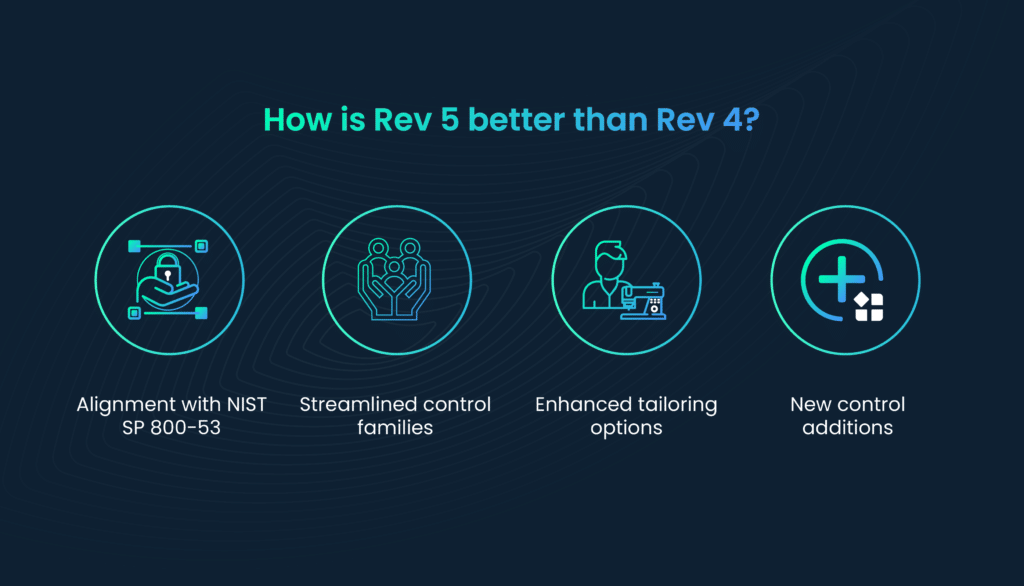
  • Engage with 3PAOs: Select a qualified 3PAO to conduct security assessments and audits. Ensure a clear understanding of expectations and timelines for these assessments.
  • Documentation updates: Revise and update your security documentation, including security plans, system security documentation, and any other relevant artifacts, to align with Rev. 5 requirements.
  • Training and awareness: Ensure that your team is trained and aware of the new security controls and requirements introduced in Rev. 5. This is crucial for maintaining a compliant environment.
  • Continuous monitoring: Establish a robust continuous monitoring process to proactively identify and address security vulnerabilities and compliance issues post-transition.
  • Communication: Maintain open and transparent communication with federal agencies and FedRAMP officials throughout the transition process. Address any inquiries or clarifications promptly.

A well-executed transition plan is vital for achieving FedRAMP Rev 5 compliance efficiently and effectively. It reduces the risk of disruptions to service and ensures that organizations can continue to provide secure and compliant cloud services to federal agencies. 

In the upcoming sections, we will explore the nuances of navigating the FedRAMP Rev 5 baselines and provide practical tips for compliance.

Navigating the FedRAMP Rev 5 Baselines

Security baselines are the foundation of FedRAMP compliance. They represent a predefined set of security controls and requirements that CSPs must adhere to when offering cloud services to federal agencies.

These FedRAMP Rev 5 baselines are designed to establish a consistent and high level of security across the federal government’s cloud environment. They encompass various security domains, including access control, data protection, and incident response, among others.

Key differences between Rev 4 and Rev 5 baselines

The transition to Rev 5 introduces several notable differences and updates to the security baselines:

  • Alignment with NIST SP 800-53: FedRAMP Rev 5 aligns more closely with the latest version of NIST Special Publication 800-53, offering a more robust and comprehensive set of security controls.
  • Streamlined control families: Some control families have been streamlined or restructured in Rev. 5 to improve clarity and relevance. CSPs should review these changes carefully.
  • Enhanced tailoring options: Rev. 5 provides greater flexibility in tailoring security controls to match the specific security needs of a cloud service. This allows CSPs to implement controls that are more proportionate to the risks they manage.
  • New control additions: New controls have been introduced in Rev. 5 to address emerging threats and vulnerabilities. CSPs must understand and incorporate these controls into their security strategy.

Impact of FedRAMP Rev 5 on existing and new CSPs

The transition to Rev. 5 has differing impacts on existing and new CSPs:

  • Existing CSPs: Existing CSPs must evaluate their current security posture and identify gaps in compliance with the FedRAMP Rev 5 baselines. They should plan to update their security documentation, conduct assessments, and make necessary adjustments to meet the new requirements.
  • New CSPs: New CSPs entering the federal market will start their journey with the FedRAMP Rev 5 baselines. They have the advantage of building their security programs around the latest requirements from the outset, potentially streamlining the compliance process.

Ensuring continued compliance and security beyond the transition

Achieving FedRAMP Rev 5 compliance is a milestone, but it’s essential to focus on ongoing efforts to maintain compliance and security:

  • Establish a robust continuous monitoring program to continuously assess, identify, and mitigate security risks.
  • Stay informed about evolving security threats and vulnerabilities and adapt security measures accordingly.
  • Regularly update and review documentation to ensure it accurately reflects your security posture.
  • Foster a culture of security awareness and training among your staff and stakeholders.

One should not forget that compliance is continuous, and maintaining a proactive security stance is vital for long-term success.

By recognizing and addressing common challenges, implementing mitigation strategies, collaborating with 3PAOs effectively, and focusing on continued compliance and security, organizations can navigate the complexities of the transition to FedRAMP Rev 5 with confidence and resilience.

How can Scrut help you in FedRAMP Rev 5?

Scrut can play a significant role in helping organizations achieve and maintain FedRAMP compliance. Here are several ways in which Scrut can assist with FedRAMP compliance efforts:

A. Documentation management

FedRAMP requires extensive documentation, including SSPs, POA&M, and security control assessments. Scrut can streamline the creation, management, and storage of these documents, ensuring they are up-to-date and readily accessible during audits.

B. Control mapping 

It can help organizations map their existing security controls and practices to the specific FedRAMP requirements. This mapping simplifies the process of identifying gaps and addressing them to meet FedRAMP standards.

C. Security baseline management

FedRAMP requirements can evolve over time. Compliance tools can help organizations keep up with changes by providing updated security baselines and templates that align with the latest FedRAMP standards.

D. Automated remediation 

When compliance violations or security vulnerabilities are identified, Scrut experts can automate the remediation process by providing guidance on how to address issues and track progress until they are resolved.

E. Real-time alerts and reporting

Scrut can generate real-time alerts when non-compliance issues are detected or when changes in the environment may impact security. It also offers robust reporting capabilities, which are invaluable during audits and assessments.

F. Audit trail and version control

Maintaining an audit trail and version control of security policies, procedures, and configurations is crucial for FedRAMP compliance. Scrut can ensure that all changes are tracked, logged, and can be easily reviewed.

G. Security training and awareness 

FedRAMP compliance includes requirements for security training and awareness programs for employees. Scrut can help manage and track employee training and awareness efforts with ease and flexibility.

H. Security risk management

Scrut can assist organizations in identifying, assessing, and managing security risks. It can provide risk assessment frameworks and support risk mitigation strategies.

Ready to simplify your FedRAMP Rev 5 compliance? Contact Scrut today and let our experts streamline your transition effortlessly. Elevate your compliance game with Scrut now.

Summing up

Achieving FedRAMP Rev 5 compliance is an achievement, but it’s imperative to prioritize ongoing efforts to uphold compliance and security. This involves establishing a robust continuous monitoring program to consistently assess, identify, and mitigate security risks. Staying vigilant and informed about evolving security threats and vulnerabilities is essential, allowing you to adapt security measures accordingly. Regularly updating and reviewing documentation ensures that it accurately reflects your security posture. Additionally, fostering a culture of security awareness and providing training to staff and stakeholders is crucial.

It’s vital to remember that compliance is a continuous commitment, and maintaining a proactive security stance is essential for long-term success. By recognizing and addressing common challenges, implementing effective mitigation strategies, collaborating effectively with 3PAOs, and maintaining a strong focus on ongoing compliance and security, organizations can confidently navigate the complexities of the transition to FedRAMP Rev 5 with resilience.

FAQs

1. What is FedRAMP, and why is it significant?

FedRAMP stands for the Federal Risk and Authorization Management Program. It’s crucial because it ensures the security and compliance of cloud services used by U.S. federal agencies, modernizing government IT systems while maintaining high cybersecurity standards.

2. What are the key changes introduced in FedRAMP Rev 5?

FedRAMP Rev 5 brings significant updates, including revised security baselines, enhanced flexibility for cloud service providers (CSPs), a streamlined authorization process, and alignment with NIST SP 800-53 standards.

3. How does Rev. 5 benefit CSPs and federal agencies?

Rev. 5 benefits CSPs by offering more flexibility, faster authorization, and alignment with industry standards, making compliance more accessible. Federal agencies benefit from enhanced security and interoperability.

4. What role do 3PAOs play in the transition process?

3PAOs play a critical role in conducting independent security assessments and audits to verify FedRAMP compliance. They provide expert guidance and recommendations and ensure objectivity in assessments.

5. Why is FedRAMP Rev 5’s alignment with NIST SP 800-53 significant?

Alignment with NIST SP 800-53 ensures that security controls are in line with industry best practices, enhancing the rigor and comprehensiveness of security measures and promoting stronger cybersecurity.

Authored by

Aayush Ghosh Choudhary
Co-founder & CEO at Scrut

SSAE 18: The ultimate guide

Statement on Standards for Attestation Engagements no. 18 or SSAE 18 is a generally accepted audit standard produced and published by the American Institute of Certified Public Accountants (AICPA) Auditing Standard Board (ASB). The SSAE 18 supersedes SSAE 16 and Statement of Auditing Standard (SAS) 70. SSAE 18 has been effective since May 1, 2017.

SSAE-18 is used primarily for attestation engagements, which include financial statement audits, reviews, and other assurance services provided by auditors to assess and report on the reliability and accuracy of financial information, internal controls, and other matters of interest to stakeholders.

It states that it can be applied to almost any subject matter. However, it focuses on the accuracy, completeness, and fairness of financial account reporting. It places greater emphasis on the design and operating effectiveness of controls and includes a focus on subservice organizations. Additionally, SSAE-18 aligns with international standards, making it more globally relevant.

The purpose of this article is to provide you all the relevant information about SSAE 18 and how it affects your organization.
Historical context (SSAE 16 vs SSAE 18)

SSAE-18 replaced its predecessor, SSAE-16, which was issued in 2010. The transition from SSAE-16 to SSAE-18 was driven by the need to align with international standards and address changing business environments.

The difference between SSAE 16 and SSAE 18 includes a shift in terminology (from “Service Organization Controls (SOC) 1” to “SOC 1”), the introduction of new SOC report types (SOC 2 and SOC 3), and a focus on subservice organizations, among other changes.

  • It is the set of auditing standards that auditors use to perform attestation engagements, which include SOC (Service Organization Control) reports. SOC reports are the output of attestation engagements conducted in accordance with SSAE-18.
  • It provides the framework and requirements for conducting these engagements, while SOC reports are the actual reports that document the results of the assessments.
  • SOC reports can be categorized into three types:
    • SOC 1: Focuses on controls relevant to a service organization’s clients’ internal control over financial reporting (ICFR).
    • SOC 2: Addresses controls related to security, availability, processing integrity, confidentiality, and privacy, often for technology or cloud service providers.
    • SOC 3: Provides a summary of the SOC 2 report that can be made publicly available.

Importance of SSAE-18 in modern business:

SSAE-18 plays a crucial role in modern business for several reasons:

a. Trust and assurance

In an era where businesses rely heavily on third-party service providers and outsourcing, SSAE-18 provides assurance to stakeholders, including customers, investors, and regulators, that the service organization has effective internal controls in place. This trust is essential for maintaining business relationships and ensuring the integrity of financial reporting.

b. Compliance

Many businesses are required by regulatory bodies or contractual agreements to undergo SSAE 18 audits, especially if they provide services that impact their clients’ financial reporting. Compliance with SSAE-18 helps organizations meet their legal and contractual obligations.

c. Risk management

SSAE-18 audits help organizations identify and mitigate risks related to financial reporting and data security. By assessing and improving their internal controls, businesses can reduce the risk of financial fraud, data breaches, and operational failures.

d. Competitive advantage

Demonstrating compliance with SSAE-18 standards can be a competitive advantage. It can differentiate a service organization from competitors by showcasing a commitment to security, reliability, and transparency in their operations.

e. Global reach 

It aligns with international standards, making it relevant for businesses with a global presence. It allows organizations to demonstrate their commitment to a consistent and high level of control assurance across borders.

Key components of SSAE-18

Key components of SSAE-18 encompass the essential elements that define and structure attestation engagements, ensuring the reliability of control systems.

a. Control objectives

Control objectives are specific goals or outcomes that an organization’s controls aim to achieve. They are defined to address risks and ensure the reliability and integrity of the systems and processes under examination.
For example, in a SOC 1 report, control objectives might pertain to the accuracy of financial transactions, the prevention of unauthorized access to financial data, and the availability of financial systems.

b. Control activities

Control activities are the specific policies, procedures, and practices put in place by the service organization to achieve the control objectives. These activities are designed to ensure that the organization’s controls are effective in mitigating risks and achieving desired outcomes.

Control activities can encompass a wide range of practices, such as access controls, data encryption, backup and recovery processes, and change management procedures.

c. Testing and evidence

Auditors conducting SSAE-18 engagements perform testing procedures to evaluate the effectiveness of the control activities. Testing involves gathering evidence to support the auditor’s conclusions. This evidence may include documentation, observations, inquiries, and the results of sample testing.

Moreover, the evidence collected is used to determine whether the controls are designed effectively (i.e., they are suitable for their intended purpose) and operating effectively (i.e., they are operating as intended over a period of time).

d. Subservice organizations

SSAE-18 places specific emphasis on subservice organizations, which are third-party organizations that provide services to the service organization under examination. These organizations are required to evaluate and report on the controls at subservice organizations that are relevant to the control objectives of the engagement.
This ensures that the end-to-end service delivery chain is assessed for control effectiveness and that any risks associated with subservice organizations are appropriately addressed.

Types of SSAE 18 reports

There are two types of SSAE-18 reports – SSAE Type 1 report and SSAE type 2 report. Let us learn about both of them in some detail.

a. SSAE-18 Type 1 report

An SSAE-18 Type 1 report is a specific type of Service Organization Control (SOC) report that provides an independent auditor’s opinion on the fairness of the presentation of a service organization’s system description and the suitability of the design of the controls in place at a specific point in time.

The primary purpose of a Type 1 report is to assess whether the controls are suitably designed to achieve the stated control objectives as of a specified date. It does not evaluate the operating effectiveness of these controls over a period.

When is it Necessary?

  • SSAE-18 Type 1 reports are typically requested by service organizations when they want to demonstrate to their clients and stakeholders that they have implemented controls in their systems as of a specific date.
  • These reports are often used as a starting point for clients to assess the design of controls and to gain assurance about the service organization’s commitment to control effectiveness.

b. SSAE-18 Type 2 report

An SSAE-18 Type 2 report is another type of SOC report that goes beyond the Type 1 report. It provides an independent auditor’s opinion on both the fairness of the presentation of the system description and the operating effectiveness of the controls over a period, which is typically a minimum of six months.

The purpose of a SSAE 18  Type 2 report is to assess whether the controls were not only suitably designed but also operated effectively throughout the specified period, offering a more comprehensive evaluation of control performance.

When is it necessary?

  • SSAE-18 Type 2 reports are often requested when service organizations want to provide their clients with more in-depth assurance about the effectiveness of their controls over time.
  • They are especially important when the controls’ reliability and consistency are critical to the integrity of financial reporting, data security, or other business processes.

c. Differences between SSAE-18 Type 1 and Type 2 reports

AspectSSAE-18 Type 1 ReportSSAE-18 Type 2 Report
ScopeDesign of controls at a specific point in timeDesign and operating effectiveness of controls over a period
Time periodPoint-in-time assessmentMinimum of six months of control operation
AssuranceAssess design onlyAssess design and operational effectiveness
Use casesInitial assessments, control design assuranceOngoing assessments, control performance assurance
Audit evidenceEvidence of control designEvidence of control design and operational effectiveness

SSAE-18 and regulatory compliance

SSAE-18 was specially upgraded to meet compliance standards. Let’s talk more about how SSAE-18 is related to compliance standards.

How SSAE-18 relates to regulatory compliance (e.g., GDPR, HIPAA)

SSAE-18, while not a regulatory standard itself, plays a critical role in helping organizations demonstrate compliance with various regulatory requirements, such as GDPR (General Data Protection Regulation) and HIPAA (Health Insurance Portability and Accountability Act), among others. 

Here’s how SSAE-18 relates to regulatory compliance:

1. Assurance of controls 

SSAE-18 assessments, particularly SOC 2 and SOC 3 reports evaluate controls related to security, availability, processing integrity, confidentiality, and privacy (the five trust services criteria). These criteria are often aligned with the requirements of various regulations.

2. Third-Party validation 

Regulatory bodies and compliance auditors often require organizations to provide evidence of their control environment. SSAE-18 reports, conducted by independent auditors, serve as third-party validation of control effectiveness and can be used as evidence during regulatory audits.

3. Data protection

For regulations like GDPR, which emphasize data protection and privacy, SSAE-18 assessments can help organizations demonstrate their commitment to safeguarding personal data. This is particularly relevant for data processors and service providers that handle personal data on behalf of data controllers.

4. Healthcare compliance

In the case of HIPAA, service organizations that handle electronic protected health information (ePHI) must comply with stringent security and privacy requirements. SSAE-18 assessments can provide evidence that controls are in place to protect ePHI and ensure compliance with HIPAA’s security rule.

5. Risk mitigation 

Demonstrating control effectiveness through SSAE-18 reports can help organizations mitigate risks associated with regulatory non-compliance. It provides assurance to clients, business partners, and regulators that the organization is actively managing risks through robust controls.

Role of SSAE-18 in audit and compliance requirements

It plays a crucial role in fulfilling audit and compliance requirements for both service organizations and their clients:

1. Meeting contractual obligations

Many organizations, especially service providers, have contractual agreements with clients that require them to undergo SSAE-18 audits. These audits help organizations fulfill their contractual obligations and maintain client trust.

2. Compliance reporting

SSAE-18 reports can serve as a basis for compliance reporting to regulatory bodies. For example, a SOC 2 report can be used to demonstrate compliance with data security and privacy requirements to regulators like the European Data Protection Authorities.

3. Risk assessment

Auditors and compliance professionals use SSAE-18 reports as part of their risk assessment processes. They rely on the results of these assessments to evaluate the reliability of service organizations’ controls and make informed decisions about risk management.

4. Vendor management

Organizations that use services from third-party providers, such as cloud service providers, often rely on SSAE-18 reports to assess the security and reliability of those services. These reports are essential for effective vendor risk management.

5. Internal control improvement

The SSAE-18 audit process often identifies areas for control improvement. Service organizations can use the audit findings to enhance their internal controls and align them with industry best practices and regulatory requirements.

In summary, SSAE-18 reports serve as valuable tools for organizations to demonstrate control effectiveness, meet contractual obligations, and provide assurance to clients and regulators that they are managing risks and complying with various regulatory requirements.

Steps to achieving SSAE-18 compliance

The organization must take the following steps to achieve SSAE-18 compliance:

A. Assessing control objectives

  • Identify objectives: Begin by identifying the specific control objectives relevant to your organization’s operations. These objectives should address the risks and requirements that are important to your clients and stakeholders.
  • Define criteria: Clearly define the criteria and expectations for each control objective. This includes outlining what constitutes a successful outcome and the relevant compliance standards or industry regulations.
  • Risk assessment: Conduct a comprehensive risk assessment to identify potential risks and threats to your organization’s operations and data. This assessment will help you tailor your control objectives to address these risks effectively.

B. Documenting control activities

  • System description: Prepare a detailed system description that provides an accurate and comprehensive overview of your organization’s processes, systems, and controls. This description should include information about the control environment, control activities, and the roles and responsibilities of personnel.
  • Control activities documentation: Document the specific control activities that your organization has implemented to achieve the defined control objectives. This documentation should include policies, procedures, and evidence of controls in action.
  • Narrative and flowcharts: Utilize narratives and flowcharts to describe how controls are designed and implemented within your organization. This aids in understanding the control environment and processes.
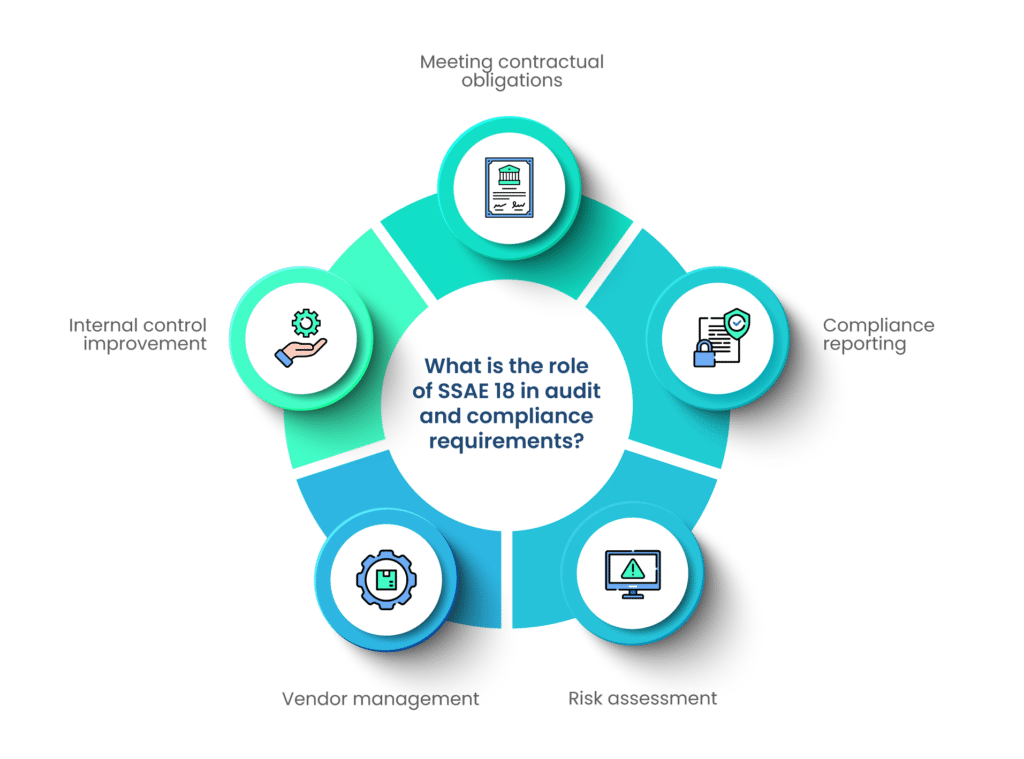
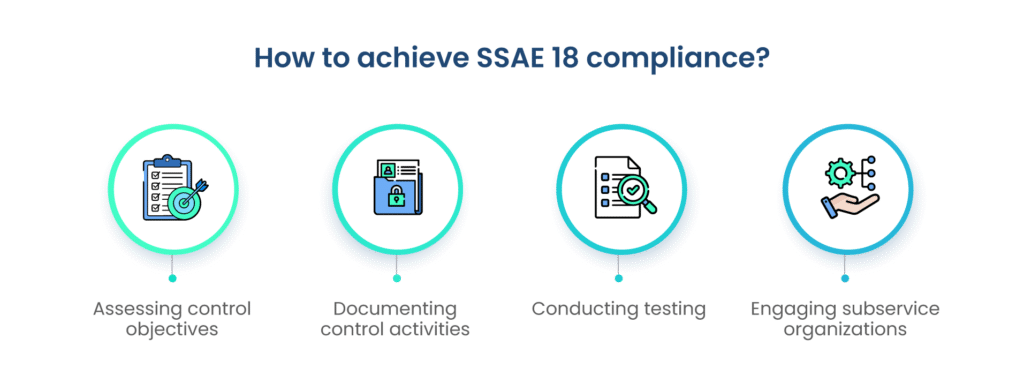
C. Conducting testing

  • Select testing methods: Choose appropriate testing methods to assess the effectiveness of your controls. This may involve testing the design of controls (Type 1) or both design and operating effectiveness (Type 2) over a specified period.
  • Sample testing: Select representative samples of transactions, systems, or activities to evaluate the controls. Ensure that the sample size and selection methodology are statistically valid and risk-based.
  • Gather evidence: Collect evidence of control performance through various means, including documentation reviews, observations, inquiries, and testing of transactions or data.
  • Evaluate results: Analyze the results of control testing to determine whether controls are operating as intended and achieving their objectives. Identify any control deficiencies or areas for improvement.

D. Engaging sub-service organizations

  • Identify subservice organizations: Identify any subservice organizations that are part of your service delivery chain. These are third-party entities that provide services critical to your operations.
  • Evaluate subservice controls: Assess the controls implemented by subservice organizations that are relevant to your control objectives. Ensure that these controls are suitably designed and operating effectively.
  • Obtain subservice reports: Request SSAE-18 or equivalent reports from subservice organizations to review their control environment. This can provide valuable insights into the security and reliability of their services.
  • Address risks: Develop strategies to address any risks associated with subservice organizations. This may include contractual agreements, monitoring mechanisms, or contingency plans to mitigate potential disruptions.

Selecting an audit firm

Choosing the right audit firm is a critical step in the SSAE-18 compliance process, as their expertise and objectivity are essential for a successful assessment.

  • Evaluate expertise: Choose an audit firm with experience and expertise in conducting SSAE-18 assessments. They should have a track record of conducting similar engagements in your industry.
  • Independence and objectivity: Ensure that the audit firm is independent and objective, as their role is to provide an unbiased assessment of your controls.
  • Reputation and references: Research the reputation of the audit firm and seek references from organizations they have previously worked with. This can provide insights into their reliability and professionalism.
  • Cost and resources: Consider the cost of the audit services and whether the audit firm has the necessary resources to complete the engagement within your timeline.

The SSAE-18 audit process

The SSAE-18 audit process is a systematic and structured approach to assessing the effectiveness and reliability of a service organization’s controls, involving several key phases and responsibilities.

A. Audit planning

  • Objective Setting: During the planning phase, the audit team defines the scope, objectives, and goals of the SSAE 18 audit. This includes identifying control objectives, assessing risks, and setting the criteria for evaluation.
  • Risk assessment: Auditors conduct a risk assessment to identify potential threats to the effectiveness of controls and the achievement of control objectives.
  • Engagement planning: The audit team plans the audit approach, including the selection of testing methods, sample sizes, and procedures for gathering evidence.
  • Documentation review: Preliminary reviews of system descriptions and control activities documentation are conducted to gain an understanding of the organization’s control environment.

B. Fieldwork and testing

  • Control testing: Auditors perform testing procedures to assess the design and operating effectiveness of controls. This may involve sample testing, inquiry, observation, and review of supporting documentation.
  • Sample selection: Statistically valid samples of transactions, data, or activities are selected for testing to evaluate control performance.
  • Gathering evidence: Auditors gather evidence of control effectiveness through various means, such as documentation reviews, observations, inquiries, and direct testing.
  • Subservice organization assessment: If applicable, auditors evaluate controls at subservice organizations that are relevant to the audit’s scope.

C. Reporting

  • Audit opinion: Auditors issue a report that provides their opinion on the fairness of the presentation of the system description and the suitability of the design (Type 1) or design and operating effectiveness (Type 2) of controls.
  • Management response: If control deficiencies are identified, management has the opportunity to respond and remediate these issues. The auditor may include management’s response in the report.
  • SSAE-18 report types: The report can take the form of a SOC 1, SOC 2, or SOC 3 report, depending on the organization’s objectives and the needs of stakeholders.
  • Distribution: The SSAE-18 report is typically provided to the service organization’s clients and may be shared with other relevant parties, depending on contractual agreements.

D. Management’s responsibilities

  • Control environment: Management is responsible for establishing and maintaining a suitable control environment, including the design and implementation of controls to achieve control objectives.
  • System description: Management provides a comprehensive system description that accurately represents the organization’s processes, systems, and controls.
  • Control activities: Management ensures that control activities are appropriately designed and effectively operated throughout the audit engagement period.
  • Response to deficiencies: If control deficiencies are identified, management is responsible for developing and implementing corrective actions to address these deficiencies.

E. Auditor’s responsibilities

  • Independence and objectivity: Auditors must maintain independence and objectivity throughout the audit process to provide an unbiased assessment.
  • Testing and evaluation: Auditors rigorously test controls, gather evidence, and evaluate the design and operating effectiveness of controls.
  • Report issuance: Auditors issue a formal report that includes their opinion on the controls assessed, any identified deficiencies, and, if applicable, management’s response to these deficiencies.
  • Communication: Auditors communicate findings and observations to the service organization during the audit process and work collaboratively with management to address any issues that arise.

Benefits and challenges of SSAE-18 compliance

Benefits of SSAE-18 complianceChallenges of SSAE-18 compliance
Enhanced trust and credibilityResource intensive
Competitive advantageComplexity
Risk mitigationContinuous effort
Contractual obligationsRisk of control deficiencies
Global relevanceSubservice organizations
Auditor independence
Costs

Final takeaway

In summary, SSAE-18, introduced in May 2017, is a crucial audit standard that has replaced SSAE-16 and SAS 70. It plays a vital role in modern business by fostering trust, ensuring compliance, managing risks, and providing a competitive edge on a global scale.

It’s key components include control objectives, control activities, and testing procedures. It produces two types of reports: Type 1 and Type 2, which assess control design and operational effectiveness over time.

While it offers numerous benefits like enhanced credibility and risk mitigation, it also presents challenges, such as resource intensity and the risk of control deficiencies. Nonetheless, understanding and implementing SSAE-18 compliance is essential for organizations aiming to excel in today’s interconnected business landscape.

Ready to take control of your SSAE compliance? Contact Scrut today and ensure your organization meets the highest standards of control assurance.

FAQs

1. What is SSAE-18, and how is it different from SSAE-16 and SAS 70?

It is a widely accepted audit standard that supersedes SSAE-16 and SAS 70. It aligns with international standards and addresses evolving business needs, focusing on control assessments and attestation engagements.

2. What are the primary purposes of SSAE-18?

It is primarily used for attestation engagements, including financial statement audits, reviews, and assurance services. It assesses and reports on the accuracy, completeness, and fairness of financial information and internal controls.

3. Why is SSAE-18 compliance essential for modern businesses?

It is crucial for modern businesses as it assures stakeholders, facilitates risk management, enhances credibility, and helps meet contractual and regulatory requirements. It ensures organizations adhere to global standards of control assurance in an interconnected business environment.