As a business strives toward protecting its own and customer data, it’s imperial to identify the sources of data threats. It is unlikely that a company will be working in a silo to serve its customer’s needs. Any company, big or small, will be working with numerous vendors, who will have access to confidential and sensitive data. As such, risk management is not just an internal affair – it needs to take into account each third-party – vendors, contractors, and business partners alike.
A robust Vendor management policy helps in reviewing all vendors from an information security perspective and establishing a standardized protocol for information security that the vendors are expected to maintain.
What is a vendor management policy?
Service vendors bring a lot to the table – operational efficiency, reduced costs, flexibility, and more! However, these advantages are also accompanied by vendor-initiated security risks. Since third-party service providers have access to an organization’s critical data, it’s critical to monitor them continuously to avoid any potential data security threats.
A vendor management policy is aimed at identifying potential security threats and establishing relevant controls to minimize risks.
The policy imposes due diligence and predefines the criteria that vendors should satisfy in order to access the organization’s data, network or systems. Additionally, the vendor management policy also covers various controls that need to be established to minimize cybersecurity risks while maintaining efficient system operations.
Why do you need a vendor management policy?
Though organizations have various cybersecurity programs for their internal networks, a majority of them overlook the criticality of their vendors’ security posture. To fill this gap and help organizations safeguard their sensitive data and information, a vendor management policy is key. Here are the top four reasons why do you need a vendor management policy:
1. Ensure legal compliance
Each industry – finance, healthcare, retail, energy, and even others has its own legal compliance requirements. If not satisfied, you might seek trouble as data breaches through third and fourth-party vendors can lead to terrible consequences for any organization.
Regulators do not care if the mistake was done by you or your vendor, non-compliance could well result in lawsuits.
2. Secure sensitive data
As a business organization, you should be concerned about the sensitive data that you share with vendors. Not only does it put your customers’ data at risk, but it also exposes your business to hackers and cyber-criminals.
Most organizations outsource part/s of their operations to vendors to save costs or for the expertise that they bring to the table. For this to be done successfully, sharing company data, and often customer data is inevitable. If your vendor does not have proper information security controls in place, the organization directly puts its critical information at risk.
3. Improve visibility into the vendor network
Usually, enterprises are not aware of the IT security vulnerabilities their vendors bring in. A proper vendor management policy enables an organization to know, prepare and reduce the related risks.
Minimize data breach costs
According to IBM, the average data breach cost in 2021 was $4.24 million, up from $3.86 million in the previous year. It’s no surprise that data breaches are costly, and all measures need to be taken to prevent such incidents from happening
An optimized vendor management policy can effectively limit data breach costs.
Scrut Automation is an innovative and radically simple governance, risk, and compliance automation platform for growing startups and mid-market enterprises. With Scrut, compliance teams can reduce ~70% of their manual effort in continuously maintaining compliance towards SOC 2, ISO 27001, GDPR, PCI DSS, HIPAA, and CCPA.Schedule your demo today to see how it works.
13 Oct 2022
3minutes
Authored by
Aayush Ghosh Choudhary
Co-founder & CEO at Scrut
Why GDPR compliance goes beyond a CISO’s agenda?
Chief Information Security Officers (CISOs) already have a lot on their plate, don’t they? From routine audits to managing IT risks within the company, they seem to be at the forefront of the company’s information security hull, sailing it towards safety and revenue increase. Managing compliance is one of the key responsibilities a CISO undertakes, with the EU-mandated General Data Protection Regulation (GDPR) compliance often taking the helm.
Even as the central accountability lies with the CISO, GDPR compliance requires unanimous support and collaboration of all functions within the organization. But more than support, the leadership across functions, including the Chief Financial Officer (CFO), Chief Revenue Officer (CRO), and Chief Marketing Officer (CMO) are reliant on being GDPR compliant, making it a core part of their agenda.
CISO – IT security compliance
One of the pivotal statements that GDPR aims to make is that Information Privacy is now considered a Human Right (Article 8). A CISO is responsible for developing and implementing information security programs and policies. CISO also responds to data breaches and other security incidents. The CISO also anticipates, assesses, and actively manages any emerging threats. By the virtue of his role, a CISO is the ultimate owner of GDPR compliance in an organization.
CFO – Financial risk management
Any organization that does business through website, email, online marketing, cloud-based, or a SaaS solution, comes under the jurisdiction of GDPR. GDPR non-compliance can be expensive, with fines that can go up to 4% of the previous year’s annual global turnover or €20M, whichever is higher. Thus, non-compliance becomes a financial risk. CFOs have to actively identify, manage and mitigate risks, bringing GDPR non-compliance high on their agenda. When organizations treat non-compliance as a financial risk, they can only take appropriate steps to instill GDPR adherence.
CMO – Impact on brand image
GDPR did not come out of the blue and was the answer to data privacy-related concerns among EU residents. But a wise Marketing Head will see it as an opportunity to create a positive public image for the company. As per Cisco Consumer Privacy Survey 2021, 86% of participants across the 12 countries (5 Europe, 4 Asia Pacific, and 3 Americas) cared about their data privacy. Meanwhile, 79% said that they are willing to take measures to protect it. Thus, GDPR non-compliance will erode the trust of EU-based consumers and consumers worldwide in the brand.
CRO – Trust builder among businesses
It is not presumptuous to assume that companies generally don’t deal with other companies or countries actively or passively committing Human Rights violations. Worldwide corporations pulling back from Russia due to the Ukraine-Russia Crisis is a great example. Thus, GDPR compliance helps instill trust in credit amongst corporations, business partners, and customers. Even remote associations with companies can bind financial risks. So Chief Revenue Officers (CROs) should treat GDPR compliance as an opportunity to gain trust points with business partners and B2B customers.
GDPR compliance as an investment
Due to these reasons, GDPR compliance becomes not a liability but an investment. Such an investment can be made on behalf of the company and benefit it in the long run. You can start implementing GDPR compliance through any of the following ways.
In-house teams
Large organizations typically build a dedicated in-house team for GDPR compliance compatible with their complex business operations.
Consultants
Enterprises struggling to build the right capability in-house, either due to lack of right resources or bandwidth constraints, outsource to consultants with expertise in the domain to actively manage GDPR compliance.
Infosec compliance companies
Perhaps the best choice for medium and small businesses is to automate their GDPR compliance requirements through compliance automation software. Such companies go beyond GDPR compliance and cover adherence to other security standards like SOC 2 and ISO 27001 at the same time.
Scrut Automation is an innovative and radically simple governance, risk, and compliance automation platform for growing startups and mid-market enterprises. With Scrut, compliance teams can reduce ~70% of their manual effort in continuously maintaining compliance towards SOC 2, ISO 27001, GDPR, PCI DSS, HIPAA, and CCPA.Schedule your demo today to see how it works.
13 Oct 2022
3minutes
Authored by
Aayush Ghosh Choudhary
Co-founder & CEO at Scrut
How does infosec compliance help SaaS companies?
81% of the respondents in the Cisco 2022 Consumer Privacy Survey agreed with the statement, “I believe the way a company treats my personal data is indicative of the way it views me as a customer.” The same survey indicated that 89% of respondents cared about data privacy and having more control over their data. As a SaaS vendor, you must follow compliance standards and do your best to protect customer data.
Compliance increases customer trust
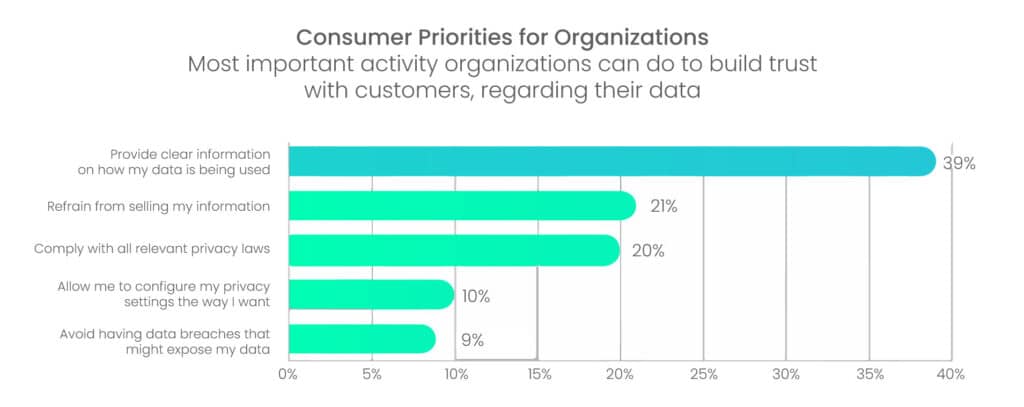
When you have compliance certificates and follow the regulations set by the government, your data will be much more secure. To inform your customers, you can display your compliance certificates on your website, social media, and sales materials. 20% of customers believe that if vendors follow the laws, they can trust them more. The following figure shows how customers prioritize security:
43% of customers don’t trust organizations to follow standard policies (Cisco). So if you want to earn consumer trust, you can have your organization audited for compliance by a third party and publicize that certificate.
Compliance decreases third-party risks
Being compliant with relevant standards can help you evaluate your information systems thoroughly. You can know and patch your vulnerabilities before achieving the certification. It gives you a clearer picture of your information security. Patching your vulnerabilities in time can reduce your risks drastically.
Secondly, when you follow compliance standards, they mandate periodic audits of your information system. This will keep you on your toes, but on a positive note, it will help you keep your systems up-to-date.
Lastly, compliance forces you to follow specific procedures while carrying out routine activities. These procedures are designed to improve the security of your information. It helps you keep cybercriminals at bay.
Compliance can help avoid fines and penalties
If your systems are breached, and it is found that you have not followed specified processes, you will have to bear the fines and penalties laid down by regulatory bodies. These fines can be extremely taxing for your business. For example, Meta-owned Instagram was found guilty of not maintaining children’s privacy and was asked to pay an enormous GDPR fine of €405 million towards the end of 2022.
Compliance boosts an organization’s reputation
An average of 37% of consumers switched organizations after a breach (Cisco). It is a direct indication that if your organization is breached, your reputation will suffer, and so will your turnover. It is imperative that you maintain the highest level of security and compliance standards if you want to retain consumers.
Additionally, compliance can certainly attract new clients. If your organization has a reputation for securing client data, more and more customers will be attracted to you. SaaS vendors deal with a lot of consumer data, and being a service provider, a large percentage of their customers will come from referrals by the old ones. Keeping their data safe and reputation impeccable will lead a business to newer heights.
Compliance improves an organization’s efficiency and effectiveness
Compliance ensures that the policies and procedures followed in the organization are well-designed. Therefore, the operations of the organization will be efficient. No job will be duplicated, and there won’t be a lag in data transfer.
Plus, the organization might not be breached, and thus the time and efforts spent in recovery will be utilized efficiently.
Winding up
With infosec compliance solutions like Scrut, SaaS companies have the opportunity to eradicate the laborious and error-prone aspects of compliance tasks and implementation. Infosec compliance empowers SaaS companies to efficiently oversee multiple security compliance requirements through a unified dashboard. This has the potential to revolutionize how SaaS companies address data and privacy protection policies, ensuring that essential standards are met while optimizing the user experience.
If you’re interested in discovering more about Scrut’s services, don’t hesitate to schedule a demo today!
FAQs
1. What is infosec compliance?
Infosec compliance refers to rules and regulations followed by an organization to ensure data security and privacy.
2. Why do SaaS companies need infosec compliance?
SaaS companies hold enormous amounts of customer data. They also provide software services to their customers. If a SaaS vendor is breached, many of their customers would face secondary attacks. Therefore, SaaS vendors must ensure that they follow mandatory and regulatory compliance requirements.
3. What are examples of infosec compliance regulations and frameworks?
Some of the examples of regulatory compliance and frameworks are GDPR, HIPAA, SOC 2, ISO 27001, and FISMA.
13 Oct 2022
11minutes
Authored by
Aayush Ghosh Choudhary
Co-founder & CEO at Scrut
How to evaluate your company’s security posture?
In the latest Global Threat Report 2023, CrowdStrike reported that the breakout time of eCrimes decreased from 98 minutes in 2021 to 84 minutes in 2022. Breakout time is the time taken by a threat actor to move laterally, from the initial compromised host to another host, within the victim’s environment.
The defenders can defend themselves by responding to the attack within that time window to minimize the effects of the attack. As the breakout time decreased to 84 minutes, the security teams were encouraged to follow the 1-10-60 rule. One minute to detect the threat, 10 to understand it, and 60 minutes to respond to the threat.
A quick response is only possible if the security posture of the company is flawless. So what is the security posture of the company, and how do you evaluate it?
What is security posture?
The National Institute for Standards and Technology ( NIST) describes security posture as: “The security status of an enterprise’s networks, information, and systems based on information security resources (e.g., people, hardware, software, policies) and capabilities in place to manage the defense of the enterprise and to react as the situation changes.”
Security posture refers to the overall capacity of the company to predict, prevent, and respond to the evolving cyber threat landscape. The awareness of the cybersecurity posture of the company requires technical, operational, business, and external factors.
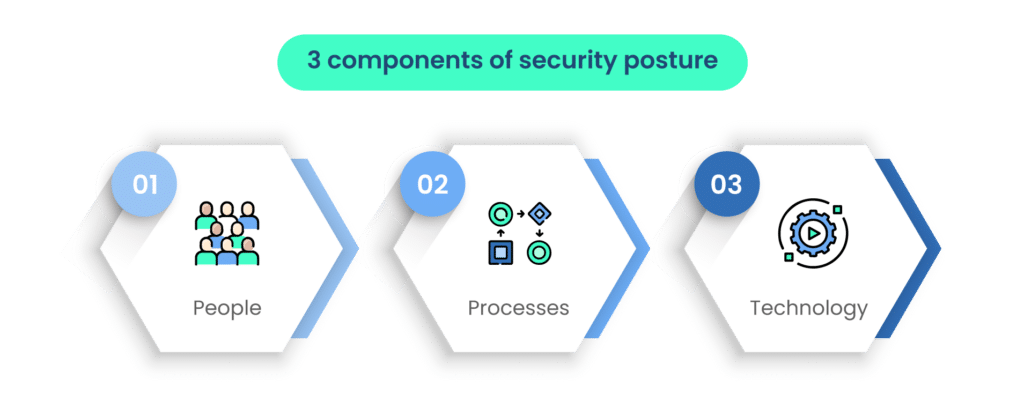
What are the components of security posture?
The following three components are interconnected and must work in harmony to create a strong security posture. For example, people need to follow established processes, and technology is often used to automate and enforce these processes. Regular assessment and continuous improvement of each component are essential to adapt to evolving security threats and challenges. Additionally, compliance with relevant regulations and standards, such as GDPR or ISO 27001, can help guide and enhance an organization’s security posture.
1. People
People are a crucial component of any security posture. This includes employees, contractors, and even third-party vendors who have access to an organization’s systems and data. Security awareness training and education for employees are essential to ensure that they understand their roles and responsibilities in maintaining security. Additionally, having a security team in place to monitor and respond to security incidents is vital.
2. Processes
Security processes refer to the established procedures and policies that govern how an organization manages and protects its assets, data, and systems. These processes can include incident response plans, access control policies, data encryption policies, and more. Effective processes help ensure consistency and compliance with security best practices.
3. Technology
Technology encompasses the tools and solutions an organization uses to protect its systems and data. This can include firewalls, antivirus software, intrusion detection systems, encryption tools, and other security technologies. The choice and configuration of these technologies should align with the organization’s security goals and policies.
Why assess your security posture?
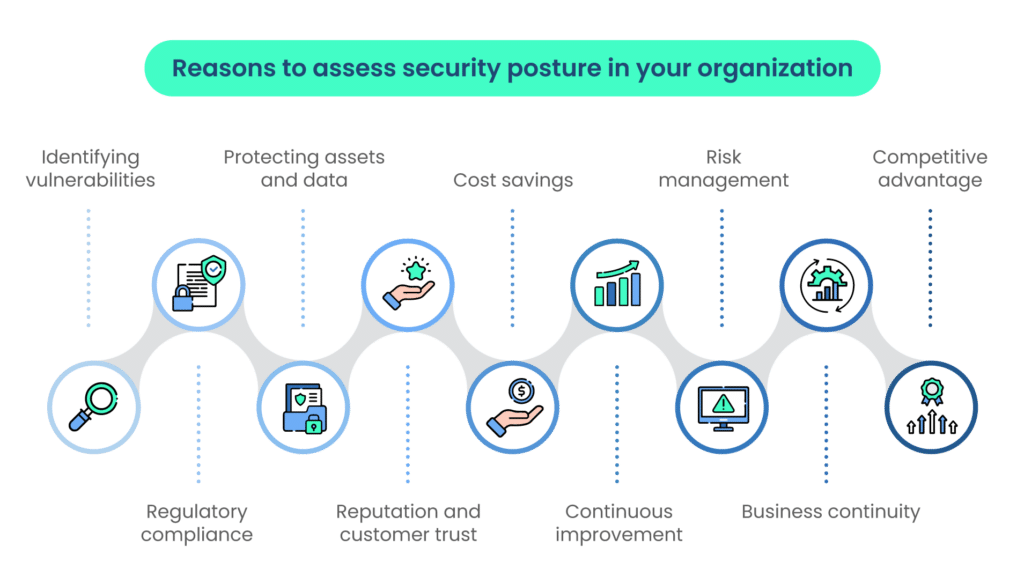
Assessing your security posture is a critical practice for organizations to ensure they can protect their assets, comply with regulations, maintain customer trust, and effectively manage security risks. Here are some key reasons why assessing your security posture is essential:
1. Identifying vulnerabilities
Regular security assessments help organizations identify vulnerabilities in their systems, processes, and technology. This proactive approach allows them to discover weaknesses before cybercriminals do, reducing the risk of data breaches and other security incidents.
2. Regulatory compliance
Many industries and regions have specific regulations and compliance requirements related to data security and privacy (e.g., GDPR, HIPAA, PCI DSS). Assessing your security posture helps ensure that you are meeting these regulatory obligations, which is crucial to avoid legal penalties and fines.
3. Protecting assets and data
Assessments help organizations protect their valuable assets, including sensitive data, intellectual property, and customer information. By understanding potential risks and vulnerabilities, organizations can implement safeguards to prevent unauthorized access or data breaches.
4. Reputation and customer trust
A strong security posture contributes to a positive reputation and fosters customer trust. Customers and clients are more likely to do business with organizations they believe will protect their data and privacy. Security breaches can lead to significant damage to an organization’s reputation and customer trust.
5. Cost savings
Identifying security weaknesses early can lead to cost savings in the long run. It’s often more expensive to respond to a security incident after it has occurred than to invest in preventive measures and security assessments upfront.
6. Continuous improvement
Security assessments are not one-time activities. They are part of an ongoing process of security management. Regular assessments help organizations continuously improve their security posture by adapting to new threats and technologies.
7. Risk management
Assessing security posture allows organizations to assess and manage risk effectively. By understanding where vulnerabilities exist and the potential impact of security incidents, organizations can make informed decisions about risk mitigation strategies.
8. Business continuity
Ensuring a robust security posture is crucial for business continuity. Cyberattacks or security incidents can disrupt operations, leading to financial losses. Assessing and enhancing security helps maintain business continuity and resilience.
9. Competitive advantage
A strong security posture can also serve as a competitive advantage. Organizations that can demonstrate their commitment to security may have an edge over competitors, especially when dealing with security-conscious customers or partners.
In summary, assessing your security posture is a fundamental practice for organizations to protect their assets, comply with regulations, maintain customer trust, and effectively manage security risks.
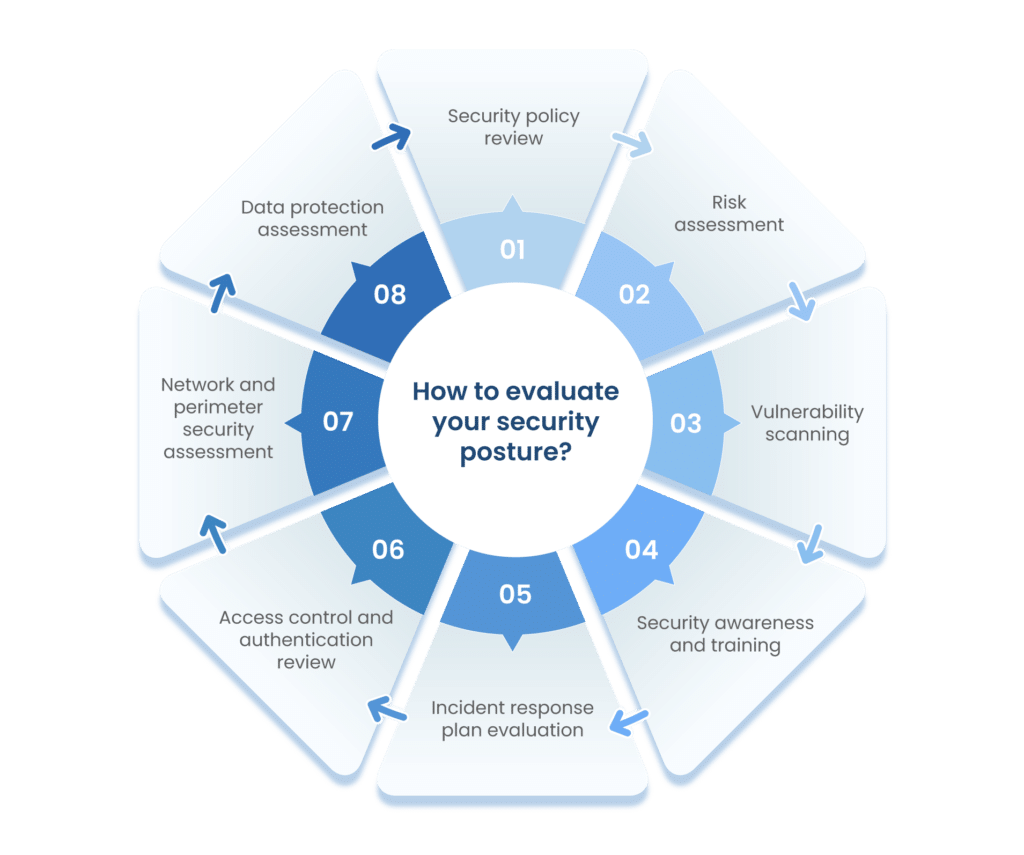
Steps to evaluate your security posture
1. Security policy review
Document review: Examine your organization’s security policies and procedures to ensure they are up-to-date and align with current best practices and regulatory requirements.
Policy effectiveness: Assess the effectiveness of your security policies in practice, considering how well they are followed and whether they adequately protect your assets.
2. Risk assessment
Identifying risks: Identify potential security risks and vulnerabilities within your organization, including threats to data, systems, and physical assets.
Risk prioritization: Prioritize identified risks based on their potential impact and likelihood, helping you focus on the most critical security issues.
3. Vulnerability scanning
Identifying weaknesses: Conduct regular vulnerability scans and assessments to pinpoint weaknesses in your systems, applications, and network infrastructure.
Patch management: Develop a strategy for addressing and patching vulnerabilities promptly to reduce the window of opportunity for attackers.
4. Security awareness and training
Employee training: Provide security awareness training to educate employees about security best practices, threats, and how to respond to incidents.
Phishing tests: Test employees’ susceptibility to phishing attacks through simulated phishing campaigns to identify areas for improvement.
5. Incident response plan evaluation
Incident simulation: Test your organization’s incident response plan through simulations of various security incidents to evaluate its effectiveness.
Plan updates: Continuously update and refine your incident response plan based on lessons learned from simulations and real incidents.
6. Access control and authentication review
User access auditing: Continuously update and refine your incident response plan based on lessons learned from simulations and real incidents.
Multi-factor authentication: Implement multi-factor authentication (MFA) wherever possible to enhance authentication security.
7. Network and perimeter security assessment
Firewall and intrusion detection: Evaluate the configuration and effectiveness of your firewalls and intrusion detection systems to protect against external threats.
Security of remote access: Ensure that remote access methods are secure and that remote workers follow secure access practices.
8. Data protection assessment
Data encryption: Implement encryption measures to protect sensitive data both in transit and at rest, and assess the effectiveness of existing encryption mechanisms.
Data backup and recovery: Regularly back up critical data and test data recovery processes to ensure business continuity in case of data loss or ransomware attacks.
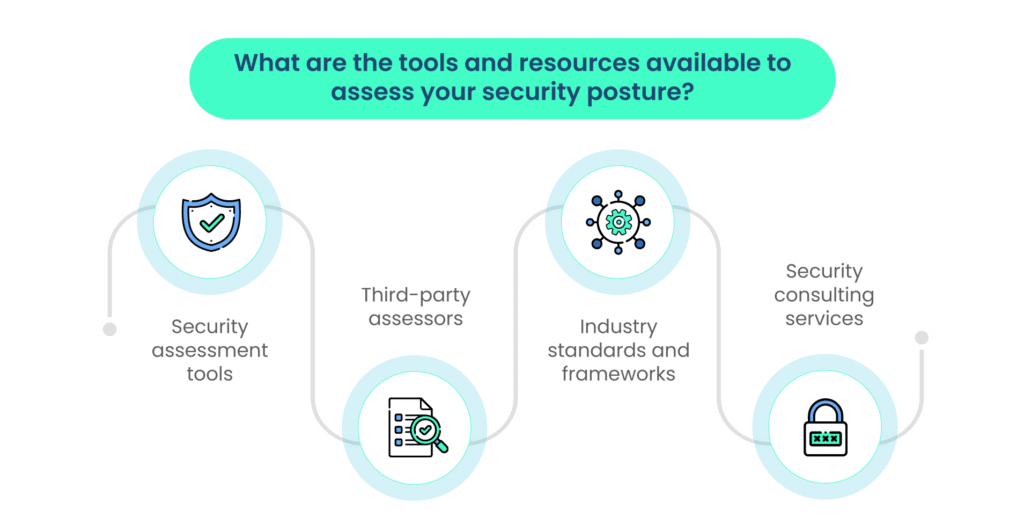
Tools and resources for security posture assessment
When conducting a security posture assessment, it’s important to leverage various tools and resources to ensure a comprehensive evaluation. Here are some essential tools and resources:
1. Security assessment tools
Vulnerability scanners: Tools like Nessus, Qualys, and OpenVAS can help identify vulnerabilities in your systems and networks.
Penetration testing tools: Tools such as Metasploit, Burp Suite, and Nmap are used by ethical hackers to test the security of systems and applications.
Security information and event management (SIEM) systems: SIEM solutions like Splunk and ELK Stack can help monitor and analyze security events and incidents.
Security assessment frameworks: Frameworks like OWASP (Open Web Application Security Project) provide guidance and tools for web application security testing.
2. Third-party assessors
Penetration testers: Independent security experts or firms can conduct penetration tests to evaluate your organization’s security by simulating attacks.
Certification and compliance auditors: Organizations may hire third-party auditors to assess compliance with specific regulations or standards, such as PCI DSS or ISO 27001.
Red team assessors: Red teams are groups of skilled security professionals who simulate real-world attacks to test an organization’s defenses.
3. Industry standards and frameworks
ISO 27001: This international standard provides a framework for information security management systems (ISMS) and is widely recognized for establishing security best practices.
NIST cybersecurity framework: Developed by the U.S. National Institute of Standards and Technology, this framework offers guidance for improving cybersecurity risk management.
CIS critical security controls: The Center for Internet Security (CIS) provides a set of best practices to help organizations enhance their security posture.
PCI DSS: The Payment Card Industry Data Security Standard is essential for organizations that handle credit card data.
4. Security consulting services
Security consultants: Security consulting firms or individuals can provide expertise in security strategy, risk assessment, and overall security program development.
Incident response services: In the event of a security incident, incident response consulting firms can help organizations investigate, contain, and recover from the incident.
Security architecture review: Consultants can assess and recommend improvements to an organization’s security architecture and infrastructure.
Analyzing assessment results
Analyzing assessment results is a crucial step in the security posture assessment process. It involves reviewing the data collected during assessments and making informed decisions about how to address security issues. Here are the key steps in analyzing assessment results:
1. Data interpretation
Begin by carefully reviewing all the data collected during the assessment, which may include vulnerability reports, security logs, audit findings, and assessment reports. Interpret the data to understand the security posture accurately, identifying areas of strengths and weaknesses.
2. Identifying critical issues
Prioritize security issues based on their severity and potential impact on the organization. Critical issues may include vulnerabilities that are actively exploited, misconfigurations that expose sensitive data, or high-risk threats. Distinguish between issues that require immediate attention and those that can be addressed over time.
3. Prioritizing remediation
Develop a clear and structured process for prioritizing the remediation of identified security issues. Consider factors such as the potential impact of each issue, the ease of exploitation, the relevance to the organization’s assets, and any regulatory or compliance requirements. Additionally, create a risk matrix or scoring system to assist in prioritization.
4. Creating an action plan
Develop a comprehensive action plan that outlines the steps required to address each identified security issue. Assign responsibilities to individuals or teams for each remediation task. In addition, set clear timelines and deadlines for completing remediation efforts. Also, consider implementing short-term mitigations for critical vulnerabilities while more comprehensive solutions are being developed.
Throughout the analysis process, it’s essential to involve key stakeholders, including IT teams, security professionals, and management, to ensure that everyone is aligned on the priorities and actions needed to improve the security posture. Regular communication and monitoring are critical to tracking progress and adapting the action plan as necessary.
Remember that security posture assessment is an ongoing process. After remediation efforts are completed, it’s important to conduct follow-up assessments to verify that the issues have been adequately addressed and to identify any new security concerns that may have arisen. This iterative approach helps organizations continuously improve their security posture and adapt to evolving threats.
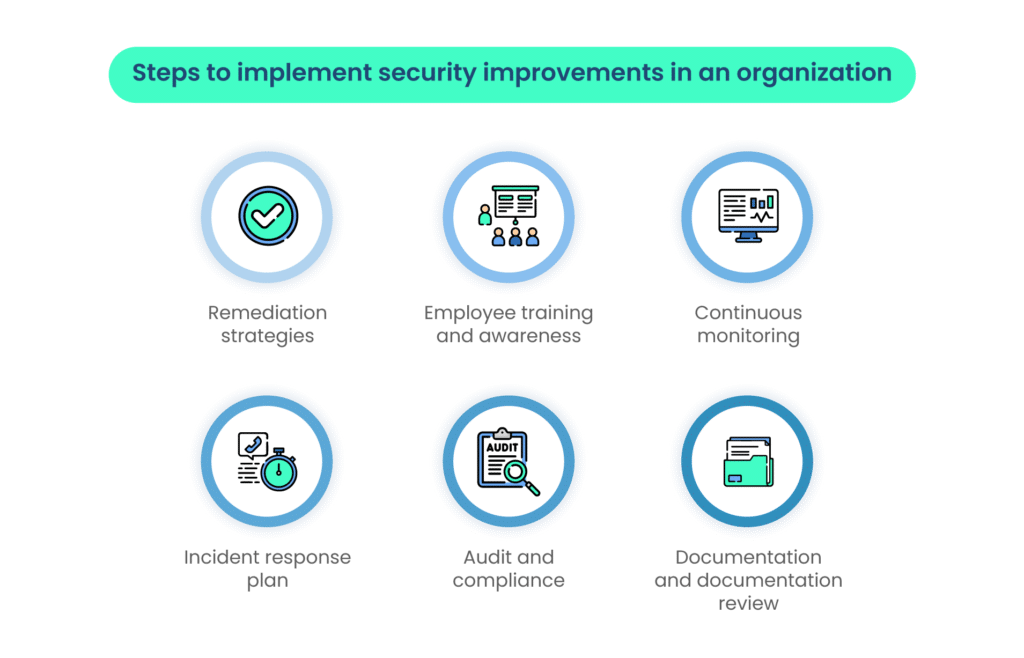
Implementing security improvements
Implementing security improvements is a crucial step in enhancing your organization’s security posture. Here are key elements and strategies for effectively implementing security improvements:
1. Remediation strategies
Patch management: Regularly apply security patches and updates to software, operating systems, and firmware to address known vulnerabilities.
Vulnerability remediation: Prioritize and remediate vulnerabilities based on their severity and potential impact. Implement fixes or mitigations for identified weaknesses.
Configuration management: Review and improve the configuration of systems and network devices to minimize security risks, such as unnecessary open ports or weak access controls.
Access control: Enhance access controls by implementing the principle of least privilege (PoLP) to restrict users and systems’ access to only what is necessary for their roles.
Data encryption: Encrypt sensitive data at rest and in transit to protect it from unauthorized access.
Multi-factor authentication (MFA): Implement MFA for critical systems and accounts to add an extra layer of security.
Incident response plan: Ensure that your incident response plan is updated and tested regularly, and that all staff are familiar with their roles and responsibilities during security incidents.
2. Employee training and awareness
Conduct regular security awareness training for employees to educate them about security best practices, social engineering threats, and recognizing phishing attempts.
Provide training specific to employees’ roles and the security policies and procedures relevant to their job functions.
Test and measure the effectiveness of training through simulated phishing exercises and security quizzes.
3. Continuous monitoring
Implement continuous security monitoring solutions to detect and respond to security incidents in real-time.
Monitor network traffic for unusual patterns or signs of malicious activity.
Utilize intrusion detection and prevention systems (IDS/IPS) to identify and mitigate threats.
Employ Security Information and Event Management (SIEM) systems to aggregate and analyze security event data.
4. Incident response plan
Ensure that your incident response plan is ready for activation in case of a security incident.
Establish clear communication channels and escalation procedures for reporting and responding to incidents.
Regularly conduct tabletop exercises or simulations to test and improve the effectiveness of your incident response procedures.
5. Audit and compliance
Conduct regular security audits to ensure ongoing compliance with security policies, standards, and regulations.
Engage third-party auditors if necessary to assess and validate your security controls.
Document audit findings and take corrective actions to address any non-compliance issues.
6. Documentation and documentation review
Maintain thorough documentation of security policies, procedures, and remediation activities.
Review and update documentation regularly to ensure it remains current and relevant to evolving security threats and organizational changes.
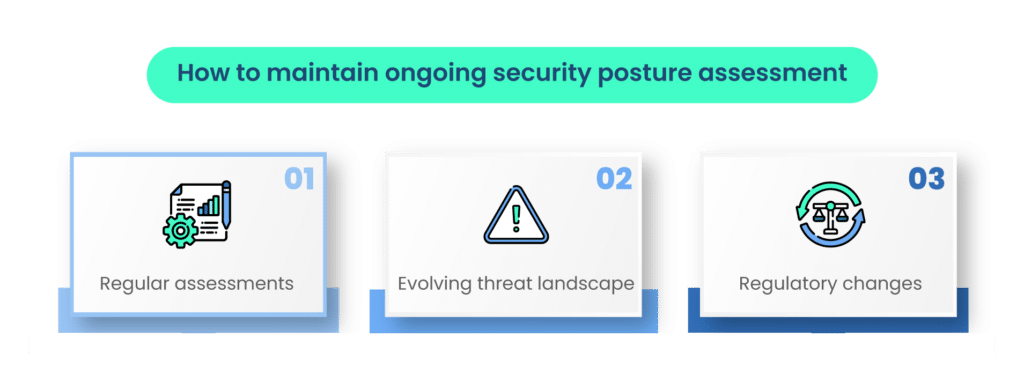
Maintaining ongoing security posture assessment
Maintaining ongoing security posture assessment is critical to ensure that your organization remains resilient against evolving threats and compliant with changing regulations. Here are key considerations for this ongoing process:
1. Regular assessments
Conduct security assessments and audits at regular intervals, such as annually or quarterly, to continuously evaluate your security posture.
Perform vulnerability assessments and penetration testing to identify and remediate security weaknesses.
Regularly review and update security policies, procedures, and incident response plans to reflect changes in technology and threat landscape.
2. Evolving threat landscape
Stay informed about emerging cybersecurity threats and vulnerabilities by monitoring security news, threat intelligence feeds, and industry reports.
Adapt security measures and controls to address new and evolving threats. This may involve revising security policies, adding new security technologies, or enhancing employee training programs.
Consider threat hunting and proactive threat detection techniques to identify threats before they can cause significant harm.
3. Regulatory changes
Keep abreast of changes in relevant regulations and compliance requirements that affect your industry or region.
Adjust security practices and policies to align with new regulatory requirements, ensuring that your organization remains in compliance.
Engage legal or compliance experts when necessary to ensure that your organization’s practices meet legal standards.
In addition to these considerations, fostering a culture of security awareness among employees is crucial. Encourage a proactive approach to reporting security incidents or potential threats and provide ongoing security training and awareness programs.
Regularly communicate the importance of security to all employees and stakeholders, emphasizing that security is a shared responsibility. By maintaining a strong security posture through ongoing assessment and adaptation, organizations can better protect their assets, data, and reputation in an ever-changing threat landscape.
Conclusion
Assessing your security posture is crucial for various reasons, including identifying vulnerabilities, compliance, asset protection, and customer trust. Key steps involve policy review, risk assessment, vulnerability scanning, employee training, incident response planning, access control review, network security assessment, and data protection review.
Once assessments are done, interpret results, prioritize critical issues, and create an action plan. Implement improvements, such as patch management, employee training, monitoring, and robust incident response.
Maintaining ongoing security posture assessment is vital. Regular assessments, staying updated on emerging threats, adapting to regulations, and promoting a security-aware culture are essential practices.
By prioritizing and continually investing in security posture, organizations can better mitigate risks and maintain trust in an ever-changing cybersecurity landscape.
Take control of your compliance journey with Scrut. Schedule a demo today to see how we can streamline your compliance processes and ensure peace of mind.
FAQs
1. What are the key components of a company’s security posture?
The key components include people (employees and vendors), processes (security policies and procedures), and technology (security tools and solutions). These elements must work together to create a strong security posture.
2. Why should organizations assess their security posture regularly?
Regular assessment helps identify vulnerabilities, ensure compliance with regulations, protect assets, maintain customer trust, and manage security risks effectively. It’s a proactive approach to cybersecurity.
3. Why is maintaining ongoing security posture assessment important?
Maintaining ongoing assessment helps organizations adapt to evolving threats, regulatory changes, and organizational needs. It ensures they remain resilient in the face of ever-changing cybersecurity challenges.
13 Oct 2022
3minutes
Authored by
Aayush Ghosh Choudhary
Co-founder & CEO at Scrut
14 policies that you need for SOC 2 compliance
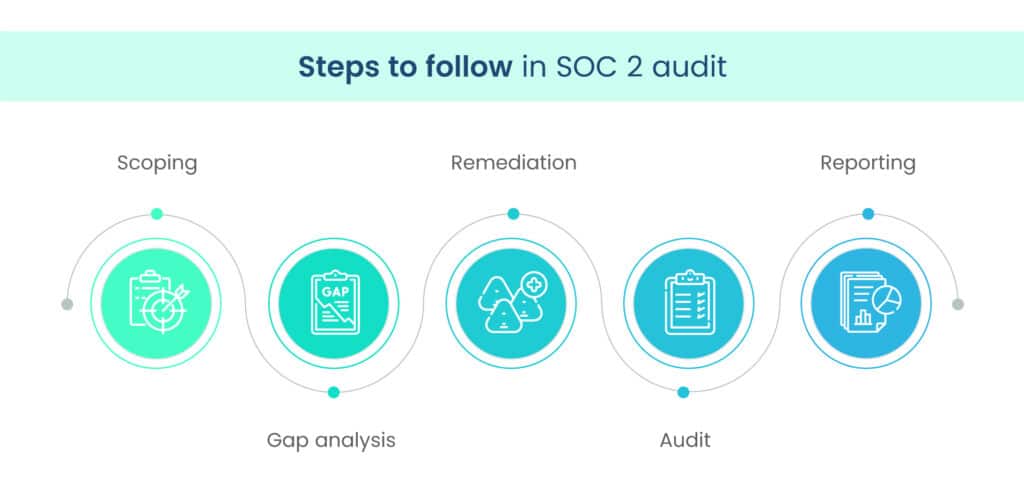
The SOC 2 audit process can be intimidating. It is definitely time-consuming, resource-intensive, and expensive. However, it does not need to be so complicated if the right legwork is done. One of the key aspects of SOC 2 is to have the right policies in place to protect customer data. If done right, and adhered to diligently, this can save an organization a significant amount of time and money during the audit. Unsurprisingly, clear, concise policy documentation is the foundation for a successful SOC 2 audit.
What are SOC 2 policies?
The SOC 2 policies establish a framework for expectations from employees and the procedures for meeting these expectations. These policies are reviewed by the SOC 2 auditor in great detail with respect to adherence to SOC 2 controls and are expected to be documented and accepted by each employee (and often external parties like vendors).
What SOC 2 policies do you need?
The scope for what policies need to be drafted and deployed for SOC 2 compliance will vary depending on the company’s size, services offered, and the Trust Services Criteria chosen. However, there are a few policies that will be required and are recommended for SOC 2:
Information Security Policy Information Security (IS) policy is the cornerstone of SOC 2 compliance for any organization, and acts as the foundation for all other infosec-related policies. The key objective of the IS policy is to ensure all employees and service providers who have the access to critical data related to the organization, or its networks, satisfy the stated rules and regulations. It is important to note that the IS policy covers both physical and digital data.
Access Control Policy This policy provides guidance on restricted admittance to various systems and applications and expectations from the admin accounts and their holders. It also covers the process for authorizing, modifying, and removing users, and access using the role-based access control.
Password Policy The password policy includes the approach for password management, and the necessary protocols for password creation (e.g., length and complexity), changes (e.g., frequency of password changes), and mechanisms (e.g., multi-factor authentication).
Data classification policy Data classification policy incorporates instructions on how to protect data and what measures need to be taken to secure the data based on the criticality and sensitivity of the data itself.
Physical Security Policy The physical security policy incorporates the basics of protecting data assets from ecological and physical dangers. This reduces threats from theft, loss, harm or unauthorized access to these valuable assets.
Acceptable Use Policy (AUP) The Acceptable Use policy describes the restrictions and regulations for utilizing the organization’s technology assets.
Backup Policy Regular Backup policy is vital for any organization in the cloud era. The policy necessitates protecting critical business data with fixed periodic backups. Ideally, backups can be safely stored with the 3-2-1 method. That implies three data copies should be stored in two different types of media, and one copy should be saved for disaster recovery.
Logging and Monitoring Policy The logging and monitoring policy lays out the requirements that need to be satisfied for logging user activities and protocols for log inspections.
Risk Management Policy The Risk Management policy covers the mechanisms and procedures for performing risk assessments. This also covers expected threats and potential impact. Through this policy, one can assess the risk associated with each identified threat, estimate the impact on the organization and define the appropriate mitigation strategies.
Change Management Policy A change management policy acts as the ground for managing changes in production environments. The main aim of this policy document is to describe practices that minimize potential risks for unauthorized, un-tested, and sub-optimal changes. A change management policy should ideally consist of:
The most common set of changes that happen in the organization’s infrastructure
Brief description of processes to initiate the change – from source to end results along with approval criteria
Stakeholders involved in each layer of change process
Documentation and maintenance of each change record for future audit and compliance.
Incident Response Policy The IR (Incident Response) policy defines the approach of the enterprise in case of an unwanted and unexpected security incident. The policy is focused on minimizing the impact on business operations and customers while handling such an incident.
Business Continuity Plan The Business Continuity Plan lays down the operating procedures in case of an emergency. It covers three major aspects for a business:
How will it coordinate efforts in case of emergency?
How will the hardware, applications and essential data will be restored in case of a disaster?
How will the business continue in any unexpected situation?
Remote Access Policy The remote access policy describes the allowed practices of connecting remotely to an enterprise’s internal networks. Remote access policy is a key requirement for businesses allowing permanent or semi-permanent remote work for employees.
Email/Communication Policy This policy provides guidelines to employees for acceptable and unacceptable usage of an organization’s various communication mediums.
Scrut Automation is an innovative and radically simple governance, risk, and compliance automation platform for growing startups and mid-market enterprises. With Scrut, compliance teams can reduce ~70% of their manual effort in continuously maintaining compliance towards SOC 2, ISO 27001, GDPR, PCI DSS, HIPAA, and CCPA.Schedule your demo today to see how it works.
13 Oct 2022
6minutes
Authored by
Aayush Ghosh Choudhary
Co-founder & CEO at Scrut
A beginner’s guide to information security frameworks
Information security is a broad umbrella term that covers everything from application security to encryption and recovery. An information security framework is a compilation of documents that allow an organization to manage its data security. But that’s just the cream on the surface; if you truly want to become well versed in information security frameworks, then there’s a lot to uncover. The following article will help you understand everything you need to know about information security.
What are information security frameworks?
A framework, as defined by the Cambridge Dictionary, is “a structure around or over which anything is created,” An Information Security framework helps the company steer, manage, implement, and manage security controls for the information it possesses. There are now ten primary information security frameworks, also known as cyber security frameworks, in use to decrease enterprise risks.
Information security professionals use frameworks to describe and prioritize the responsibilities involved in managing corporate security. Frameworks are also used to help with compliance and other IT audit preparation. As a result, the framework must be able to accommodate the standard or regulation’s unique needs.
So to put it simply, the framework comprises various documents that clearly outline your company’s chosen rules, procedures, and processes. It successfully communicates how information, systems, and services are managed inside your organization to all internal, divergent, and external customers, stakeholders, and partners.
Benefits of Information Security (IS) frameworks
The role information security plays in the digital age is no surprise, and therefore, information security frameworks hold a vital position. Frameworks are a beginning point for building information security management procedures, rules, and administrative operations. Each framework is customized to fit the requirements of a company based on the industry. This in itself makes it an effective compliance strategy. However, here are some other reasons you can benefit from having IS frameworks in place;
You can use the security frameworks to perform a control-gap analysis. It will enable you to compare current security measures to an industry-standard reference, thereby providing a structured way of strengthening your Infosec posture.
This gap analysis between current and industry-standard controls helps you analyze which controls need prioritizing over the other. It is an effective way to work on the existing gaps and increase maturity levels.
There are rules in each framework that specify the minimum criteria for suppliers. This provides the organization a head start in developing adequate vendor risk controls and reduces third-party risks.
The collaboration between different business divisions in a large firm is not coherent. The framework’s guidance will guarantee that all business units follow the same requirements.
Implementing an information security framework is to decrease risk and reduce the organization’s vulnerability exposure.
Compliance towards globally recognized information security frameworks also serves as market indicators for existing and potential customers that you can be trusted with their data. Often times, such compliances become a mandatory part of the vendor qualification process. In such cases, adherence to IS frameworks acts like an active enabler for revenue growth.
12 key information security frameworks
Compliance does not guarantee safety. Even if a firm complies with all legislative and industry requirements mentioned in a compliance framework, it can still be exposed to cyber-attacks.
There are certain key areas where both compliance and security differ. These are as follows;
Enforcement: A third party enforces compliance on an organization, primarily to regulate industry standards. On the other hand, security is often practiced by the organization for its benefit.
Motivation: The fundamental reason for compliance activities is to avoid penalties. Nobody likes to get fined a lot of money. Security measures are put in place to safeguard an organization’s most valuable assets: data, money, and intellectual property.
Nature of evolution: Compliance is relatively stable. While frameworks are updated, they are not updated daily as new risks develop. Security measures, on the other hand, need to evolve in tandem with threats regularly.
Click here to know more about the differences between security and compliance.
Commonalities between compliance and security
There are hundreds of information security framework options available today. Finding the proper one for your company is not always simple, especially for the inexperienced. They aren’t all grouped together in a single matrix. Naturally, there is significant overlap across frameworks, but that is a benefit. Once you’ve chosen your preferred framework, you’ll find it much easier to align with others. Let’s start with becoming acquainted with some of the more well-known available frameworks, as listed here.
ISO 27001
The ISO series is one of the most common information security frameworks you’d come across. The International Organization for Standardization was responsible for originating the ISO 27000 Series. The two main standards that explain the requirements and techniques for developing an information security management system are ISO 27001 and ISO 27002. (ISMS). Implementing an ISMS is a critical audit and compliance responsibility. This framework outlines corporate information security standards and management practices, such as control selection, implementation, and administration.
SOC 2
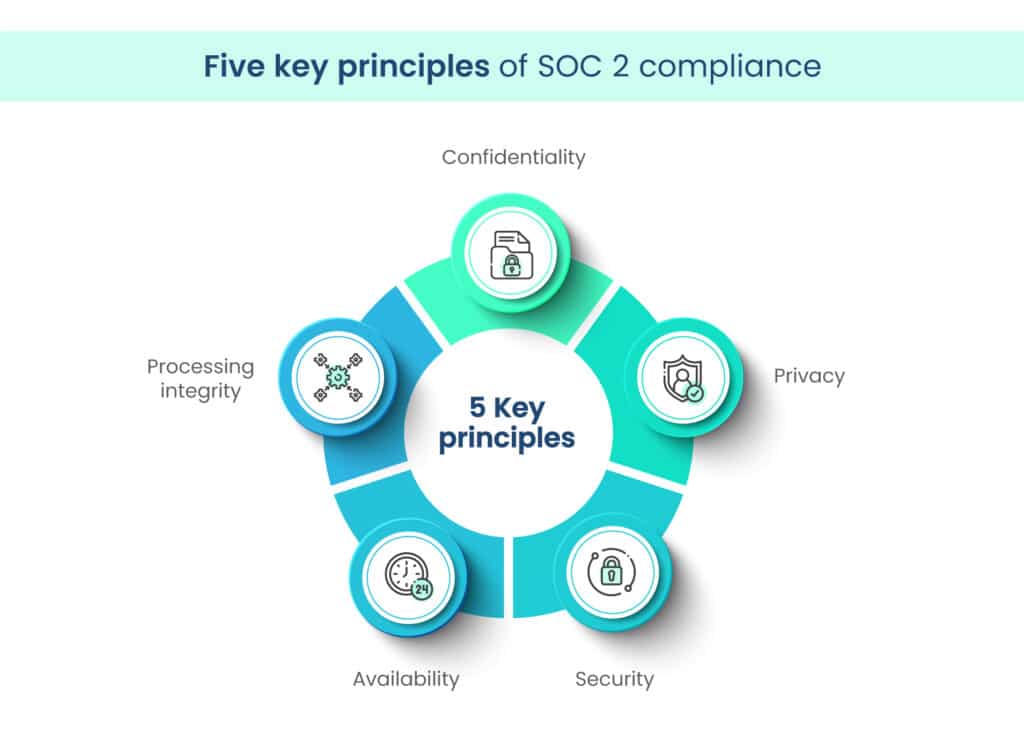
Service Organisation Control 2 (SOC 2) is an auditing standard developed by the American Institute of Certified Public Accountants (AICPA). It ensures service providers and third-party vendors protect sensitive data and personal information from unauthorized access. Security, Availability, Confidentiality, Processing Integrity, and Privacy are the five trust principles of this framework. SOC 2 examines a company’s Information Security controls in relation to a system’s principles and practices.
GDPR
This framework includes a set of security rules that global businesses must implement in order to preserve the security and privacy of EU individuals’ personal data. Controls for prohibiting illegal access to stored data and access control methods such as least privilege, role-based access, and multifactor authentication are all required under GDPR.
CIS Controls
The Critical Security Controls, Version 8, originating from the Center for Internet Security (CIS), offers technical security and operational controls that may be used in any setting. It does not cover risk analysis or risk management in the same way as the NIST CSF does; instead, it focuses only on lowering risk and improving the resilience of technological infrastructures.
HIPAA
Congress passed the Health Insurance Portability and Accountability Act (HIPAA) in 1996. The bill was approved in order to improve the efficiency of the US healthcare system. It accomplishes this by establishing best practises for ensuring the security and privacy of healthcare information. Any company that handles healthcare data or personal health information (PHI) must verify that their security programme and software controls meet the HIPAA Security and Privacy Rules.
NIST SP 800-53
The National Institute of Standards and Technology (NIST) maintains a large collection of IT standards, many of which are connected to information security. The NIST SP 800 Series, which was initially published in 1990, covers almost every facet of information security, with an increasing concentration on cloud security. NIST SP 800-53, which is also widely used, is the information security baseline for US federal agencies.
NIST SP 800-171
The NIST SP 800-171 framework controls are similar to those in NIST SP 800-53, except they are broader and less comprehensive. If an enterprise needs to demonstrate compliance with NIST SP 800-53, a crosswalk between the two standards can be created using NIST SP 800-171 as a starting point. Smaller businesses benefit from this flexibility because they may demonstrate compliance as they develop by implementing the extra controls specified in NIST SP 800-53.
NIST Cyber Security Framework
This framework is praised for its ease of use and comprehensive approach to comprehending a wide range of businesses. The NIST CSF, unlike other NIST frameworks, focuses on risk analysis and management. The framework’s security measures are built on risk management’s five phases: identity, protect, detect, respond, and recover.
NIST SP 1800 Series
The NIST SP 1800 Series is a series of guidelines that operate in conjunction with the NIST SP 800 Series of standards and frameworks. The SP 1800 Series of documents explains how to develop and use standards-based cybersecurity technology in real-world settings.
COBIT 5
COBIT 5 is a collection of guidelines for governing and managing business information technology. Unlike previous frameworks, the newly updated version of COBIT 5 includes IT, Assurance, Compliance, IT Operations, Governance, and Security and Risk Management.
CCPA
The California Consumer Privacy Act of 2018 (CCPA) provides customers more control over the personal data that businesses gather about them. The CCPA rules outline how to provide better security, and is applicable to many business, including data dealers.
PCI-DSS
The Payment Card Industry Data Security Standard (PCI DSS) is required by contract for anybody managing cardholder data. It requires that your organization must be reviewed for compliance on an annual basis. Credit card firms often require it, and it is mentioned in credit card network agreements as well.
Final word
There are too many information security frameworks present today, and undoubtedly, finding the right one for your organization is like picking the suitable stone at the shore. All of them are not divided under one umbrella as they have different focuses. A variety of variables can influence the decision to choose a particular IT security framework. The sort of industry or the regulations that must be followed might be decisive considerations.
This guide will allow you to understand the requirements, benefits, and disadvantages that come with undertaking each security framework, so make your decision wisely!
Scrut Automation is an innovative and radically simple governance, risk, and compliance automation platform for growing startups and mid-market enterprises. With Scrut, compliance teams can reduce ~70% of their manual effort in continuously maintaining compliance towards SOC 2, ISO 27001, GDPR, PCI DSS, HIPAA, and CCPA.Schedule your demo today to see how it works.
13 Oct 2022
6minutes
Authored by
Aayush Ghosh Choudhary
Co-founder & CEO at Scrut
Infosec compliance vs IT security: How to secure your business & meet regulations?
An extensive compliance audit requires you to check certain boxes, but does that directly translate into understanding your organization’s security policies? Not necessarily so.
While certification in the relevant security frameworks is crucial, becoming a secure business demands going much further. After all, certification does not guarantee security. And every industry is vulnerable to new dangers every day. Simply put, security compliance encompasses everything a firm undertakes to secure its assets and fulfill security standards and requirements.
A robust security program is created by a combination of security and compliance, resulting in what we understand as security compliance. This article will break down the components and enrich you with ideas on how to keep your business secure while meeting regulatory requirements.
IT security: Definition and components
All activities and efforts to protect an organization’s data and information are grouped under IT security. IT security includes programs that are developed to prevent assaults on the infrastructure and data of the organization as well as to respond to incidents instantly so that no significant harm occurs to the organization.
Security isn’t a one-off process as with the development of evolving security practices; hackers have been increasing their efforts too. Tackling the continuous advancement of threats means having a regular monitoring system in place to overlook security breaches.
Compliance: Definition and components
Compliance refers to the safeguards put in place by a company to appease a third party, such as the government, industry, certifying body, or customers. Most third parties require government policies, security certifications, established industry frameworks, and regulated contracts. You will be fined if you fail to comply with specified norms and rules. This frequently takes the form of hefty fines, which is why many firms put everything on hold in order to prepare for audits.
Differences between infosec compliance and IT security
Compliance does not guarantee safety. Even if a firm complies with all legislative and industry requirements mentioned in a compliance framework, it can still be exposed to cyber-attacks.
There are certain key areas where both compliance and security differ. These are as follows;
Enforcement: A third party enforces compliance on an organization, primarily to regulate industry standards. On the other hand, security is often practiced by the organization for its benefit.
Motivation: The fundamental reason for compliance activities is to avoid penalties. Nobody likes to get fined a lot of money. Security measures are put in place to safeguard an organization’s most valuable assets: data, money, and intellectual property.
Nature of evolution: Compliance is relatively stable. While frameworks are updated, they are not updated daily as new risks develop. Security measures, on the other hand, need to evolve in tandem with threats regularly.
Click here to know more about the differences between security and compliance.
Commonalities between infosec compliance and IT security
While both security and compliance have their differences, they also have various commonalities that overlap. Here are a few ways both safety and observation come together:
Risk reduction: Compliance gives you the fundamental security measures required by your sector or the government. Security-mindedness fills in the remaining security vulnerabilities, lowering the chance of being hacked even more.
Enhance reputation: Customers and vendors are both attracted to companies that will secure their data. Robust security protocols and compliance certifications indicate that your firm will treat its stakeholders well.
Applicable to third parties: Security and compliance both go beyond the boundaries of the organization and is relevant to vendors, stakeholders, and other third parties as well, making it beneficial for growth.
Benefits of combining security and compliance
Until now, we’ve understood that security and compliance are separate entities with differences and similarities. However, there is undeniable truth in the fact that both of these can serve as two sides of the same coin. Even though compliance is a third-party regulated process, it does serve a practical purpose in terms of an organization’s security.
Codifying cybersecurity procedures can assist in locating and repairing holes in current security systems. Making the decision to become compliant is an excellent business move since it shows stakeholders that you are equipped to protect their data.
Here are some benefits that come with creating a steadfast security compliance program.
1. Avoiding penalties
If your organization works closely with data security or is involved in collecting personal information from clients, there are specific regulations that must be followed. Any gaps in following these regulations can be heavily fined. GDPR, one of the security laws in Europe, has penalized several companies for not complying with the mandatory data protection rules. A strong security compliance program will ensure that you would no longer be at risk of paying penalties.
2. Prevention of data breaches
Organizations in any industry, be it B2B or healthcare, can fall prey to breaches and attacks. Cybercriminals have a reason to attack as long as organizations have data saved on their systems. One way you can keep them out is with a robust security compliance program. Hackers are deterred from targeting your firm and compromising sensitive information by adequate security and compliance procedures.
3. Enhancing organization’s reputation
Security failures indicate that a company is not devoted to protecting the data of its consumers. Rebuilding trust is laborious work and is not always successful. Given how quickly information can travel around the globe, security compliance is more critical than ever to preserve the confidence of suppliers, clients, and consumers.
4. Creating defined data management programs
Security compliance might push organizations to create elaborate security programs, but it is not necessarily a negative attribute since it provides organizations with defined data management capabilities.
5. Positive internal and external relations
An organizational commitment to security is appealing to both workers and external parties. By going beyond legal compliance and making security a vital element of your corporate identity, you’re expressing that you appreciate your consumers and cherish honesty. This identity will allow you to form collaborations with firms that prioritize security, reducing risk and eventually putting you in good company.
6. Checklist for a good security compliance strategy
If your organization is planning to create a security program that effectively contributes to compliance strategy, then there are some pointers you must consider. This checklist provides you with tips on how to keep your organization secure while meeting compliance regulations.
7. Include all departments in your compliance plan
The most common mistake made by an organization when planning for compliance is to not consider all departments. Make a strategy with HR, IT, compliance, and top management before adopting a security compliance program to ensure everyone is clear. This strategy should outline the standards you are required to meet and how you intend to meet them.
8. Continuously monitor for changes
Monitoring only the systems that fall under the requirements of a compliance framework is another mistake most organizations are bound to make. Even when security threats feel far-fetched, you must continue monitoring real threats to avoid being a prime target for cyber attacks.
9. Use audit logs
While auditing is sometimes required for compliance with specific security standards, auditing is basically pointless unless your firm maintains audit logs. Audit logs are historical records of activities inside an IT system. Audit logs can also be monitored internally to identify unusual behavior and improve security, in addition to providing evidence to confirm compliance with industry laws.
10. Grant only essential privileges
According to the concepts of least privilege and most minor functionality, users and programs should only be provided with necessary privileges. As workers develop in their careers, it’s critical to find a balance between offering more rights and securing the routes through which hackers may penetrate.
11. Divide duties and functions
Most organizational procedures require teamwork to be successful, and this is also true for security management. The division of roles and system functions entails breaking down an essential operation into multiple tasks that must be accomplished by different people. Segregation reduces the chances of exposure to threats.
12. Update software regularly
Cybercriminals are infamous for targeting businesses that do not regularly update their software. New risks emerge on a regular basis, and they are most frequent in software that has not been updated to the most recent version. Stay up to date on fixes to become compliant and protect your assets.
13. Implement a clear risk management plan
Meeting industry standards is just the beginning of staying compliant. If you want to prepare your organization for an attack, you need to have a robust risk management plan in place. This strategy should contain your organization’s current vulnerabilities, how to detect threats and a recovery mechanism in the event that a breach occurs.
14. Utilize automated tools
Security compliance is indeed difficult and time-consuming. With so many bases to cover, it’s tough to avoid blunders and moments of neglect. Rather than manually assuring compliance, try automating it with the correct tools so you can cover all necessary areas.
Closing thoughts
Overall, through this article, we have understood that security compliance is a combined program that works on both facets simultaneously. Despite their differences, security and compliance can come together in a mutually beneficial system to provide your organization with a secure way to meet regulatory requirements.
Scrut Automation is an innovative and radically simple governance, risk, and compliance automation platform for growing startups and mid-market enterprises. With Scrut, compliance teams can reduce ~70% of their manual effort in continuously maintaining compliance towards SOC 2, ISO 27001, GDPR, PCI DSS, HIPAA, and CCPA.Schedule your demo today to see how it works.
13 Oct 2022
6minutes
Authored by
Aayush Ghosh Choudhary
Co-founder & CEO at Scrut
Cyber security vs. information security: A comparative insight
During the third quarter of 2022, approximately 15 million data records were exposed worldwide through data breaches (Statista). This figure had increased by 37 percent compared to the previous quarter. With the constant rise in data breaches, a business organization must ensure that its information security and cybersecurity posture is on point. But what is the difference between cybersecurity and information security? Let’s find out.
“We shouldn’t ask our customers to make a tradeoff between privacy and security. We need to offer them the best of both. Ultimately, protecting someone else’s data protects all of us.”
Tim Cook
Often used interchangeably, cybersecurity and information security are not in fact, synonymous. A business person, a CISO, or an organization’s executive should be aware of the difference between the two to form and implement effective security practices in the organization. Knowing the exact difference between the two can lead to the formation of policies that effectively reduce cyber threats. Let us start by learning what the two terms – cybersecurity and information security – mean.
What is cybersecurity?
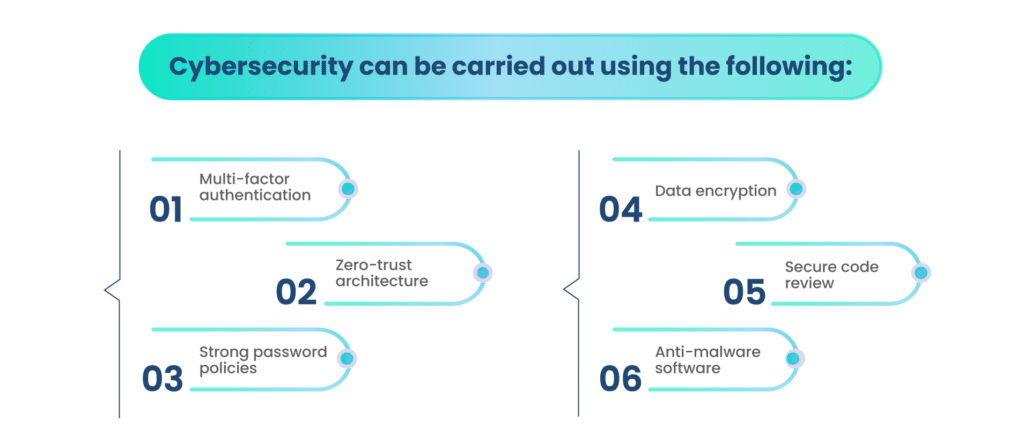
Cybersecurity can be defined as securing an organization’s assets, including software, hardware, firmware, and network, against possible cyber attacks. These assets include the employees’ personal devices or Internet of things (IoT) devices used to access the organization’s information.
The following sections are included in cybersecurity:
1. Application security
Application security prevents the application source code and data from being attacked by cybercriminals. It is applied to every application stage, namely design, development, and deployment.
2. Digital information or data security
Although we will discuss information security in detail in the later part of this article, what you should know at this stage is that digital information security is a part of cybersecurity.
Information security involves all the steps the organization takes to prevent any unauthorized person from accessing the organization’s data. It ensures that the organization’s data is not deleted, edited, copied, downloaded, or damaged by an unauthorized person.
Data can be digital or physical. However, only the security of digital data is covered under the realm of cybersecurity.
3. Network security
Network security includes protecting data, applications, networks, infrastructure, and systems from cyber threats.
4. Disaster recovery/business continuity planning
Disaster recovery and business continuity planning refer to the plan to be followed by an organization after cybercriminals have attacked it. A robust plan can minimize downtime after the attack and puts a break on inefficient system functions.
5. Operational security
Operational security is the process of identifying sensitive data, risks, adversaries, and vulnerabilities and taking appropriate measures to secure the data from adversaries.
6. Cloud security
Cloud security includes the protection of data, applications, infrastructure, and software in a cloud environment from threat actors.
7. Critical infrastructure security
Critical infrastructure is the computer system, network, and cyber assets that are crucial to the functioning of an organization, city, country, or the safety of the general public. The security of the critical infrastructure is imperative for the common good, making it a crucial part of cybersecurity.
8. Physical security
Physical and technological worlds are merging in previously unimaginable ways, and there are times when the boundary between the two is becoming blurred. A physical security breach can lead to a full-blown cyber attack in no time. Therefore, cybersecurity is not complete without physical security.
9. End-user education
IBM reports 21% of the breaches resulted from human errors, including employee or contractor negligence. Employee training can reduce the cost of a data breach by $247,758. Despite employing state-of-the-art security measures, the organization might face cyber attacks if the end users are not trained in using clean cybersecurity practices.
Figure:
What is information security?
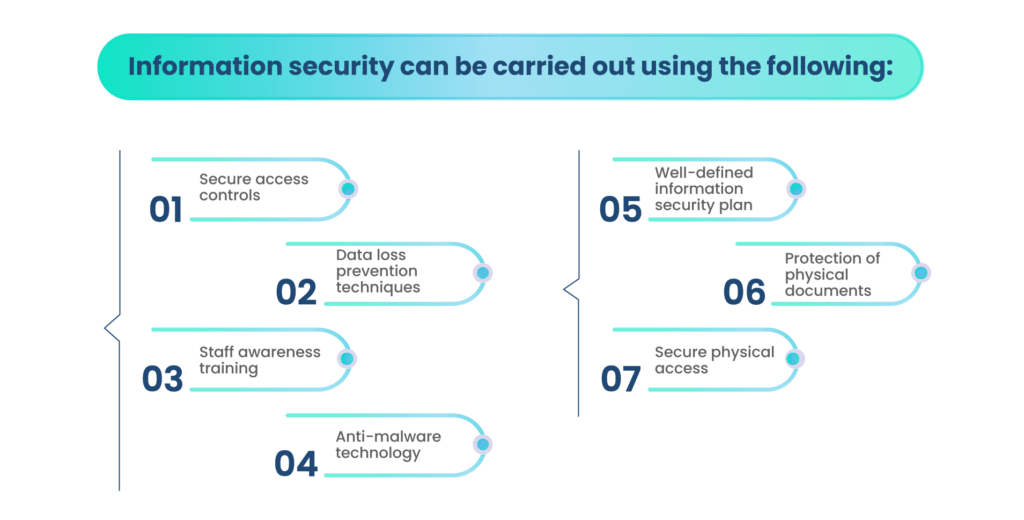
Information security or infosec can be defined as the processes and policies designed to secure the data of an organization. This data can be digital or physical. It can be stored on a device or in transit from one node to another. Every type of data protection is included in information security.
Three Principles of Infosec (CIA Triad)
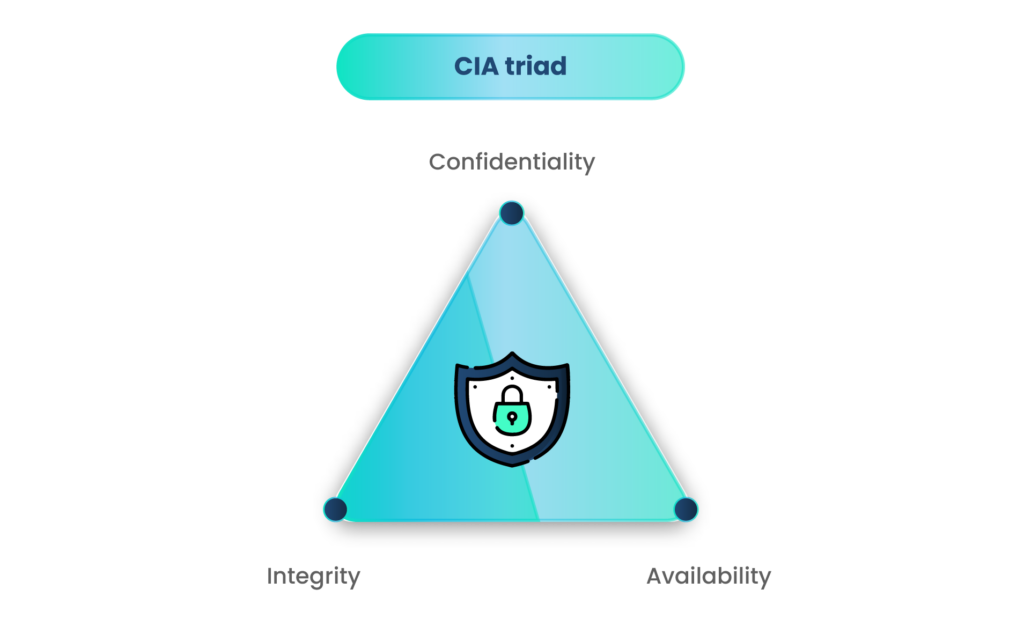
Information security is based on three principles, popularly known as the CIA triad:
Confidentiality – Confidentiality of the information ensures that no unauthorized access is ever given to an outsider or anyone working in the organization.
Integrity – This means that the data is not compromised in any way, and no unauthorized person has viewed, changed, deleted, or downloaded the data.
Availability – Information security ensures availability, meaning an authorized person gets access to the data whenever they need it and is fully aware that the data has not been tampered with.
Broadly, information can be classified into two categories:
Digital information – This type of information is stored and transferred digitally. You would require a digital device to access this information. Managing the permissions for access to digital information is crucial for the cybersecurity of the organization. If an unauthorized person finds access, they can cause a cyber attack.
Physical information – Physical or analog information is the old-school method of recording information. The handwritten notes or printed pages are called physical information. Although the amount of paper-based information is decreasing quickly, some documents are still not digitalized. Protecting the sanctity of these physical documents is crucial for the organization’s information security.
An organization must adhere to the information security requirements set by the government and non-government regulatory agencies and framework providers. Some data privacy regulations, like GDPR and CRPA, and frameworks like SOC 2. These regulations and frameworks are applicable to organizations handling or managing customer data under different circumstances, such as the location of the business, type of data collected, or inventory dealt in. Failure to comply with these data protection laws can land an organization in serious legal and financial trouble.
What is the difference between cybersecurity and information security?
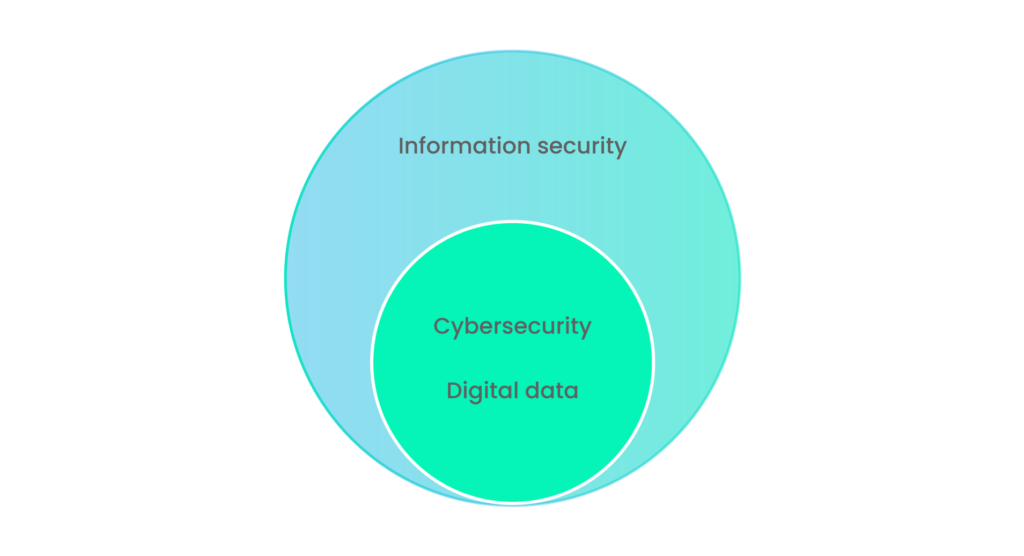
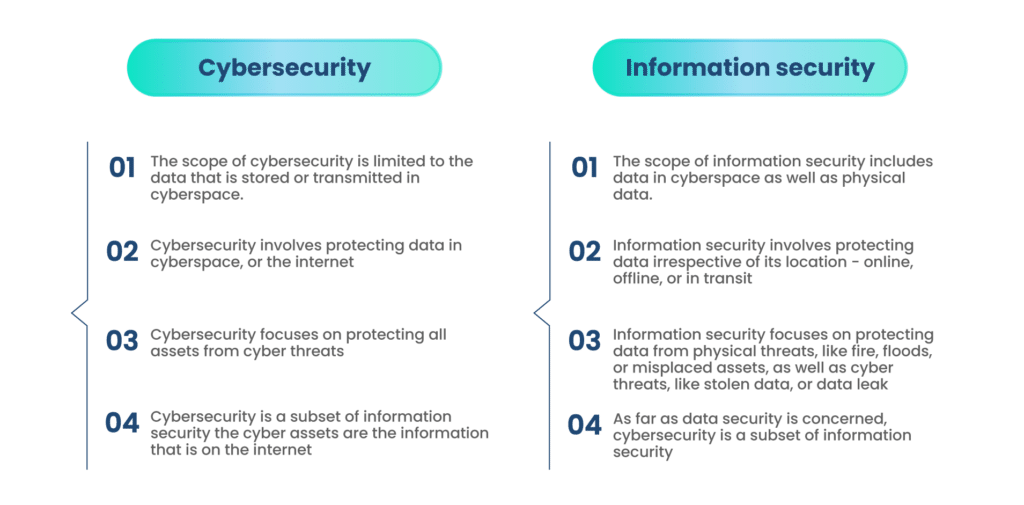
If you draw a Venn diagram for cybersecurity and information security it will look like the following:
As you can see in the figure above, information security includes the protection of digital and physical data. However, the protection of digital data is covered under the cybersecurity domain. Therefore, for complete information security, an organization must take appropriate steps to secure its physical records as well.
The differences between cybersecurity and information security are discussed in the table below:
Where do cybersecurity and information security coincide?
While comparing cybersecurity and information security, we can see that cybersecurity is basically a part of information security. With the increase in digital data and the decrease in the physical formats of data, the gap between the two is reducing at a fast rate.
Only a small percentage of organizations have different cybersecurity analysts and information security analysts. In most organizations, both functions are handled by cybersecurity analysts only. However, in large organizations, assigning different people to these roles is crucial for security.
As the border between the physical and cyber world is becoming thinner, the role of cybersecurity experts becomes enhanced. A higher percentage of digital data means a higher need for cybersecurity experts.
A breach in information security might lead to cybersecurity incidents and vice versa. For example, an employee is entrusted with handling customer information on a sheet of paper as a part of their duty. Protecting this information from outsider and insider threats is the organization’s responsibility. If this data is stolen by an inside person with malicious intent and sold online, the information breach is converted into a cybersecurity incident.
Ultimately, the purpose of either cybersecurity or information security is to protect the organization’s data. Therefore, the goal between the two is the same CIA triad we saw earlier – confidentiality, integrity, and accessibility.
To sum up
Cybersecurity includes all the processes and procedures for securing all your assets from cyber threats. On the other hand, information security is protecting information, whether physical or digital, from unauthorized access. We saw what the distinctive features of cybersecurity and information security are. Also, the difference and similarities between the two types of security areas. Although both types of security are different, both are crucial for every organization.
Scrut can be a trustworthy partner in compliance, which is a massive part of information security. If you want to know more about how Scrut can help your organization’s cybersecurity, you can contact our experts.
FAQ
1. What is the difference between a cyber threat and a cyber attack?
A known or unknown flow in the organization’s hardware, software, or infrastructure is called a vulnerability. A cyber threat is a potential act that is based on the exploitation of the vulnerability in an organization’s online networks resulting in unwanted changes in computer systems. A cyber attack is when a cyber criminal launches a series of steps to steal, alter, delete, or disable the data system of the organization.
2. Is data security and information security the same?
No. Data security is just another way of saying information security.
3. Is cybersecurity a subset of information security?
No. Cybersecurity and information security are two areas with a common ground covered between them. However, both have more sections covered under them except the said common ground.
13 Oct 2022
4minutes
Authored by
Aayush Ghosh Choudhary
Co-founder & CEO at Scrut
How to nurture the security mindset in your company
Many organizations have been exposed to cyber risks with the increased pace of digital technology in the hybrid workforce. Their unpreparedness to deal with these digital threats has brought the need for practical and Implementable security practices to the forefront. Nurturing a security mindset is not just confined to the method of creating cybersecurity awareness but also initiates a work environment where your organization actively seeks to maintain data security.
In simpler terms, a security-first mentality is not just about protecting your firm from the prospect of data breaches or other types of data security issues – but also includes recognizing the current relationship with data and valuing your integrity and your users’ privacy.
Introducing security to non-security professionals
Working with teams with only fairly basic cybersecurity expertise is one of the most challenging components of building an overall security mindset. However, that shouldn’t be a determining factor for you to ensure that your teams are working towards establishing security.
Organizations should start by considering methods that allow engineering teams to find and mitigate cybersecurity flaws organically inside their existing engineering processes. Let’s consider security a subset of quality and security defect a subset of defects. We can focus on how organizations may integrate activities and benefits supporting a cybersecurity agenda into current engineering quality and defect management procedures.
As for the organizations struggling with starting cybersecurity management due to lack of experience, automated application security tools, specifically, vulnerability scanners and security static code analysis tools, are some go-to solutions. The tools can work with their loaded security definition and provide findings upon which your engineering team can act as a part of their routine defect management.
However, it is not unlikely to encounter a few hurdles during the process, even while using automated tools. The false positive encounters can overwhelm your team. Hence, it would help if you could employ someone with the security domain expertise to overlook the findings. Security domain knowledge is essential to filter and translate security metrics-based results into a more generic engineering fault representation.
Create your own security-centered mindset
Building a security-first mindset is undoubtedly essential in the modern world, but are organizations doing enough to equip their employees with the information and resources they need to adhere to security best practices? How can they prevent their staff from becoming easy prey for cybercriminals by effectively educating them to guard against cyber threats?
As a professional, a security mindset is an asset that aids in protecting the sensitive data of customers, like their personal information. As a customer, it provides a sense of security to understand that the organization has effective practices to protect data.
However, the question remains: how can you create your security mindset? Here are three ways you streamline the process of establishing security practices.
1. Start with customer research
Your client’s information is highly prized and must be secured, just like your personal information. Understanding data privacy and sensitive personal information from the viewpoint of the typical consumer will help you establish a security mindset to give substantial protection to your clients and your organization. The knowledge that most customers lack trust in the firms that collect their personal information is evidence of the need for a security mindset in organizations.
Modern customers demand more control of their sensitive data in light of the numerous data security breaches that can harm organizations. They want to share data precisely while simultaneously controlling where it goes. Acknowledging your customers’ perspectives is essential to developing a security-first attitude that will best secure their sensitive data and lower the risk of a data breach or other cybercrime assault on your business.
2. Nurture a system focusing on privacy
Key cybersecurity behaviors are no longer an unknown realm to employees as they are briefed on information security training while beginning to work at their organization. This training helps them understand various security attacks such as malware, phishing, and more general threats that can hamper the organization’s reputation.
That said, not everyone always abides by this training, and one slip-up might result in illegal access by someone you don’t want accessing your company’s confidential data. Because of this, it’s crucial to ensure that every employee in your organization is aware of the security risks they encounter with every click. These risks go beyond simple passwords, antivirus software, privacy settings, and two-factor authentication. Nurturing a system that protects your organization’s data is beneficial for all parties involved, as your organization may crumble without the constant assessment of security practices.
3. Establish secure practices for designers
Security testing techniques can range from basic to complex. Still, they all aim for the same thing: to systematically examine potential threats/attacks against your systems, applications, and assets from an attacker’s perspective. Successful threat modeling can shape defensive objectives, architectural requirements, and cybersecurity responses. On the other hand, lousy threat models can waste time, lead to wasted cybersecurity expenditure, and overconfidence in security posture. The objective is to provide resources in design research so that development and operations teams can deliver relevant and actionable findings while adhering to the organization’s risk management standards.
Importance of a security mindset
Security is no longer a privilege but a necessity, and most firms recognize this already. Creating and nurturing your security mindset might not be an easy task that will happen overnight or even in a week, but it is a reliable approach. Many security issues and information security vulnerabilities affect your company just as much as your clients, so examining both views is helpful if you want to prioritize user data protection while minimizing your organization’s data breach risk.
Developing a security mission statement will provide you with resources to manage, protect and use data in your organization while satisfying your clients. It is even more critical to establish and maintain your organization’s reputation. A mindset that actively seeks to assess gaps and erase threats is only the first step in creating a secure system that acts on the findings.
Scrut Automation is an innovative and radically simple governance, risk, and compliance automation platform for growing startups and mid-market enterprises. With Scrut, compliance teams can reduce ~70% of their manual effort in continuously maintaining compliance towards SOC 2, ISO 27001, GDPR, PCI DSS, HIPAA, and CCPA.Schedule your demo today to see how it works.
19 Sep 2022
11minutes
Authored by
Aayush Ghosh Choudhary
Co-founder & CEO at Scrut
What is the difference between SOC 2 vs HIPAA compliance?
In the rapidly evolving digital landscape, data security and privacy have become paramount concerns for organizations across various industries. With the increasing volume of sensitive information being handled, compliance with industry-specific regulations has emerged as a critical aspect of maintaining trust and credibility with customers and partners.
Two prominent compliance frameworks that often confuse organizations are System and Organization Controls 2 (SOC 2) and Health Insurance Portability and Accountability Act (HIPAA). While both are geared towards safeguarding data and ensuring the highest standards of protection, they serve distinct purposes and cater to different industries.
In this blog, we will delve into the core aspects of SOC 2 and HIPAA, unraveling their underlying principles, scopes, and audit processes.
SOC 2 compliance
SOC 2 compliance is an industry-standard auditing procedure developed by the American Institute of CPAs (AICPA) to assess and validate the security, availability, processing integrity, confidentiality, and privacy controls within service organizations. It evolved from the Statement on Auditing Standards No. 70 (SAS 70) report, aiming to address the rise of cloud computing and third-party service providers.
Scope
The scope of SOC 2 compliance is focused on evaluating the controls and processes related to the security, availability, processing integrity, confidentiality, and privacy of a service organization’s systems and services. The assessment is performed by independent auditors who thoroughly review the organization’s policies, procedures, and practices to ensure they align with the TSC.
Applicability
SOC 2 compliance is applicable to service organizations, which are entities that provide services to other businesses or organizations.
The applicability of SOC 2 compliance extends to a wide range of industries and sectors, including but not limited to:
Technology and SaaS Companies: Organizations offering software solutions, cloud-based services, and IT infrastructure services must often obtain SOC 2 compliance to assure their clients of the security and reliability of their systems.
Data Centers: Data centers that host and manage critical infrastructure and house sensitive data for multiple clients can benefit from SOC 2 compliance to showcase their commitment to data security.
Managed Service Providers (MSPs): MSPs that handle IT management and support for their clients need to assure the security and availability of their services, making SOC 2 compliance essential for building trust.
Healthcare Industry: While SOC 2 itself is not specifically designed for healthcare data, healthcare-related service organizations that handle patient information often seek SOC 2 compliance alongside other industry-specific regulations such as HIPAA.
Financial Institutions: Entities in the financial sector that provide services such as online banking, payment processing, or financial data hosting can benefit from SOC 2 compliance to instill confidence in their clients.
Human Resources and Payroll Services: Service providers that manage sensitive employee data or payroll information may pursue SOC 2 compliance to demonstrate their commitment to data protection.
It is important to note that SOC 2 compliance is voluntary, and organizations can choose to pursue it based on their specific business needs, contractual requirements, and customer demands. Achieving SOC 2 compliance signifies an organization’s dedication to data security and privacy best practices, making it an attractive choice for service providers seeking to establish a competitive edge and build trust with their clients.
Principles of SOC 2 compliance
SOC 2 compliance is based on a set of principles known as the Trust Services Criteria or the TSC. The five key principles of SOC 2 compliance are as follows:
1. Security
This principle focuses on protecting the system and data from unauthorized access, both physical and logical. It assesses the effectiveness of controls implemented to prevent unauthorized access, secure data, and protect against potential security breaches.
2. Availability
This principle assesses the system’s availability, ensuring that the services are available for operation and use as agreed upon in service level agreements (SLAs). It evaluates the controls to minimize downtime and ensure continuous access to the service.
3. Processing Integrity
This principle ensures that the system’s processing is complete, accurate, timely, and authorized. It evaluates the controls that maintain data accuracy and integrity throughout its lifecycle.
4. Confidentiality
This principle focuses on protecting sensitive information from unauthorized disclosure. It evaluates the controls that restrict access to sensitive data and ensure confidentiality.
5. Privacy
This principle assesses how personal information is collected, used, retained, disclosed, and disposed of in accordance with the organization’s privacy policy and relevant regulatory requirements.
Each of these principles plays a vital role in SOC 2 compliance and is essential for ensuring that service organizations maintain a secure and trustworthy environment for their clients’ data. The scope and rigor of the assessments may vary depending on the organization’s specific services and the nature of the data they handle. Successfully meeting the requirements of these principles allows service providers to obtain a SOC 2 report, which they can share with clients, stakeholders, and prospective partners as evidence of their commitment to data security and privacy.
SOC 2 Type 1 vs SOC 2 Type 2
SOC 2 compliance comes in two main types: Type 1 and Type 2. The key difference between the two lies in the duration of the audit and the level of assurance they provide:
1. SOC 2 Type 1
SOC 2 Type 1 is an assessment of the design and implementation of the service organization’s controls at a specific point in time. It evaluates whether the controls are suitably designed to meet the Trust Services Criteria and are in place and operational as of the audit date.
A Type 1 report provides a snapshot of the organization’s controls at that moment and is helpful for clients and stakeholders who want to understand the service provider’s commitment to security and privacy practices.
2. SOC 2 Type 2
SOC 2 Type 2 goes a step further by assessing the operational effectiveness of the controls over a defined period, typically six months or more. It verifies whether the controls have been consistently applied and maintained over time, providing a higher level of assurance compared to Type 1. The Type 2 report is more comprehensive and valuable for clients and stakeholders who seek ongoing confidence in the service provider’s ability to protect data.
How SOC 2 compliance is assessed and audited
SOC 2 compliance is assessed and audited through a rigorous process conducted by independent third-party auditors. The assessment evaluates whether a service organization’s controls align with the TSC and are effectively implemented to ensure the five principles. The SOC 2 audit generally follows these steps:
1. Scoping
Defining the scope of the audit and identifying the systems and processes to be assessed.
2. Gap analysis
Evaluating the current controls in place and identifying any gaps or deficiencies that need to be addressed for compliance.
3. Remediation
Implementing necessary improvements and changes to meet the Trust Services Criteria requirements.
4. Audit
The auditor conducts testing and examination of the controls to assess their effectiveness and compliance.
5. Reporting
At the end of the audit, the service organization receives a SOC 2 report, which includes the auditor’s findings and opinion on the organization’s controls.
The SOC 2 assessment is conducted annually or at regular intervals to ensure ongoing compliance and continuous improvement of the service organization’s controls. Through this thorough evaluation, SOC 2 compliance allows organizations to instill confidence in their clients, fostering long-term relationships based on trust and data protection excellence.
HIPAA compliance
Let us discuss HIPAA compliance in some detail.
Definition and background of HIPAA compliance
Health Insurance Portability and Accountability Act or HIPAA compliance refers to the adherence of healthcare organizations and their business associates to the regulations outlined in the HIPAA legislation. Enacted in 1996 by the U.S. Congress, HIPAA’s primary goal is to protect the privacy and security of patients’ protected health information (PHI) and ensure its confidentiality throughout its lifecycle.
Prior to the implementation of HIPAA, healthcare data privacy and security were not adequately regulated, leading to concerns about patient information being vulnerable to misuse, unauthorized access, and breaches. The lack of standardized protection measures put patients’ medical records and other sensitive information at risk, resulting in potential identity theft, fraud, and other privacy violations.
To address these issues, Congress passed the Health Insurance Portability and Accountability Act in August 1996, and it became law on August 21, 1996. HIPAA introduced significant changes to the healthcare industry, primarily focusing on:
1. Portability
HIPAA ensured that individuals who changed or lost their jobs could maintain continuous health insurance coverage, even with pre-existing conditions. This aimed to provide more flexibility and continuity in health insurance coverage for employees and their families.
2. Administrative simplification
HIPAA mandated the creation of national standards for electronic health transactions, such as billing and claims processing. This aimed to streamline administrative processes, reduce paperwork, and improve the efficiency of the healthcare system.
3. Privacy and security
One of the most significant components of HIPAA was the establishment of Privacy and Security Rules to protect patients’ sensitive health information. The Privacy Rule set national standards for the protection of individually identifiable health information, while the Security Rule provided guidelines for securing electronically protected health information (ePHI).
Scope and applicability of HIPAA compliance:
HIPAA compliance applies to “covered entities” and “business associates” involved in the handling and processing of PHI. Covered entities include
health plans (e.g., insurance companies, HMOs), and
healthcare clearinghouses (e.g., entities that process health information for billing purposes).
Business associates are individuals or organizations that perform certain functions or activities on behalf of covered entities and involve the use or disclosure of PHI. Examples of business associates include third-party billing companies, IT service providers, and medical transcription services.
Key elements of HIPAA compliance
The key elements of HIPAA Compliance are as follows:
1. Privacy Rule
The Privacy Rule governs the use and disclosure of PHI by covered entities. It grants patients certain rights over their health information and sets standards for how covered entities must protect and handle PHI. Covered entities must have written privacy policies, designate a privacy officer, and obtain patient consent for certain uses and disclosures of PHI.
2. Security Rule
The Security Rule focuses specifically on ePHI and mandates that covered entities and their business associates implement administrative, physical, and technical safeguards to protect the confidentiality, integrity, and availability of electronic health information. This includes measures such as encryption, access controls, audit logs, and staff training on security best practices.
3. Breach Notification Rule
The Breach Notification Rule requires covered entities to notify affected individuals, the Department of Health and Human Services (HHS), and, in certain cases, the media in the event of a breach of unsecured PHI. Breach notifications must be made promptly to ensure affected individuals are aware of potential risks to their privacy.
4. Omnibus Rule
The Omnibus Rule, implemented in 2013, made several significant changes to HIPAA regulations, including expanding the liability of business associates for compliance and strengthening patient rights regarding their PHI.
Entities covered by HIPAA regulations
As mentioned earlier, covered entities include healthcare providers, health plans, and healthcare clearinghouses. These entities are directly responsible for complying with HIPAA regulations and safeguarding PHI.
Importance of Business Associate Agreements (BAAs)
BAAs are crucial in the context of HIPAA compliance. Covered entities must enter into written agreements with their business associates, outlining the responsibilities and requirements related to the use and protection of PHI. BAAs establish the terms and conditions for how business associates must handle PHI and ensure they are held accountable for complying with HIPAA regulations.
Penalties for non-compliance with HIPAA
Non-compliance with HIPAA can result in severe penalties. The Office for Civil Rights (OCR), which enforces HIPAA regulations, has the authority to impose civil monetary penalties on covered entities and business associates found in violation of the rules.
Penalties can range from $100 to $50,000 per violation, depending on the level of negligence and the extent of the violation. In cases of willful neglect, penalties can reach up to $1.5 million per violation.
HIPAA compliance is a critical aspect of the healthcare industry, safeguarding patient privacy, promoting trust in healthcare services, and reducing the risk of data breaches and unauthorized disclosures. Therefore, healthcare organizations and their business associates must remain vigilant in adhering to HIPAA requirements and continuously improve their data protection practices to ensure the privacy and security of patients’ health information.
Comparison between SOC 2 and HIPAA compliance
SOC 2 and HIPAA are distinct frameworks designed for different purposes. SOC 2 is primarily about demonstrating the adequacy of a service provider’s controls related to security, availability, processing integrity, confidentiality, and privacy, while HIPAA specifically addresses the protection of healthcare-related information. Organizations should carefully assess their regulatory requirements and security needs to determine which compliance framework is relevant to their operations.
The comparison between SOC 2 and HIPAA compliance can be seen in the table below:
Aspect
SOC 2
HIPAA
Focus areas
Data security, availability, and processing integrity for service providers
Protecting the privacy and security of individuals’ health information
Scope and industry applicability
Broad applicability across various industries, particularly for technology service providers
Primarily applicable to healthcare providers, health plans, and healthcare clearinghouses
Framework and principles
Based on Trust Services Criteria, with five key principles – security, availability, processing integrity, confidentiality, and privacy
Based on specific rules and regulations designed for healthcare information protection, including the Privacy Rule, Security Rule, and Breach Notification Rule
Audit and certification process
Voluntary audit conducted by independent auditors, resulting in SOC 2 report
Mandatory compliance assessment by the Department of Health and Human Services (HHS)
Penalties for non-compliance
No direct penalties but loss of business and reputation can be severe
Significant financial penalties for violations, based on the severity of the breach
Considerations for organizations
1. Determining the applicable compliance requirement
Organizations must carefully assess their operations, industry, and the type of data they handle to determine which compliance requirement is applicable to them. If the organization is a technology service provider handling customer data, SOC 2 might be more relevant.
On the other hand, if the organization is part of the healthcare industry and deals with protected health information, HIPAA compliance would be the primary concern. Properly identifying the applicable compliance requirement ensures that the organization focuses its efforts on meeting the necessary standards.
2. Complementary nature of SOC 2 and HIPAA for some organizations
In certain cases, organizations might find that both SOC 2 and HIPAA are relevant to their operations. For instance, a technology service provider that handles healthcare data for healthcare providers would need to ensure compliance with both frameworks. In such cases, SOC 2 and HIPAA can be complementary, with SOC 2 addressing broader data security and processing concerns and HIPAA specifically addressing the privacy and security of health information.
3. Overlapping controls and strategies for efficient compliance
Even if an organization is required to comply with both SOC 2 and HIPAA, there may be overlapping controls and strategies that can be leveraged to achieve efficient compliance. For example, both frameworks emphasize data security and confidentiality. Implementing robust data security measures and access controls can address requirements from both SOC 2 and HIPAA, streamlining the compliance process.
4. The importance of ongoing monitoring and review
Compliance is not a one-time effort; it requires continuous monitoring and review. Organizations need to regularly assess their compliance measures, update them as needed to address changing risks and regulations, and conduct periodic audits to ensure ongoing adherence to the chosen compliance framework(s). This proactive approach helps maintain a high level of security and ensures that the organization remains compliant with industry standards and regulatory requirements.
By carefully considering these aspects, organizations can navigate the compliance landscape more effectively and establish a strong foundation for data protection and security. It is essential to stay informed about updates to the frameworks and regulations, engage in regular risk assessments, and actively work towards maintaining a culture of compliance within the organization.
Final thoughts
In conclusion, maintaining compliance with SOC 2 and HIPAA is vital for organizations to safeguard data security and privacy. SOC 2 focuses on service providers’ data security and availability, while HIPAA protects individuals’ health information in the healthcare sector. Careful identification of applicable requirements, leveraging overlapping controls, and ongoing monitoring are essential for efficient compliance and earning trust from customers and partners.
FAQs
What is SOC 2 compliance, and how does it differ from HIPAA compliance?
SOC 2 compliance is an industry-standard auditing procedure that assesses and validates the security, availability, processing integrity, confidentiality, and privacy controls of service organizations. It is primarily applicable to technology service providers. On the other hand, HIPAA compliance focuses on protecting the privacy and security of individuals’ health information and is primarily applicable to healthcare providers, health plans, and healthcare clearinghouses.
Why is it essential for organizations to comply with SOC 2 and HIPAA?
Compliance with SOC 2 and HIPAA ensures that organizations uphold the highest standards of data security and privacy. It builds trust and credibility with clients and partners, reduces the risk of data breaches, and helps organizations avoid significant penalties for non-compliance.
Can an organization be subject to both SOC 2 and HIPAA compliance requirements?
Yes, some organizations may be subject to both SOC 2 and HIPAA compliance requirements. For example, a technology service provider handling healthcare data for healthcare providers may need to comply with both frameworks. In such cases, SOC 2 and HIPAA can be complementary, with overlapping controls to streamline the compliance process.