Authored by

Aayush Ghosh Choudhary
Co-founder & CEO at Scrut

A Guide To Onboarding And Offboarding Employees For Risk Prevention

Effective onboarding and offboarding are essential for maintaining a secure organizational environment. These processes contribute significantly to risk prevention and overall security.

In this guide, we will delve into the strategies and practices that can help organizations successfully onboard and offboard employees while minimizing potential security risks.

Today, the processes of onboarding and offboarding have transcended their traditional administrative roles. They now stand as critical pillars of an organization’s overall security and risk management strategy.
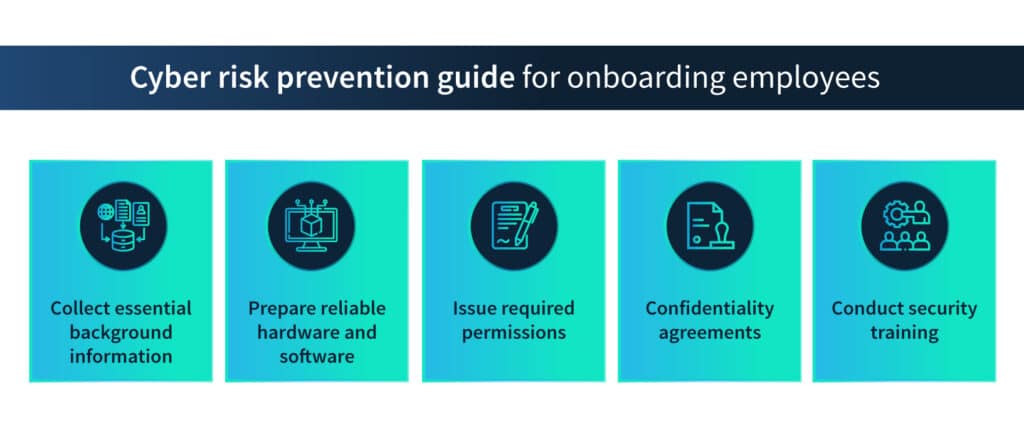
Cyber risk prevention guide for onboarding employees

In an era characterized by complex cyber threats and stringent regulations, the seamless integration of new employees and the careful departure of outgoing ones are more important than ever.
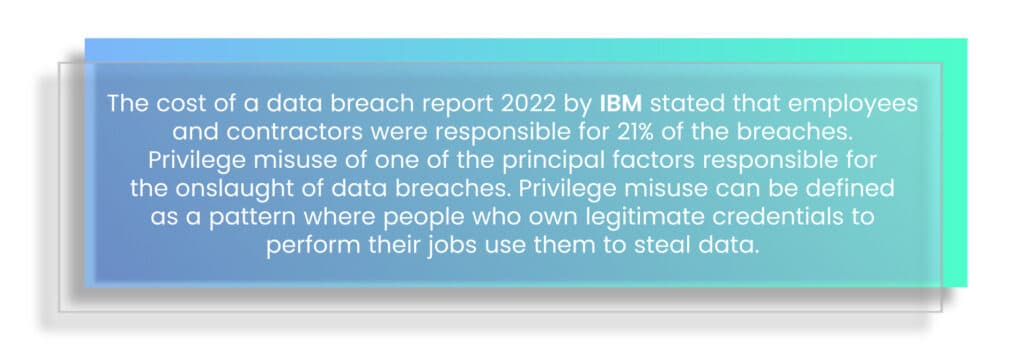
Similar to privilege misuse, there are several cyber risks associated with employees. Most of these are often overlooked while onboarding and offboarding employees, which is where threats are most likely to enter. 

Let’s take a look at some of the steps organizations can take to prevent cyber risks associated with employees—a onboarding and offboarding checklist for employees, if you will.

The essence of onboarding and offboarding

Onboarding, the art of introducing new talent to a company’s culture, operations, and expectations, lays the foundation for an employee’s journey within the organization. 

Similarly, offboarding, the respectful conclusion of an employee’s tenure, requires meticulous attention to ensure a smooth exit. 

Beyond the surface-level formalities, both of these processes hold the potential to either bolster an organization’s security or expose it to potential risks.

Risk prevention

Though not immediately evident, the ties between onboarding, offboarding, and risk prevention are strong. 

A robust onboarding process ensures that incoming employees are educated about the company’s security policies and protocols right from the start. This not only fosters a culture of security awareness but also cultivates responsible data handling practices.

Conversely, a well-orchestrated offboarding process reduces the risk of data breaches and unauthorized access following an employee’s departure. 

Swiftly revoking access credentials, transferring duties, and conducting thorough data backups help plug potential security gaps that could be exploited by malicious actors.
A holistic approach to security

Taken together, onboarding and offboarding employees act as the bookends of a comprehensive security approach. Effective onboarding establishes a solid base of security awareness and knowledge among employees from day one. 

Likewise, a well-executed offboarding process ensures that exiting employees leave the organization with their access and knowledge gracefully curtailed, minimizing the chances of data leaks and breaches.

In the following sections, we’ll delve into the strategies and components that constitute successful onboarding and offboarding processes. From verifying employee backgrounds to harnessing technology for streamlined workflows, this guide will provide a roadmap for integrating new hires while safeguarding organizational security. 

By embracing the principles outlined here, organizations can pave the way for a secure and resilient future—one that starts with the initial onboarding handshake and concludes with the final keystroke of a thorough offboarding process.

Onboarding process: Mitigating initial risks

A robust onboarding process is a cornerstone of risk prevention in organizations. It serves as the first line of defense against potential security vulnerabilities and sets the tone for an employee’s approach to security.

Effective onboarding extends beyond the mere orientation of new employees. It encompasses background checks, verification procedures, and systematic training in security protocols. 

By ensuring that employees are equipped with the right tools and knowledge, organizations can mitigate initial risks associated with unfamiliarity and oversights.

Background checks and verification

Thorough background checks are essential before welcoming a new member to the organization. Verifying an individual’s history, credentials, and references helps identify any potential red flags that might pose security or compliance risks. This step establishes a foundation of trust between the organization, its employees, and its clients.

Background information of the employees includes but is not limited to

  • Their educational background – The organization must ascertain that the employee is qualified as they claim to be. In the view of cybersecurity, this step helps the organization determine how much knowledge one can expect from the employee regarding cyber threats.
  • Their experience – The background check with their previous employers can reveal whether the employee can be trusted with sensitive information. A sour experience with a previous employer can be acceptable only if it is not repetitive. You can check whether the employee has tried to cause harm to their previous employer digitally or physically.

Verification can go a long way toward hiring reliable employees. Background checks can be done by the HR department or can be entrusted to outside agencies. 

Training and orientation for security protocols

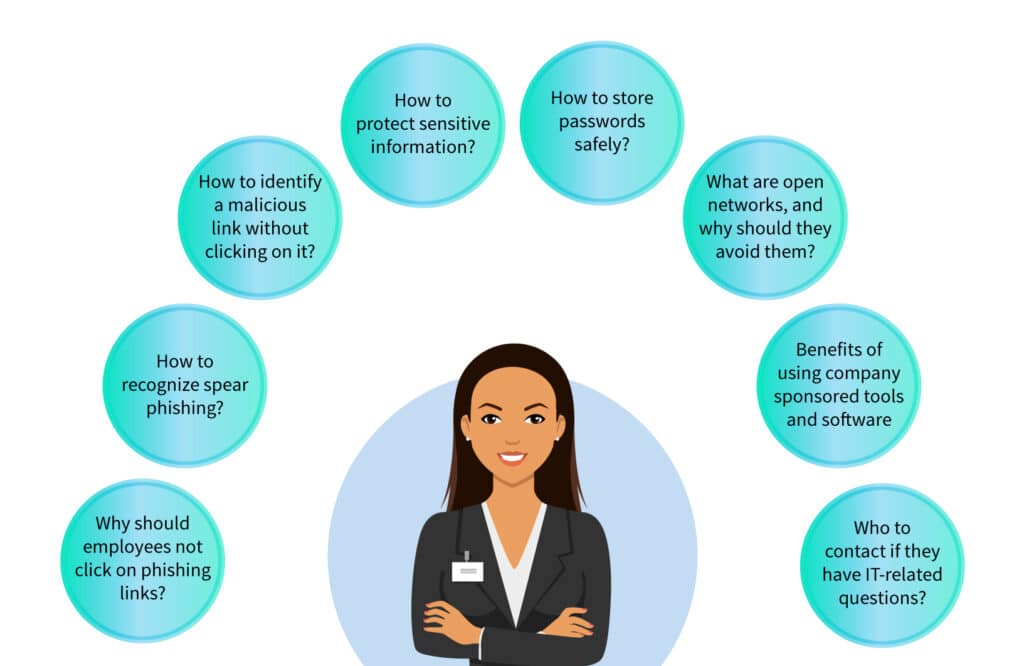
The initial days of onboarding are crucial for introducing employees to the organization’s security protocols. This includes guidelines for data protection, password management, and secure communication practices. Comprehensive training instils a security-conscious mindset that becomes ingrained in an employee’s daily actions.

Reliable hardware and software

If the employee is working remotely, it is advisable to send them hardware loaded with the required software and applications. If the employee chooses to use their own hardware, it must be checked for possible malware. 

Hardware used by the employees—whether in the office or a remote setting–should be bought from reliable dealers, as in several cases, the hardware is pre-installed with malware. Quarantine the new hardware and check it for bugs before using it in your business.

Before allowing the employees to use hardware, your IT department must blocklist websites that can pose cyber threats. If any repair is required, the hardware should only be sent to trustworthy parties.

Buy software from developers and do not download from dodgy sources to prevent malware attacks. Installation of additional software should require administrative rights to block employees from downloading malicious content. In addition, update your software regularly to patch the known vulnerabilities.
Ensuring authorized access

Granting the right level of access to new employees is a delicate balance. Providing necessary access while avoiding over-entitlement helps prevent data breaches and internal threats. Role-based access control ensures that each employee can only access the resources essential for their job responsibilities.

Permission to access the organization’s databases must be given per employees’ need to know. In short, if they need the information to perform their job, share it; otherwise, don’t. The new employees might also need official email addresses and new IDs to access shared software. 

Make the software and database access password protected. Passwords are your first line of defense in the cyberworld. Most of the time, employees are required to change the password set up by the IT department while creating their IDs. 

However, employees tend to go along with the same password and create vulnerabilities. Ensure that your new employees use their own passwords instead of generic ones and that their passwords are strong.  

Confidentiality agreements

In organizations where information is imperative, confidentiality agreements are given to the new employees to sign. These confidentiality agreements must be written with legal help as they are binding on both parties. 

Ensure that any agreements with their previous employers do not bind the new employees. For example, some organizations have contractual agreements with their employees that they will not share client details with outside parties. 

In the subsequent sections, we’ll delve into the components that make up a successful onboarding process, including pre-arrival preparations, first-day orientation, and ongoing training. These steps collectively contribute to creating a workforce that not only understands security best practices but actively participates in the risk prevention efforts of the organization.
Components of an effective onboarding process

A well-structured onboarding process is the cornerstone of a security-conscious organization. It goes beyond a simple orientation and encompasses various phases that equip employees with the knowledge, tools, and resources needed to contribute to a secure work environment. 

Let’s delve into the key components that constitute an effective onboarding process:

1. Pre-arrival phase

Before a new employee even steps through the office doors, a thoughtful pre-arrival phase sets the tone for a seamless onboarding experience.

Clear communication and expectations: Initiating open communication with new hires about their first day, required documentation, and what they can expect helps alleviate any uncertainties and nerves.

Preparing required documentation: Streamline administrative processes by preparing essential paperwork in advance. This allows employees to focus on learning rather than drowning in paperwork.

2. First day orientation

The first day serves as the official introduction to the company’s culture, values, and security measures.

Introduction to Policies and Compliance: Deliver a comprehensive overview of company policies, including data handling, cybersecurity, and ethical conduct. This ensures that new employees understand the rules from the outset.

Issuing Access Credentials: Provide employees with access cards, security badges, and login credentials required to navigate the organization’s physical and digital spaces securely.

3. Training and education

Continuous education is a cornerstone of maintaining a security-conscious workforce. Regular training sessions equip employees with the skills they need to keep security top of mind.

Cybersecurity Best Practices: Introduce new hires to the fundamentals of cybersecurity, including recognizing phishing attempts, using strong passwords, and safeguarding sensitive information.

Overview of Physical Security Measures: Educate employees about physical security protocols, such as badge usage, access control, and reporting suspicious activities. This ensures that security extends beyond digital realms.

Each of these components serves a crucial purpose in establishing a secure foundation for employees. 

By meticulously attending to the pre-arrival phase, first-day orientation, and ongoing training, organizations foster a workforce that is well-versed in security protocols, compliant with regulations, and poised to actively contribute to risk prevention.

Through this holistic onboarding approach, organizations not only welcome new talent but also imbue them with a security-first mindset that permeates their every action and decision.
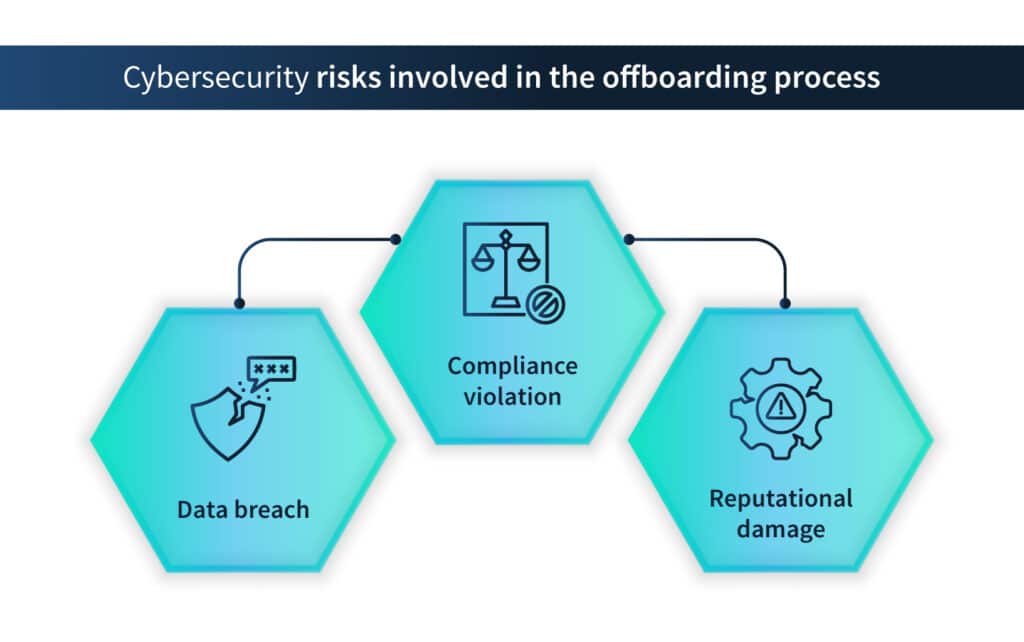
Cybersecurity risks involved in the offboarding process - Data breach, Compliance violation, and Reputational damage

Offboarding Process: Minimizing Departure-Related Risks

While onboarding sets the stage for a secure work environment, the offboarding process is equally critical in preventing potential security risks that can arise from an employee’s departure. 

A well-structured offboarding process ensures that exiting employees leave the organization with their knowledge and access gracefully curtailed, safeguarding sensitive information and reducing the risk of data breaches.

Offboarding encompasses all of the actions required to properly part ways with an employee after their resignation, termination, or retirement.

When done correctly, a straightforward offboarding procedure promotes a smooth transition for both the firm and the departing employee. It also plays a critical role in risk management, as employees can have access to a lot of information during their tenure. Remote work has added some more challenges to an already difficult task.

Cybersecurity risks involved in the offboarding process include:

  • Data breach – Intentional or unintentional damage to the database by using the login credentials given to them while working.
  • Compliance violations – There are compliance violations when there is a data breach. Disgruntled employees – present or former – might use their positions to cause damage to the organization by leaking the data. This can lead to major compliance issues.
  • Reputational damage – Data breaches can cause significant damage to the reputation of the organization. Customers might think twice about buying from an organization whose data has been compromised.

Steps for maintaining cybersecurity while offboarding

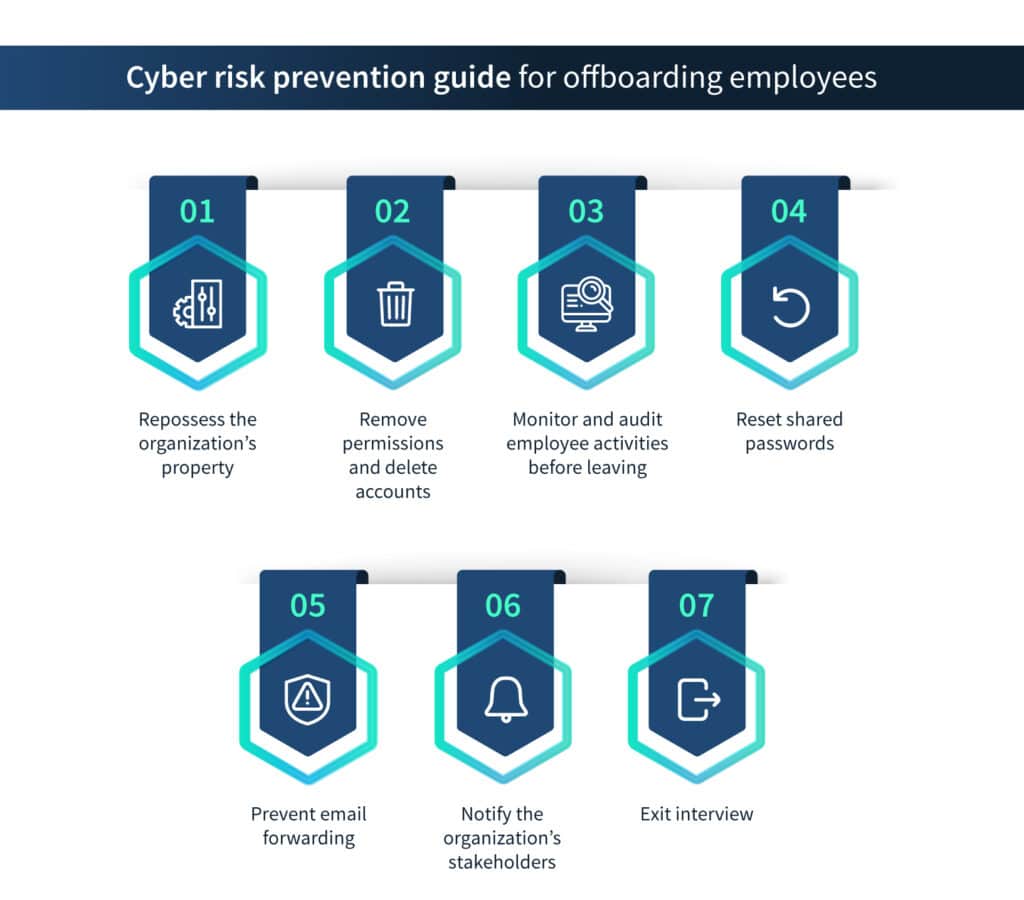
Although the offboarding process differs in every organization, here are some of the absolutely necessary steps for maintaining cybersecurity while offboarding employees.

Repossess the organization’s property

Employees are given organizational property to perform their duties. There must be a list of all the hardware and other properties given to employees, and they should all be collected at the end of the employee’s tenure. 

The hardware should be checked for any malware that might have been installed while the employee was using it. Also, if there are any repairs needed, they must be done soon. 

Remove permissions and delete accounts

This is the most important step for cybersecurity that organizations often overlook. The employees are given permission to access databases and applications of the organization. When they stop working, these permissions should be rescinded; otherwise, they can be used to steal data maliciously. 

Account IDs created for the employees to use the software should be deleted; otherwise, ex-employees can use the company software for their own purposes, which often have malicious intentions.

Monitor and audit employee activities before leaving

Most organizations mandate a notice period for employees. Sometimes, employees use this notice period to cause harm to the information system or steal data that can be used to further their careers. 

These acts are not only immoral but are also illegal. When the employee leaves the organization, and especially when they leave with a grudge, appropriate audits must be conducted to verify whether the departing employee has downloaded too much data, inserted malware into the information system, or did any activity that they might not do under normal circumstances.

Reset shared passwords

There are many accounts, such as wifi networks and accounting software, where multiple employees share passwords. These passwords must be changed as soon as one of the employees leaves the organization. 

Such passwords are often set according to a predetermined pattern, like a combination of employee name and ID number. If any employee leaves the organization, these patterns must be changed too; otherwise, they can guess another employee’s password to enter the organization’s information system.

Prevent email forwarding

A common hack used by departing employees is to forward the organization’s emails to their personal email addresses. This will keep them in the loop even after they have left the organization. The IT department must ensure that the leaving employee has not used this trick on any of the organization’s email addresses or other employees’ email addresses.

Notify the organization’s stakeholders

An employee is a representative and, in many ways, an agent of the organization. They represent the organization when communicating with suppliers, customers, shareholders, or even other employees. So, if the employee leaves the organization, these stakeholders must be informed. 

They should know the exact date from which they are leaving and the circumstances under which they are leaving the organization. It helps the organization to protect itself in many ways.

Exit interview

What has cybersecurity to do with an exit interview?  Well, nothing as such, but HR can gauge the employee’s feelings in the exit interview. This will help them know whether the employee is unhappy and likely to cause damage to the organization.

If HR thinks that that is the case, they must promptly inform the IT department to ensure they are on a without. 

The significance of proper offboarding

An ineffective offboarding process can inadvertently create security vulnerabilities. Without proper management of access credentials, data, and responsibilities, former employees might retain unauthorized access, inadvertently or maliciously compromising an organization’s security.

Key components of an effective offboarding process

An effective offboarding process goes beyond the collection of company property. It’s a comprehensive strategy that encompasses several crucial components.

Resignation/notice period:

Initiation of Departure Process: When an employee submits their resignation, it’s essential to promptly initiate the offboarding process. This ensures ample time to complete all necessary tasks before their departure.

Collection of Company Property: This phase involves retrieving items such as laptops, access cards, security badges, and any other company-owned materials issued to the employee.

Data and access management

Revoking Unnecessary Access: Revoking access to systems, databases, and resources that are no longer required for the role prevents former employees from accessing sensitive information after their departure.

Transfer of Responsibilities and Data Backup: Responsibilities should be smoothly transitioned to other team members to prevent gaps in operational tasks. Additionally, performing a thorough data backup helps ensure that critical information is retained even after an employee’s departure.

Exit interview component

Feedback Collection for Process Enhancement: Conducting exit interviews provides departing employees with the opportunity to provide feedback on their experience. This feedback can help identify areas for process improvement and enhance the organization’s overall operations.

By executing these components meticulously, organizations minimize the risk of unauthorized access, data leaks, and other potential security breaches associated with an employee’s departure. A comprehensive offboarding process ensures that an employee’s departure is as secure and smooth as their entry into the organization.

Automation and technology in onboarding and offboarding

Today, leveraging automation and technology has become paramount in enhancing the efficiency, accuracy, and security of onboarding and offboarding processes. By integrating advanced tools and systems, organizations can streamline these critical procedures while minimizing the potential for errors and security gaps.

Streamlining with Human Resources Information Systems (HRIS)

Human Resources Information Systems (HRIS) play a pivotal role in managing employee data securely and efficiently. These platforms facilitate seamless onboarding by automating administrative tasks such as document collection, data entry, and employee record creation. Similarly, during offboarding, HRIS aids in the systematic revocation of access and the secure archiving of essential records.

Access management tools

Automated access management tools enable organizations to assign and revoke access credentials swiftly and accurately. These tools ensure that access rights align with an employee’s role and responsibilities, reducing the risk of unauthorized access during their tenure and after departure.

Auditing and compliance monitoring

Automation enables real-time monitoring and auditing of access logs, ensuring that permissions are aligned with company policies and compliance regulations. This proactive approach enhances an organization’s ability to identify and rectify potential security breaches swiftly.

Communication and collaboration among departments

Effective onboarding and offboarding require seamless communication and collaboration between various departments, including Human Resources, IT, Security, and Management. 

The synergy of these departments is pivotal in maintaining a secure and efficient transition for employees.

Cross-functional communication

Constant communication ensures that all departments are on the same page regarding employee onboarding and offboarding. This collaboration facilitates the timely allocation of resources, such as access credentials and necessary equipment, while preventing unnecessary delays.

Coordinated efforts for security protocols

Close collaboration between HR, IT, and Security teams ensures that security protocols are consistently enforced. From verifying employee backgrounds to monitoring access, each department’s expertise contributes to a secure onboarding and offboarding experience.

Transitioning knowledge and responsibilities

Collaboration facilitates a smooth transition of knowledge and responsibilities during offboarding. By sharing insights with incoming employees or distributing tasks among existing team members, the organization minimizes disruptions and ensures continuous operations.

Continuous improvement and adaptation

In a rapidly evolving age of technology and security threats, the importance of continuous improvement in onboarding and offboarding processes cannot be overstated. 

Organizations must recognize that these processes are not static; they require regular evaluation, adaptation, and enhancement to effectively address emerging security challenges.

Staying ahead of emerging threats

As security threats continue to evolve, so must our strategies. Regularly reassessing the effectiveness of onboarding and offboarding practices helps identify potential vulnerabilities and provides opportunities to update security protocols accordingly.

Adapting to regulatory changes

The regulatory landscape is dynamic, with data protection and privacy regulations frequently undergoing revisions. By staying abreast of these changes and adjusting onboarding and offboarding practices to align with new requirements, organizations ensure compliance and reduce legal risks.

Ongoing training and education

Empowering HR and IT teams with ongoing training equips them to handle new security challenges effectively. Regular workshops, seminars, and engagement with industry experts ensure that your staff is well-equipped to implement the latest security practices.

Conclusion: Building a secure and cohesive work environment

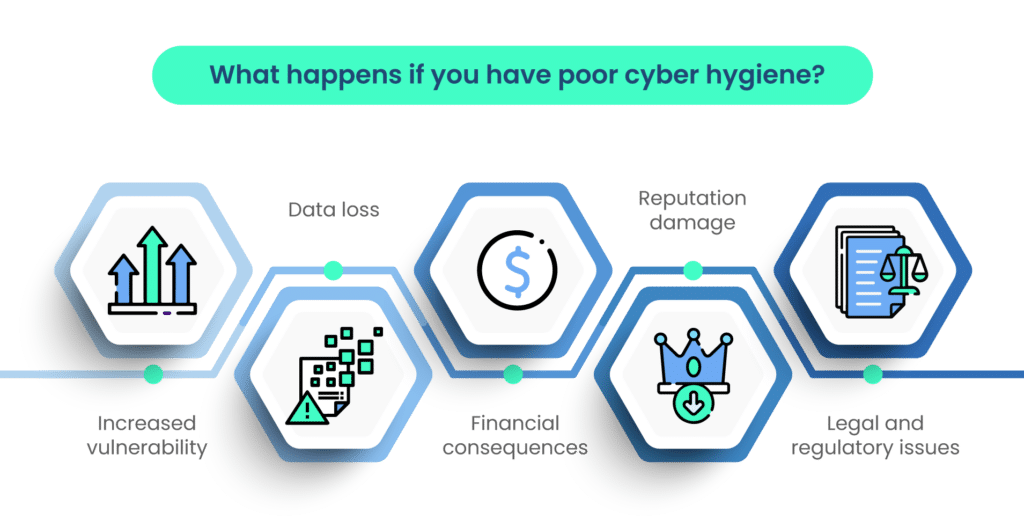
Any change in an organization’s setup, including onboarding and offboarding of employees, can create cyber vulnerabilities. Cyber hygiene is not just about having a strong password, it extends to many other areas as well.  

In the realm of onboarding and offboarding, security isn’t just a checkpoint; it’s a continuous journey. By embracing the comprehensive strategies discussed in this guide, organizations can not only integrate employees smoothly but also cultivate a security-first culture that permeates every aspect of their operations.

From the moment a new employee steps through the door to the graceful exit of a departing colleague, the principles of risk prevention and security consciousness guide the way. 

An effective onboarding process sets the stage for employees to become active participants in safeguarding sensitive information, while a meticulous offboarding process ensures that organizational security remains intact even after they’ve left.

By consistently fine-tuning these processes, adapting to emerging threats, and nurturing collaboration between departments, organizations can build a work environment that is not only secure but also cohesive and resilient. 
In this journey, the commitment to continuous improvement is your organization’s compass, steering you toward a future where the integration and departure of employees contribute to your overall security posture. Book a demo with Scrut to know more about the role it can play in the cyber risk scenario.

FAQs

1. Why is onboarding important for risk prevention?

Effective onboarding is crucial for risk prevention because it educates new employees about security protocols and policies from day one. By instilling security awareness and responsible data handling practices, onboarding contributes to a culture of vigilance and reduces the likelihood of security breaches.

2. How can technology enhance the onboarding and offboarding processes?

Technology plays a significant role in streamlining onboarding and offboarding processes. Human Resources Information Systems (HRIS) automate administrative tasks, access management tools ensure accurate permissions, and auditing tools help monitor compliance in real-time. Leveraging technology enhances efficiency and minimizes human errors.

3. What are the risks of inadequate offboarding procedures?

Inadequate offboarding procedures can lead to security vulnerabilities such as unauthorized access and data breaches. Former employees might retain access to sensitive information, creating potential risks for the organization. A well-structured offboarding process ensures a smooth exit while safeguarding sensitive data and preserving security.

4. How often should onboarding and offboarding processes be updated?

Onboarding and offboarding processes should be regularly reviewed and updated to align with evolving security threats and regulatory changes. As new risks emerge, organizations should adapt their processes to address these challenges effectively and ensure that employees receive the latest security training.

5. How can cross-departmental collaboration enhance onboarding and offboarding?

Collaboration between HR, IT, Security, and Management departments is essential for successful onboarding and offboarding. Open communication ensures that all aspects of security are addressed comprehensively, from verifying employee backgrounds to revoking access after departure. A united effort minimizes gaps and ensures a secure transition for employees.

6. What is the onboarding process?

Onboarding is the process of employing new employees in the organization or transferring the old employees to a new role. It often brings cybersecurity risks as the employee is put in a new environment.

7. How can an organization prevent privilege misuse?

Some of the most effective ways to prevent privilege misuse are user access reviews, least privilege methods, and regular audits.

8. What are some risks associated with onboarding and offboarding processes?

Some of the most common cybersecurity risks associated with onboarding and offboarding employees are data privacy violations, non-compliance with security policies, and regulatory violations.

Authored by

Aayush Ghosh Choudhary
Co-founder & CEO at Scrut

7 compliance trends to look out for in 2023

The password manager giant LastPass faced a data breach in August 2022, when an unknown threat actor gained access to its third-party cloud-based storage service containing the backup of the production data. 

The LastPass leadership came forward to admit the extent of this breach in December 2022 by confirming that the threat actors had access to both unencrypted data as well as fully-encrypted sensitive fields.

However, they warned that the threat actors might attempt to use brute force to guess the customers’ master password and decrypt the copies of the vault data they had stolen.

This breach is a classic example of how an increase in market size and diversification has led to the exposure of newer risks for organizations. Industries of all sizes and types now have to be on the lookout for vulnerabilities and monitor their cyber attack surface continuously to avoid losses.

Today’s world requires solid compliance functions to deal with the swift changes in the market. The authorities have also been introducing new regulations periodically, like the Personal Data Protection Law in Indonesia (PDPL) and Digital Personal Data Protection Bill in India. They are also introducing new revised versions of the old frameworks to widen the scope of protecting their citizens’ data privacy. For example, California Privacy Rights Act is an extension of the California Consumer Privacy Act. 

However, it is imperative that organizations not just follow these regulations but be mindful of the best practices they implement in order to strengthen their organization’s information security. That’s where infosec compliance comes into play. Infosec compliance is a regulatory or voluntary framework that helps organizations maintain data privacy.

In this article, we will discuss the seven infosec compliance trends organizations should watch out for in 2023 and why! 

Infosec compliance trends to watch out for in 2023s

The role of government or lawmakers in the infosec sector, entrusted with the responsibility of framing the laws, is to anticipate risks and build resilience to improve the citizens’ data security. The role of organizations, on the other hand, is to comply with the leading industry frameworks to secure customers’ data and protect themselves from financial and reputational damages. 

Every organization is susceptible to complying with different compliance frameworks based on various factors, like business operations, location, customer location, and inventories. A compliance workflow is a predefined flow of activities centered around compliance policies and government regulations. It ensures uniformity in the activities, security of the data, and greater visibility of the process and makes compliance audits much simpler.

IBM found that the average cost of data breaches for organizations with high levels of compliance failure reached $5.57 million vis-à-vis the mean cost of $4.35 million.

1. Automation of compliance procedures

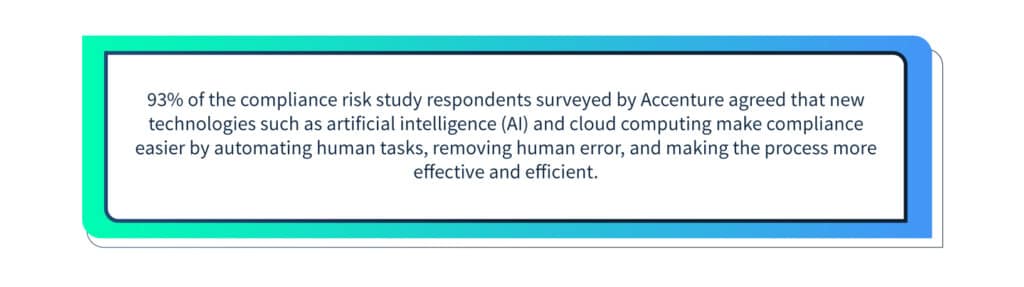
Automated compliance is used for performing and simplifying compliance procedures. The activities carried out manually by the employees can be carried out with technological advances, enabling organizations to automate compliance workflows. 

Compliance software is a tool to monitor an organization’s internal systems and controls to ensure that it adheres to the standards and requirements it falls under. 

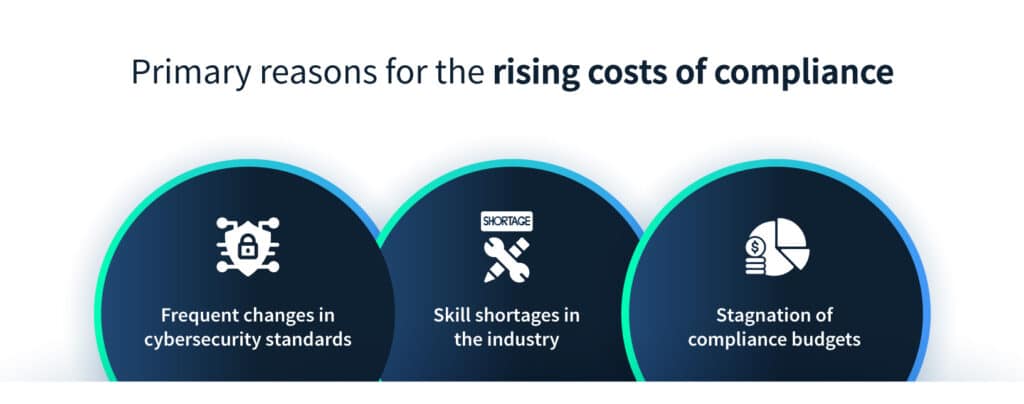
Accenture also found that 90% of the compliance leaders believed that there would be a 30% rise in the cost of compliance in near future. However, 72% of them didn’t foresee any changes in their allotted budget in the next couple of years. 

What are the primary reasons for the rising costs of compliance?

Increasing security risks plus the rising costs of a data breach mandates the IT managers to concentrate more on security procedures. The overall effect on the organization is stretched financial and human resources. Automation can carry out many administrative repetitive tasks leaving IT staff free for more human-oriented activities. 

Because the benefits of automation frequently outweigh the costs, it is evident that the world will see a greater shift toward automation in the future.

2. Securing the supply chain

Deloitte reported that an average of 57% of the organizations had a cybersecurity risk program to monitor and track the security posture of their partners and suppliers. 

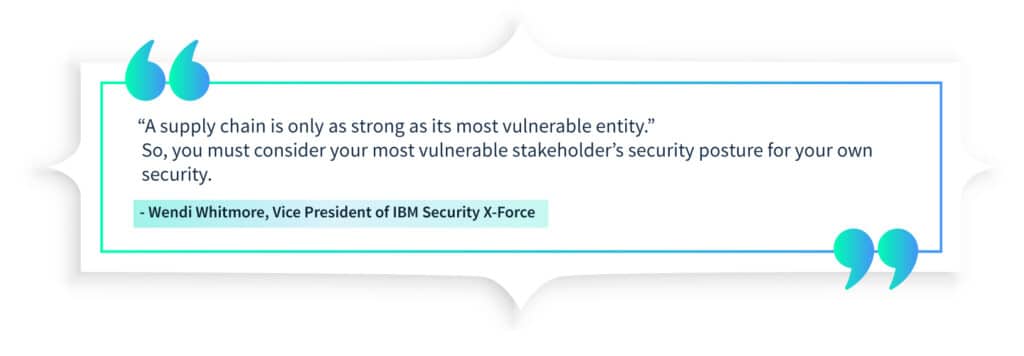
Organizations today have taken their business to a global level, thereby increasing the facets of supply chain management. While this helps expand the organization’s operations, the attack surface also increases massively. As the organization grows, it must ascertain whether its suppliers and partners are following appropriate cybersecurity hygiene. 

IBM’s Cost of Data Breach 2022 report  also found that 19% of the breaches resulted from supply chain attacks. Moreover, A supply chain breach took, on average, 26 days longer to identify and contain than the global average. These astonishing figures imply the importance of security and compliance in supply chain management.

These statistics reinstate that when you design your security and compliance processes with a premise of a certain breach, your defenses become stronger. 

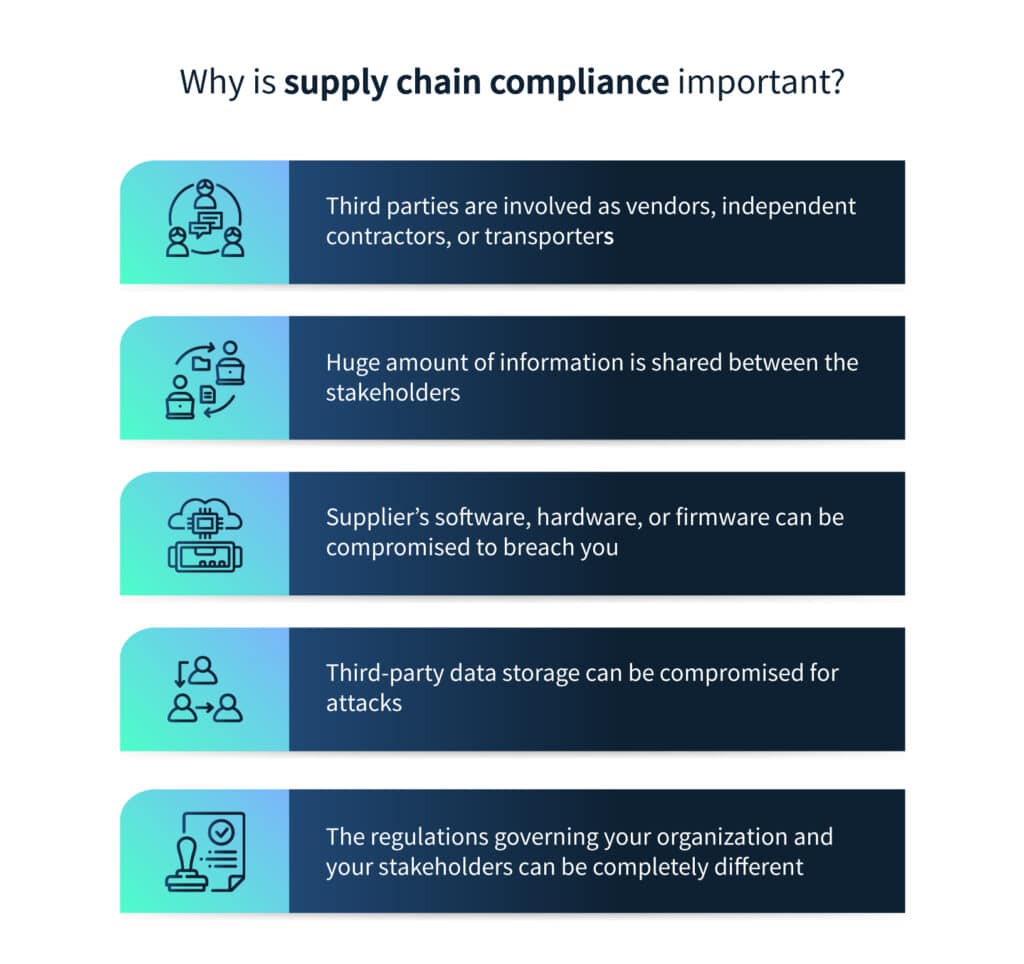
Why is supply chain compliance important?

Assessing and controlling the risk on this scale becomes a complex task, particularly if your suppliers are not on the same page as you regarding the importance of security, including risk monitoring, control implementation, and cloud monitoring.

3. Tightening the regulatory requirements

In December 2022, US President Biden signed the National Defence Authorization Act (NDAA). The highlight of the Act is the Federal Risk and Authorization Management Program (FedRAMP) Authorization Act, which formalizes cybersecurity certification that cloud service providers (CSPs) are required to obtain prior to working with the United States government. 

Additionally, the California Consumer Privacy Act (CCPA), which came into effect on January 1, 2020, is amended to become the California Privacy Rights Act (CPRA). Also called the CCPA 2.0, the CPRA is expected to become a potential model for other states, including Nevada and Maine.

Moreover, in addition to the US, other countries like India, New Zealand, Canada, Pakistan, and UAE have either updated or introduced new data protection laws.

As a business owner, you must be aware of the laws and regulations that affect you. You must be aware of the market you are working in and the location of your consumers. Awareness is the only way to remain relevant in the year to come.

4. The rising importance of risk management

Regulations and frameworks are regularly undergoing changes to keep the citizens’ data private despite increasing cyber threats and to stay relevant with the changing digital landscape. 

The National Institute of Standards and Technology Cybersecurity Framework (NIST CSF) was first issued in 2014 and aimed at critical infrastructure providers. This was Version 1.0. However, in 2018, Version 1.1 was announced and made publicly available. The latest version included changes in

  • guidance on how to perform self-assessments, 
  • additional detail on supply chain risk management, 
  • guidance on how to interact with supply chain stakeholders, and 
  • encourages a vulnerability disclosure process.

The American Institute of Certified Public Accountants (AICPA) first issued System and Organization Controls (SOC) 1, then issued SOC 2, and the latest one SOC 3. AICPA iterates on the importance of risk management in the compliance process of an organization. A typical audit today includes risk assessment, compliance management, and added verification at the discretion of the management.

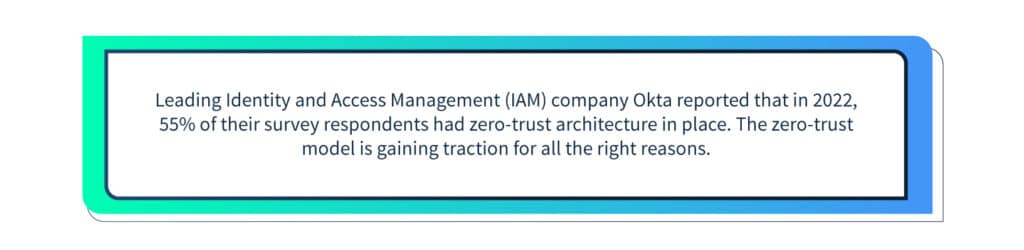
5. Zero-trust business architecture

The principle of least privilege has been a building block for almost all infosec frameworks. But as we shift to more modern tech stack across the world, a zero-trust architecture helps you comply with this mandate more effectively.

Zero-trust business architecture is based on providing information only to the people or resources who need it to perform their duties. It ensures that all the data assets are discovered and recorded. As the data flow visibility increases, breaching it will become more complex. 

In the unfortunate event of a breach, the organization can prove to its customers, regulators, auditors, and even courts that it has taken adequate steps to maintain data privacy. This model also enables organization to observe the movement of data and to identify and stop the breach sooner.

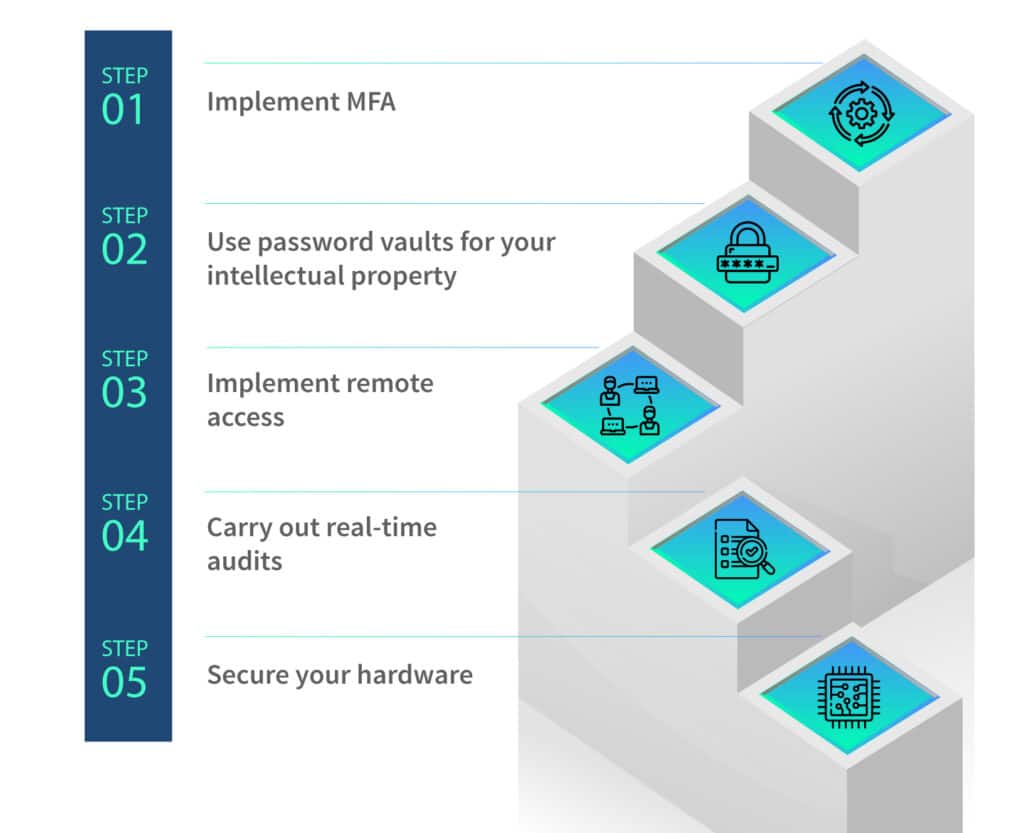
If you own a small or medium-sized business (SMB) and think that zero-trust architecture is not for you, think again. The following steps can simplify the zero-trust model for you:

  1. Implement multi-factor authentication (MFA) in every account, whether it is an internal employee or an external contractor. MFA helps you reduce the chances of unauthorized data access.
  2. If you have highly sensitive data like patents, designs, or formulas to protect, you must use digital lockers, known as password vaults. These vaults can protect intellectual property (IP) by providing passwords to authorized people only after thorough identification.
  3. Implement secure remote access to ensure that no unauthorized person can access your systems. By segregating the data according to the level of security required, you can restrict its access to limited audiences.
  4. Real-time audits should be conducted to verify whether all relevant checks are in place. If you observe an employee accessing the data above their security clearance level, you must take concrete steps to resolve the issue.
  5. Hardware security is an integral part of the zero-trust architecture and must not be compromised. The stakeholders must be able to log in from their official devices only. The use of open networks must be strictly discouraged. Sharing passwords and data among employees might result in a serious cybersecurity flaw. Therefore, employees should be trained to follow the rules.

6. Compliance training programs

IBM identified that there are two most common reasons why organizations fall prey to data breaches, and these are technology failure and human error. IT failures like loss of data due to failure in an organization’s computer systems were responsible for 24% of the data breaches while 21% of the breaches were caused by a negligent employee or a contractor. Effective employee training can reduce the data breach cost by $247,758.

In order to reduce security risks, an organization must train and re-train its employees. You must remember how crucial it is to explain to your employees the cost of ignoring the compliance processes. As the organization grows, training tends to become less and less manageable. However, Scrut Automation can help you train your employees the way you want. 

You can select a program of your choice and track your employees’ progress. Our employee training program helps organizations reduce manual effort by using pre-recorded training sessions, sending automated email reminders, and tracking the progress of your employees through a single-window platform.

7. Governance, Risk, and Compliance (GRC) partners

36% of the respondents in the Accenture survey claim that a lack of sufficient organizational stature in compliance structure poses a serious impediment to strengthening compliance. 

New privacy laws are being introduced regularly to improve citizens’ data privacy making it difficult for organizations to keep up with the regulations while carrying on their operations.

The result – chaos in compliance.

An obvious answer to the problem would be hiring an outside agency to help you with governance, risk, and compliance processes. Organizations must secure their information systems and protect customers’ personally identifiable information (PII). A breach can result in penalties that might become too high for the organization to bear. 

A reliable GRC provider can reduce your workload so that you can concentrate on activities that maximize profits without compromising on the quality of security processes you implement in your organization. A true balance is needed between achieving compliance certification with control monitoring and the growth of the business. 

Conclusion

Compliance is no longer a distant reality in 2023, every organization with the right knowledge, tools, and time can achieve it. However, compliance in itself will not provide overall security, it is simply a by-product of security. There are several practices, including continuous cloud monitoring and risk management, that need to be followed for a protected infrastructure, and partnering with a compliance automation platform like Scrut might just be the right choice. 

Conquering the compliance challenge can be simpler and faster with a partner like Srcrut. Book a demo with our experts to learn more about how Scrut can assist you in being compliant with different regulations in 2023. 

FAQ:

What are the top challenges in compliance?

The top three compliance challenges organizations face while pursuing compliance with industry frameworks are a lack of knowledge about compliance procedures, shortage of talent in the world, markets, and high compliance costs.

What are the critical risk areas for enterprise cybersecurity?

According to CrowdStrike, the three most critical areas for enterprise cybersecurity are
1. Endpoints and cloud workloads – As per the IBM report, 17% of the breaches had cloud misconfiguration as an initial vector.
2. Identity – Initial vector for 19% of the breaches was compromised credentials.
3. Data – The average total cost of a data breach is $4.35 million.

What are the top cybersecurity threat predictions for 2023?

Forbes predicted that phishing, malware, and supply chain or threat party threats would be the top cybersecurity threats to protect your organization from in 2023. With an expansive and attractive attack surface comes a high risk of data breaches, making continuous monitoring a necessity for organizations.

Authored by

Aayush Ghosh Choudhary
Co-founder & CEO at Scrut

How to establish a company-wide infosec policy?

According to the 2022: Hackers Powered Security Report, 92% of hackers say they can find vulnerabilities that scanners cannot. In 2022 alone, hackers found 65,000 vulnerabilities that might be used to steal information from organizations worldwide. This only reiterates how organizations need to work on their information security posture. Every organization requires a company-wide security policy that will protect its data and other information assets. 

Establishing an infosec policy throughout the organization is not an easy ask, but it is certainly the need of the hour. If you want to form your infosec policy or review what you have missed to include in your policy, you are in the right place. In this article, we will discuss the components as well as the purpose of establishing a company-wide information security policy, along with a step-by-step guide on how to implement it. 

What is information security policy?

Information security, also called infosec for convenience, is a sum-total of the actions taken to protect digital or physical information as well as prevent unauthorized disclosure, disruption, access, use, and modification of an organization’s data. It also contains detail on how to mitigate information risks. 

This information includes, but is not limited to, the following:

  • Personally identifiable information (PII) of stakeholders, including customers, suppliers, and investors
  • Intellectual property (IP)
  • Internal or external communication
  • Financial information

However, let us first clarify the difference between infosec policy and infosec procedure. Infosec policy is the policy designed to protect the organization’s data assets, while procedures are the actions recommended to follow the policy. On the other hand, infosec tools are the software, hardware, and applications used to protect information.

What is the purpose of infosec policy?

Every organization has its own infosec policy, created after keeping in mind the data the organization stores, the size of the organization, etc. 

But the important question is why an organization requires an infosec policy. Let’s discuss some of the purposes a robust infosec policy fulfills:

Information security

Infosec policy provides a framework for the organization to protect its information from unauthorized access and security threats. It describes all the aspects of security controls, including access control, encryption requirements, and data handling processes to ensure the security of information.

Risk management

Information security policy helps the organization minimize the risk associated with data processing. It describes the policies and procedures to deal with risk assessment, detection, mitigation, and incident response. Therefore, the employees are aware of what is expected of them in every situation. Documentation of the policy helps in the detection of vulnerabilities and mitigation of risk rather quickly. It also helps in minimizing the effects of a security incident.

Compliance 

With the help of an infosec policy, the organization can ensure compliance procedures throughout the organization. Compliance regulations and frameworks like HIPAA, GDPR, SOX, and FISMA have specific expectations regarding data security, access control, and data breach. A well-formed infosec policy helps you meet compliance requirements.

Employee awareness

An infosec policy can help employees know what is expected from them on a day-to-day basis with regard to data protection. Access control helps the organization in limiting data sharing on a need-to-know basis. The employees are also aware that only the information they need to perform their duties will be shared with them. Moreover, the infosec policy also mentions the actions to be taken against the employees if the policy is not followed. Thus, they will behave accordingly. 

Organization’s reputation

Infosec policy provides the stakeholders the assurance that the organization takes the security of their data seriously and is doing everything possible to protect it. The policy has guidelines for every type of situation, including security incidents, data backup, and recovery. Therefore, if the organization is breached, the organization doesn’t waste time deciding what to do but follows the policy instantly. 

What are the components of infosec policy?

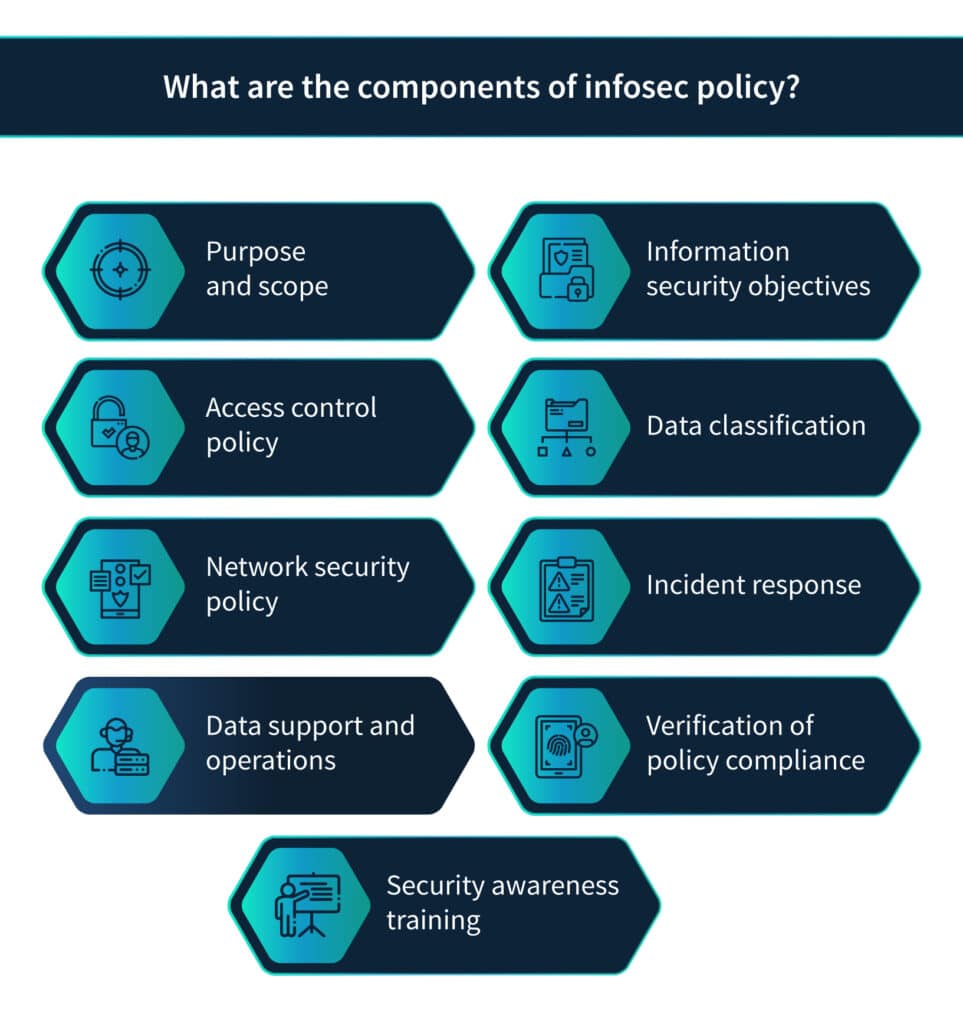
There are nine components of infosec policy:

What are the components of infosec policy?

Purpose and scope

As we discussed in the previous section, the purpose of infosec policy is different for every organization. However, the organization should mention its goals at the very beginning of the policy. 

Following this purpose, the scope of the document must be shared as well. Scope refers to the parties it applies to as well as the department it doesn’t cover. 

For example, if an organization has two divisions – manufacturing and research & development (R&D), the infosec policies for both departments might be different. Hence, the policy of the manufacturing department should mention that the employees of the R&D division are not included in the scope and vice versa.

Information security objectives

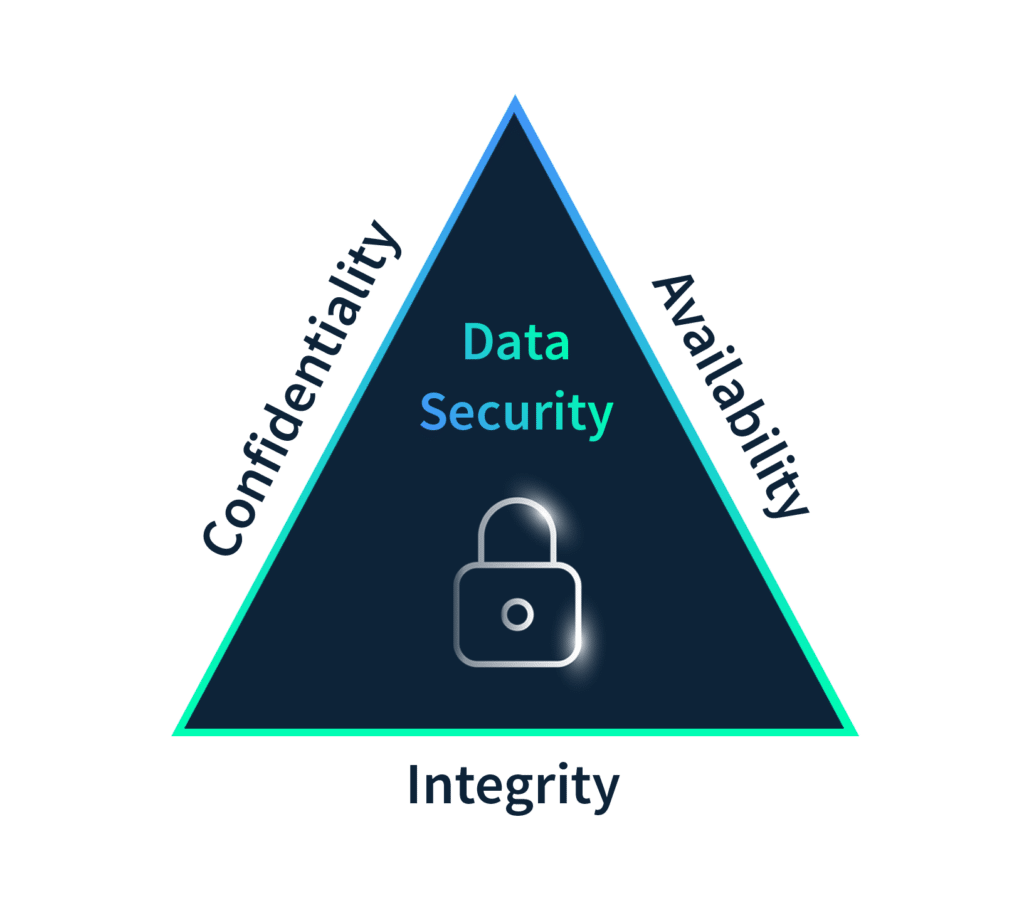
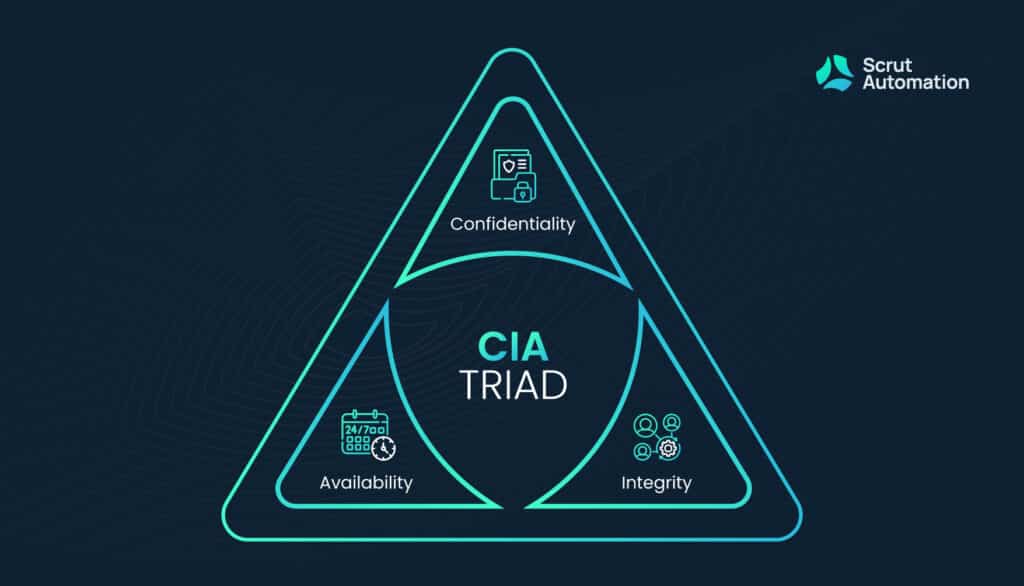
Information security policy must state its objectives clearly. Information security focuses on the well-known CIA triad as described below

  • Confidentiality: The information should remain confidential unless an individual needs it to perform their duties. For example, a product manager does not need to disclose their data to a security guard. 

This principle applies even if we are talking about loyal employees who have been in service for years. The reason is humans are susceptible to errors and might give out the information inappropriately to others. Did you know Verizon found that 82% of the breaches involved the human element? Hence, maintaining confidentiality is paramount in the infosec policy.

  • Integrity: Integrity means that the data should not have been tampered with in any manner. It should be complete, intact, and accurate. A person accessing the data should be able to rely on it.

For example, if a doctor has recommended some tests and the laboratory gives back only a part of those tests or changes the data on the test results, the patient’s life might be at risk. The same applies to all kinds of data. 

  • Availability: The data should be available when an authorized person needs it. If the data is not available on time, it loses its validity. 

For instance, if a CEO makes a strategic decision without real-time data, the decision might ricochet. 

Access control policy

Access control policy restricts data access to unauthorized users. But who will decide who is authorized and who is not? The organization’s management can decide on someone with authority to decide the access. 

However, organizations often must follow the rules and regulations set up by the government and other authorities, like GDPR, CRPA, or HIPAA. The organizations can only share information that they are allowed to share; otherwise, they might face penalties and fines.

In addition to this, some organizations, such as suppliers or customers, are contractually obligated to keep the information private. 

Network security policy

The network security policy is the policy to access the networks and servers of the company. It also includes a password policy, authentication policy, multi-factor authentication, biometrics, or ID cards. 

For instance, the company can direct the employees to reset their passwords quarterly or allows a limited number of employees to access the servers.

Data classification

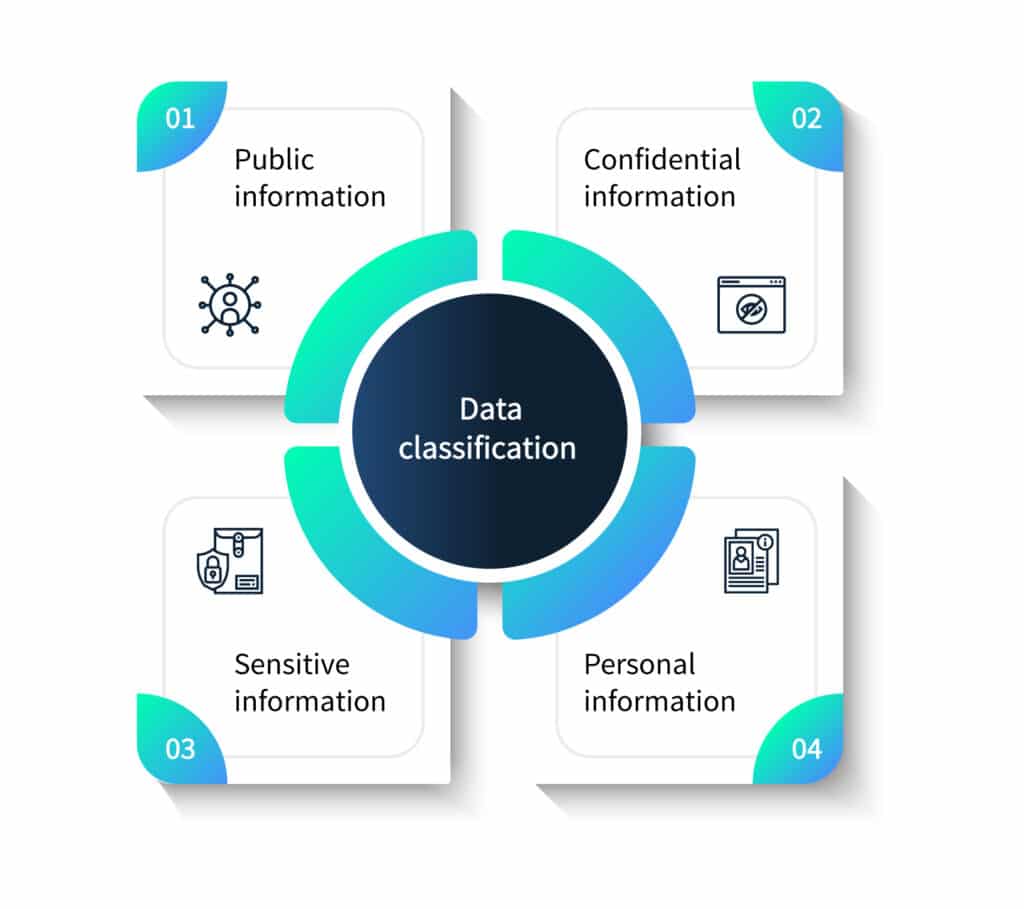
Every organization must have specific guidelines to classify the data, called data stewardship. Access must be given on a need-to-know basis. Meaning if you do not need it, you do not get access to information. Generally, data is classified into four categories for granting access. 

  • Public information: This type of information is accessible to the general public. Sometimes such information is recommended by the government to be disclosed to the public. For example, public companies must disclose their financial information to the general public.
  • Confidential information: Access to confidential data is restricted to a very limited number of people. There might be legal restrictions about sharing confidential information too. For instance, HIPAA in the US bans sharing patients’ health information.
  • Sensitive information: Sensitive information is highly sensitive information that might prove harmful to the organization or its stakeholders if it were leaked. This information might even prove harmful to the state or country.
  • Personal information: Personally identifiable information (PII) is information that can reveal the identity of the person it belongs to. This is why PII cannot be shared with anyone not legally authorized.

Data support and operations

This component of data security describes how the data should be stored and transferred. 

  • Data protection: Inherently, all data should be treated as confidential and protected. However, PII and other sensitive data must be protected by implementing stricter policies. Data-at-rest refers to the data that is stored – temporarily or permanently – on a drive or a cloud. This data should be encrypted to protect it from unauthorized access.
  • Data movement: When data is transferred from one node to another, it is called data in motion. Data in motion must be secured using SSL/TLS certificates to protect it from cyber attacks, including man-in-the-middle attacks. An organization must restrict the use of open, public networks for accessing data.
  • Data backup: Infosec policy must include the process of taking backups of all the data. The backup should be stored in a different location from the main data to secure it from physical damage such as fire or flooding. Backups must not be stored on the same device and network. As a result, if there is a ransomware attack and the organization is unable to access its data, it can use the backup. 

Security awareness training

If your employees do not follow the infosec policies, your information is not safe at all. The infosec policy must be communicated to all employees regardless of their posts. Secondly, they must be trained to follow hygienic practices to access data. 

They should be made aware of social engineering techniques frequently used by the actors in order to protect the organization’s data. They must also be educated on what a cyber attack looks like.

The employees who handle sensitive information must be trained over and above the regular employees. 

All employees must follow the clean desk policy. Meaning no papers should be left on the desk at the end of the working day. Laptops must be locked in, and computers shut properly.

An organization can blocklist websites that are known for phishing, including porn and gambling sites. No employee should be able to access these websites. 

Also, the employees must be held accountable for their actions. They must be penalized if they do not follow the infosec policy set up by the organization.

Incident response

The infosec policy of the organization should clearly mention the steps to be taken in case of a breach. The initial response plan should be in place and communicated to all employees. They should know who to contact if they find an intruder in their system. 

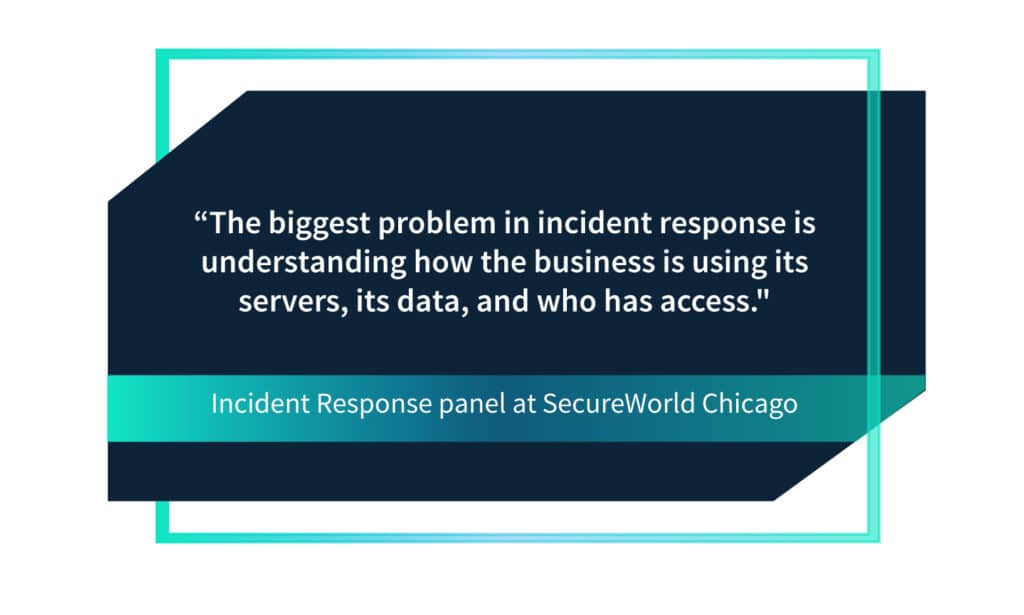
Incident Response panel at SecureWorld Chicago

Verification of policy compliance

In this section, an organization should mention the tests and procedures to verify whether the policy is followed throughout the organization. Some examples of verification are penetration testing, assessments, and exercises.

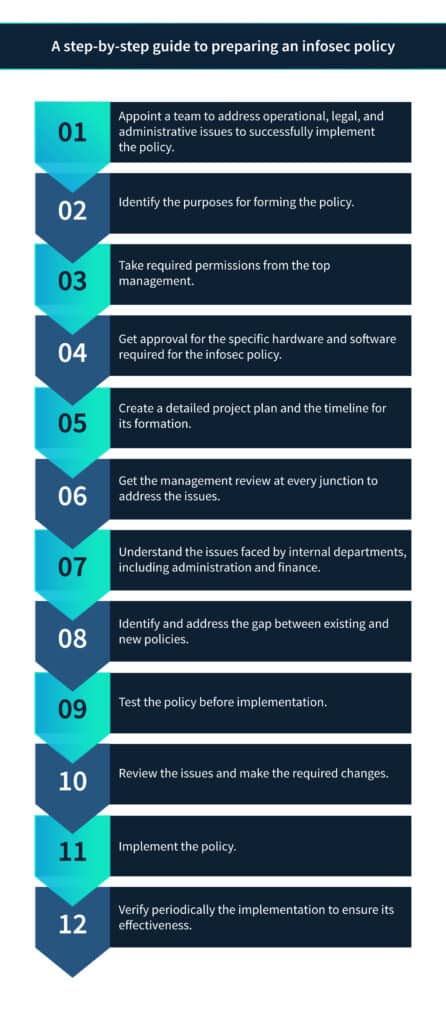
A step-by-step guide to preparing an infosec policy

To sum up

A policy formed by an organization to protect the information it generates, collects, and transfers are called the information security policy, also called the infosec policy. We saw the benefits of the infosec policy and how to form a robust policy. However, every organization’s requirement is different; therefore, you are the best judge of what you should include in your infosec policy.

Employee awareness training is one of the most important aspects of the infosec policy of an organization. Scrut can help you in training your employees through different programs. You can also keep an eye on how they are performing via an automated dashboard.

FAQs

What is information security or infosec?

Information security or infosec refers to the protection of information generated, collected, processed, or transmitted by an organization from unauthorized access. Every organization has a tailor-made information security policy to protect its physical and digital information.

Which type of information is included in the infosec policy?

The infosec policy refers to the protection of both – physical and digital – information from unauthorized access. The information that is stored on papers and diaries is called physical information, while the information stored on a cloud or the internet is called digital information.

What are the different types of data?

Data can be divided into four categories depending on its relevance:
1. Public data 
2. Confidential data
3. Sensitive data
4. Personal data

Authored by

Aayush Ghosh Choudhary
Co-founder & CEO at Scrut

7 best practices to follow to avoid a data breach

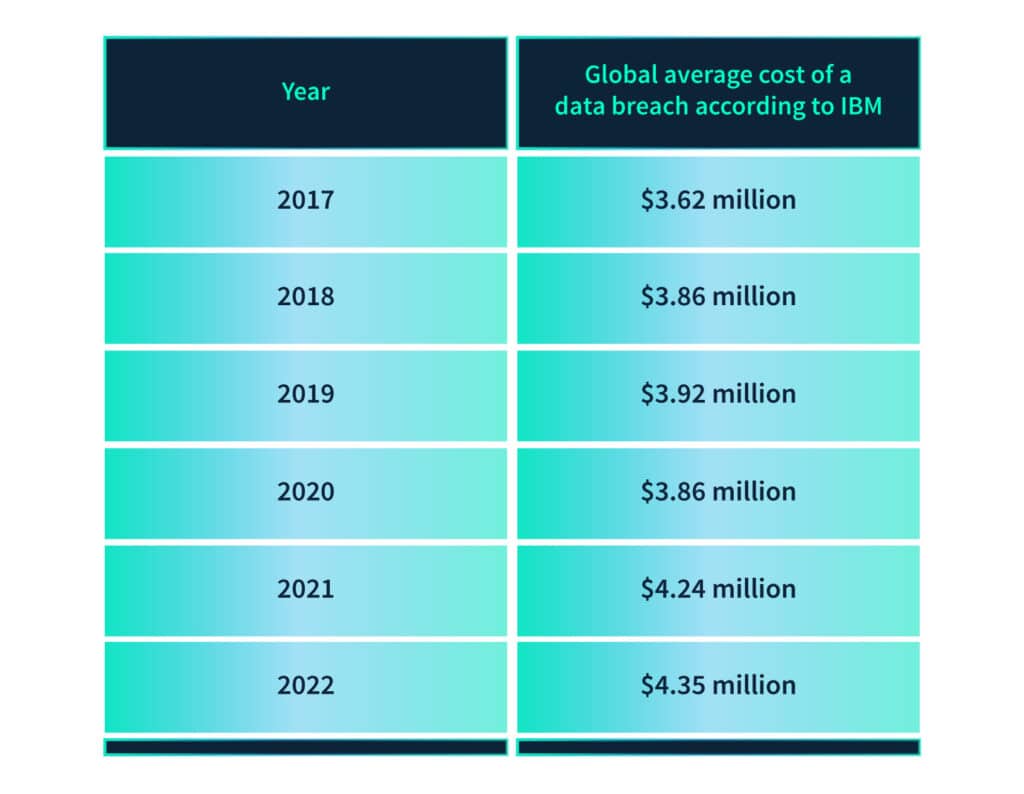
IBM reported that the cost of a data breach reached $4.35 million in the year 2022. Moreover, on average, it took 277 days to identify and contain the breach. 83% of the surveyed organizations reported that they were breached more than once. 

Data breaches can be costly and take a toll on the reputation and profitability of the organization. Therefore, they must be avoided at all costs. So, let us learn about seven best practices to follow to avoid a data breach.

What is a data breach?

A data breach is an incident where cybercriminals access the data/information in an unauthorized manner to use it for malicious purposes. A data breach can cost an organization money, time, effort, and even reputation. Customers lose trust if the organization they are dealing with falls victim to a data breach.

The following chart shows the rising cost of data breaches over the years. 

Best practices to follow to avoid a data breach

Cybersecurity policies and compliances do not guarantee that your organization will not be breached. Every organization must be well prepared for data breaches. As they say, “Hope for the best, prepare for the worst.” Here are some of the steps you can take to avoid a data breach.

Perform risk assessment

Risk assessment in information security refers to the steps taken to identify, detect, analyze, and evaluate the risks that your organization faces. You must know your strengths and weaknesses for a thorough risk assessment. 

Risks come in different forms; for example, if you know that your employees are susceptible to clicking on phishing links or there are a number of disgruntled employees who might use a chance to get back at you. If you are taking over a company, it might come with its own risks. Therefore, risk assessment is a step you cannot miss.

Implement a robust incident response plan

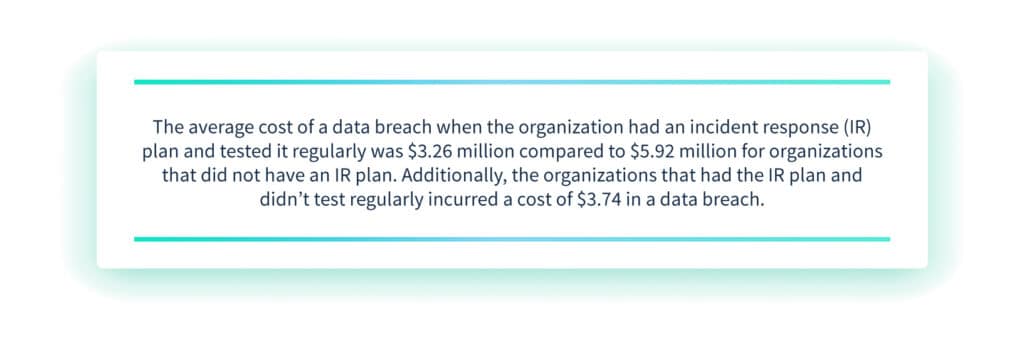
IBM also reported that 23% of the organizations still lacked an incident response plan. Only 63% of the organizations that had a plan tested it periodically.

The above chart clearly depicts that having an incident response plan and testing it regularly can lower the cost of a data breach.

An incident response plan is a process that is designed to follow when your organization’s systems are breached. Every organization must have a solid incident response plan in place from the very beginning. This plan should be verified periodically to ensure that it is up to date. It should be communicated to all employees to ensure that they follow the steps addressed in the plan.

Some of the information to be included in the incident response plan are:

  • Procedures to be observed by the first person to observe the incident
  • Procedures to be followed by the damage assessment team (DAT)
  • Reporting policies to the regional incident manager and the threat assessment center
  • Activation of emergency operations center (EOC)

Strengthen threat intelligence

Threat intelligence refers to an organization’s efforts to identify and detect potential threats to its information systems. Cybercriminals are always on the lookout for vulnerabilities in popular software that they can exploit. Once they discover this vulnerability, they will fashion different ways to exploit it. 

Before the software developer knows, the criminals reach the users of the software and steal their information. As soon as the developer realize their vulnerabilities, they start working on developing and then releasing patches to cover those vulnerabilities. These types of attacks are called zero-day attacks; for instance,

  • CISA warned of Windows and iOS bugs exploited as zero-day 
  • Microsoft patched 77 flaws exploited as zero-day in February 2023
  • Apple fixed a new Web-kit zero-day exploited to hack iPhones and Mac

An organization must watch out for the threats in the industry to protect itself better. It’s critical for cybersecurity that the organization stays on top of the security news and updates its software as soon as the developer releases the patches.

Instead of being reactive, you must be proactive and stay in touch with your security consultant, who can guide you to stay at the top of your game.

Conduct regular training and simulation

According to Hornet Security’s data, 1 in 3 organizations (33%) do not provide any cybersecurity training to its remote employees despite 74% of them having access to critical information. IBM reported that employee training could save $247,758 in case of a data breach. Despite huge savings, a third of companies refrained from training their employees.

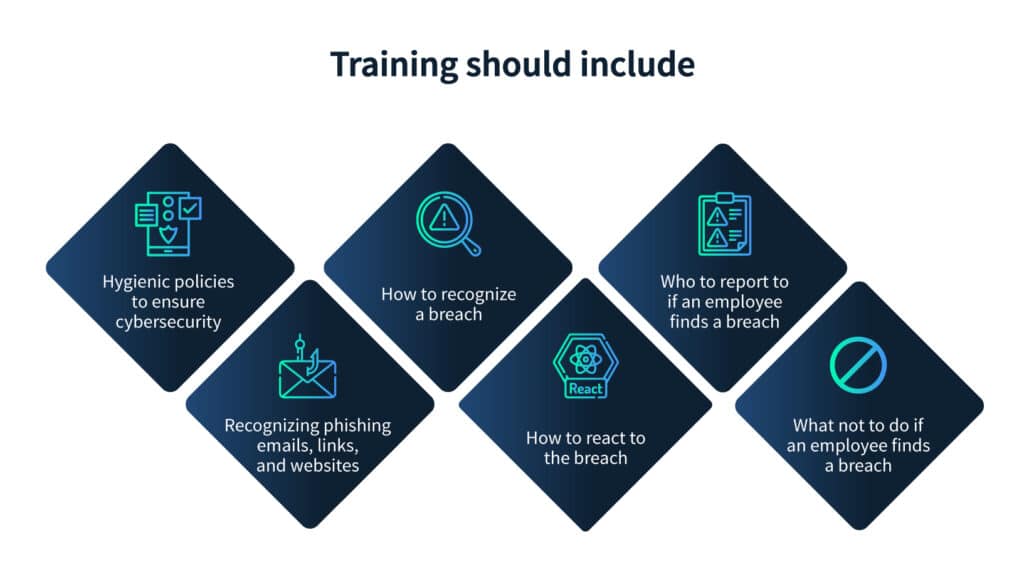
Training should include

Carry out detection and analysis

Extended detection and response (XDR) is a threat detection technique that correlates data over multiple platforms, including email, endpoints, server, network, and cloud workloads. Organizations with robust XDR can save 29 days in the detection and containment of a data breach (IBM). IBM also reported that organizations with XDR technologies saved $190,622 in the cost of a data breach. However,  XDR techniques are applied by only 44% of organizations.

Some of the ways of detecting a data breach are as follows:

  • Newly installed programs
  • Strange traffic on the network
  • Failure to log in with authentic username and passwords
  • Unusual data access
  • Unusual outbound traffic
  • Log tampering 

When you detect an intruder earlier in the breach, you can prevent them from accessing a larger amount of data.

The analysis involves verifying how much organization information is stolen by the breach and which databases are affected. As soon as you realize there is a breach, your IT department, together with your security partners, must identify the affected areas and quarantine them to stop the spread of the attack.

Bring in the experts

When you face a data breach, your IT department might not be sufficient to reverse engineer the attack and rebuild the organization’s systems. You can bring in cybersecurity partners that can help you respond to the breach systematically and on time. It can give the organization a bird’s eye view of the situation and help reduce downtime.

An organization that is hacked needs to inform its stakeholders and regulatory bodies as soon as they know the extent of the damage done. If your IT department has some help, they can carry out the procedures effectively. To prepare for emergencies like a data breach, an organization must have a clear plan of who to involve and when.

Prepare a containment and eradication plan

The containment and eradication plan is dependent on the analytics provided by security experts. Containment refers to stopping the spread of cyber attacks on the assets not yet affected. After limiting the cyber attack’s impact, the security experts move towards eradication. Eradication is the process of removing any traces of attackers from the organization’s networks. 

The next step is to identify the vulnerabilities in the organization’s systems and patch them to avoid another attack. It is after the security experts are certain that the attackers are not in the system and the vulnerabilities are sealed off that they begin the process of recovery, where they retake control of compromised assets. 

Final thoughts

Although an organization’s efforts should be aligned with security, preparing for the worst situation can make the response attempts more effective. We saw seven best practices to follow in preparation for a data breach. If an organization is prepared to fight unfavorable circumstances, the loss of time and money can be minimized.

A data breach can not only ruin your reputation but also slow down your progress. You might lose business opportunities and customers. Therefore, it is imperative that you prevent data breaches with all your might. To learn more about how Scrut can help you, click here.

FAQs

What is an incident report plan?

An incident report plan is designed to list the policies and procedures to be followed in case there is a security incident in the organization.

What are the steps to follow to prepare for a data breach?

The following steps should be followed to prepare for a data breach:
1. Risk assessment
2. Incident response plan
3. Threat intelligence
4. Training and simulation
5. Detection and analysis
6. Bring in the experts
7. Containment and eradication

What is threat intelligence?

Threat intelligence is collecting, analyzing, and processing knowledge and information about the threats that can affect the organization.

Authored by

Aayush Ghosh Choudhary
Co-founder & CEO at Scrut

Ultimate Comprehensive Guide: How do Security and Compliance differ?

It is a common misconception that security and compliance are the same thing, and they are often used interchangeably. For the uninitiated, being compliant may equate to being secure and vice versa. But this is far from accurate. If you look closely, they are as similar as fraternal twins.

Both compliance and security are integral when it comes to the safety of a company. However, compliance, very often, fulfills only the bare minimum of security requirements in order to get a seal of approval from regulatory bodies, while security actively prevents, monitors, and resolves threats against a company. 

Though a compliant company is secure on paper, this may not be true in reality. For example, Uber, which is ISO 27001 and PCI DSS 3.2 compliant, fell victim to a data breach in December 2022 that led to the leak of source code, IT asset management reports, and other corporate information. 

Most companies do their best to stay compliant in a bid to not only pass security compliance standards but to also be secure. Unfortunately, simply being compliant does not equate to being secure. Very often, when a company focuses too much on compliance, its ability to allocate time and resources to data security is compromised. 

Let’s explore in detail how compliance and security differ and why security scores higher in the need hierarchy of a company’s safety.

What is compliance?

What is compliance?

Compliance refers to the state achieved by a company when it adheres to the security standards set by an industry or regulatory body. These standards are set with the intention to keep a company secure and reliable. They seek to protect not only the company but the customers, investors, and third-party vendors who interact with it.

Being compliant is a constant effort, but it is well worth it since a non-compliant company is a walking red flag. Customers, investors, and vendors will be wary of associating with any company that is not compliant. 

Both government and non-government bodies dictate compliance standards. There are compliance frameworks that impose mandatory standards and others that can be opted for by a company to ensure that it is in line with the best industry practices.

For instance, Health Insurance Portability and Accountability Act (HIPAA) is a mandatory compliance framework that healthcare companies have to adhere to, while Service Organization Control Type 2 (SOC2) is a framework companies can choose to follow if they need guidance to deal with data securely.

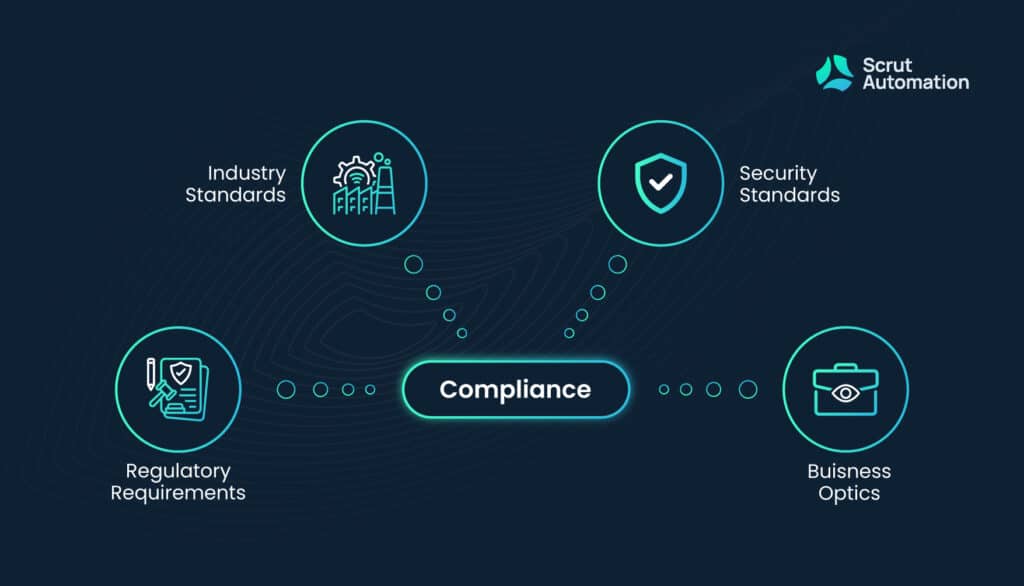
Compliance is a comprehensive process that takes into account regulatory standards, industry practices, security standards, and business optics.

What is security?

What is security?

Security refers to the processes, tools, and frameworks that a company has in place in order to protect its assets from being accessed, modified, stolen, damaged, or leaked by unauthorized elements. The gamut of security is extensive, and it employs various tools, controls, and practices to optimize safety.

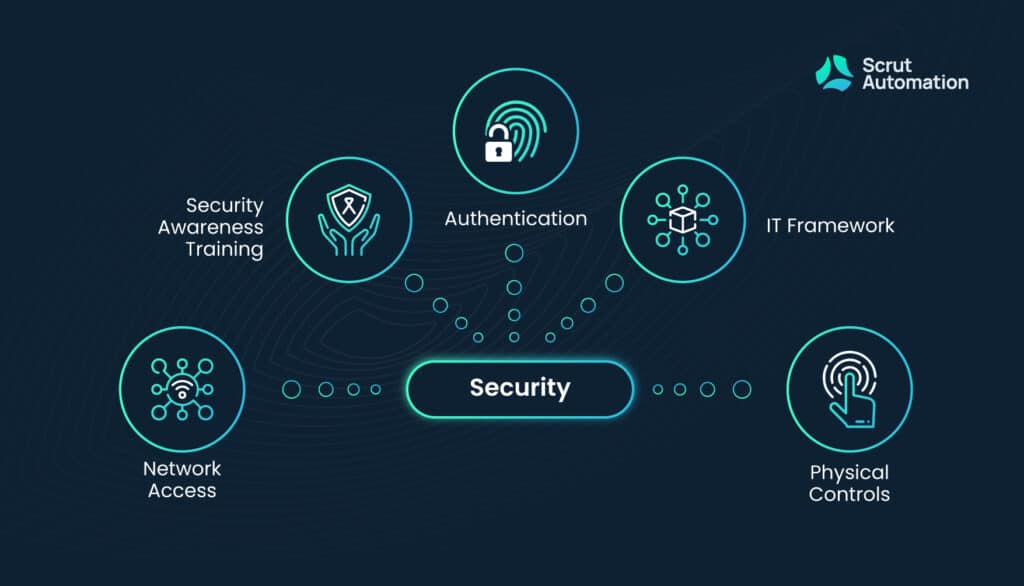
Security is ensured by overseeing the following processes, controls, and components.

IT framework

The IT framework of an organization includes all the elements of a computer network. This covers both hardware and software, operating systems, internet connections, servers, and data cloud storage. Antivirus and antimalware software can help secure the IT infrastructure of a company. 

Network access

Security ensures that access to a company’s data and assets is restricted only to authorized users. It does this by implementing security practices such as the use of firewalls and identity access management tools that deny access to unwanted elements.

Authentication

Authentication is an important part of a company’s defense system. Authentication methods help verify the identity of users and ensure that only authorized personnel are able to access information that pertains to them. Two-factor authentication and multifactor authentication are some of the effective ways that help verify user identity.

Security awareness training

It is not uncommon for data breaches to be caused by the errors of employees. This is why it is important for the security team to educate all employees in a company about the best security practices so as to avoid any leeway for security breaches.

Physical controls

Physical controls are just as important as technical and administrative measures. Everything from identity cards to fingerprint scanners helps in keeping a company’s assets safe from security threats.

Exploring the differences between security & compliance

Both cyber security compliance and IT security are responsible for protecting an organization’s data. How they do it, why they do it, and the results of their efforts differ among other factors. Here is a look at how compliance and security differ.

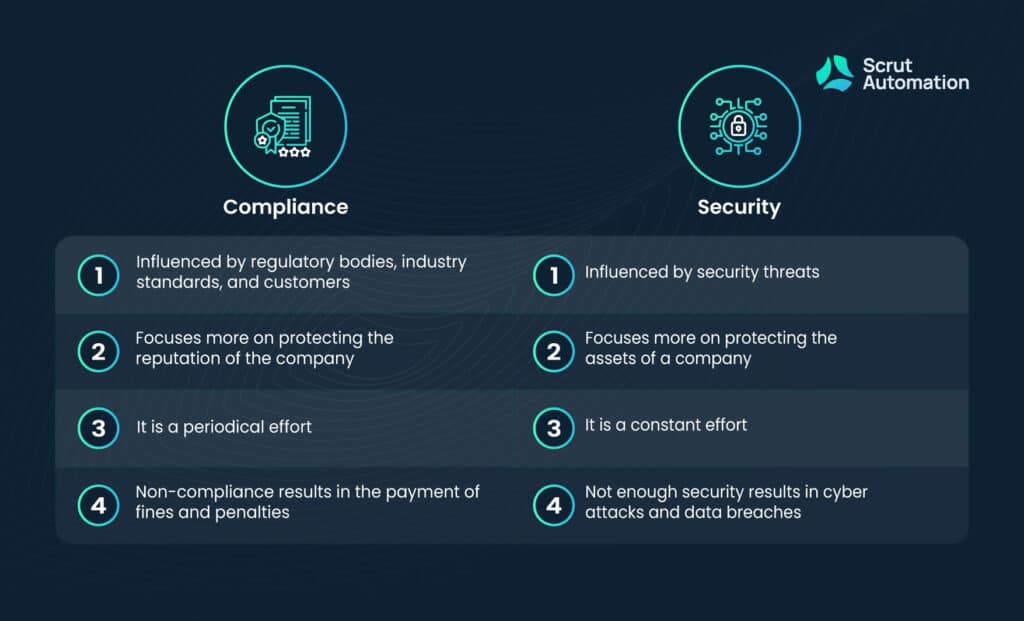
Compliance vs. Security: A Quick Glance

Compliance vs. Security: A Quick Glance

They are confronted by different forces

Regulatory bodies, industry standards, and customers dictate the steps a company has to follow in order to be seen as compliant. The security of a company is reviewed during compliance audits. These audits allow dialogue between the company and the reviewers. 

For instance, PCI DSS, which is a compliance framework for financial organizations, mandates compliance cyber security awareness training for all employees, and it expects all employees to acknowledge in writing that they have completed the training. If one or two employees do not do this for whatever reason, the company has the ability to explain why to the auditors and negotiate a positive outcome.

This is not possible when it comes to security, which faces off against faceless entities that lurk around, ready to attack at any time. Cybercriminals or threat actors are ruthless adversaries whose only goal is to find vulnerabilities in a security system, attack it, and get away with as much as they can. While compliance deals with white-collar agents, security has to battle cyber ninjas who appear without warning.

They have different goals 

The main aim of compliance is to build trust and confidence with customers, stakeholders, and partners by exemplifying a commitment to security and privacy. 

The objective of information security is to prevent unauthorized access, use, disclosure, modification, or destruction of sensitive information. It seeks to prevent cyber attacks, reduce their impact, and resolve them. It also carries out damage control after the occurrence of security incidents by restoring affected assets.

They differ in urgency

Frequent audits may be held which leads to compliance being a constant effort. However, no matter how frequent the audits are, companies are still given time, however short, to gather and produce evidence of compliance. Meeting compliance is a periodical effort. There is no surprise element to them.

Security, on the other hand, is always on its toes. Since security threats do not announce their arrival and are constantly on the prowl, the need for security is always pressing.

They have different approaches 

Compliance tends to be a reactive process. Companies are given specific standards to follow within a set time. They follow the prescribed security protocol and fulfill the given requirements. There is not much intuition or innovation when it comes to achieving compliance. 

Security adopts a dynamic approach. For a company to be secure, it has to adopt a proactive security posture that is constantly evolving to face any security threat that may arise. Security has to constantly stay on top of advancing technology and threats in order to avert security crises.

They are influenced by different factors

Companies are slotted under different categories, each of which has a different set of standards to adhere to. Fulfilling these requirements is what influences the process of compliance.

Security is influenced by the smallest change in an organization’s operation, its technology, or its employees’ activities. Every variation is a call to action in a company with a good security posture.

Security goes deeper

Though compliance is meant to ensure the security of a company, certain companies tend to approach it with a more superficial attitude. They treat compliance as a way save face and look good on paper. They tick boxes of compliance standards just to gain the trust of their customers and the approval of regulatory bodies. This detracts from taking care of urgent security needs. 

A company that focuses on security makes safety its priority. It goes deeper when it comes to security and focuses on predicting, analyzing, and tackling security risks by constantly updating its technology and processes to protect the company in real-time. 

Effects of poor implementation 

When a company does not follow compliance standards to a tee, it is forced to pay fines and penalties. It also becomes vulnerable to security risks.

A company with a bad security posture is constantly at risk of cyber attacks, data breaches, and other security threats. Cyber attacks can lead to companies shutting down for several hours or longer, leading to a loss of revenue. They lead to the loss of data and corruption of devices. A company that faces a data breach also loses the trust of its customers, and its reputation takes a hit.

Why a compliance-first approach is detrimental to a company’s safety

It is not unusual for companies to adopt a compliance-first approach, and they cannot be blamed for doing so. Compliance is often advertised as the ultimate solution for all security needs. It is a well-defined framework that provides actionable steps, which on completion gives companies the perception of being safe. 

Very often, compliance leads to complacency in a company. Some companies, on being tagged as compliant, assume that they are safe till the next audit. Let’s explore how a compliance-first approach could hamper the safety of a company. 

Security becomes a tickbox

Some companies treat compliance solely as a means to project an image of security. They take all the steps necessary to make a company audit-ready. However, this does not result in the company being attacker-ready. 

Frequent audits are taxing, and it takes up a lot of time and resources to fulfill the requirements of a compliance framework. Sometimes companies may even lie to come across as compliant. Since so much has to be done just to come across as secure, efforts to actually be secure are put on the back burner by some companies.

Makes it easy for attackers 

attackers can easily

When a company follows a compliance-first or compliance-only approach, it makes life easy for attackers. It’s not difficult for cybercriminals to gain access to compliance frameworks. This allows even the most basic cybercriminal to figure out the security program of a company and determine where its vulnerabilities lie.

Compliance requirements cannot keep up with security needs

Both technology and security threats evolve constantly. This makes compliance standards obsolete the moment they are established. These standards are updated periodically after much deliberation about what is crucial for a company’s security posture. 

Though this is done with the best intentions, the time taken to come up with these standards is long enough for uncountable new security threats to spawn. It sometimes takes several years to update compliance standards.

 It’s easy for threat actors to get past outdated measures that were developed to combat their forerunners. Using a compliance-first approach is like carrying a rusty old knife to a gunfight. 

Discourages the security team

 A compliance-first approach puts a damper on the security operations of a company. Since importance is placed on fulfilling compliance requirements alone, it leaves the security team feeling neglected and underutilized. 

Security practitioners are meant to actively predict, prevent, and resolve any security threat that may arise, but companies that prioritize compliance over security make them do the most mundane tasks to fulfill basic compliance requirements. Compliance-first companies also tend to ignore the needs of the security team and may refuse to allocate funds for their operations.

Leads to inefficient security practices

There is no compliance framework out there that is completely equipped to effectively tackle all security threats. When a company adopts a compliance-first approach, it leans mainly on compliance standards alone to ensure its safety.

Some companies on successfully passing audits assume that they are secure and carry on with a false sense of security. Compliance should not be treated as a one-and-done process, and it certainly should not replace a company’s security program.

 It is true that compliance standards can spur companies to adopt practices that help in security such as compliance security awareness training for employees. However, their role is only supplementary when it comes to ensuring a company’s safety. Compliance should work together with security to improve a company’s security posture.

Why a security-first approach is better

cybersecurity latest stat

Cyber-attacks have become extremely sophisticated and deadly. Thankfully, cybersecurity has not trailed behind. It is no longer just a tickbox for companies but a business driver that instills trust and confidence in customers and allows a company to scale and grow without worrying about security incidents. Here is how adopting a security-first approach benefits companies.

Protects information

Security goes above and beyond to protect any data that is sensitive from unauthorized access, alteration, and destruction. When it comes to data protection, security has three main functions:

CIA triad

Confidentiality: All sensitive information is kept confidential by preventing unauthorized access to them. It does this by employing the best identity and access management techniques such as multifactor authentication.

Integrity: Security ensures that authorized personnel has access to sensitive information that has not been altered in any way by unauthorized elements.

Availability: A good security system lets authorized personnel have access to data at any given time. It makes information unavailable to unauthorized users. Security measures such as the Zero Trust model do not allow even the employees of an organization to access data that does not pertain to them.

Tackles security breaches

Security breaches are the modern-day goliaths standing in the way of a company’s security and credibility. A good security team deals with security breaches by reducing the magnitude of the impact of security breaches. They respond to cyber-attacks and resolve them. 

In case they are unable to stop an attack, they perform damage control by restoring assets that have been compromised. A proactive security system analyzes and predicts threats. It also monitors both assets and security threats in real-time to reduce the probability of security breaches.

Keeps the entire company informed about the best security practices

Security is a company-wide effort. There have been several instances of security breaches caused by the oversight of employees. Even the most comprehensive security strategy is bound to fail if employees are not kept informed of the best security practices

Clicking on phishing links, losing company devices, and not using strong passwords are just some of the ways employees can jeopardize a company’s safety. This is why security training is an important part of a good security plan.

If you are interested in learning about how to adopt a security-first approach to protect your company, click here.

How compliance can help security

Though putting compliance first is not an ideal approach to security, compliance can still act as a baseline for security. For instance, cloud security compliance offers guidelines on how digital data can be used and stored. IT security compliance helps improve the cybersecurity posture of an organization with useful actionable steps such as internal audits and employee training.

Security frameworks such as PCI, SOC 2, and ISO can act as great reference points for improving cybersecurity posture. They can help manage customer data better, strengthen a company’s Information Security Management System (ISMS), and improve data security standards.

By studying the requirements of compliance frameworks, security teams can get an idea of what to prioritize. They can help in reviewing and analyzing the company’s security posture and enforcing good security practices. Using feedback from compliance audits can also help identify areas where security can be improved. 

Conclusion

Both compliance and security are vital for any organization’s survival. It is hard to have one without the other. A company that is not compliant will be penalized out of existence, and a company that is not secure will be attacked beyond repair by security threats. 

By adopting a security-first approach, an organization will always be audit-ready, since a comprehensive security posture will cover the basic requirements of most compliance frameworks. It will also be able to take on any security threat that comes its way. 

Compliance ensures that a company is in line with the security standards imposed by a regulatory body or industry. It is important, but it should not take precedence over security. 

Compliance should act as a roadmap to chart out security rather than be a roadblock to it. Compliance and security should work hand in hand and not compete with one another. When the two align, they fortify a company against threats to its safety and credibility.  
Both data security and compliance can be maintained effectively by adopting the right kind of software. Software such as Scrut can help make both processes easier and more efficient by streamlining and automating them. If you are interested in learning more, click here to book a demo.

Authored by

Aayush Ghosh Choudhary
Co-founder & CEO at Scrut

Why Cyber Hygiene is critical & how to achieve it

The increasing interconnectedness of our world through the internet and the proliferation of digital devices has brought about unprecedented opportunities for communication, commerce, and innovation. However, it has also given rise to new and complex threats that have the potential to disrupt our lives, compromise our privacy, and undermine the integrity of critical systems. This is why cybersecurity has become an essential aspect of our modern digital landscape.

The significance of cybersecurity can be stated in the following points:

  • Data protection: Safeguarding sensitive information from data breaches.
  • National security: Protecting critical infrastructure and government systems.
  • Economic impact: Preventing financial losses and brand damage from cyberattacks.
  • Privacy concerns: Ensuring privacy in an era of extensive online data sharing.
  • Intellectual property: Defending valuable assets from theft and espionage.
  • Global threats: Addressing cross-border cyber threats through international collaboration.

In conclusion, cybersecurity is paramount in today’s digital age due to the numerous threats that exist in the online world. Practicing good cyber hygiene is a critical component of maintaining a secure digital environment, and individuals, organizations, and governments must work together to mitigate cyber risks and protect the integrity of our digital infrastructure.

In this article, we will learn about why cyber hygiene is important in the business world and how you can achieve cyber hygiene in your workplace. But let us first start by understanding what cyber hygiene is.

Understanding cyber hygiene

Understanding cyber hygiene is crucial because it serves as the first line of defense against an ever-expanding array of cyber threats. Poor cyber hygiene practices can leave digital assets, personal information, and critical systems vulnerable to attacks, potentially resulting in data breaches, financial losses, and reputational damage. By comprehending and implementing sound cybersecurity hygiene measures, individuals and organizations can proactively mitigate these risks and create a safer, more resilient digital environment.

A. What is cyber hygiene?

The cyber hygiene definition is: Cyber hygiene refers to the set of practices and behaviors individuals and organizations adopt to maintain a secure and safe digital environment. It encompasses a range of actions and precautions aimed at protecting digital assets, systems, and data from cyber threats and vulnerabilities.

The concept of cyber hygiene revolves around proactive and preventative measures to reduce the risk of cyberattacks. It includes practices such as regularly updating software, using strong and unique passwords, educating users about online risks, and implementing security measures like firewalls and antivirus software.

B. What is the impact of poor cyber hygiene?

The impact of poor cybersecurity hygiene can be profound, leading to increased vulnerability, data breaches, financial losses, reputation damage, legal and regulatory issues, and a heightened risk of falling victim to cyberattacks.

  1. Increased vulnerability: Poor cyber hygiene leaves systems and networks vulnerable to various cyber threats, including malware, phishing attacks, and data breaches.
  1. Data loss: Inadequate protection measures can lead to data loss or theft, compromising sensitive information such as personal records, financial data, and intellectual property.
  1. Financial consequences: Cyberattacks resulting from poor cyber hygiene can have significant financial repercussions, including recovery costs, regulatory fines, and loss of business.
  1. Reputation damage: Data breaches and security incidents can tarnish an individual’s or organization’s reputation, eroding trust among customers, clients, and partners.
  1. Legal and regulatory issues: Poor cyber hygiene can result in non-compliance with data protection laws and regulations, leading to legal consequences and penalties.

C. Cybersecurity statistics highlighting the need for better cyber hygiene

Understanding cybersecurity statistics is essential because it provides tangible insights into the evolving threat landscape, enabling individuals and organizations to make informed decisions, allocate resources effectively, and stay ahead of emerging cyber risks.

  • Rise in cyberattacks: According to Check Point Research Report, the number of global cyberattacks continues to increase globally by 38% in 2022 compared to 2021. 
  • Data breaches: Statistics reveal a consistent rise in data breaches, exposing billions of records each year. Many of these breaches result from weak passwords and unpatched vulnerabilities. Data Breach Investigation Report (DBIR) 2023 stated that 49% of all breaches involved credentials. 
  • Financial losses: Cybercrime-related financial losses are estimated to cost trillions of dollars annually, impacting businesses and individuals alike. In their Cost of Data Breach Report 2023, IBM found that a global average cost of data breach was USD 4.45 million, a 15% rise in the last three years. 
  • Phishing attacks: Phishing remains a prevalent threat vector, with a high success rate due to users falling victim to deceptive emails and websites. 2022 was a record year for phishing, with the APWG logging more than 4.7 million attacks. Since the beginning of 2019, the number of phishing attacks has grown by more than 150% per year. 
  • Unpatched vulnerabilities: A significant percentage of data breaches occur due to the exploitation of known vulnerabilities in software systems, which could have been prevented through timely patching. Ponemon State of Vulnerability Response reported that 48% of the organizations surveyed had one or more data breaches in the past two years. 60% of these organizations say that the breach could have been because of unpathed vulnerabilities.
  • Employee training: Research highlights that employee training and awareness programs can significantly reduce the likelihood of successful cyberattacks. DBIR reported that 74% of all breaches include the human element, with people being involved either via error, privilege misuse, use of stolen credentials or social engineering. 

In conclusion, cyber hygiene is essential for reducing the risk of cyber threats and protecting digital assets. Poor cybersecurity hygiene can have severe consequences, as evidenced by rising cyberattack statistics. It underscores the urgent need for better practices, including education, vigilance, and proactive security measures, to defend against evolving cyber threats.

The Cyber Threat Landscape

A. Overview of current cyber threats and vulnerabilities

In today’s digital age, the cyber threat landscape is constantly evolving, presenting a diverse range of challenges. Threat actors, including cybercriminals and nation-state actors, are constantly seeking new avenues to exploit vulnerabilities and compromise digital assets. 

Common cyber threats and vulnerabilities include malware infections, phishing attacks, ransomware campaigns, software vulnerabilities, and insecure user practices. Understanding these threats is vital for implementing effective cybersecurity measures.

B. Real-world examples of cyberattacks due to poor cyber hygiene

1. WannaCry Ransomware Attack (2017)

The WannaCry ransomware outbreak infected hundreds of thousands of computers globally, disrupting critical systems such as healthcare facilities and transportation networks. It exploited unpatched vulnerabilities in Windows operating systems, highlighting the consequences of neglecting software updates.

2. Equifax Data Breach (2017) 

Equifax, one of the largest credit reporting agencies, suffered a massive data breach that exposed sensitive personal information of nearly 147 million individuals. The breach resulted from a failure to patch a known vulnerability in their web application software, underscoring the importance of timely updates.

3. SolarWinds Supply Chain Attack (2020)

This sophisticated cyberattack targeted SolarWinds, a software company used by numerous organizations and government agencies. The attackers compromised a software update, enabling them to infiltrate various high-profile targets, showcasing the significance of secure supply chain practices.

4. Twitter Data Breach (2022)

The first 5.4 million Twitter user data collection was offered for sale in July for $30,000, and eventually, on 27 November 2022, it was made available for free. In November, a second data file purportedly comprising information on 17 million individuals was also making its way around privately. The breached data have been released as a 59 GB RAR archive, including six text files. On 4th December 2023, on the hacking forum, a threat actor sold a data collection containing more than 200 million Twitter profiles for hacker forums eight credits, which were worth almost $2.

5. Rackspace Ransomware Attack (2022)

On December 2nd, Rackspace Technology noticed that users were experiencing issues while trying to access their exchange environment, which turned out to be a ransomware attack. Security researchers state that the ransomware attack was due to an unpatched version in the Exchange cluster which allowed the attackers to exploit the ProxyNotShell vulnerability.

What is the importance of cyber hygiene?

As we delve into the importance of cyber hygiene, we will explore its pivotal role in safeguarding sensitive data, ensuring the smooth operation of businesses, and avoiding the detrimental consequences of poor cybersecurity practices. In this section, we begin by examining how cyber hygiene plays a vital part in protecting sensitive data and personal information.

A. Protecting sensitive data and personal information

Maintaining strong cybersecurity hygiene is paramount for safeguarding sensitive data and personal information in today’s digital age. Cyberattacks, such as data breaches and identity theft, can have severe consequences for individuals and organizations alike. Proper cyber hygiene practices, such as encrypting data, using strong authentication methods, and staying vigilant against phishing attempts, play a critical role in protecting the confidentiality and integrity of sensitive information.

B. Safeguarding business operations and reputation

For businesses and organizations, cyber hygiene is essential for ensuring the continuity of operations and preserving their reputation. A cyberattack can disrupt workflows, compromise customer trust, and damage a company’s brand image. By adhering to cyber hygiene principles, including regularly updating security measures, training employees, and implementing robust incident response plans, organizations can reduce the risk of falling victim to cyber incidents and mitigate their potential impact.

C. Preventing financial losses and legal consequences

Poor cybersecurity hygiene can lead to significant financial losses and legal repercussions. Cyberattacks can result in financial theft, ransom payments, and regulatory fines, all of which can be financially crippling for businesses. Non-compliance with data protection laws can lead to costly legal battles and reputational damage. Embracing cyber hygiene practices, such as patching vulnerabilities promptly and securing customer data, is essential for avoiding these financial and legal pitfalls.

What are the key elements of cyber hygiene?

Understanding the key elements of cyber hygiene is paramount in today’s digital landscape as it empowers individuals and organizations to proactively defend against cyber threats. It enables them to create a strong first line of defense, reduce vulnerabilities, and minimize the potential consequences of cyberattacks, ultimately contributing to a safer and more secure digital environment.

A. Strong password management

Incorporating these strong password management practices into your digital habits can substantially reduce the risk of unauthorized access to your accounts and help protect your online identity and data.

1. Choosing secure passwords

  • Complexity: Secure passwords should be complex and difficult for others to guess. They should ideally include a combination of uppercase and lowercase letters, numbers, and special characters.
  • Uniqueness: Each account should have a unique password to prevent a security breach on one platform from compromising others.
  • Avoiding common patterns: Avoid using easily guessable patterns like “123456,” “password,” or common words found in dictionaries.
  • Password managers: Consider using a reputable password manager to generate, store, and autofill complex passwords securely.

2. Implementing multi-factor authentication (MFA)

  • MFA adds an additional layer of security to the login process. After entering a password, users must provide one or more additional authentication factors, typically something they have (e.g., a smartphone or hardware token) or something they are (e.g., a fingerprint or facial recognition).
  • MFA significantly enhances account security because even if someone knows the password, they would also need the second factor to gain access.
  • Common MFA methods include text messages, authenticator apps, and biometrics (fingerprint, facial recognition).

B. Regular software updates

In the realm of cybersecurity, staying current with software updates is a fundamental practice for maintaining the security and integrity of digital systems. This practice involves two critical aspects: understanding the importance of patch management and recognizing the risks associated with outdated software.

1. The importance of patch management

  • Security patches: Software updates often include security patches that address known vulnerabilities and weaknesses in the software. Installing these patches promptly is crucial to protect your system from exploitation by cybercriminals.
  • Bug fixes and enhancements: Updates also frequently contain bug fixes and performance enhancements, which can improve the overall stability and functionality of the software.
  • Vendor support: Software vendors typically provide support and updates for their products. Keeping software up to date ensures you receive ongoing support and access to the latest features.

2. Risks associated with outdated software

  • Vulnerabilities: Failing to update software leaves your system susceptible to known vulnerabilities. Cybercriminals actively seek out unpatched systems to exploit.
  • Malware and ransomware: Outdated software is a prime target for malware and ransomware attacks. Attackers can use known vulnerabilities to infect your system with malicious software.
  • Data breaches: Vulnerable software can be a gateway for attackers to steal sensitive data, potentially resulting in data breaches with severe financial and reputational consequences.
  • Legal and regulatory issues: Non-compliance with data protection laws and regulations can lead to legal troubles and fines, making software updates a legal necessity in some cases.

C. Safe Browsing and Email Practices

In the digital age, adopting safe browsing and email practices is paramount for protecting yourself and your organization from a wide range of cyber threats. These practices encompass two essential elements: recognizing phishing attempts and avoiding suspicious links and email attachments.

1. Recognizing phishing attempts

  • Phishing definition: Phishing is a deceptive tactic used by cybercriminals to trick individuals into revealing sensitive information, such as usernames, passwords, or financial details, by impersonating trusted entities.
  • Common red flags: Be vigilant for red flags, including unsolicited emails requesting personal or financial information, urgent or threatening language, misspelled domain names, and generic greetings.
  • Verify sender identity: Before taking any action in response to an email, verify the sender’s identity by contacting them through official channels or visiting the organization’s website directly.

2. Avoiding suspicious links and email attachments

  • Link safety: Hover over links in emails to preview the URL before clicking. Beware of shortened URLs, as they can conceal malicious destinations. Only click on links from trusted sources.
  • Attachment caution: Avoid opening email attachments from unknown or unexpected sources, as they may contain malware. Verify the sender’s authenticity and the attachment’s relevance before opening.
  • Attachments and malware: Cybercriminals often use email attachments to distribute malware like ransomware or keyloggers, which can compromise your device and data.

D. Network security

In the realm of cybersecurity, network security plays a pivotal role in safeguarding digital systems and data from external threats. This facet of cyber hygiene includes two critical components: implementing firewall and intrusion detection systems and securing Wi-Fi networks.

1. Firewall and intrusion detection systems

  • Firewall definition: A firewall is a network security device or software that monitors and filters incoming and outgoing network traffic based on an organization’s previously established security policies. It acts as a barrier between a trusted internal network and untrusted external networks.
  • Intrusion detection systems (IDS): IDS are systems or software that continuously monitor network traffic for suspicious activity or known attack patterns. They trigger alerts or take action when they detect potential security breaches.
  • Combined protection: Employing both firewalls and IDS creates a multi-layered defense against unauthorized access, malware, and other network threats.

2. Securing Wi-Fi networks

  • Strong authentication: Protect Wi-Fi networks with strong and unique passwords or passphrases to prevent unauthorized access. Avoid using default usernames and passwords for network routers.
  • Encryption: Enable encryption protocols like WPA3 to secure data transmitted over the network, making it difficult for eavesdroppers to intercept sensitive information.
  • SSID management: Avoid broadcasting your Wi-Fi network’s SSID (Service Set Identifier) to reduce its visibility to potential attackers.
  • Guest networks: Separate guest and internal networks to restrict access to sensitive data and devices.

E. Data backup and recovery

Data backup and recovery are fundamental components of cybersecurity hygiene that ensure the continuity of digital operations and the protection of critical information. This aspect encompasses two vital elements: understanding the necessity of data backups and creating effective backup strategies.

1. The necessity of data backups

  • Data loss risks: Data can be compromised due to various reasons, including hardware failures, malware attacks, accidental deletions, and natural disasters. Without proper backups, the loss of valuable data can be devastating.
  • Business continuity: Data backups are essential for business continuity, allowing organizations to recover swiftly from data loss incidents and minimize disruptions to operations.
  • Data integrity: Regular backups preserve data integrity by providing a clean copy of information that has not been tampered with or compromised by malware.

2. Creating effective backup strategies

  • Backup frequency: Determine how frequently data should be backed up based on its importance and how frequently it changes. Critical data may require more frequent backups.
  • Data retention: Establish data retention policies to determine how long backups are kept. Compliance requirements and the need for historical data may influence these policies.
  • Backup locations: Store backups in secure and separate locations from the original data to protect against disasters that could affect the primary storage.
  • Testing and recovery plans: Regularly test backup restoration procedures to ensure data can be successfully recovered when needed. Develop comprehensive recovery plans that outline the steps to follow in case of data loss.

What are the steps to achieve cyber hygiene?

Implementing cyber hygiene in your organization is a proactive and essential step in safeguarding sensitive data and digital assets. It involves creating a culture of cybersecurity awareness, starting with the development of clear policies and guidelines. Engage employees through regular training, empower them to recognize and report security threats, and continually assess and adapt your cybersecurity measures to address evolving risks, ensuring that cyber hygiene becomes an integral part of your organizational DNA.

A. Developing a cybersecurity policy

Create a comprehensive cybersecurity policy that outlines your organization’s commitment to security, sets clear guidelines, and establishes accountability. A cybersecurity checklist should be created including all the policies and procedures.

1. Identifying goals and objectives

Define specific cybersecurity goals and objectives aligned with your organization’s needs and risk profile.

2. Involving employees and stakeholders

Engage employees and stakeholders in the cybersecurity process to foster a sense of ownership and collective responsibility.

B. Employee training and awareness

Provide regular training and awareness programs to educate employees about cyber risks, safe practices, and the importance of cybersecurity.

1. Conducting regular cybersecurity training

Offer ongoing cybersecurity training to keep employees updated on emerging threats and best practices.

2. Promoting a culture of security awareness

Foster a culture of security awareness where cybersecurity is integrated into daily routines and decision-making processes.

C. Continuous monitoring and assessment

Implement continuous monitoring tools and practices to detect and respond to threats in real time.

1. Regularly assess your security posture

Conduct cybersecurity assessments and audits to evaluate the effectiveness of security measures and identify areas for improvement.

2. Adjusting strategies based on new threats

Stay informed about evolving cyber threats and adapt your cybersecurity strategies and policies accordingly.

By following these steps and consistently practicing cyber hygiene, organizations can enhance their resilience to cyber threats and minimize the risk of security breaches and data compromises.

What are the cyber hygiene best practices for organizations?

By following the cyber hygiene best practices, organizations can enhance their cybersecurity posture, proactively mitigate risks, and respond effectively to security incidents, thereby safeguarding their data and operations in an increasingly digital and interconnected world.

A. Implementing security frameworks and standards

  • Adopt recognized cybersecurity frameworks and standards like NIST Cybersecurity Framework, ISO 27001, or CIS Controls to establish a strong foundation for cybersecurity practices.
  • Align your organization’s policies, procedures, and controls with these frameworks to ensure a systematic and comprehensive approach to security.

B. Establishing an incident response plan

  • Develop a robust incident response plan that outlines how your organization will detect, respond to, and recover from cybersecurity incidents.
  • Ensure that your incident response team is well-trained and capable of swiftly addressing security breaches to minimize damage.

C. Collaborating with cybersecurity experts

  • Engage cybersecurity experts or consultants to perform security assessments, penetration testing, and risk assessments.
  • Leverage their expertise to identify vulnerabilities and develop effective security strategies tailored to your organization’s specific needs.

To wrap things up

In conclusion, cyber hygiene is crucial in today’s digital age. Our interconnected world, driven by the internet and digital devices, presents both opportunities and risks. Poor cyber hygiene can lead to data breaches, financial losses, and reputation damage.

Key elements of cybersecurity hygiene include strong password management, multi-factor authentication, regular software updates, safe online practices, network security, and data backup. Achieving cyber hygiene requires clear policies, employee training, and continuous monitoring.

By following these best practices, organizations can enhance their cybersecurity and protect sensitive data. Cyber hygiene is not an option but a responsibility, ensuring a secure digital environment in our ever-connected world.

FAQs

1. What is cyber hygiene?

Cyber hygiene refers to a set of practices and behaviors aimed at maintaining a secure digital environment. It includes actions and precautions to protect digital assets, systems, and data from cyber threats and vulnerabilities.

2. Why is cyber hygiene important?

Cyber hygiene is essential because it helps individuals and organizations safeguard sensitive information, prevent data breaches, minimize financial losses, protect their reputations, and ensure compliance with data protection laws.

3. What are the consequences of poor cyber hygiene?

Poor cyber hygiene can lead to increased vulnerability, data breaches, financial losses, reputation damage, legal and regulatory issues, and a higher risk of falling victim to cyberattacks.

Authored by

Aayush Ghosh Choudhary
Co-founder & CEO at Scrut

The meaning and importance of GRC software in today’s business landscape

Governance, risk, and compliance, or GRC, means an organization’s comprehensive risk management approach to align its IT and business goals. Understanding the GRC meaning is crucial for businesses aiming to establish effective governance, manage risks, and ensure compliance within their operations. In the first scholarly research published in 2007, GRC is formally defined as “the integrated collection of capabilities that enable an organization to reliably achieve objectives, address uncertainty, and act with integrity.” 

The GRC means governance, risk management, and compliance. This approach is a combination of 

Governance: Governance is the sum of procedures established and implemented by the top management, or the board of directors, demonstrated in the organization’s structure and management to achieve its business objectives.

Risk management: This facet of GRC focuses on predicting, mitigating, and responding to risks that can hamper the organization in achieving its business objectives.

Compliance: Compliance is adherence to mandatory laws and regulations and voluntary frameworks to achieve an elevated level of security posture.

Components of GRC - Governance, Risk management, and Compliance

A robust cybersecurity posture in today’s business landscape mandates a comprehensive GRC approach. One is almost impossible to achieve without the other. GRC is one of the more recent concepts in the cybersecurity landscape; nonetheless, it is becoming the pillar on which the organization’s cyber resilience is based. 

The evolution of GRC

GRC was a pretty neglected concept until recent years. It lacked standardization. Therefore, every organization had a different perspective towards it. The primary focus was compliance and regulatory issues. Organizations compiled rules and regulations to avoid penalties and fines.

2001- The Enron scandal

Some events changed the GRC landscape forever. In 2001, the world saw one of the biggest scandals in human history – the Enron scandal. SOX was passed in 2002 to protect investors by improving the accuracy and reliability of corporate disclosures. 

2008- The global financial crisis

Again in 2008, the global financial crisis begged for financial controls over listed companies. These events changed the perception of GRC and gave it a more modern approach. 

Current state of GRC

As opposed to the past, today, organizations are willing to invest more in GRC as they have realized the importance of GRC in today’s business landscape. 

Today some regulations are mandatory, and frameworks are voluntary to carry out compliance. Instead of an isolated area, GRC is becoming mainstream as more consumers prefer organizations with a modern GRC policy in place instead of those that don’t. 

However, there are still some issues with the successful implementation of GRC. There are numerous rules and regulations to be followed for compliance in an organization, and some of them overlap. So, the tasks take longer and become complicated. 

To be able to add value to business activities, organizations should be able to comply with GRC requirements with less time and expertise. The only befitting way out of the situation is to partner with an outside counsel to guide the organization about the relevant requirements and help it follow them. 

Automating the GRC process can reduce the time spent on repetitive tasks, evidence collection, and policy formation. Below is a detailed breakdown depicting how using an automated GRC platform is different from following traditional GRC methods. 

Traditional vs Modern GRC methods

A truly competent GRC solution integrates governance, risk management, and compliance seamlessly with an organization’s business goals. There are many such GRC automation tools available in the market today. 

Today we will take a deep dive into how to select the right GRC platform while focusing on smartGRC, which is a modern approach that helps organizations accelerate compliance and risk monitoring while ensuring reliability, speed, and security. 

What does a GRC platform do?

A typical GRC structure encompasses corporate governance, enterprise risk management (ERM), and compliance with applicable laws and regulations.

It is crucial to align all three components of GRC with the organization’s business goals to avoid overlaps and promote effective information security. With the growth in the organization, GRC becomes a taxing task and takes a back burner leading to dire consequences. 

The organization often faces issues in training the employees to follow policies and procedures,  finding gaps in the systems and designing ways to fill them, keeping pace with the upcoming regulations, and ensuring that controls are maintained throughout the organization.

On the other hand, independently taking up the three facets can lead to a lot of duplication and overlaps. These issues call for a tool that can manage your compliance posture with relative ease and simplicity. In this case, that tool is a smartGRC platform. 

What are the benefits of using a modern GRC solution?

A GRC tool can help the organization establish and maintain IT policies and procedures, comply with regulations, and manage cyber risks while achieving business goals. GRC tools or solutions are designed to automate your manual processes and help you achieve your GRC goals effortlessly. The benefits of a modern GRC solution make it a preferable option over traditional GRC. Here are some of the benefits that cannot be overlooked.

Improved risk management

GRC tools help the organization to identify and manage risks effectively. Typically, a GRC tool features risk assessment and threat monitoring modules. These modules help the organization in improving the overall risk management posture of the organization. As the risks and threats are monitored and reported to the management in real-time, they can take quick actions to secure the organization’s IT systems.

Strengthened compliance

As the compliance procedures are becoming more stringent and the scope of standards is also widening, organizations often face gaps in compliance. GRC software provides organizations with a centralized repository of policies, controls, regulations, and frameworks. It provides a comprehensive guide to the organization and assists in following them. Ultimately, strengthened compliance is one of the most important features of a reliable GRC tool.

Improved efficiency

With a GRC tool, an organization can reduce manual tasks by automating them, thereby improving efficiency. It provides standardized workflows, approval process, and notifications that reduces the need for manual intervention. In addition to that, GRC tools provide real-time data analytics, helping organizations make well-informed decisions and detect areas for improvement.

Assisted decision-making

GRC tool assists decision-makers by providing a wealth of information and analytics. With real-time risk assessment, the decision-makers can take quick actions if needed. Real-time data and analytics also help the organization make effective decisions that can prevent a breach or penalty. GRC tool can also identify the areas where improvements are needed by continually monitoring the data. This can update the organization’s systems as soon as the vulnerability is detected.

Enhanced transparency

A GRC tool is equipped with data, analytics, and reports on its dashboard. The management can review the organization’s governance, risk management, and compliance posture at any time with a click of a button. Moreover, the organization can showcase the compliance and risk strategies to its stakeholders, including present and prospective consumers, shareholders, and vendors. Sharing this information can accentuate trust among stakeholders. If the need arises, the governing bodies can review the state of the organization’s affairs on the platform.

Reduced cost

A GRC tool should be considered to be an investment rather than an expenditure. This means the benefits of the GRC tool costs are available for considerably longer periods of time. Firstly, it decreases human resource costs by automating repetitive tasks. The time and effort spent on such tasks can be spent on profit-generating activities. Additionally, it reduces the chances of errors – so the cost of human errors is reduced. If the organization faces fines and penalties for non-compliance, it can tune-up to a significant sum denting the resources of the organization. A well-maintained GRC tool can nullify the chances of fines and penalties for non-compliance

Audit assistance

A robust GRC solution can not only integrate with all your apps and software but also automatically collect evidence from them. It can reduce human involvement by 70%. The auditor can be on the same platform, and the organization can share the information with them without much effort. Communication with the auditor about the audit process is well-documented to reduce the time taken in passing the information back and forth. 

Now that we have discussed the benefits of a modern GRC solution, let’s move on to discuss the factors to be considered while evaluating the GRC software for your organization. 

Factors to consider while evaluating GRC software for your organization

Most organizations start searching for a GRC solution when they realize that their in-house efforts are inadequate and unsustainable to maintain security in the long run. And it is during this search that they overlook several critical factors that can either make or break their GRC program.

Investing a large amount of money in a tool that is not right for your organization can cause havoc for your organization. Not only finances but the reputation of your organization can be in question because of one wrong step.

The right GRC tool can make the tasks in an organization much simpler. It helps employees adapt to security requirements without intensive training, and the compliance requirements can be fulfilled with little effort. But that all depends on whether you select the right tool for your organization or not. 

Here are a few steps you can follow while evaluating a GRC tool for your organization:

Identify the pain points

The first step is to list the problems you need to address with a GRC tool. Which are the pain points, if not addressed, can create bigger losses to your organization? Ask yourself the following questions.

Identify the pain points for grc

Different GRC tools have been developed to solve different pain points of the clients. When you select your solution, you must know what exactly you are looking for in the solution.

Assess different GRC vendors

Focus on your budget and the solutions available to you in the market. Compare and contrast different GRC tools on the basis of what your organization needs. Take the example of the following checklist to see how fitting the tool is for your organization. 

GRC tool checklist

After comparing a few vendors, you should check with your selected vendor about the pre-launching requirements and the time needed to implement the governance, risk management, and compliance. You should confirm the non-functional requirements with your GRC vendor too. Also check out our article on how to choose GRC Software/Tools?

Assess non-functional requirements of GRC 

Non-functional requirements of GRC include all the expectations from the solution over and above the basic requirements. These requirements are

  • Scalability – Your GRC platform should be able to handle your organization’s growth. It should also be able to include all the new laws and regulations that are relevant to your organization in the future.
  • Security – Your GRC vendor must secure your data adequately from unauthorized access.
  • Integration – You should be able to integrate your existing software and applications into the GRC software without having to make major changes.
  • Usability – The GRC platform you choose should be simple enough to use. Training your employees about the solution should be aided by the vendor.
  • Customer support – The GRC vendor should provide customer support when you need it. The customer support team should be able to guide you through difficult situations.
  • Customer reviews – Check the customer reviews of the GRC software to know what the existing customers have to say about the product. 
Assess non-functional requirements of GRC 

Manage pre-launch

Some of the pre-launch steps that need to be taken before implementing the GRC solution are

  • Take information from the vendor about pre-launch requirements
  • Appoint an in-house team to collaborate with the GRC vendor team
  • Determine how the new tool will be configured at the launch
  • Ensure the user training by the vendor is scheduled
  • Evaluate the vendor system documentation
  • Ensure all the IT assets required by the vendor are in place on the D-day

Manage the launch

After a solid pre-launch preparation, the launch can be smooth and event-free. The launch event should be done in coordination with the vendor. The following points should be taken into mind at the time of launch.

  • Form a data recovery plan in case something goes wrong
  • Coordinate with the vendor team for implementation
  • Set up real-time indicators to test the performance of the solution 
  • Notify all the stakeholders about the implementation of the GRC software

Now you know how to successfully choose and integrate a GRC platform into your system. Let’s look at Scrut’s smartGRC to know how it helps organizations streamline their GRC processes.

Framing governance policies with smartGRC

governance policy

Every organization has its unique needs for the formation of a comprehensive plan based on its industry, business, and size. Governance policies must be well aligned with the business goals for overall organizational growth. 

Scrut’s smartGRC is a modern GRC tool that lets you take control of your organization’s governance policies in a much simpler and smarter way. It features a library of policies the client can choose from. These pre-built policies are vetted thoroughly by industry experts and aligned with popular industry frameworks. 

Moreover, with Scrut, you have the option to customize your governance policies from templates or build your own policies. You can get these policies verified by industry experts to ensure compliance with well-accepted frameworks and governance principles. Also check out our article on why Scrut is the best GRC software?

Unleashing the power of AI with GPT Policy Builder 

Scrut has launched a new feature that helps you to team up with ChatGPT, which can hasten the process of policy formation called GPT Policy Builder. It can help you create policies regardless of your knowledge level. It will ask you simple questions like the size, industry, and location of your organization and build policies customized for you. 

The organization can create tailor-made policies by entering minimum information via prompts and questions. The integration of AI-powered GPT can make policy building faster and easier and help you achieve compliance with the leading industry standards. It offers a continually evolving solution for your governance policies.

This level of customization ensures that your policies and procedure are in sync with your business goals. There are neither overlaps nor duplications of efforts in the workflow, nor are any activities neglected – helping you accelerate your compliance procedure significantly. Also checkout our article on how you can use Scrut’s GPT Policy Builder for policy generation.

Mitigating Risks with smartGRC

Mitigating risks with smartGRC

Identify and assess risks

Risk management starts with the collection of evidence from various sources in the organization. One of the first steps taken after you register your organization with Scrut is risk assessment and gap analysis done by collecting evidence. A team of experts will review your organization’s controls to verify whether they are adequate to mitigate the risks in the present world. If not, the team will guide you to form a more suitable policy to ensure cybersecurity.

Implement controls

The next step is to implement controls to mitigate the risks assessed. This includes training the employees and implementing and reporting mechanisms. Scrut provides an excellent feature to help you train and assess your employees. Monitoring and reporting the control activities can help the organization know the pitfalls in the systems and devise ways to mitigate them.

Monitor and report

A typical organization uses different applications and software, cloud services, communication channels, and platforms to carry out its functions. An organization should monitor and report the effectiveness of controls on every function it performs. Scrut’s smartGRC tool can monitor and report on compliance and risk management activities, assisting the organization in identifying and addressing the risks quickly. 

Moreover, the organization should regularly update its policies to suit the requirements of the laws and regulations. Also, regular updation can fortify the organization from emerging threats and risks. smartGRC can help the organization stay ahead of the new rules and regulations along with evolving risks.

Involving stakeholders

Engaging stakeholders, such as employees, customers, and regulators, is critical to the success of GRC. By involving stakeholders in the risk management process, organizations can gain valuable insights and feedback, improve risk awareness, and build trust and credibility. It improves the transparency between stakeholders and the organization’s management, thereby increasing trust.

Third-party risk management

When cybercriminals attack an organization, its stakeholders also face the risk of secondary cyber attacks. Therefore, any organization must be vigilant in choosing its vendors. Scrut offers vendor risk assessment options to all its customers. It helps you to assess the security posture of your vendor or third parties via simple questionnaires. 

You can collect the vendor security data, assess it, and share it with the auditors to verify whether they have implemented adequate safeguards for your data. You can also compare the risks presented by different vendors on a single platform in a visual manner before you finalize your vendor.

Vendor management screenshot

Maintain compliance with smartGRC

Compliance includes adherence to mandatory and recommendatory regulations, policies, and standards to be followed by an organization for improved cybersecurity. Compliance can help the organization take greater control over its cybersecurity posture. 

Some compliance requirements are mandatory to be adhered to, such as GDPR, HIPAA, and SOX. Failing to adhere to these compliance standards can result in penalties and fines to regulatory bodies. It can also lead to legal suits wrecking the reputation of the organization. 

Voluntary frameworks like ISO 27001 or SOC 2 are crucial in establishing trust with potential clients. These standards ensure that the organization is following stringent practices to protect the information of its clients. 

Both standards and frameworks can enhance the governance policies of the organization. The management gets a clear view of the loopholes in the security process and develops ways to eradicate them. 

Thanks to Scrut, your organization can streamline the compliance processes for all the standards and frameworks applicable to your organization. It also helps you in the audit processes, including getting your systems for audit and coordinating with the auditors for a smoother assessment.

Having an integrated platform for compliance standards, risk management, and governance is convenient and cost-effective. It eliminates overlaps and duplication of functions. The management can access all the facets of GRC from a single platform.

What do Scrut clients have to say about smartGRC?

Client testimonials are the most reliable way to know the truth about products and services. So, what better way to know how Scrut smartGRC works than to hear from our customers? Here is what they have to say! 

Summing up

To sum up, governance, risk assessment, and compliance are three of the most important aspects of a modern business landscape. It improves the cybersecurity posture of the business, increases customer trust, and saves the organization from non-compliance issues. Overall, the organization can increase its business turnover by demonstrating to its customers that it has formal policies in place.

A modern GRC solution can automate manual tasks, collect evidence for the auditors, and also help in collaborating with the auditors during audits. While looking for an appropriate solution, you must first assess your requirements and the GRC software available in the market to decide which one is best suited for you.

Scrut provides customers with an excellent governance, compliance, and risk management solution called smartGRC, which enables them to manage all security requirements from a single dashboard.

To learn more about smartGRC’s ability to streamline your security program, reach out to us today.

FAQs

What is GRC?

Governance, risk management, and compliance or GRC means the integrated approach organizations take to manage their business processes, risks, and compliance requirements.

What are some benefits of implementing GRC in an organization?

Implementing GRC in an organization can help improve risk management practices, increase compliance with regulations, streamline business processes, enhance transparency, and foster a culture of accountability and responsibility.

Who is responsible for implementing GRC in an organization?

GRC is the responsibility of the entire organization, from the board of directors to individual employees. However, many organizations have a designated GRC officer or team who is responsible for overseeing and coordinating GRC activities.

Is smartGRC a better way to govern compliance and risk management? 

smartGRC is certainly a better way to govern compliance and risk management than any other GRC tools. smartGRC provides a comprehensive solution for policy formation and implementation, risk management, and compliance. It helps you manage and showcase your compliance certificates and reports on a single dashboard. 

How can I evaluate the best GRC platforms? 

You can evaluate the top GRC platform based on its functionality, performance, price, and ease of use. You should also consider the reviews of its users and the knowledge of the vendor team before entering into a contract. 

Authored by

Aayush Ghosh Choudhary
Co-founder & CEO at Scrut

Why are Internal Controls Critical for Your Organization?

Bleeping Computer reported a recent ransomware attack on multiple medical groups in the Heritage Provider Network in California, USA. Data from over 3 million patients were exposed due to this attack. The attackers stole sensitive data, including social security numbers, medical reports, health plan member numbers, and contact details. 

Such breaches raise the threat level for millions of users and related organizations. 

One of the ways to improve an organization’s security posture is to have tighter internal controls. But to implement internal controls correctly, it is imperative to understand them in depth. Let’s take an in-depth look into what internal controls are and why they are critical in the present day.

What are internal controls?

Security controls include but are not limited to, the actions taken to avoid, detect, counteract, and prevent/minimize the damage to an organization’s physical and digital assets. There are two types of security controls – external and internal. 

  • External security controls are the controls that are put into place by any third party to ensure that the organization protects its physical and digital assets. These controls include compliance regulations, like GDPR, CPRA, and PCI/DSS, and frameworks, such as SOC2, ISO 27001, and NIST frameworks.
  • Internal controls are the series of policies, procedures, and technical safeguards put in place by the organization to secure its physical and intellectual assets. These controls include firewalls, data backups, secure logins, employee training, and internal audits.

What are the types of internal controls?

Internal controls are divided into three primary categories depending on the type of function they perform. They are as follows; 

Preventive controls

Preventive security controls are the actions taken by an organization to prevent unfavorable events from happening. It is designed to keep out incorrect information, undesirable code, or unauthorized person from the organization’s systems.

Some examples of preventive cybersecurity controls are:

Detective controls

Detective controls are the internal controls designed to detect the threat event while it is happening. These controls can assist the organization during the event and while conducting the event review. Detective controls alert the management in case of a breach and help them track the security breach after the event.

Some examples of detective controls are:

Corrective controls

Despite sufficient preventive measures, your organization might fall victim to a cybersecurity incident. The internal controls for taking corrective actions are designed to measure and minimize the effects of the security incident and minimize business downtime after the incident. The corrective measures are taken after the detective measure discovers the issues. After the incident, the preventive and detective measures are reconsidered, and changes are made as required to prevent another attack.

The following are some examples of corrective internal controls:

What are the different components of internal controls?

The Committee of Sponsoring Organizations (COSO) of the Treadway Commission has recommended five components of internal controls to assist organizations in developing their own distinctive and effective internal controls.

Control environment

Control environment defines the authority and responsibility structure of an organization. An organization should follow the following rules to develop a reliable control environment:

  • The control environment should be such that it demonstrates a commitment to integrity and ethical values
  • The superior officer exercises the responsibility of overseeing their ward
  • The control environment should establish a clear structure of authority and responsibility
  • It should be committed to competence
  • It should enforce accountability

Risk assessment

The second component of internal control is risk assessment. An organization should consider its operation, reporting, and compliance objectives by keeping cybersecurity in mind. They should ask themselves how secure their operation is. Are they taking adequate measures for compliance? And are they reporting the true and fair state of affairs? The following points should be taken into account while assessing the cyber risk in internal controls:

  • The plan should specify suitable objectives
  • The control measures should be able to identify and analyze risks
  • Fraud risk must be taken into account while formulating the internal controls
  • If there are any significant changes in the organization, the internal controls should be able to identify and analyze them

Control activities

Control activities – technological and general – can help an organization to reduce cyber risk. An organization should form policies and procedures addressing control activities to improve its cyber resilience. 

  • Internal controls should select and develop control activities
  • The general controls must be selected and developed over technology
  • The control activities should be deployed through policies and procedures

Information and communication

Communication and information play a critical role in the organization’s business. The organization should define internal and external communication channels and protocols for secure communication. 

For example, an organization can set email as the official communication channel for external communications and Slack for internal communications. The cybersecurity posture of these channels must be verified beforehand.

  • The internal controls must use good quality, relevant information
  • It should address internal and external communications

Monitoring activities

If you just set policies and procedures and don’t take pains to verify whether they are being implemented adequately, your system is bound to fail. Internal controls should be verified by conducting monitoring activities, such as internal audits, regularly.

  • You can conduct periodic internal audits or have a system of ongoing audits;
  • Any deficiencies in the internal controls must be communicated to the management, and appropriate steps to nullify the effects of the deficiencies must be taken.

Why are internal controls critical for your organization?

Internal controls are not limited to the IT department but extend throughout the organization. Every department, including finance, marketing, and administration, should adhere to the policies and procedures to mitigate cybersecurity risks. Internal controls ensure that the organization takes adequate measures to prevent cybersecurity incidents.

The importance of internal cybersecurity controls is shown below:

Fulfill legal obligations

Many financial compliances require organizations to declare security measures in their financial reports.

Five sections in the US Security and Exchange Commission (SEC) filings addressing cybersecurity

Additionally, the Sarbanes-Oxley Act of 2002 (SOX) also requires certain proof of internal controls. The SOX was created to deal with fraudulent financial practices and accounting errors in the wake of the frauds committed by public companies such as Enron, WorldCom, and Tyco International. The Act mostly applies to public companies; however, some provisions apply to private companies and non-profit organizations as well.

Section 404 of the SOX deals with “Management Assessment and Internal Controls.” This section requires the company to publish the details about its internal controls. Additionally, it requires the company executives to sign the reports and make them personally liable in case of violations.

The SOX requires the company to report annually about the steps taken to prevent fraud and that they have addressed any uncertainties in the reports. It further requires the accurate presentation of the financial data.

Ensures compliance

Compliance standards like GDPR, CPRA, PCI/DSS, and SOC 2 require organizations to follow strict internal controls. Customers can trust you more with their information if they feel you are taking adequate measures to protect it. A compliance certificate can prove your due diligence to the customers. 

Internal controls can assist you in compliance with the federal, state, and local laws and regulations affecting your organization’s operations.

Safeguards organization’s data

There is a saying, “small change, big difference.” Information or data security can only be assured by making small changes in the habits of every person working for the organization. Internal controls can guide the employees about cyber hygiene and physical security. They can also be used to check whether the employees are actually following the guidelines issued by the management. 

For example, as a part of security standards, the management can set a password expiration time, after which the employees must change their passwords. This policy prevents an attacker from using a leaked password if a certain amount of time has elapsed, thereby decreasing the chances of a cyber attack. 

In order to check whether the employee has changed their password, the organization can code the applications to block access with older passwords.

Prevents cyber attacks

Robust internal controls can dodge malicious attacks on the organization’s system. All the hardware, software, networks, and Internet of things (IoT) devices are verified periodically to detect and eliminate vulnerabilities. It reduces the chances of vulnerabilities being found by an actor and used for malicious purposes.

On the other hand, you can also control the types of websites the employees can access on their devices to prevent cyber attacks from malicious sites. You can whitelist the safe websites and blocklist the malicious websites. You can either set your system to allow only whitelisted websites or restrict access to blocklisted ones. 

Detects attacks faster

Breaches can go undetected for long periods, causing more and more damage with time. If the attackers have more time inside the organization’s network, they can steal more information and can move laterally and horizontally in the network. 

This freedom of movement might lead to a secondary breach of the supplier’s or customer’s network. Early detection can pull breaks on the breach. Strong internal controls are the best answer to early detection.

For example, if an employee makes the mistake of clicking on a phishing link and lets in an attacker, it might go undetected for a long time. However, with strong internal controls, you can detect and mitigate the breach faster.

Quantifies the effects of security breaches

After a security breach, an organization must take stock of what is lost. Questions like how much data is stolen, if the data includes sensitive information of the users, or if any other network is compromised need to be answered rapidly. 

The law requires the breached organization to release a statement to the government, framework agencies, and the affected parties about the stolen information. Internal controls can help the organization quantify the data easily. 

For example, there is a data breach in your organization, and the customer database containing information about the customers of a certain geographic location is stolen. In the absence of strong internal controls, it would be difficult to isolate the database to quantify the leak.

Why are internal controls critical for your organization

Conclusion

Internal controls are crucial for any organization as they serve as a system of checks and balances to safeguard against fraud, errors, and other financial mismanagement. These controls ensure that financial information is accurate, complete, and reliable, which in turn helps to build trust and confidence among stakeholders. 

Effective internal controls also help organizations comply with regulatory requirements and reduce the risk of financial losses. By implementing internal controls, organizations can mitigate risks, increase operational efficiency, and improve overall performance. 

In short, internal controls are a critical component of any successful organization, and their importance cannot be overstated. Schedule a demo with our experts today to learn more about how to streamline the process of setting up internal controls using Scrut smartGRC. 

FAQs

What are internal controls?

Internal controls are the actions taken by an organization to prevent and detect cybersecurity threats and counteract them in case of a security breach.

What are the different components of internal controls?

The following are the different components of internal control:
1. Control environment
2. Risk assessment
3. Control activities
4. Information and communication
5. Monitoring activities

How does an organization verify the implementation of internal controls?

Organizations can carry out internal audits to verify the effectiveness of internal controls. These internal audits can be carried out periodically, that is, quarterly, monthly, or yearly, or can be carried out continuously. Continuous monitoring involves carrying out verification of a section of internal controls daily. 

Authored by

Aayush Ghosh Choudhary
Co-founder & CEO at Scrut

ISO 27001 Checklist: Your Roadmap For Becoming ISO Certified

The ISO certification increases customer trust by validating the credibility of an organization. Adroit Marketing research revealed that the ISO certification market is expected to grow at an approximate compound annual growth rate (CAGR) of 8.3% to reach a market value of $34.5 billion by 2028.

Business giants like Apple, Google, Verizon, Amazon, and Intel are certified by International Organization for Standardization (ISO) 27001. This means they are following all the rules described in the standard and are successfully audited by an outside agency.

if you want to begin your journey of ISO 27001 certification but are wondering what steps to take first, this article will come in handy. We have listed out a roadmap for you to become ISO certified.

What is ISO 27001 certification?

International Organization for Standardization is an independent non-government organization with a membership of 167 national standards bodies. ISO 27001 is one of the standards within the ISO family and covers information security management systems (ISMS) and their requirements. 

Additionally, other standards in ISO/International Electrotechnical Commission (IEC) 27000 family describe the best practices in data protection and cyber resilience. Collectively, these standards are suitable for all sizes of organizations in every sector of business. They enable organizations to manage all their assets’ security, including financial information, intellectual property (IP), employee data, and information entrusted by third parties.

ISMS describes your organization’s policies to secure information and maintain privacy. It helps you to identify and deal with the threats around your digital data and assets. The ISMS helps you secure your data from cyber threats and protects your organization from disruption in a cyber attack.

What are the benefits of ISO 27001 certification?

First published in 2005, the ISO/IEC standard was revised in 2013 with technological improvements. Again in 2022, the standard was revised to fulfill the modern world requirements. 

The following points show the benefits of ISO 27001 certification for your organization.

  • Prevents avoidable costs on ineffective technologies used in security
  • Reduces the chances of a cyber attack
  • Avoids fines and penalties due to data breaches
  • Improves the brand reputation of the organization
  • Secures all forms of information, including digital, paper-based, and cloud-based
  • Provides a centralized framework for securing information
  • Responds faster to evolving cyber threats
  • Protects the CIA triad – confidentiality, integrity, and availability of the information

Implementing ISO 27001:2022 standard

ISO 27001 is not a mandatory framework for organizations but a voluntary one. Basically, the organization gets ISO 27001 certification to employ best practices in security and win customer trust from the certification.

You must remember that ISO is not a certification body. It just provides the framework for the security of organizations. However, many external certification bodies provide certification. 

ISO does have a Committee on Conformity Assessment (CASCO) that produces multiple standards related to the certification process. The certification bodies use the CASCO standards to provide certificates to organizations.

As you have multiple certification bodies to choose from, you must consider the following points before entering into an agreement with any one of them:

  • Compare and contrast multiple certification bodies
  • Verify whether the certification body follows CASCO standards
  • Opt for accredited bodies to improve the trustworthiness

The two primary elements of ISO 27001 standards are Clauses 0-10 and Annex A controls. Clauses 0-10 outline the scope and necessary specifications for a certified ISMS, including all the paperwork, procedures, guidelines, and safety measures you must put together, develop, and implement to meet ISO 27001 compliance.

Annex-A includes 93 security controls applicable to information systems based on the result risk assessment. 

Let’s understand Clauses 0-10 and Annex-A in some detail.

Clause 0-10

Clause 0: Introduction

The ISO 27001:2022 standard provides guidance and direction on how to manage an organization’s information system effectively, regardless of the size and industry, to reduce information security risks that can benefit the organization and its stakeholders, including suppliers, customers, and employees.

Clause 1: Process and process approach

This clause defines the terms used throughout the standard. We can discuss each term as and when required.

A process is defined as “a group of repeatable and interrelated activities performed to transform a series of inputs into defined outputs.”

While a process approach can be defined as the “management of a group of processes together as a system, where the interrelations between processes are identified, and the outputs of a previous process are treated as the inputs of the following one. This approach helps ensure the results of each individual process will add business value and contribute to achieving the final desired results.”

Clause 2: Process approach impact

Compliance can increase the organization’s cybersecurity but cannot guarantee security. There are just too many factors responsible for any organization’s cyber security, compliance being just one of them. 

The process approach is imperative in efficient ISMS as it creates a link between requirements, policies, objectives, performance, and actions. An organization can view each step when it adopts the process approach in information and communication. It enables the organization to detect the pain point, if any, in the process easily. 

Clause 3: The plan-do-check-act cycle

The plan-do-check-act (PDCA) cycle helps an organization deal with internal and external changes. Repetitively developing and implementing an action plan might prove harmful to the organization as it constantly changes. Although the PDCA method is accepted in managerial circles worldwide, it is particularly important for implementing the ISO 27002:2022 standard.

Plan

Planning of policies, objectives, targets, controls, processes, and procedures, as well as performing risk management, are included in this stage. The plan should be in line with the organization’s goals and objectives.

Do

Act on the plan you just formed.

Check

Evaluate the implementation of the plan and review it for effectiveness. List out the inaccuracies in the implementation process. Authorize the plan of action to remove inaccuracies.

Act

The organization takes authorized actions to stay on course and improve its information security posture.

Clause 4: Context of the organization

Under this clause, the management is required to determine the internal and external issues relevant to the business and the ISMS’s objectives.

Clause 5: Leadership

This clause requires the organization to recognize the role of top management in implementing ISO 27001:2022 in the organization. They should ensure that the roles and responsibilities are delegated and communicated to the concerned parties effectively. The ISMS must meet the terms and conditions of the ISO 27001:2022 standard.

Clause 6: Planning

Clause 6 deals with the preventive actions taken by the organization by considering the risks and opportunities relevant to the organization’s context. The actions must be in accordance with their integration into the ISMS activities and how their effectiveness would be evaluated.

Clause 7: Support

If you want to implement ISO 27002:2022, you must have the support of human resources, financial, and educational resources. The standard describes the following:

Clause 8: Operation

The ISMS must plan, implement, control its processes, and retain documents proving that the processes are being carried out per the plan. The Operation Clause of ISO 27001 defines the operation phase of the implementation process.

Clause 9: Performance evaluation

The effectiveness of the process and procedures should be evaluated in conjunction with the objectives of the organization’s ISMS. 

Clause 10: Improvement

If there is room for improvement in the ISMS, then it should be identified and implemented. This clause also includes the corrective actions taken if the plan fails.


Annex A: Reference control objectives and controls

There are 93 controls in Annex A divided into four groups. How you build your ISMS using these controls depends on the specifics of your organization. Your particular risks can guide you about which controls to include in your policy and which to leave out.

Annex A can be represented in the following figure:

ISO:27001:2022 certification process

The journey of becoming ISO 27001 certified begins as soon as you start understanding the standard. All the clauses described in the standard, along with Annex-A, must be followed for hassle-free next steps. 

After the processes, such as documentation, internal audits, managerial review, and resolving the issues of non-conformity, the organization should move forward with audits. The following points are important in the audit process.

Stage 1 audit: Documentation audit

The following documents are mandatory for the successful completion of this stage of the audit:

  • ISMS policies and objectives
  • Statement of Applicability
  • Documented scope
  • Description of risk assessment methodology
  • Risk assessment report
  • Risk treatment plan
  • Procedure for document control
  • Corrective and preventive measures
  • At least one internal audit report
  • At least one managerial review

Stage 2 audit: Main audit

In this stage of the audit, the auditor will ensure that the ISMS has truly developed in practice and is not just on paper. The auditor will sift through your records, interview the employees, and observe the organization’s day-to-day operations to verify whether it follows ISMS effectively. If everything is according to the documents submitted, the auditor will issue the ISO 27001 certificate. 

But what if the auditor finds issues with the implementation? Well, they will notify the organization and give a deadline by which the non-conformity should be resolved. The organization removes the cause of non-conformity to meet the auditor’s expectations and notifies the same after a resolution. If the auditor finds the resolution satisfactory, they will issue the ISO 27001 certification.

Stage 3 audit: Surveillance audit

The validity period of the ISO 27001:2022 certification is three years. During the certificate validity period, the certification body will conduct surveillance audits to verify the maintenance of ISMS. Surveillance audits are carried out a minimum of once every year. They are very similar to main audits but take little time. 

The ISO 27001:2022 certificate expires at the end of three years from the date of initial certification. The recertification process is the same as applying for a new certificate. 

Critical pain points of ISO 27001 audit

The ISO 27001:2022 certification process is long and takes months to complete depending on the size and complexity of the organization. However, if you want the process to move smoothly, you must concentrate on the following pain points.

Documents

Documentation is imperative to the successful completion of the ISO 27001 audit. When you submit the documents to the auditor in the first stage, you must ensure that the documents are complete and according to the demands. A complete set of documents can reduce the time taken for certification. 

Evidence

Evidence of implementation is crucial for the success of the second stage of the audit. Do your policies match your actions? If the answer is yes, which is usually the case, the auditor will need evidence to verify it. 

Interviews

The third pain point is the knowledge and training imparted to the employees. Despite complete documentation and relevant evidence, if the employees are not aware of the policies, the certification will lose its value. Therefore, the auditor can and will interview the employees to verify their knowledge about their responsibilities in compliance with ISMS.

How can Scrut help you with ISO 27001 certification?

Scrut can help you secure your ISO 27001 certification easily and without any issues. Let’s look at the specifics of Scrut’s involvement.

Strengthen your ISMS

This feature helps you to identify the gaps in your compliance. Through a single platform, it helps you manage every ISMS function, including cloud risk assessments, control reviews, employee policy attestations, and vendor risk.

Create ISMS policies instantly

If you do not want to build your own ISMS policies, Scrut has over 50 pre-built policies to choose from. Moreover, if you want to build your own policies, Scrut has an in-built editor to help you with it. To perfect your policies, you can ask help of a in-house ISO 27001 expert to vet them.

Build employees as compliance champions

Employees are at the crux of policy implementation, so untrained employees can prove to be a liability to the organization’s efforts to achieve ISO 27001 certification. Scrut helps you track the progress of your employee training. It helps you conduct periodic tests, and anti-phishing campaigns and ensure policy attestations.

Monitor controls, continuously

It is easier to manage gaps in compliance procedures as and when they occur. Scrut gives you real-time view of the gaps. It also gives you automated, configurable alerts and notifications for maintaining daily compliance. 

Automate evidence collection

The second stage of audit requires the organization to submit evidence to the auditors. Scrut helps you to collect evidence automatically from above 70 commonly used integrated applications. Scrut automates >65% of the evidence collection across your application and infrastructure landscape against pre-mapped controls. 

Accelerate your ISO 27001 audit

Did you know you can invite your auditor to the Scrut automation platform for collaboration? You can accelerate your audit by responding to requests, sharing evidence artifacts, and monitoring audit status directly on the platform. 

Effortlessly manage evidence of compliance

The organization’s stakeholders, including customers and investors, are interested in the organization’s security and compliance postures. You can showcase your certifications on the Scrut platform to help build trust. 

Access to ISO 27001 compliance experts

Understanding and following ISO 27001:2022 is not an easy task. However, Scrut is not just a platform but a complete compliance solution with expert backing it. You can get access to experts such as consultants and auditors to seek guidance.

Conclusion

ISO 27001:2022 is standard to help you develop and implement an effective and secure ISMS. Introduced in 2005, it has gone through two reviews – 2013 and 2022. It describes the steps to be taken by an organization for successful audits, which can ultimately earn you ISO certification. We saw all the clauses and annexures of the ISO 27001 standard. We also described the audit requirements and the audit process for acquiring the certification, as well as how Scrut can help you with it.

Being ISO 27001 certified can take you a long way to increase your business. Log in to the Scrut website for more information.

FAQs

What is the difference between ISO 27001 and ISO 27002?

ISO 27001 is a standard for international information security management (ISMS), while ISO 27002 is a supporting standard on how an organization can implement security standards.

What are the main benefits of ISO 27001 certification?

The main benefits of ISO 27001 certification are increased trust of stakeholders, reduction in chances of cyber attacks, and faster response to cyber threats.

What are some of the other security compliance standards?

Some of the other compliance standards are HIPAA, PCI/DSS, SOX, and FISMA.

Authored by

Aayush Ghosh Choudhary
Co-founder & CEO at Scrut

Unlock the Power of AI for Policy Creation with Scrut’s GPT Policy Builder

Traditionally, creating policies has been a time-consuming and laborious task. Companies have had to rely on their legal and compliance teams to draft policies, which can take days or even weeks to complete. It also comes with several other challenges, such as a lack of clarity and difficulty in keeping up with changing regulations.
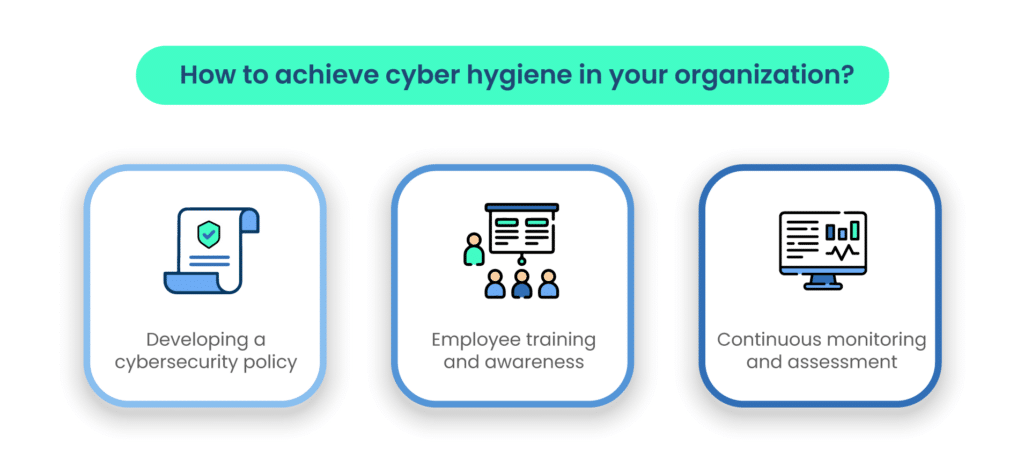
While automated policy creation provides organizations with pre-built templates to save time and resources, there are even more effective solutions in the present age.

Such as ChatGPT. With the oncoming prowess of AI technology, the hassle of policy creation can be a thing of the past. And we at Scrut are resolved to provide you with precisely that – which is why we have introduced our brand new feature – Policy Maker with ChatGPT. 

Using state-of-the-art technology based on OpenAI’s GPT-3.5 architecture, Scrut now offers an intuitive policy builder feature that makes the process of creating policies much easier and more efficient

What does Scrut’s GPT Policy Builder do? 

Policy Builder with ChatGPT is an innovative and efficient solution that helps users to create and generate complex policies through artificial intelligence and machine learning algorithms. It allows the system to generate policies automatically based on a series of prompts and questions. 

Users simply need to provide basic information about their organization, such as its industry, size, and location, and the system will generate a custom policy that meets their needs.

Organizations can create customized policies by simply selecting from a range of pre-written clauses and provisions. Users can mention specific requirements or select the clauses that are most relevant to their organization, and the system will generate a policy that includes those clauses. 

This advanced AI-based tool can rapidly analyze large datasets, saving time and resources for policymakers. Not only that, but it is also continuously evolving to keep pace with the ever-changing landscape of compliance regulations and best practices.

Scrut’s Policy Builder makes your life easy

The chatGPT-based policy builder is designed to be user-friendly and intuitive, so even users with no legal or compliance background can easily create policies. The system uses natural language processing and conversational interfaces to guide users through the policy creation process, making it easy to understand and follow.

In addition to making policy creation faster and easier, the new feature also helps ensure that policies are compliant with relevant laws and regulations. The system is constantly updated with the latest legal and regulatory requirements, so users can be confident that their policies are up-to-date and accurate.
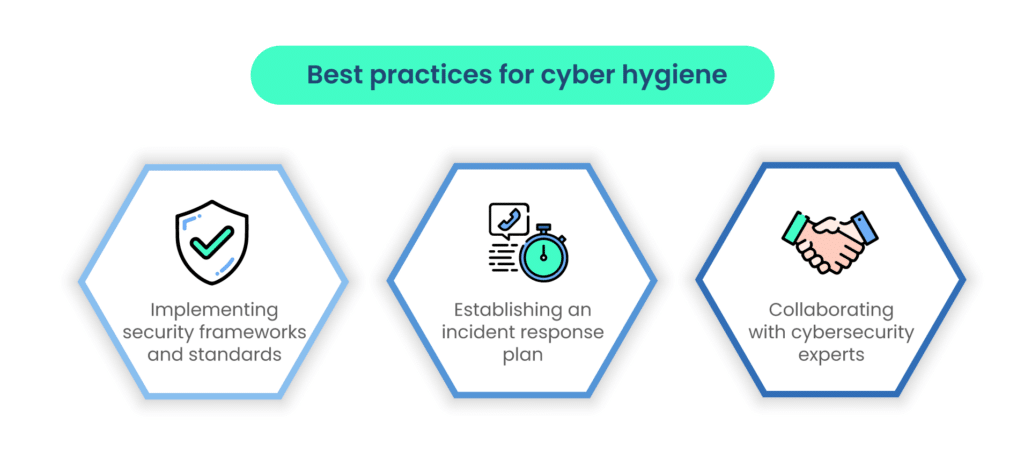
With this feature, you can easily generate policies for any industry, such as healthcare, finance, legal, and more.

To summarize, you’ll be able to develop policies faster than you can say ‘compliance’ with the help of Scrut’s GPT policy maker. 

How does this AI Policy Builder work?

As the name suggests, GPT does the work for you. Our policy builder will take the pain out of your compliance game! 

All you have to do is enter your organization’s information as well as the industry and enter some basic policy information, such as the title and name of the framework you want to comply with. 

Once done, you just need to click on generate and voila! 

Scrut’s Policy Builder also helps you edit and customize the policy per your needs on the platform before you click save. 

What are the benefits of using GPT Policy Builder? 

Effective policy creation can help organizations identify and mitigate potential risks, establish a culture of compliance, and ultimately achieve their strategic objectives while operating within legal and ethical boundaries.
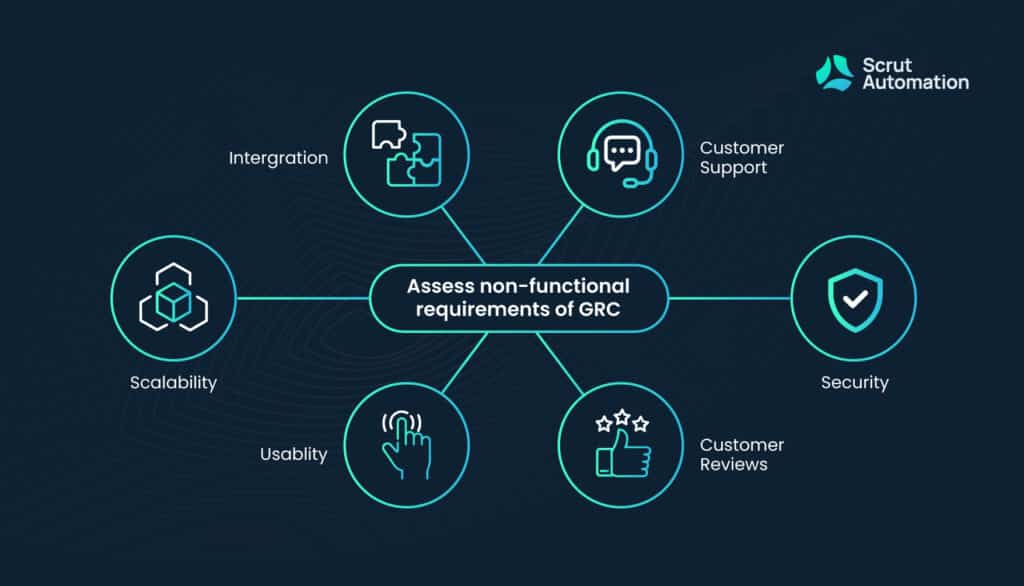
To create a balance between pursuing compliance and continuing business growth, organizations are fast shifting towards platforms that combine the genius of AI with existing smartGRC models, like Scrut’s GPT policy builder. 
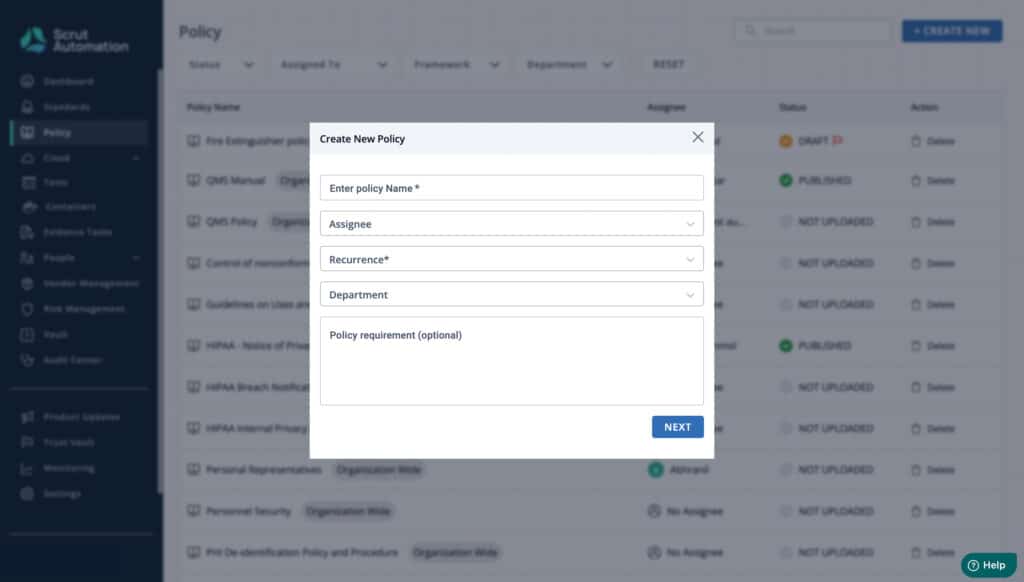
However, there are several reasons why organizations may be apprehensive about implementing a machine-generated policy. Is AI compatible with an organization’s needs? Would machine-generated policies be as effective as manually-created ones? 

Well, our policy builder checks all the boxes and makes it a game-changer for companies looking to streamline their policy creation process! 

1. Saves time and effort

With Policy Builder using GPT, you can generate complex policies in a matter of minutes, which would otherwise take hours or even days to create. This leaves you with a good amount of resources, previously involved in policy creation, to focus on product development and organizational growth. 

2. Customizable policies 

The generated policies can be edited and customized as per your requirements, allowing you the capacity to give a personalized touch. By customizing policies, organizations can ensure that their policies align with their unique culture, values, and operating environment. 

3. Industry-specific policies 

The tool generates policies based on your selected industry, ensuring that the policies are relevant and up-to-date with the changing regulations and legislation. Creating applicable policies is the need of the hour, and Scrut’s Policy Builder understands that. 

4. Error-free policies

One of the most significant drawbacks of manually created policies is that they are prone to errors. The policies generated by the tool are free from human errors, ensuring that they are accurate and legally compliant, saving organizations a lot of back and forth. 

In conclusion, Policy Builder using GPT is an excellent tool for anyone looking to create complex policies quickly and accurately. Its user-friendly interface and customizable policies make it an ideal tool for businesses of all sizes and industries.

Explore the feature or schedule a demo with us to learn more today!